The Day the Earth Died
Fieldwork at the edge of deep time
PHASE 1: THE CHICXULUB CRATER
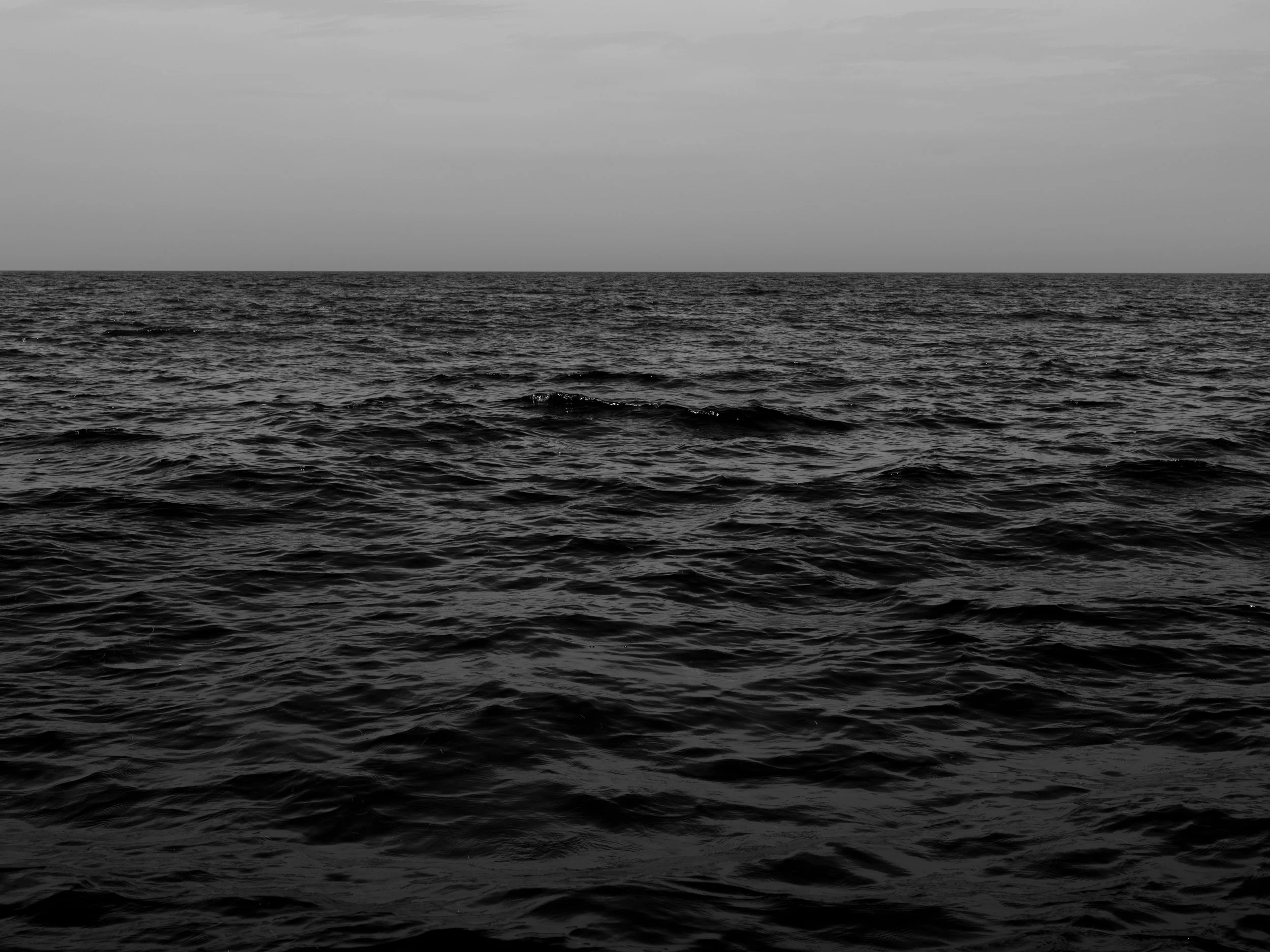
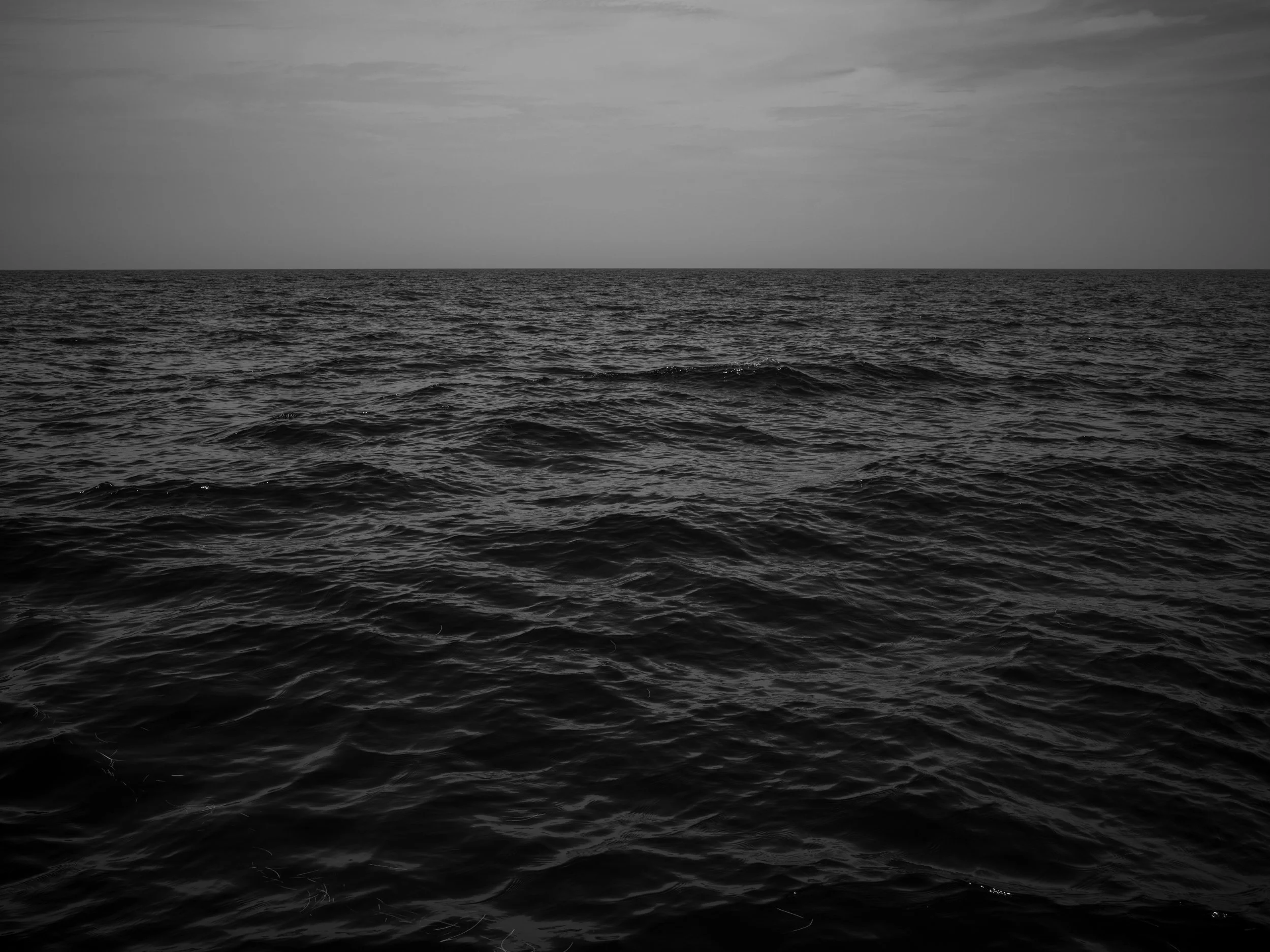
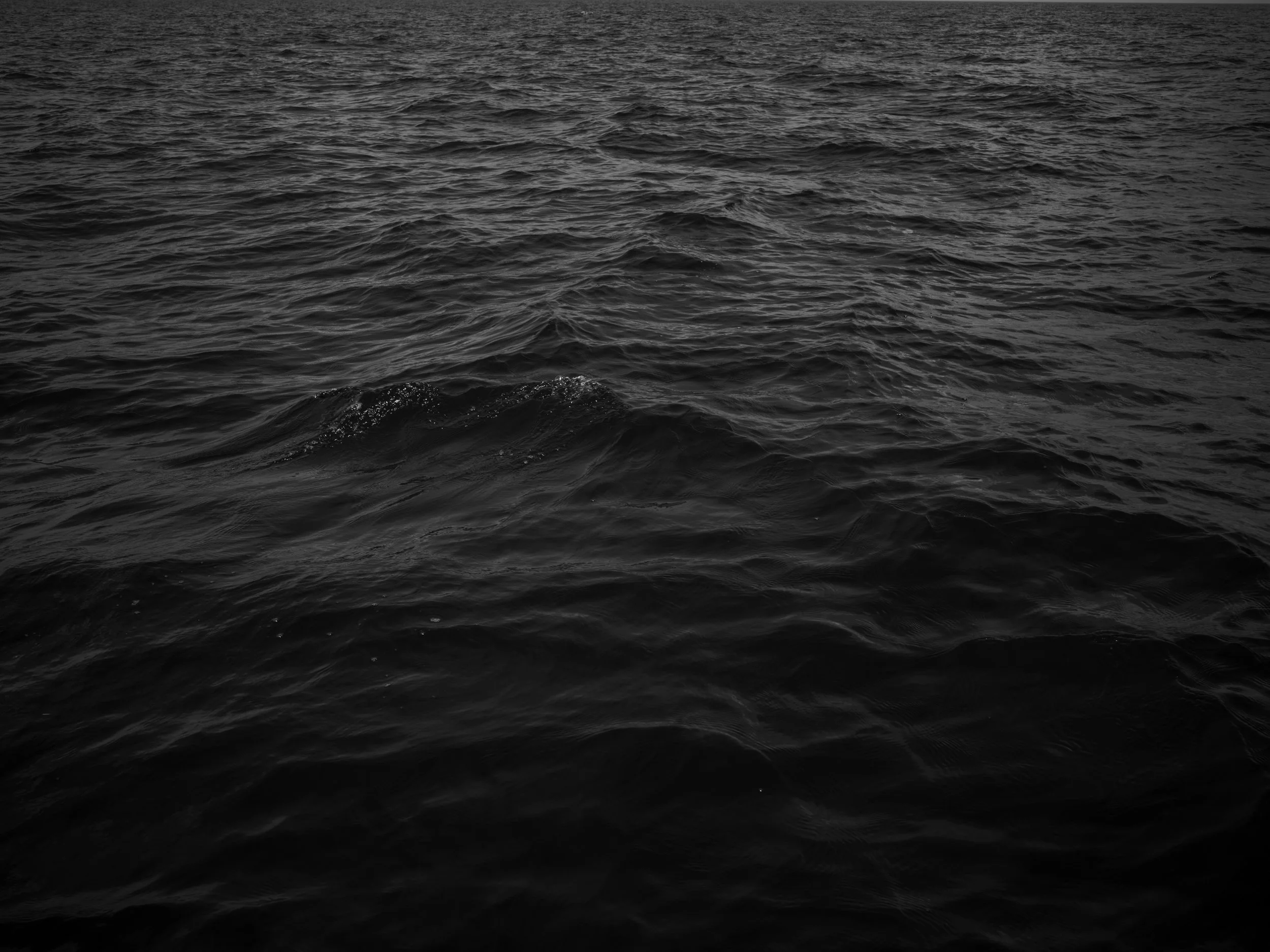
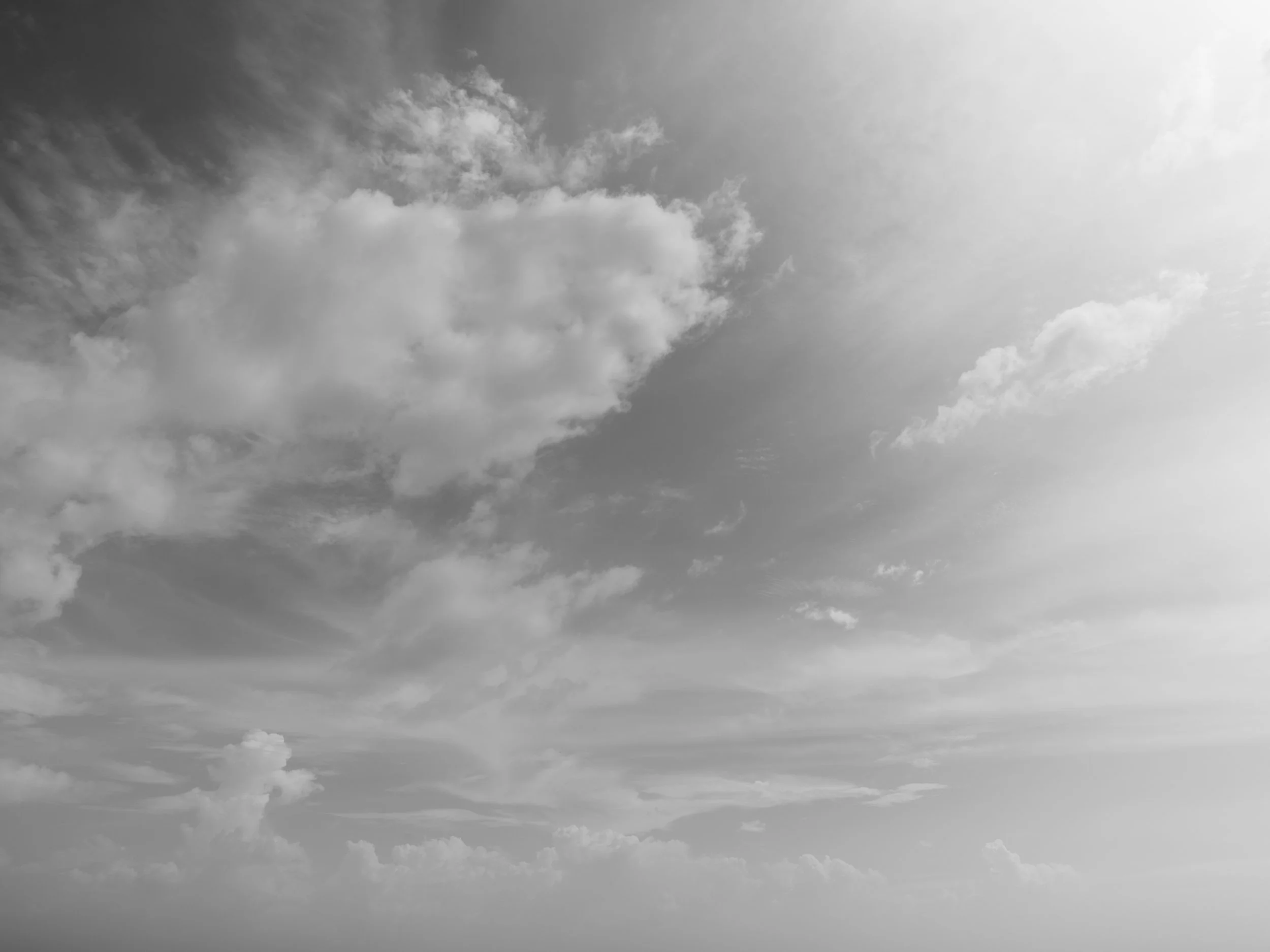
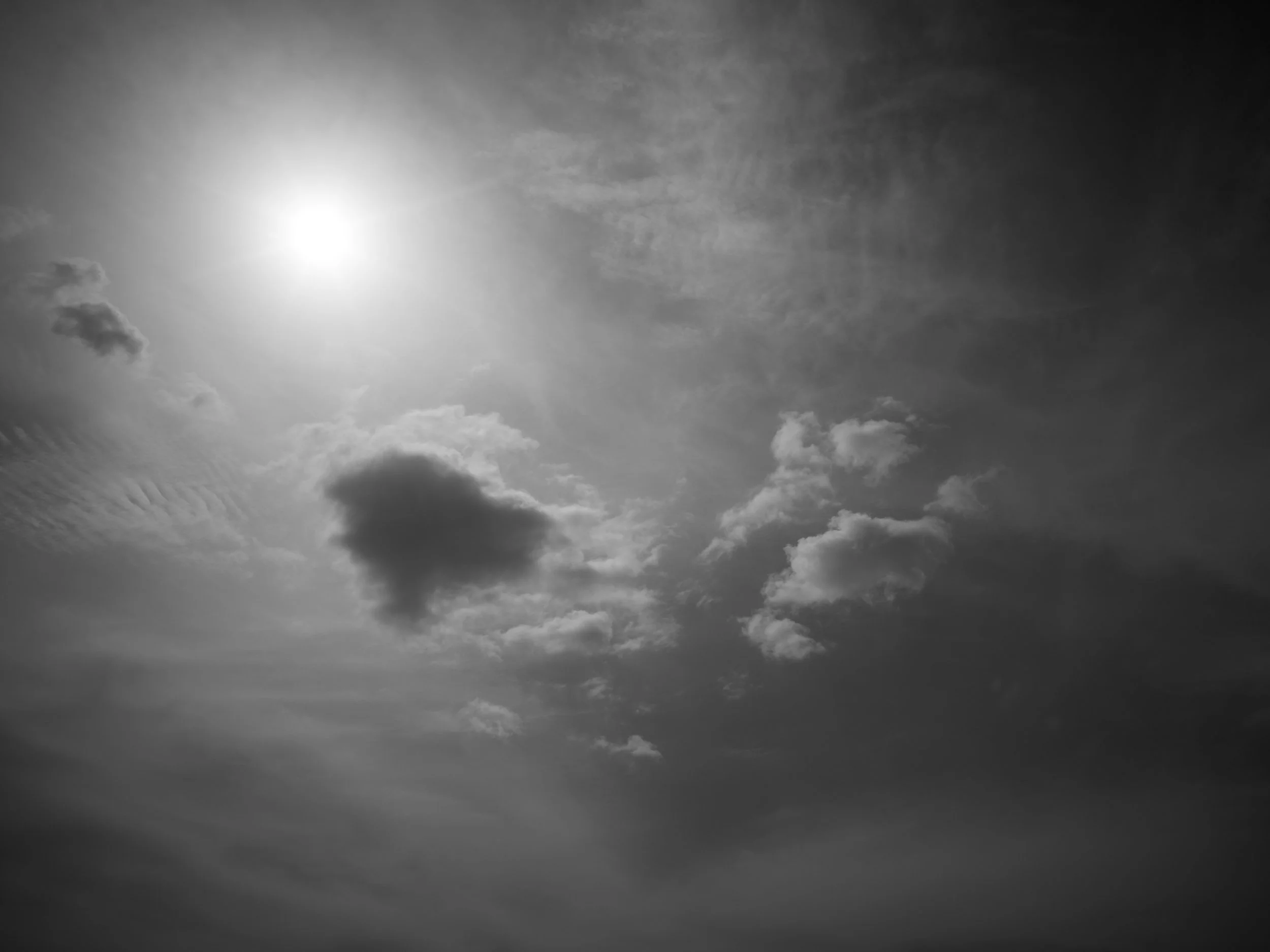
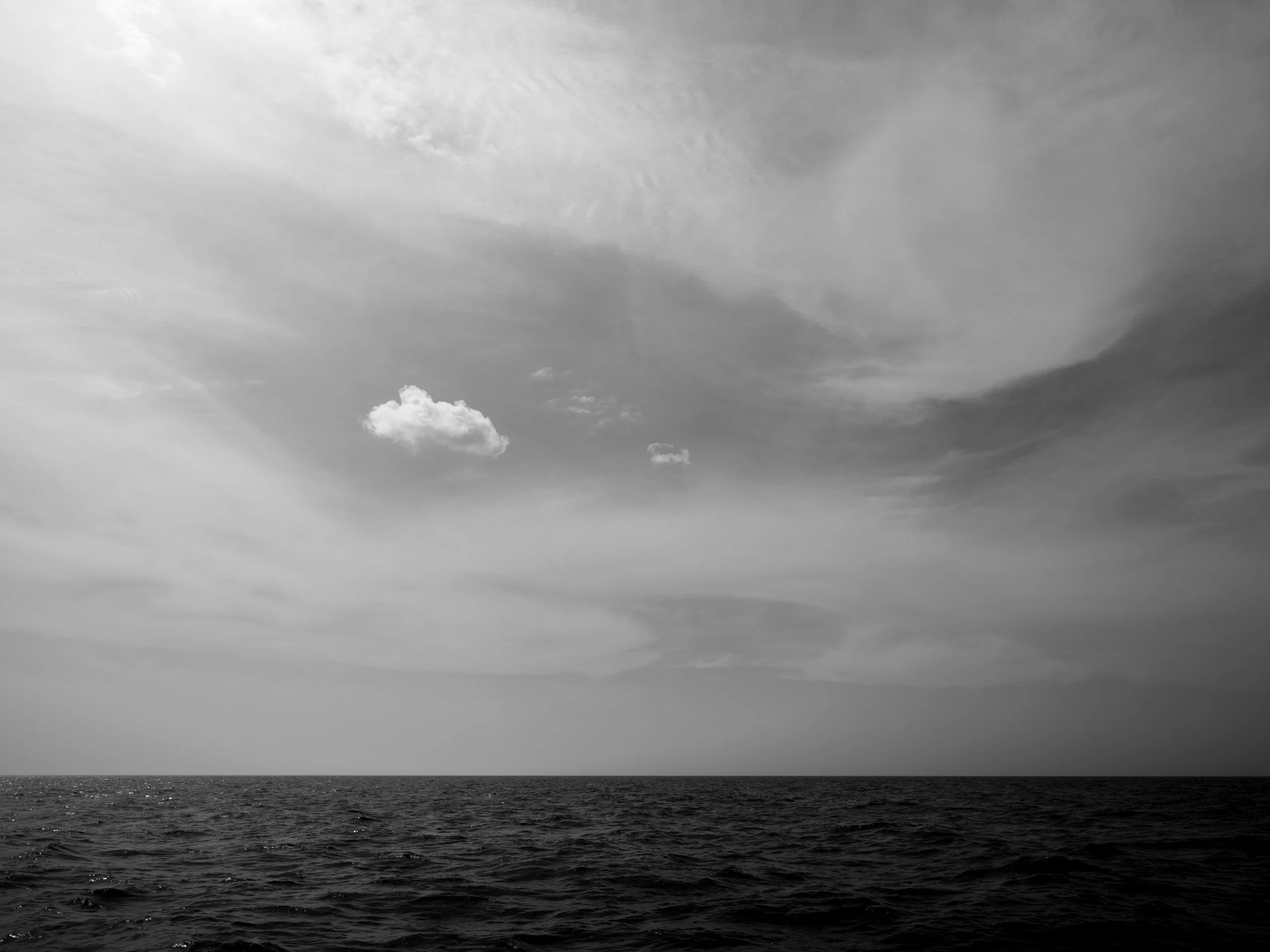
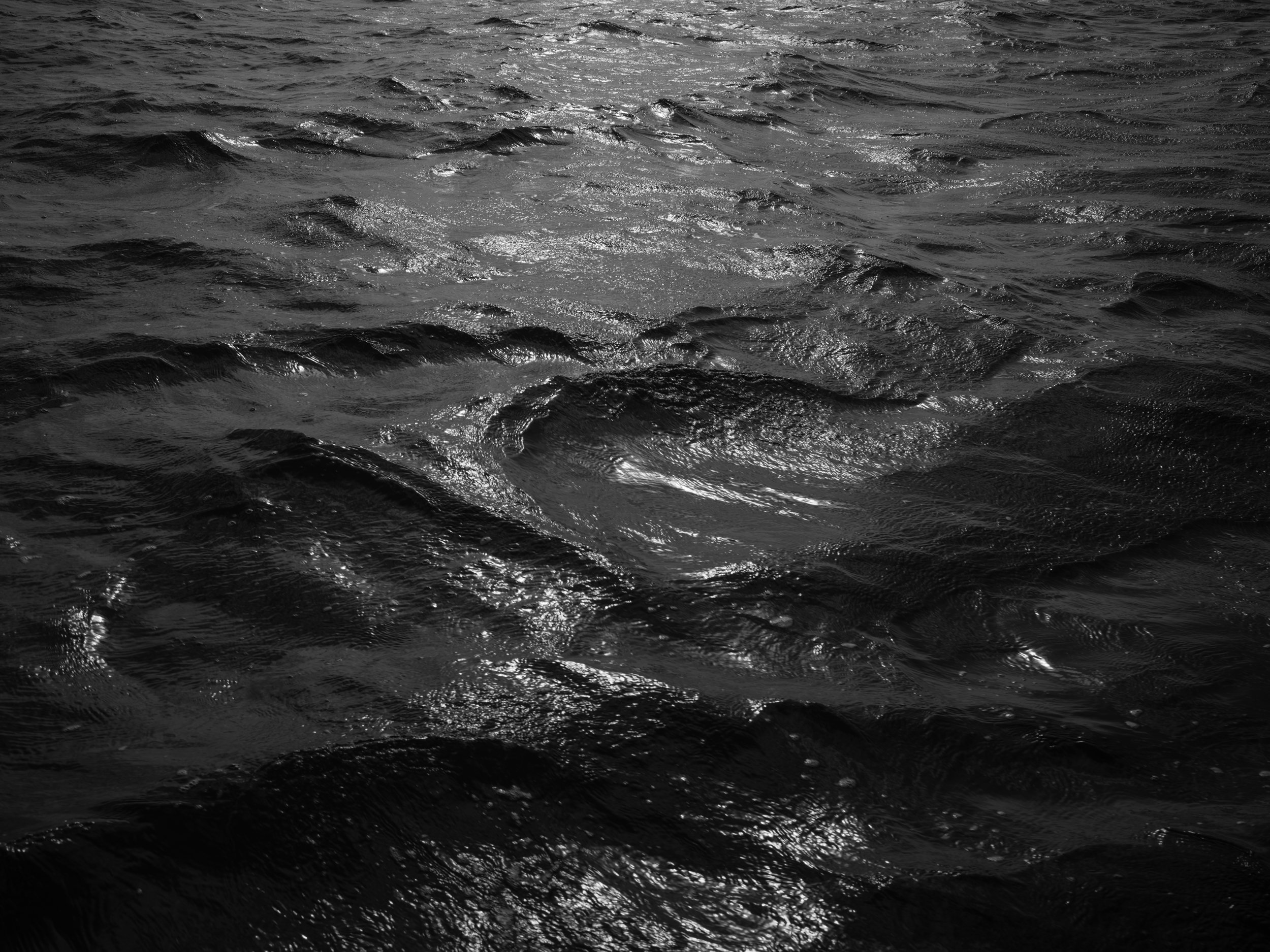
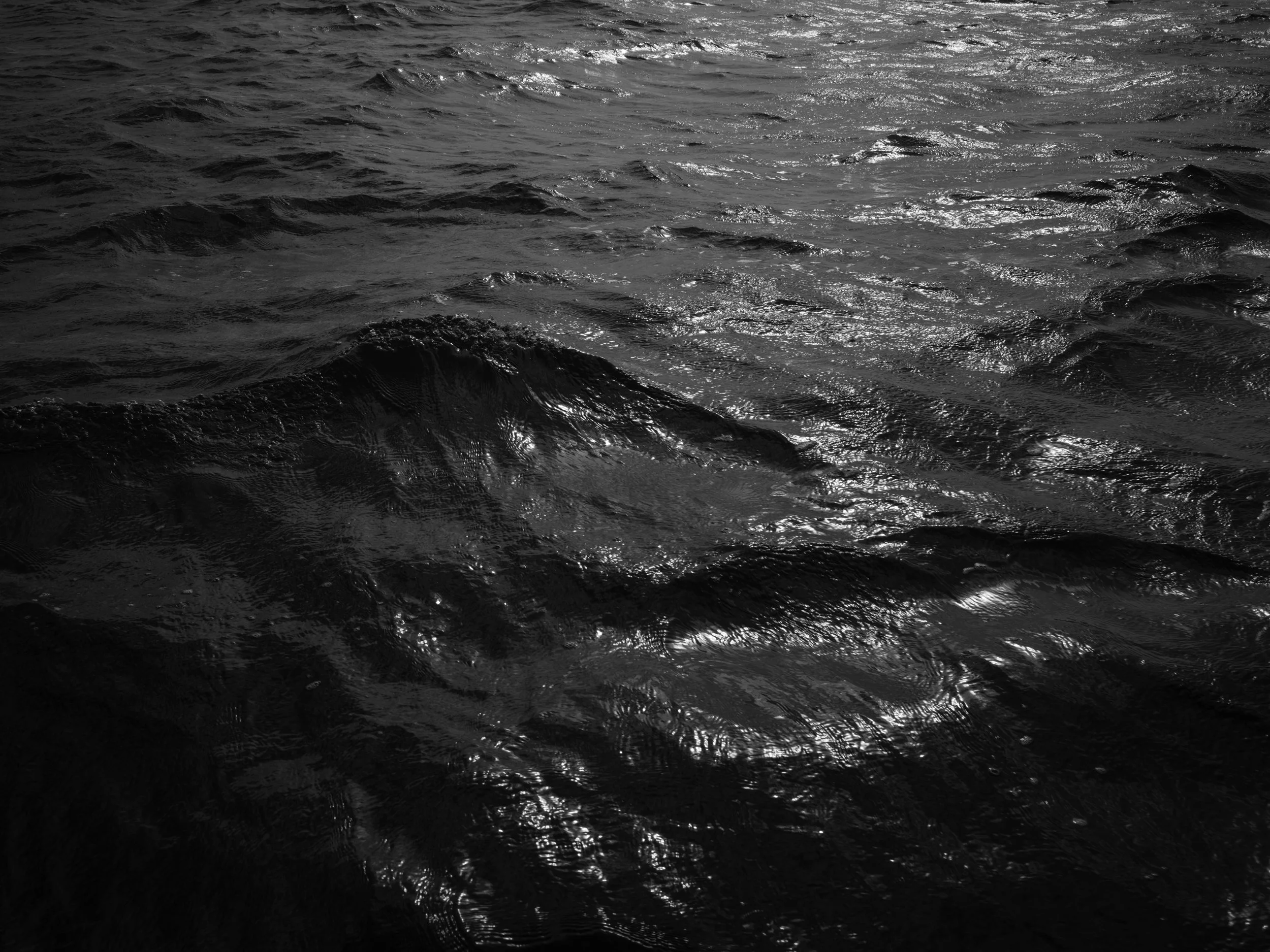
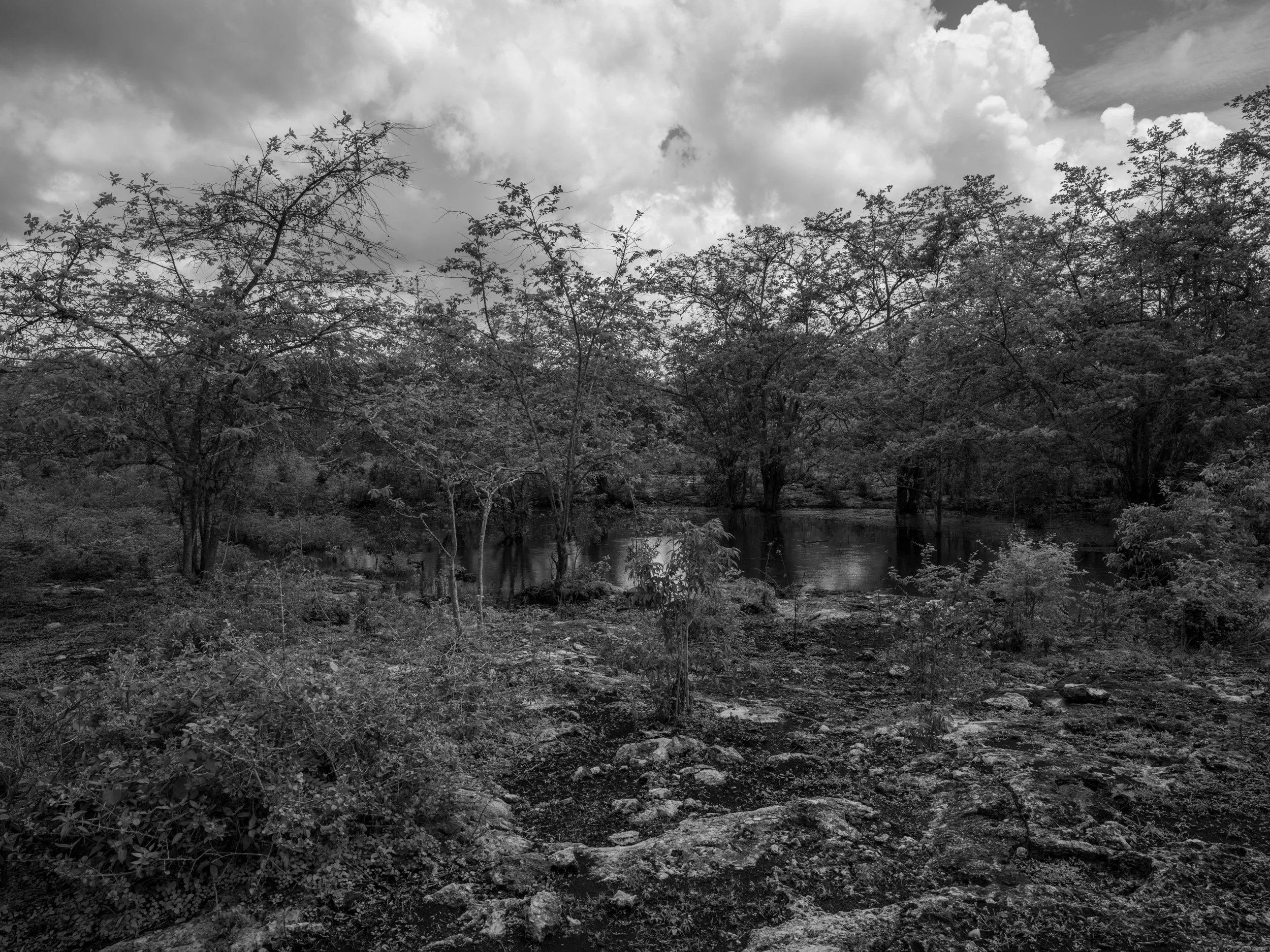
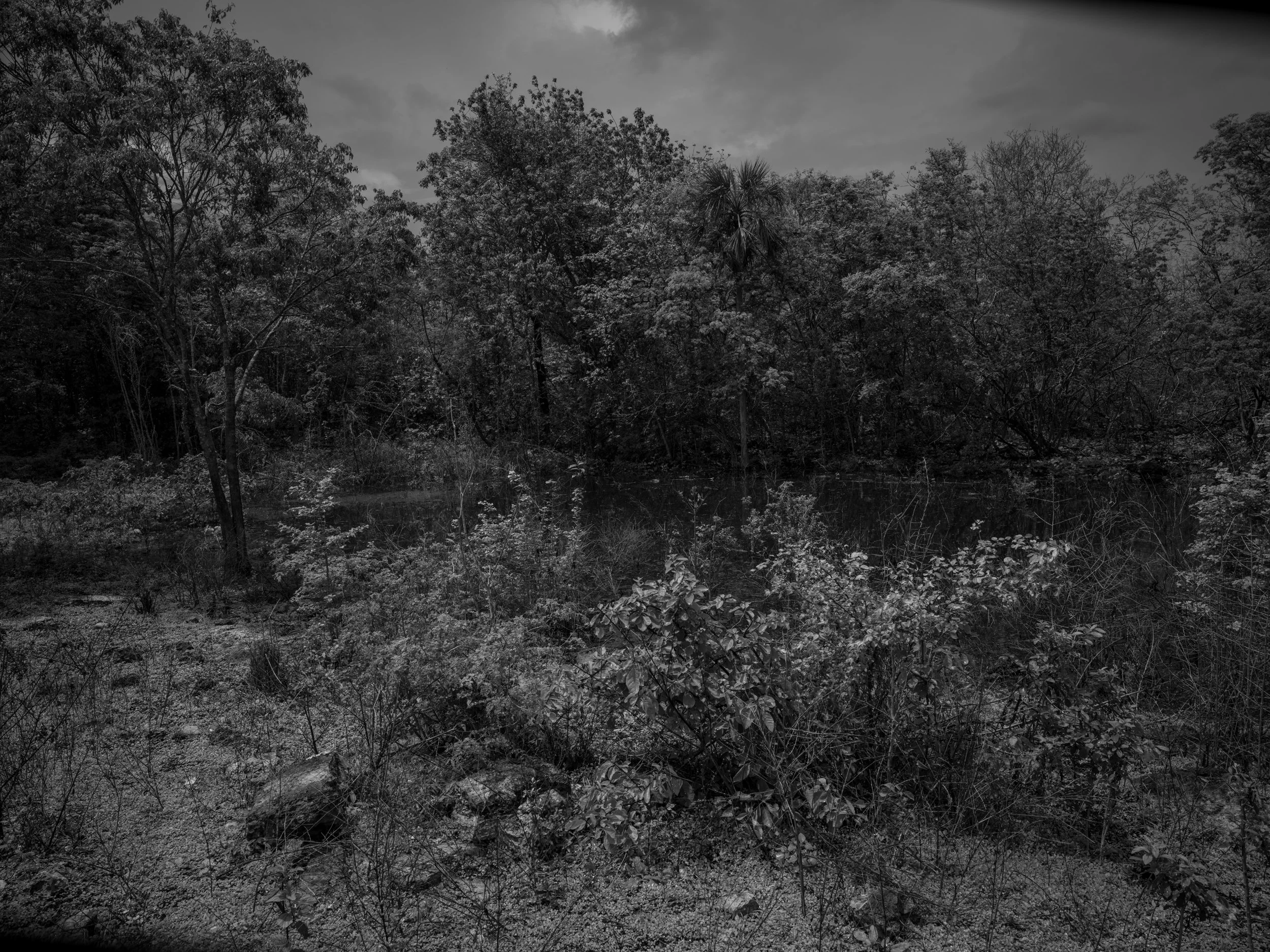
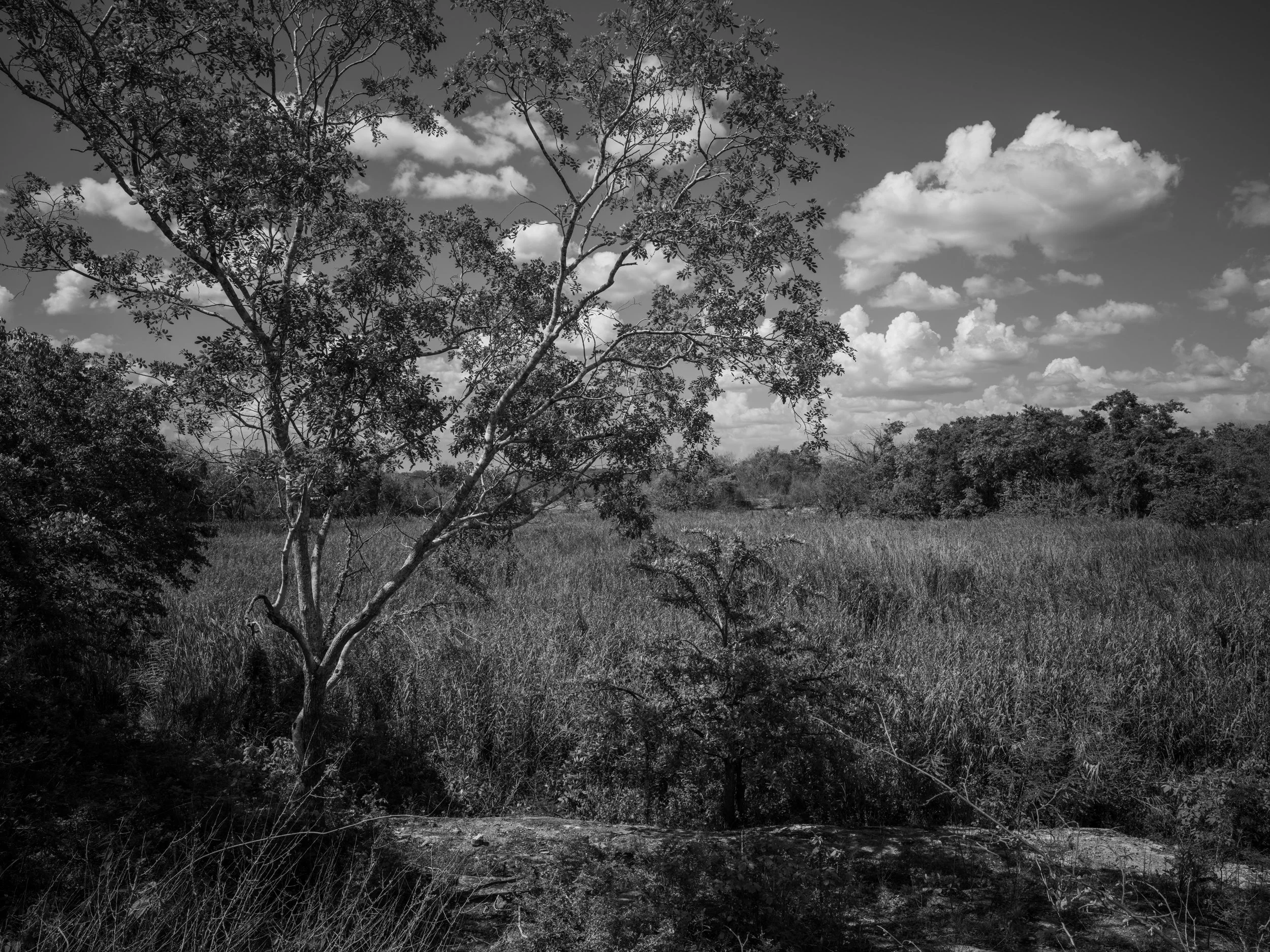
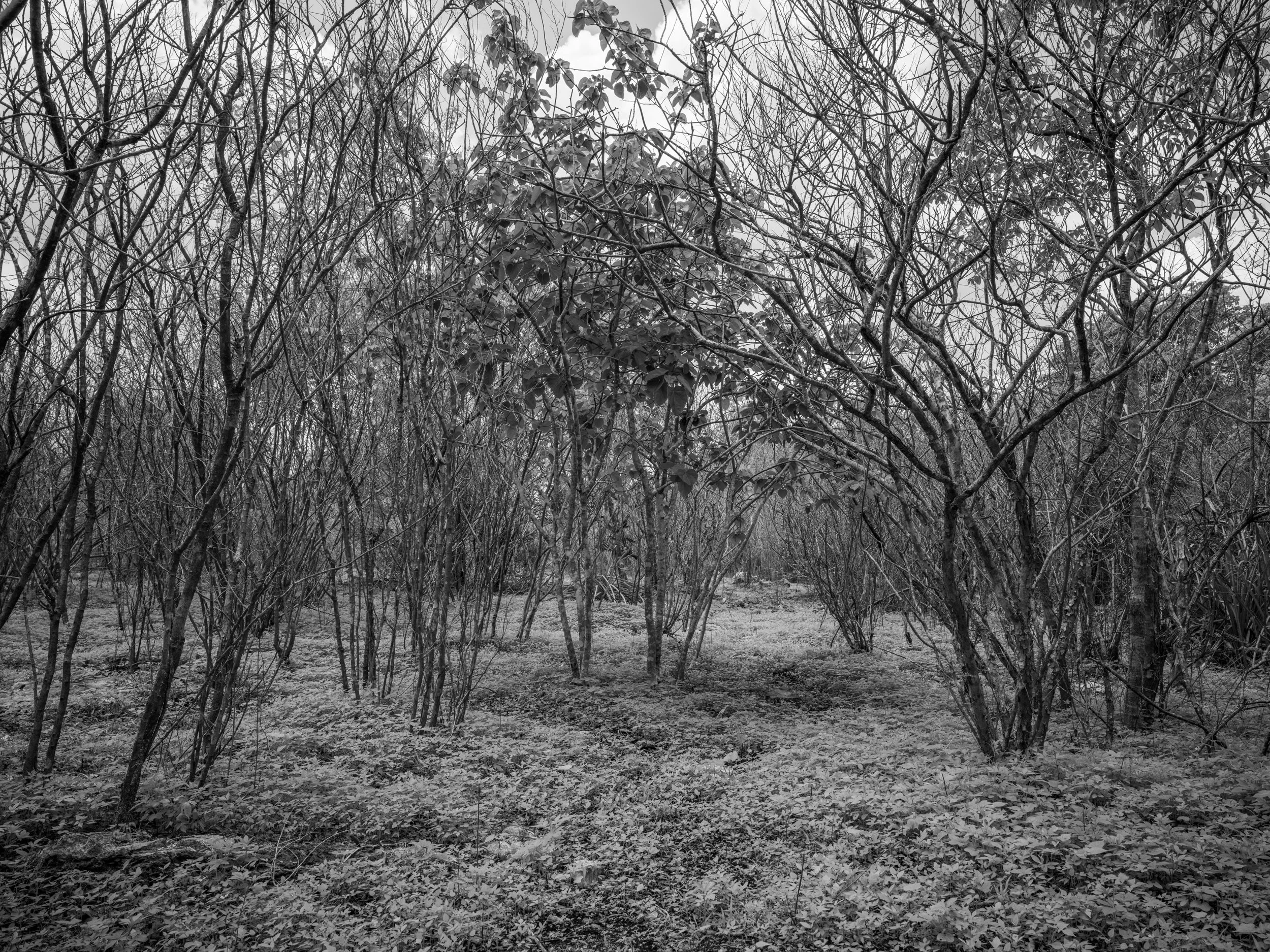
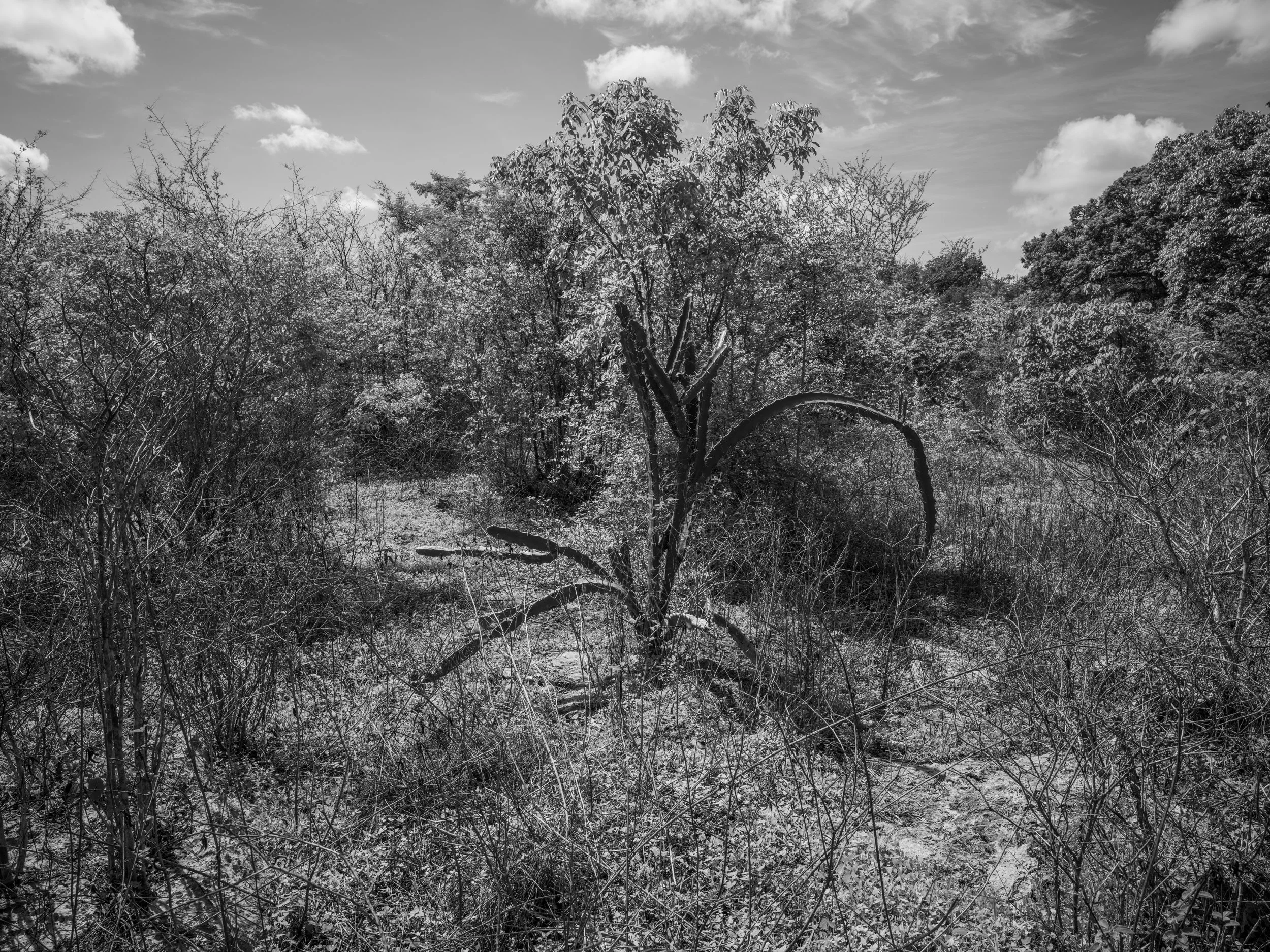
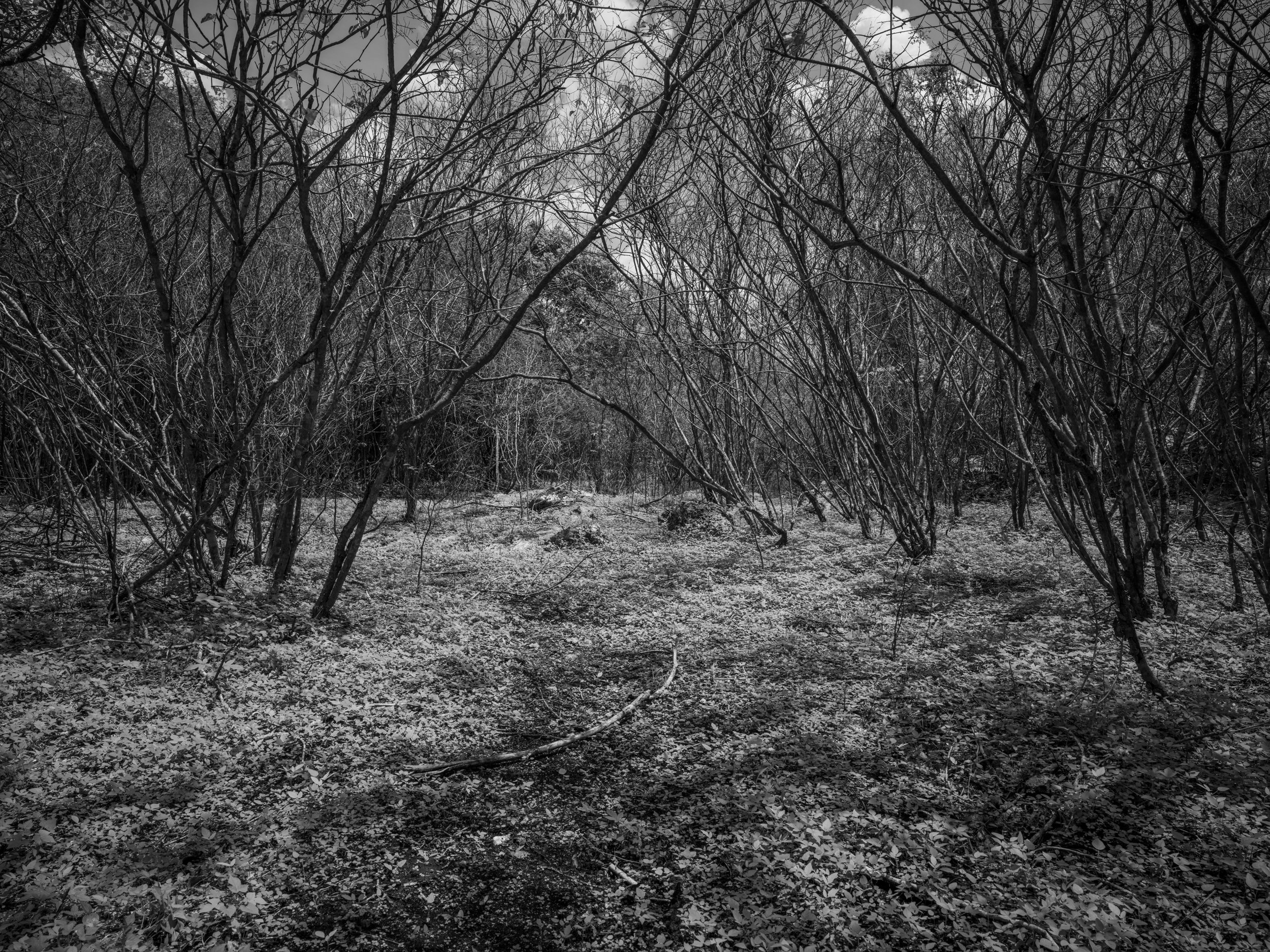
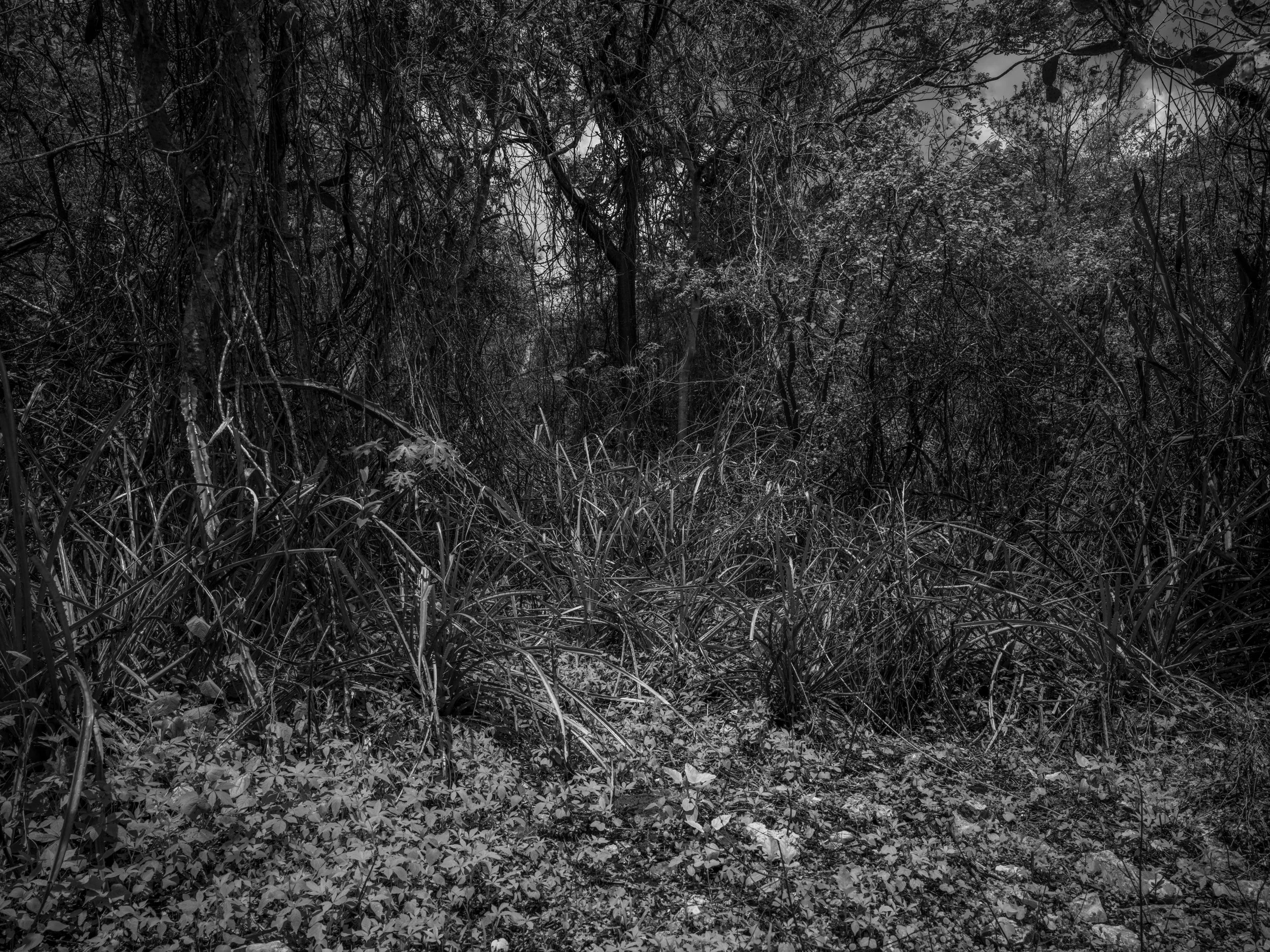
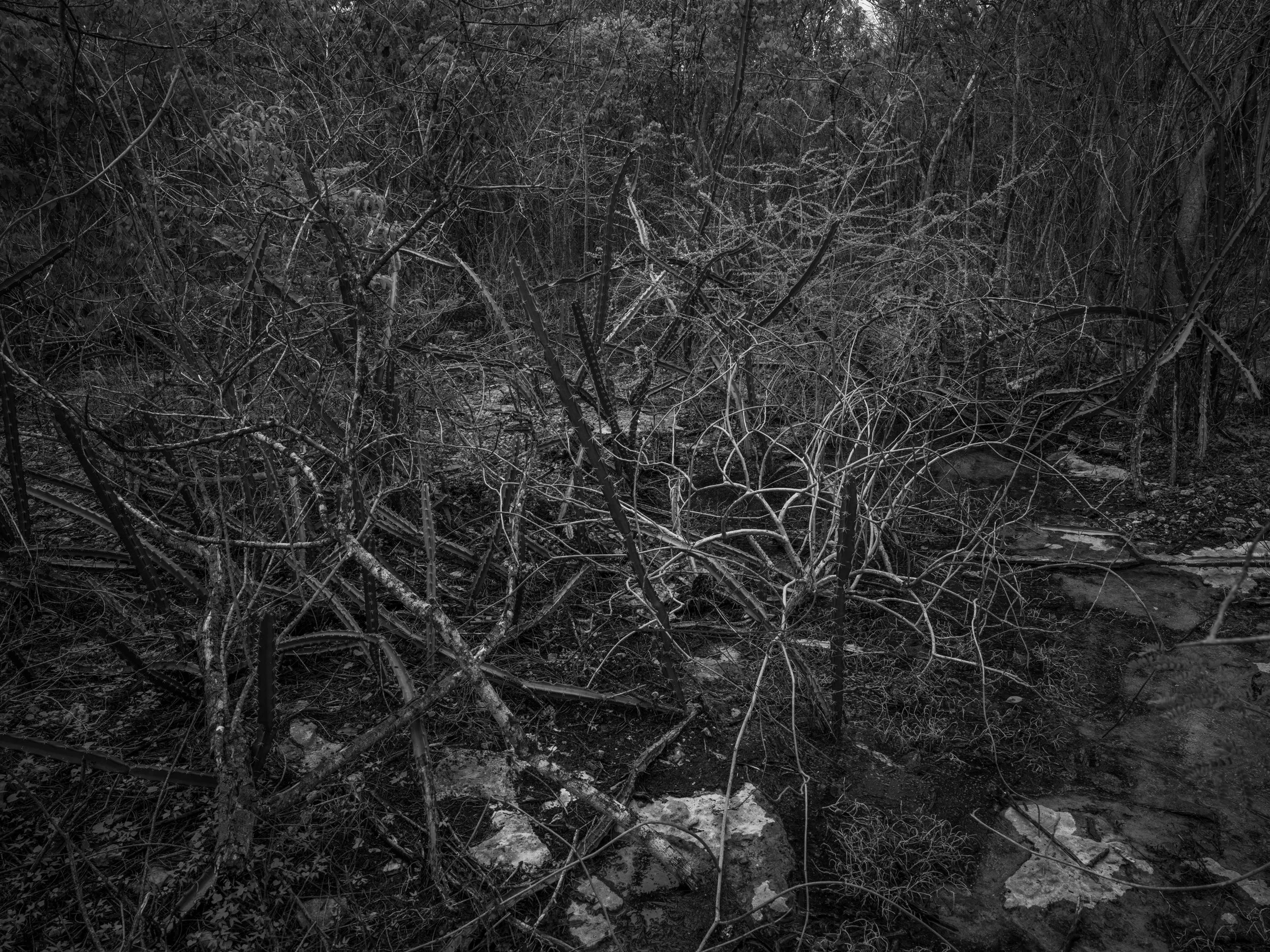
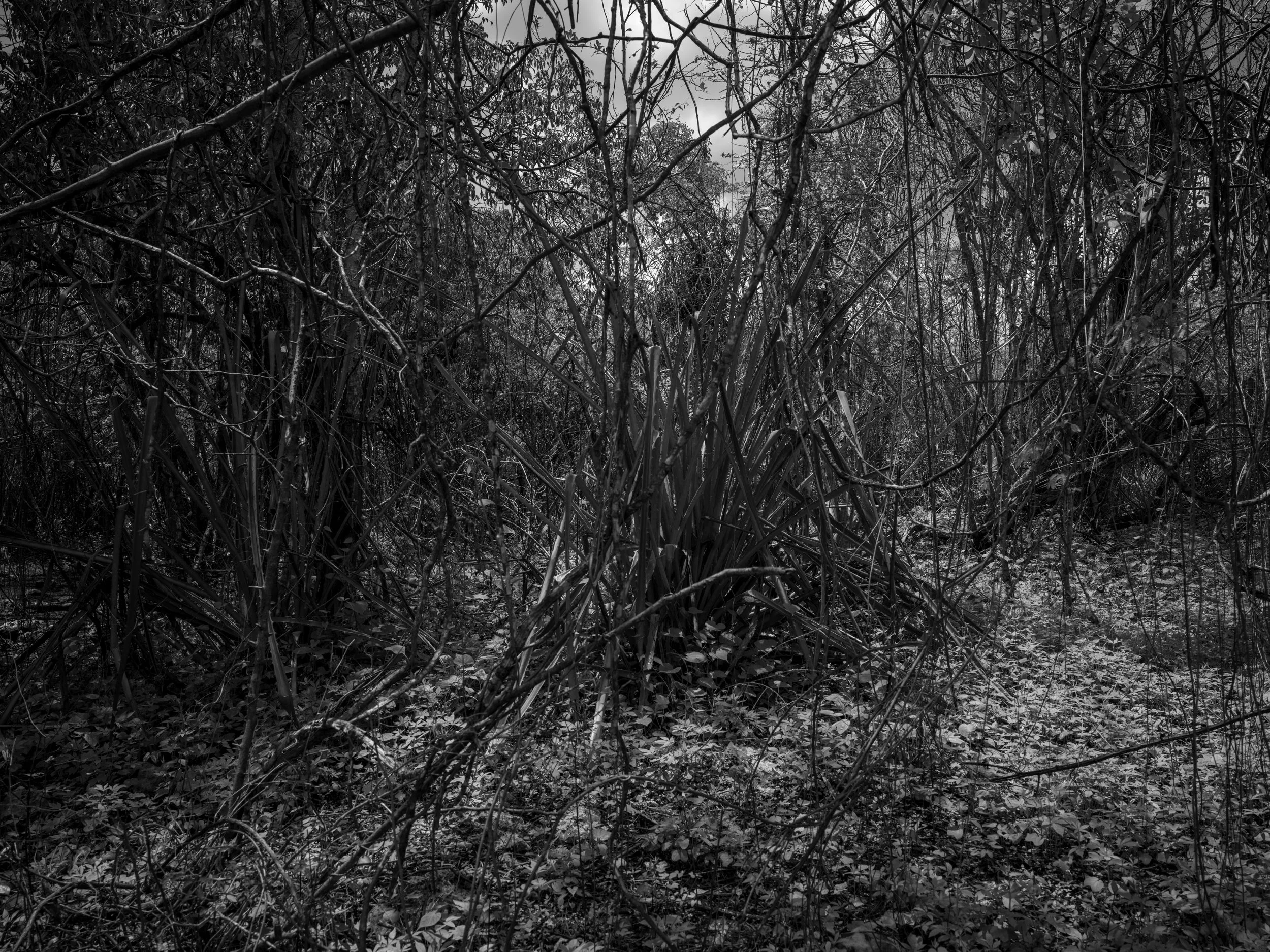
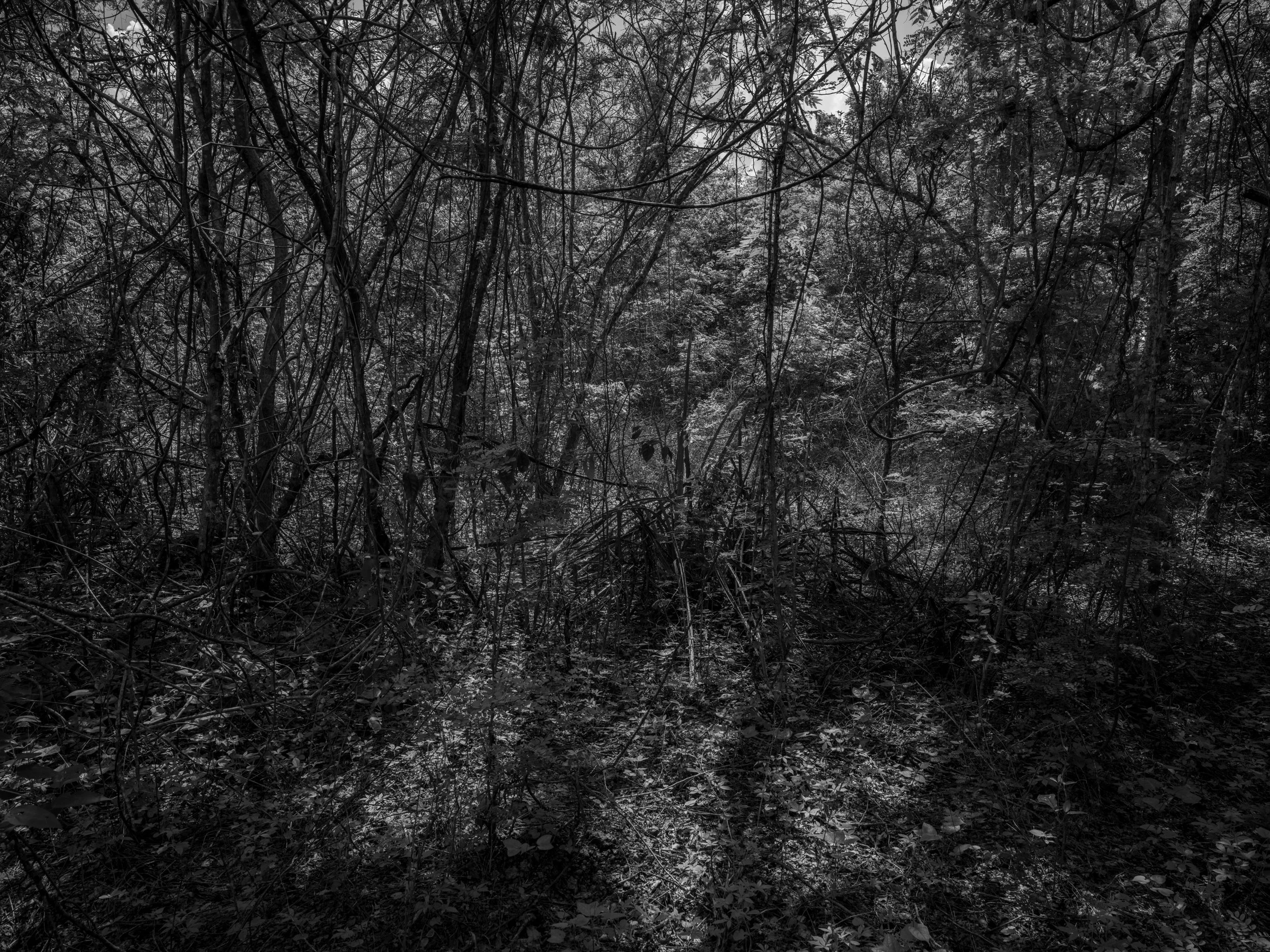
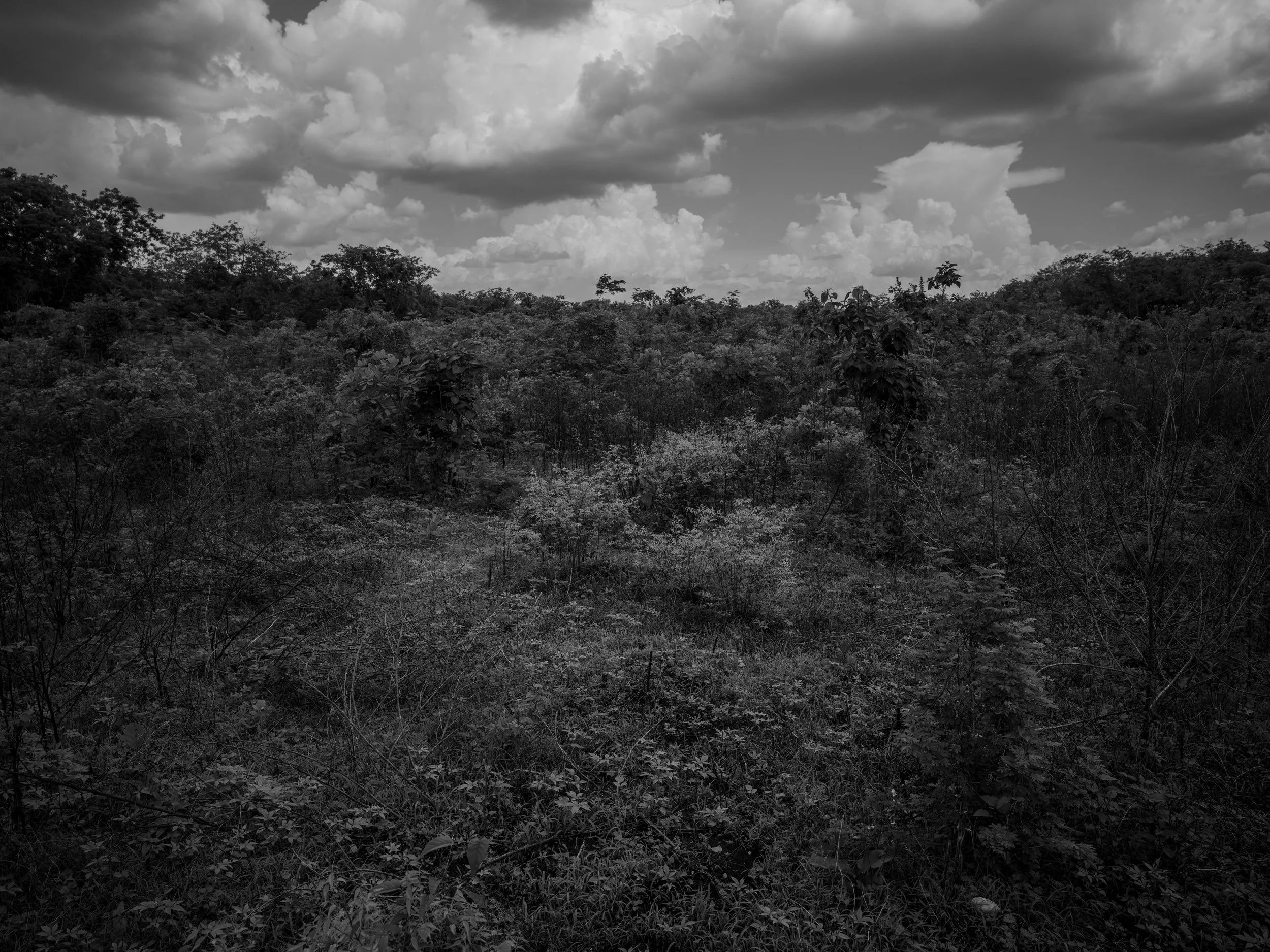
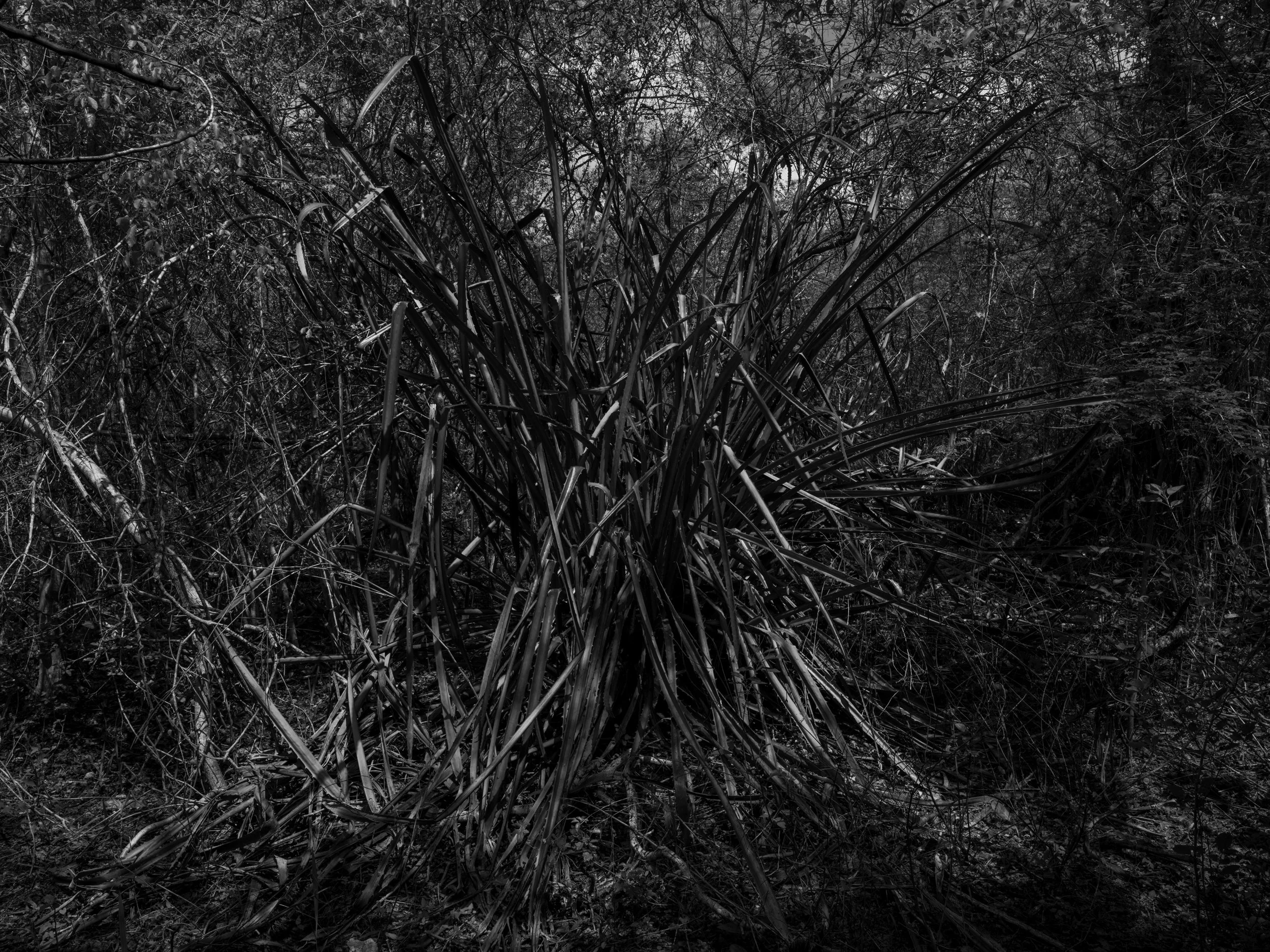
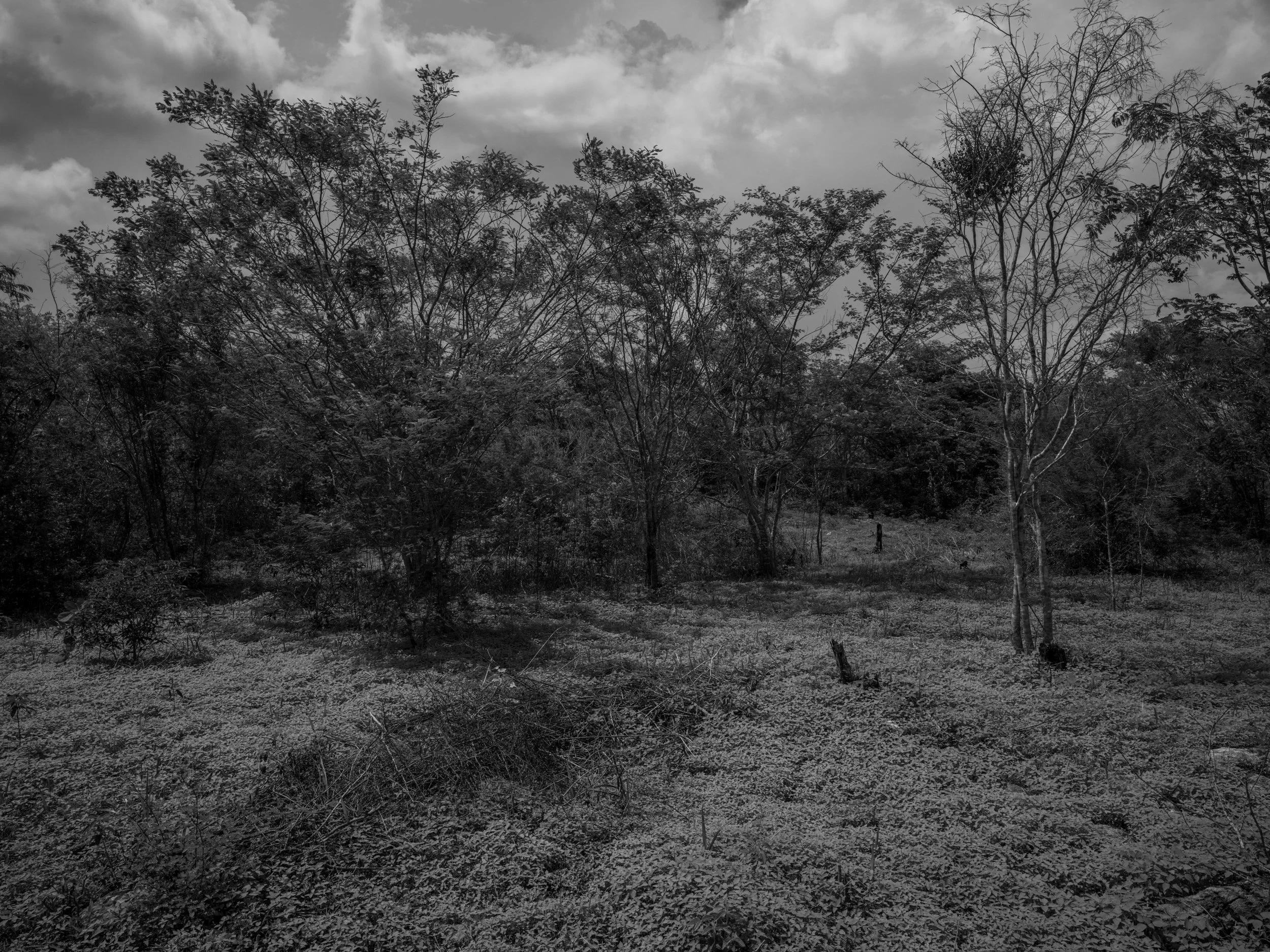
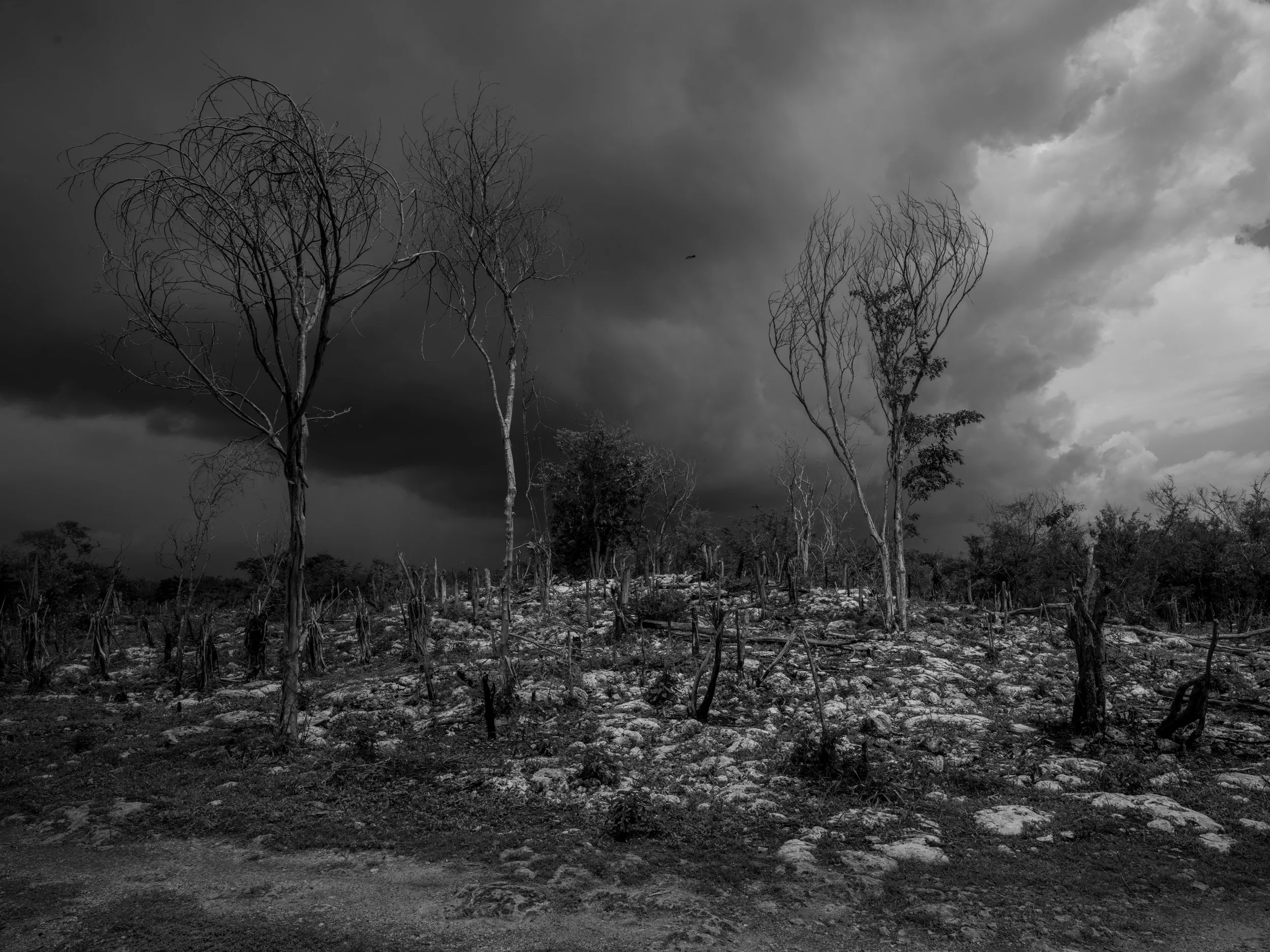
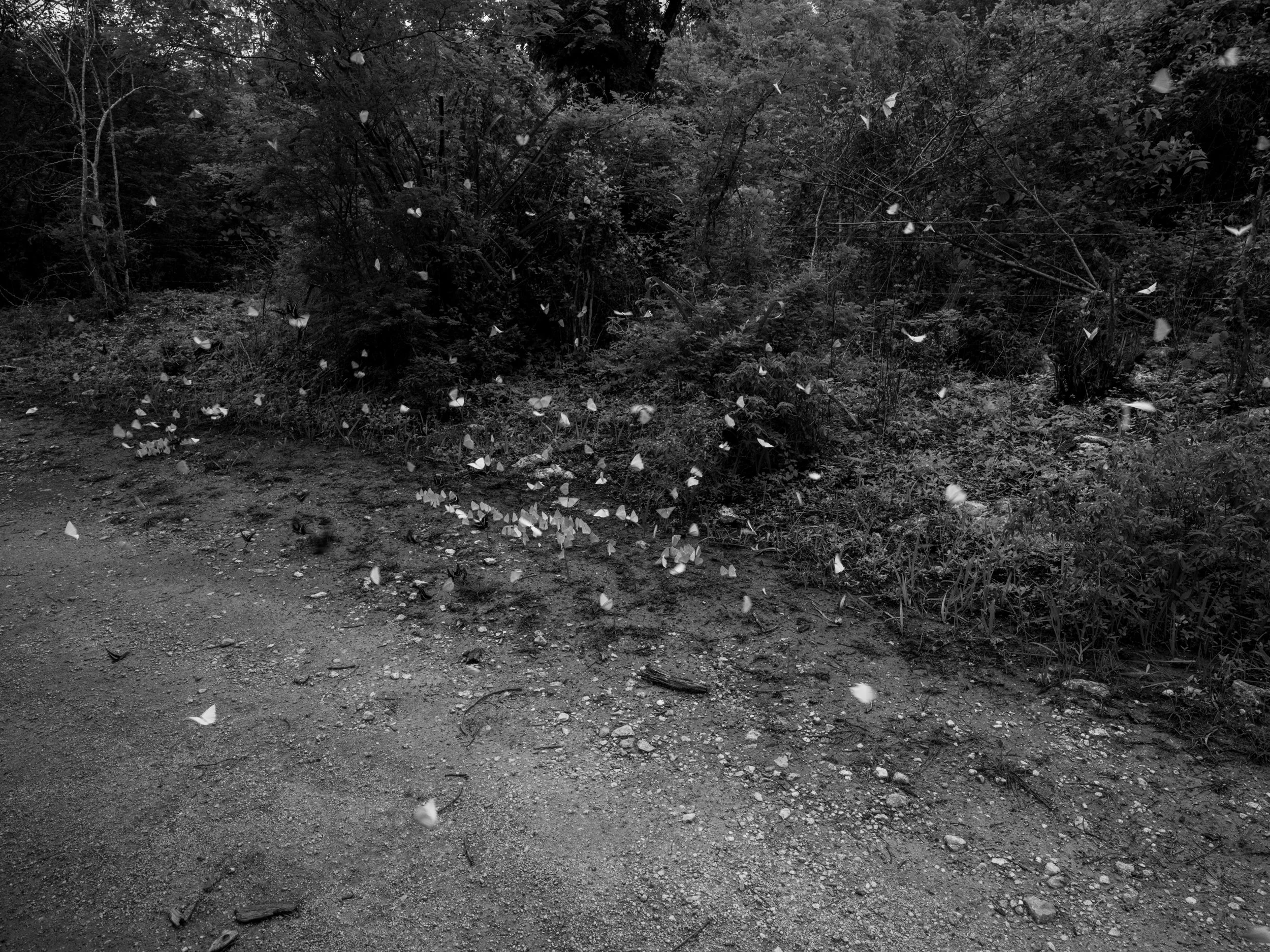
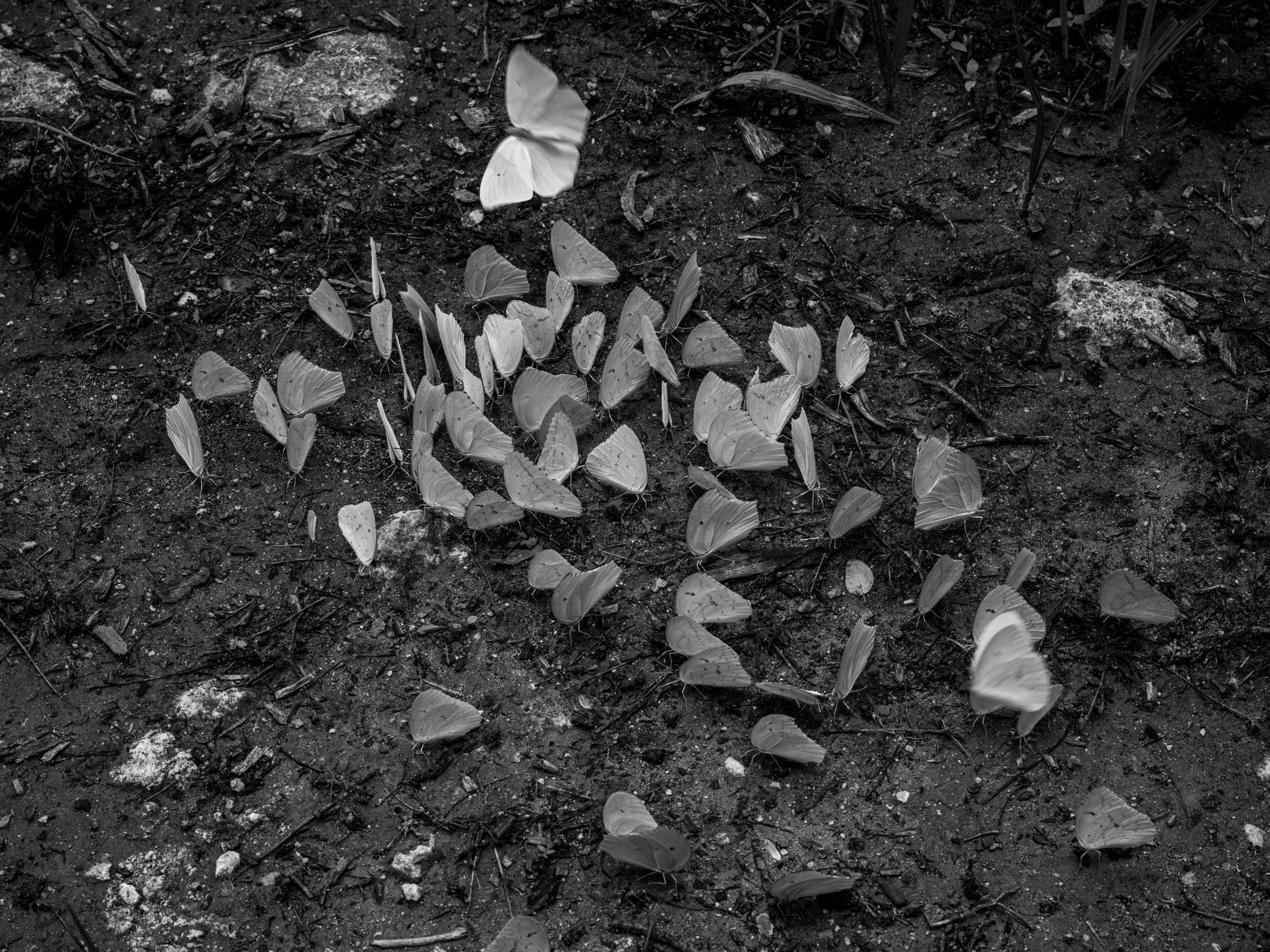
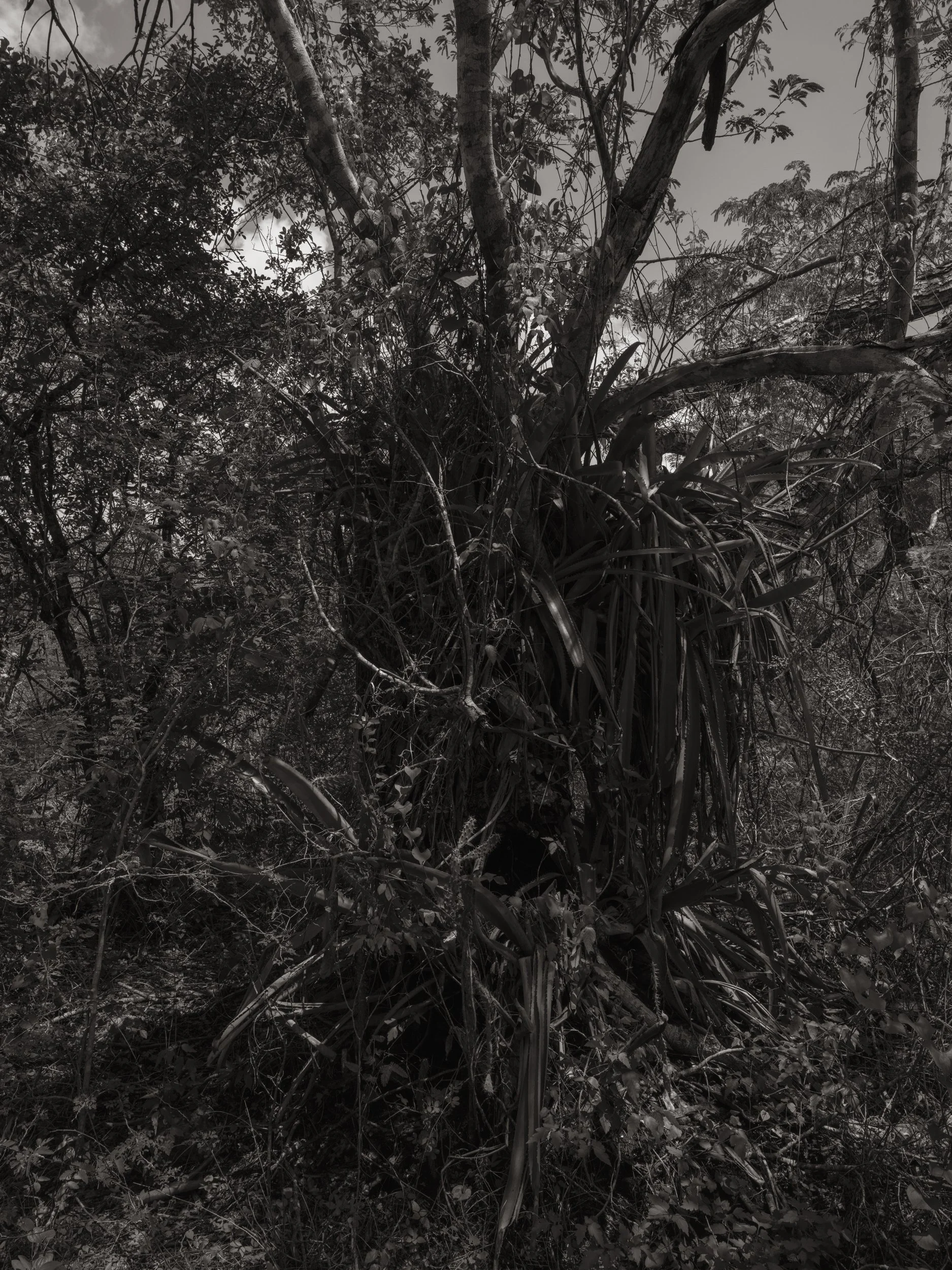
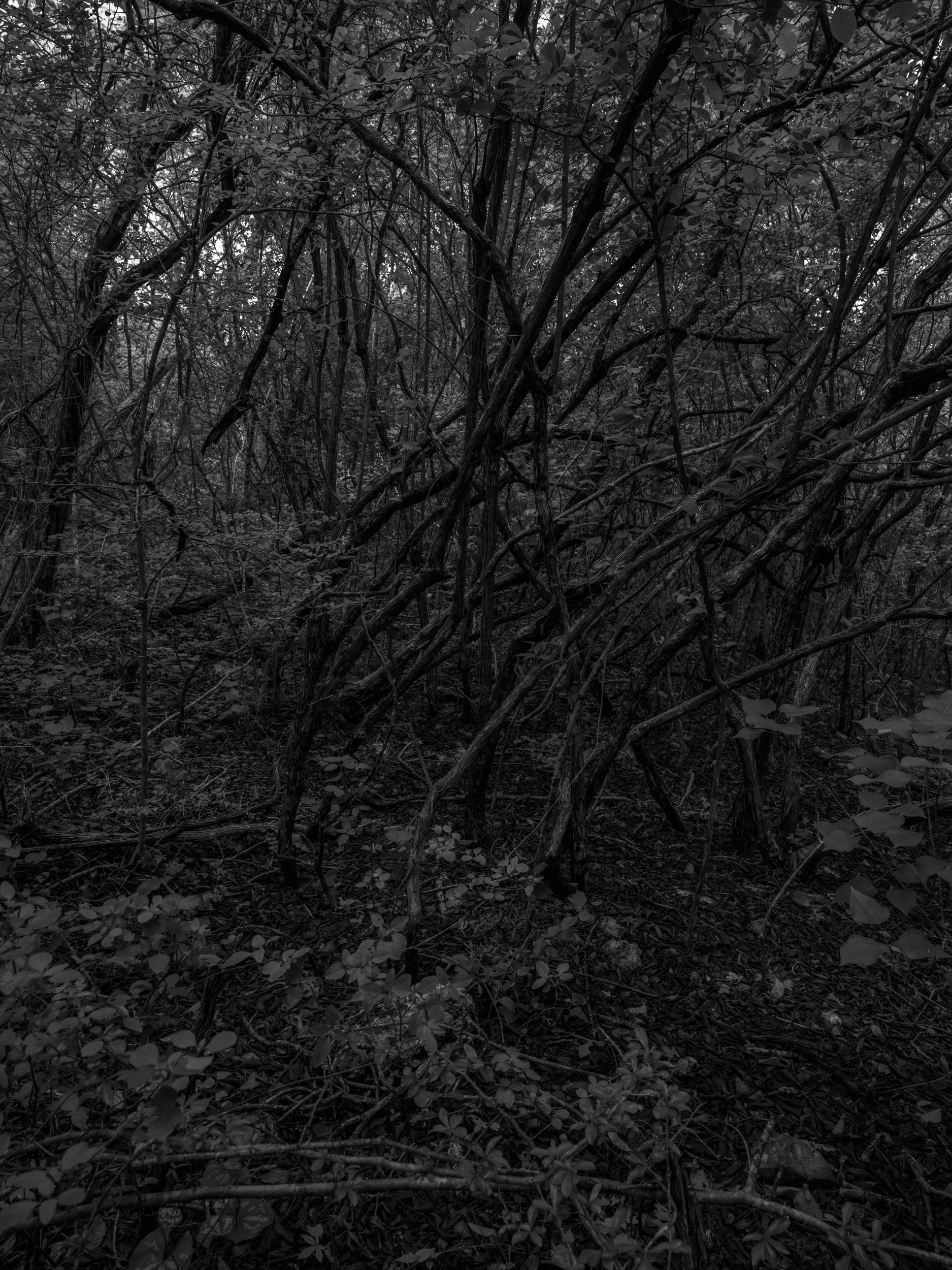
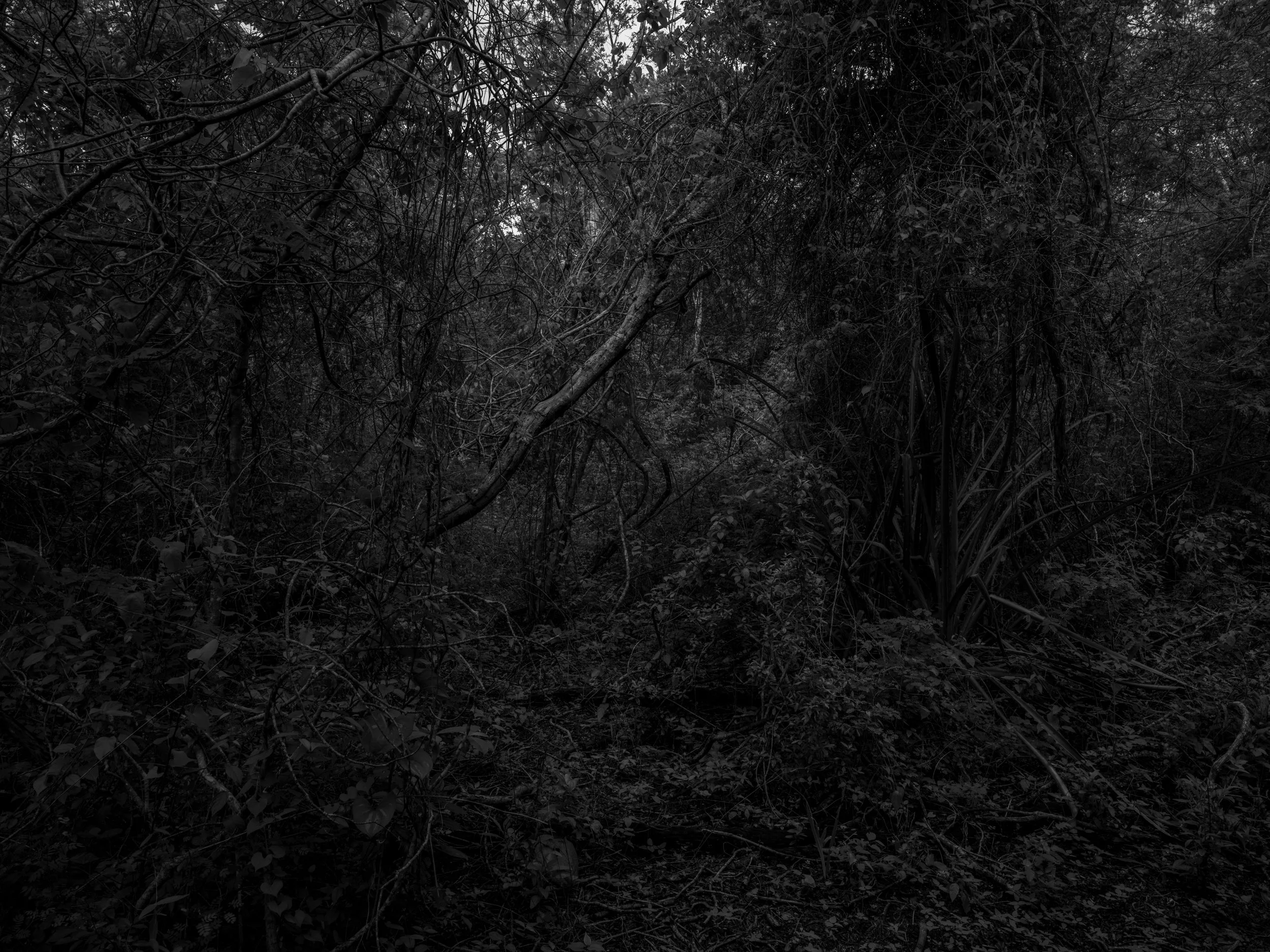
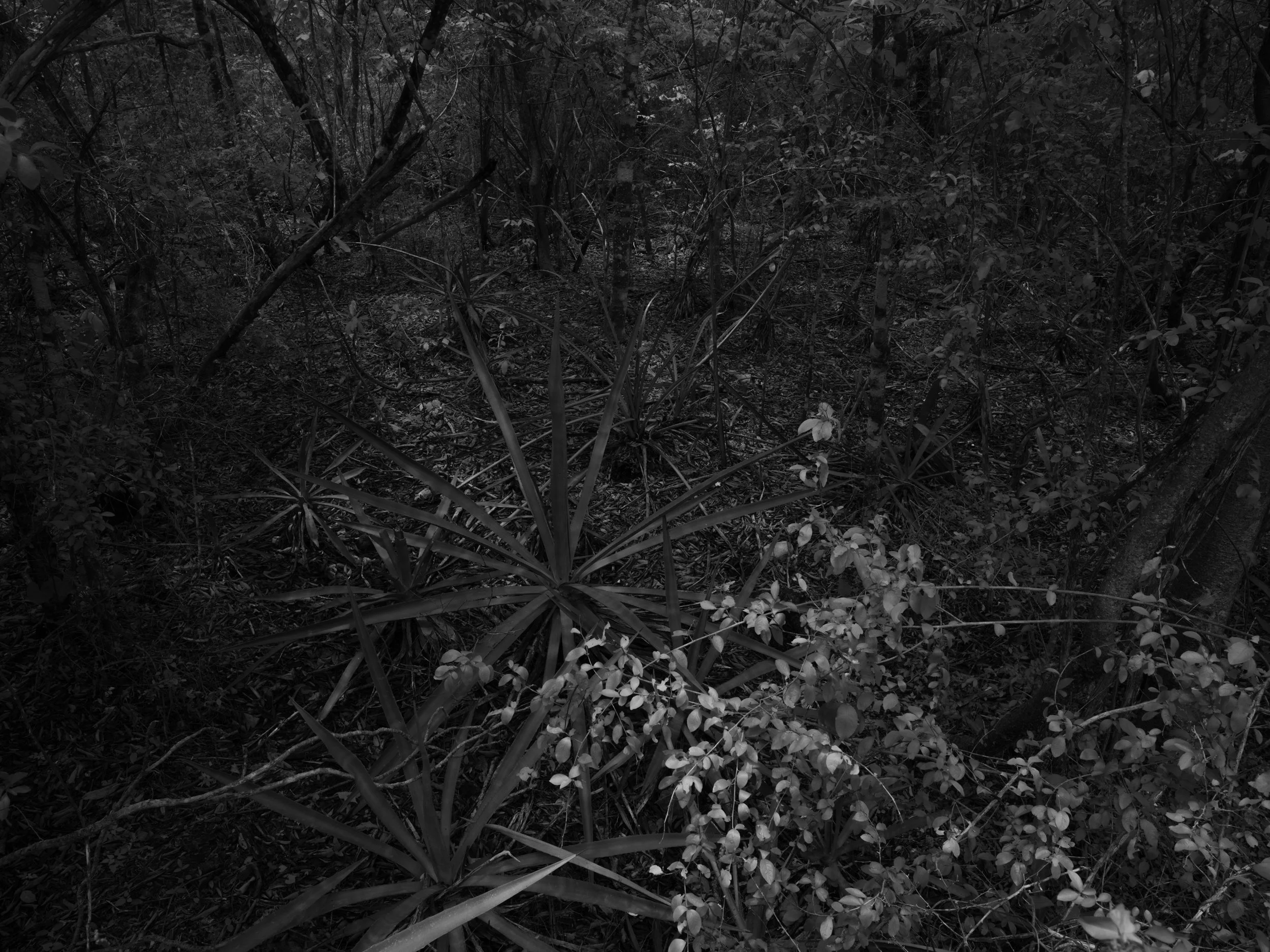
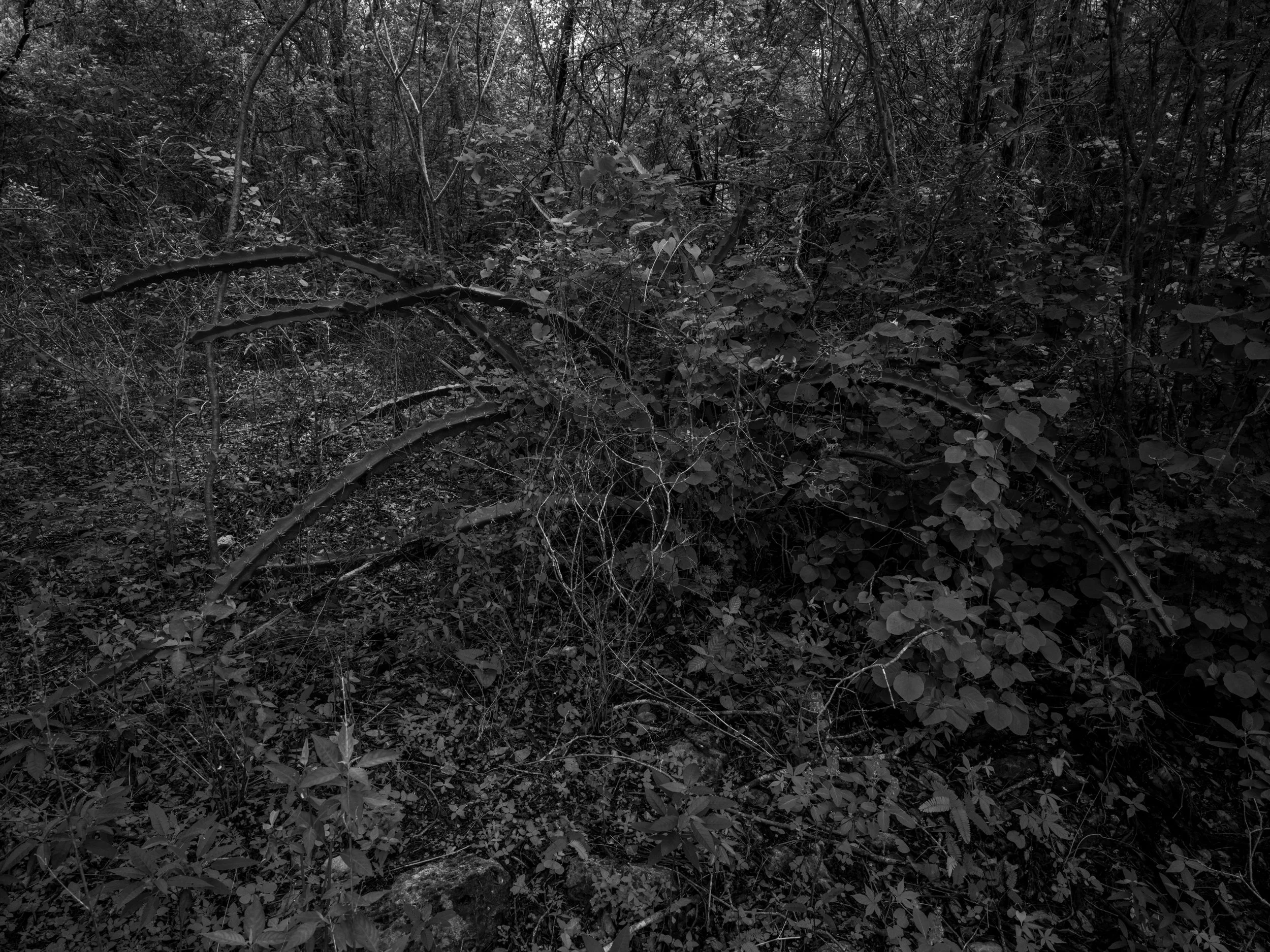
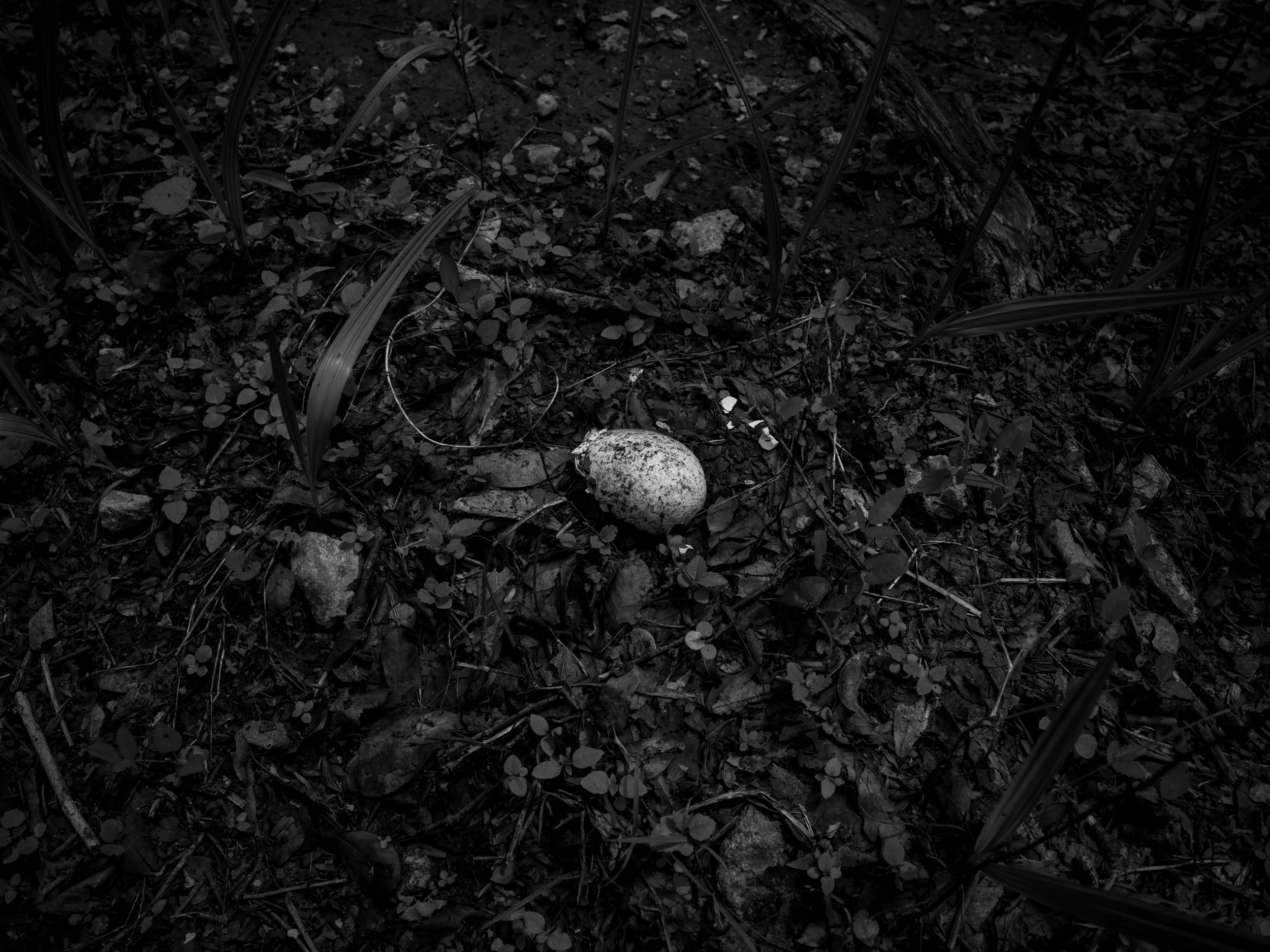
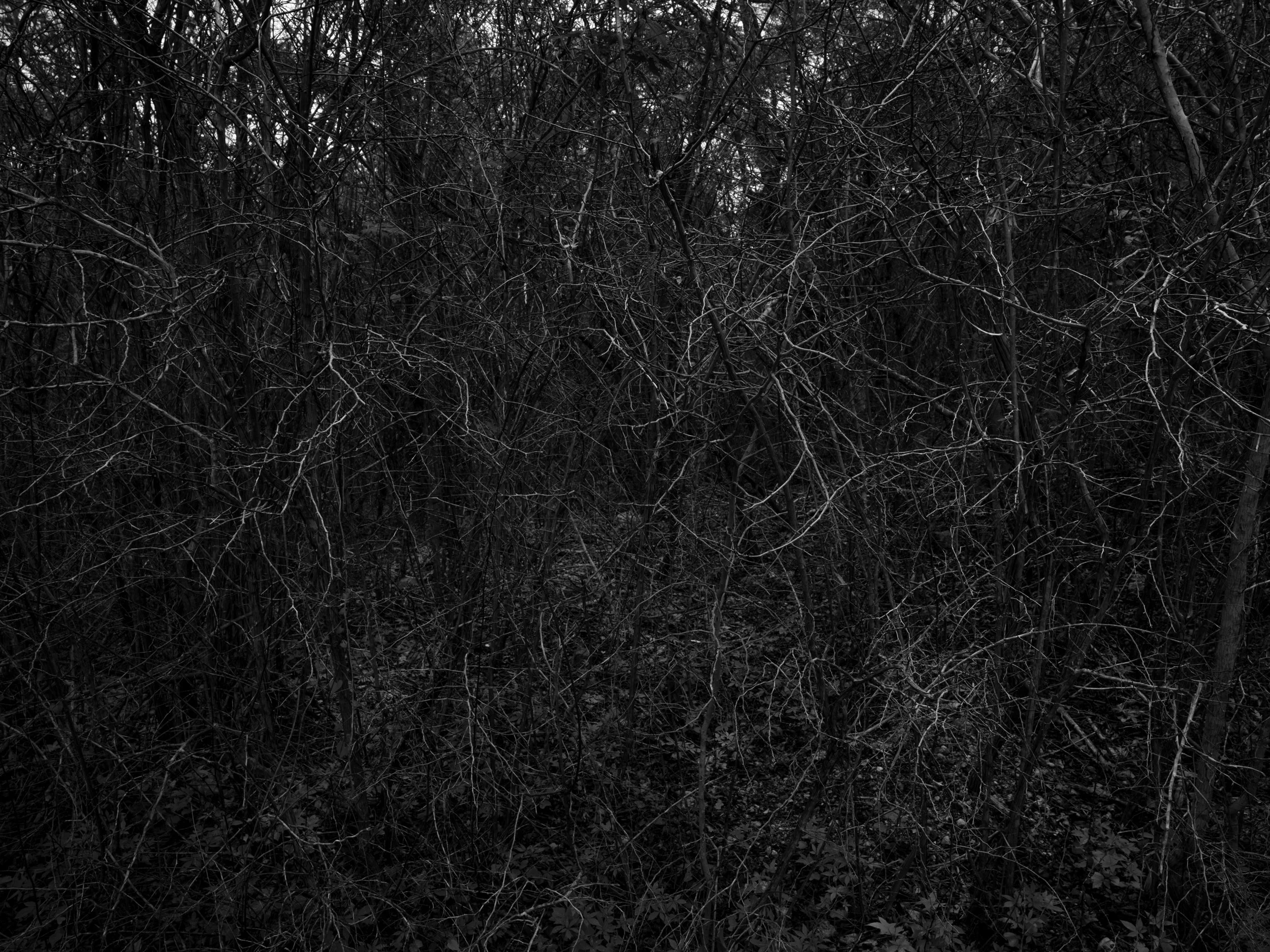
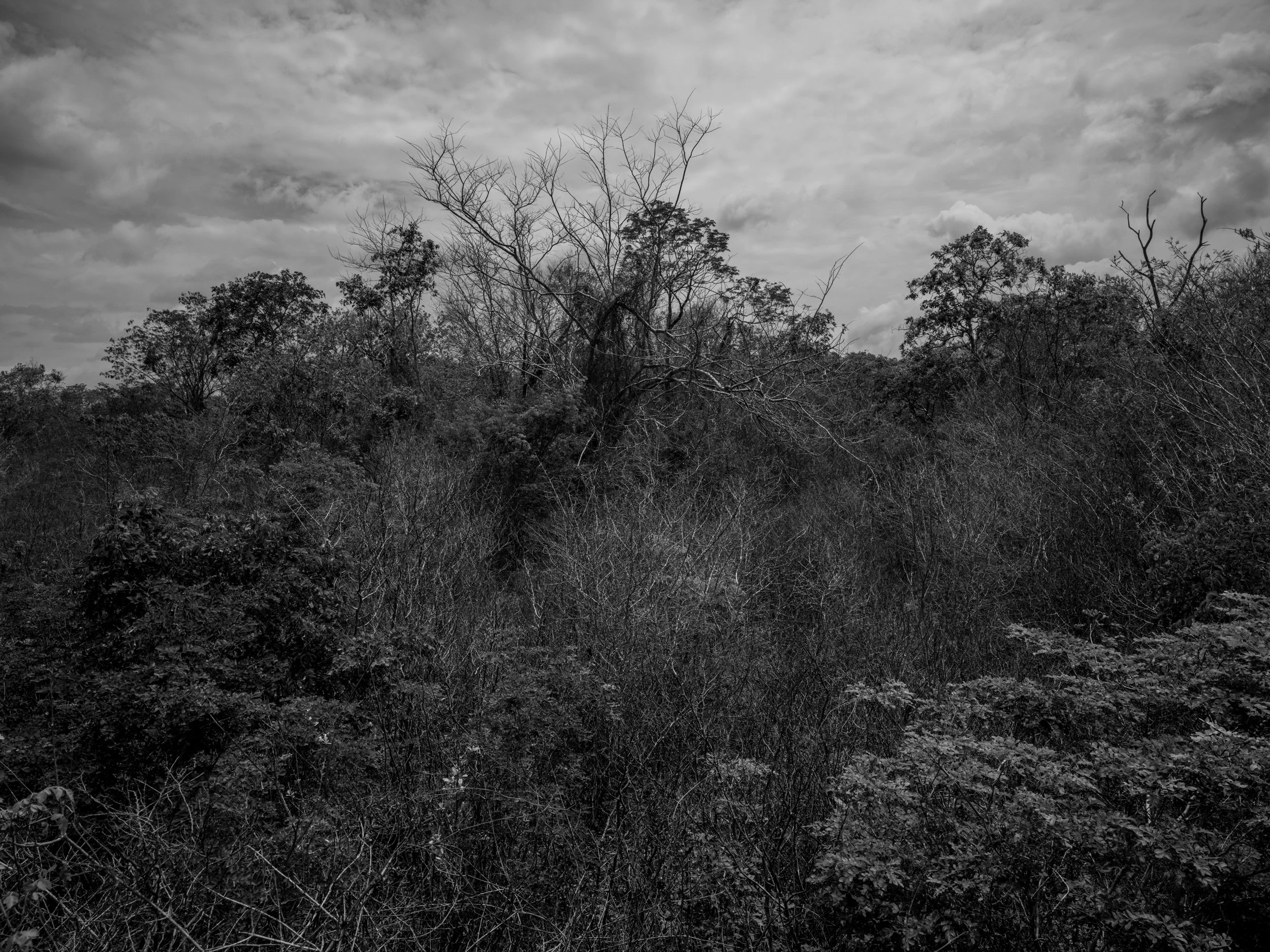
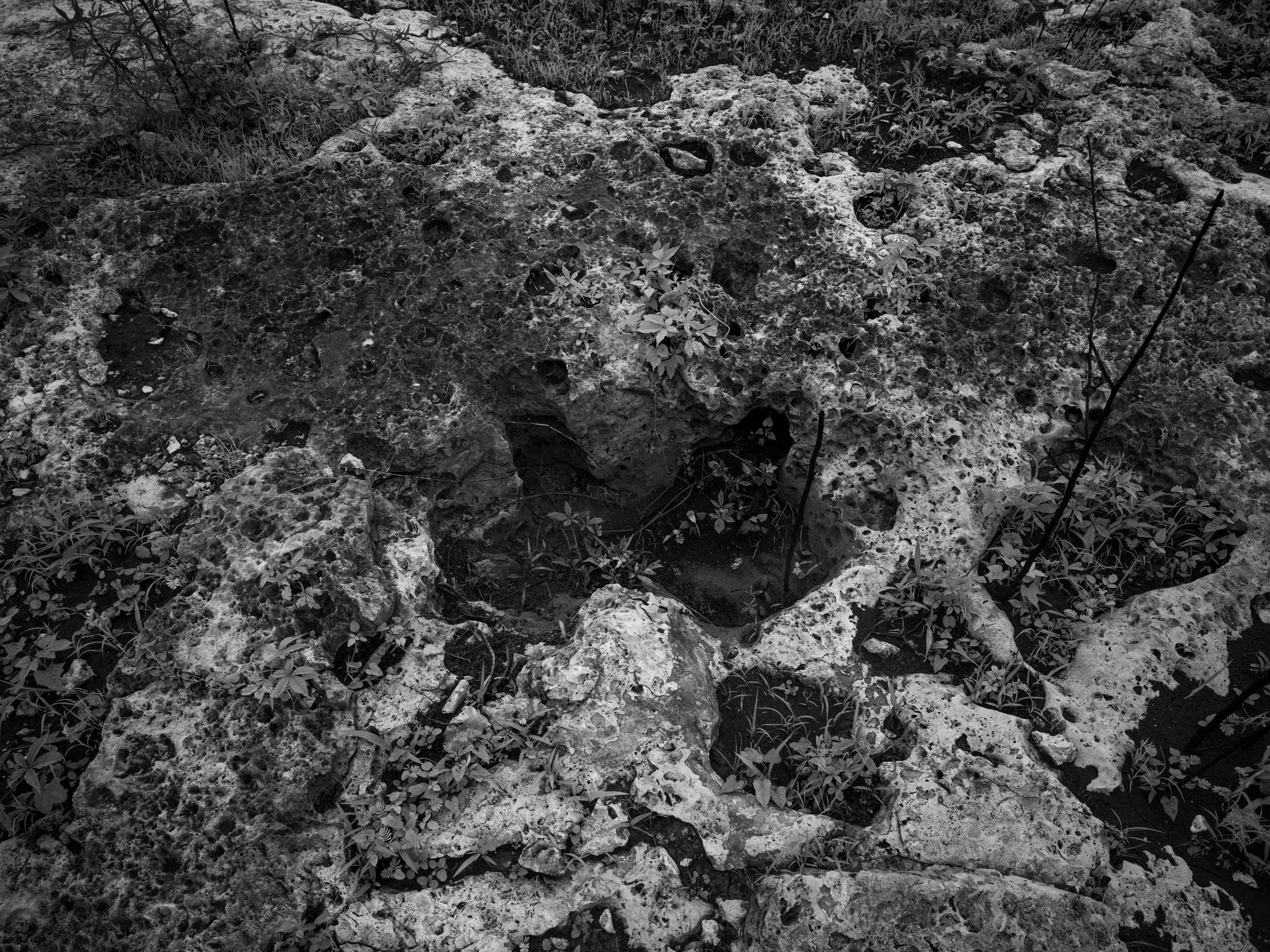
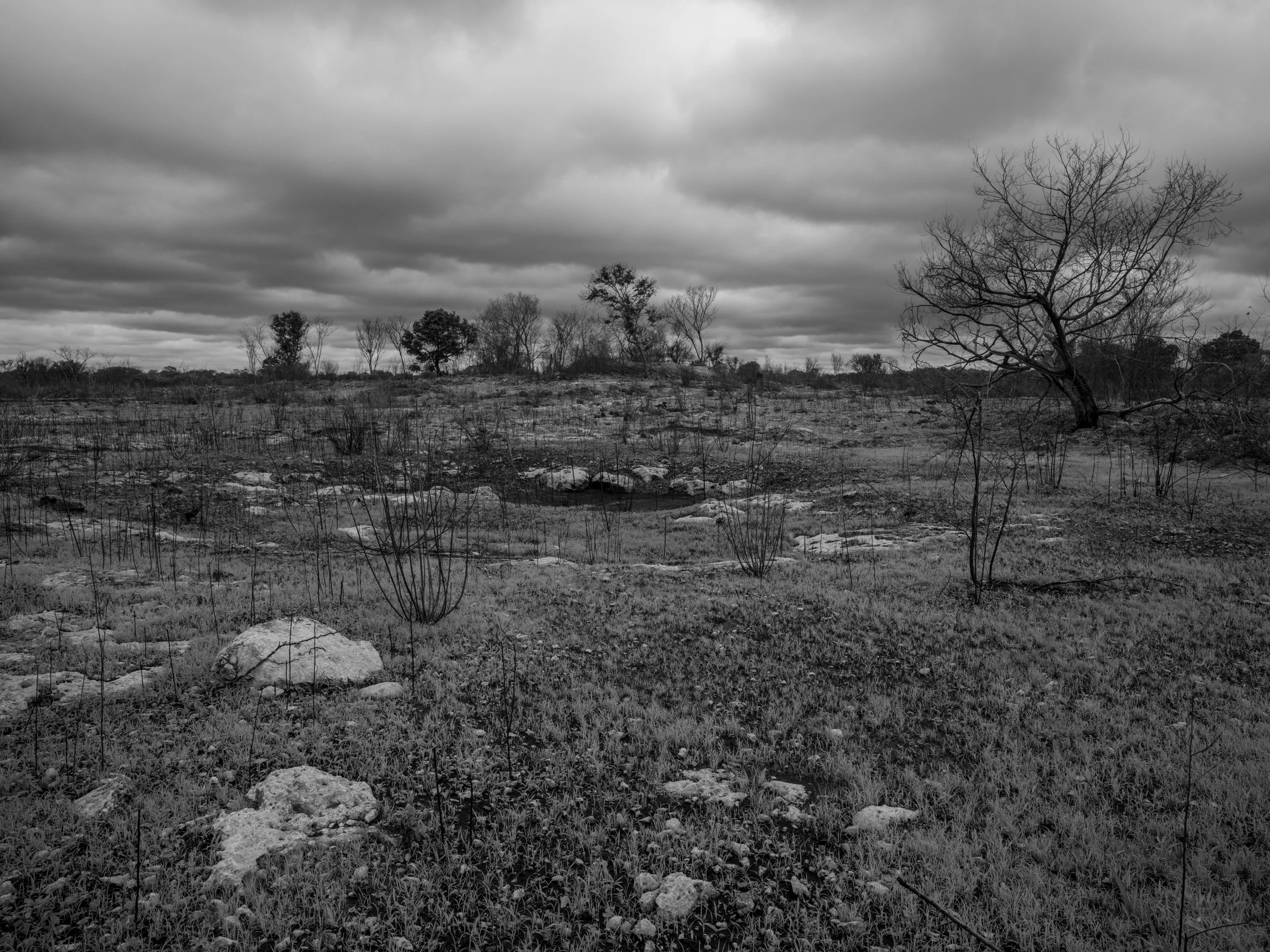
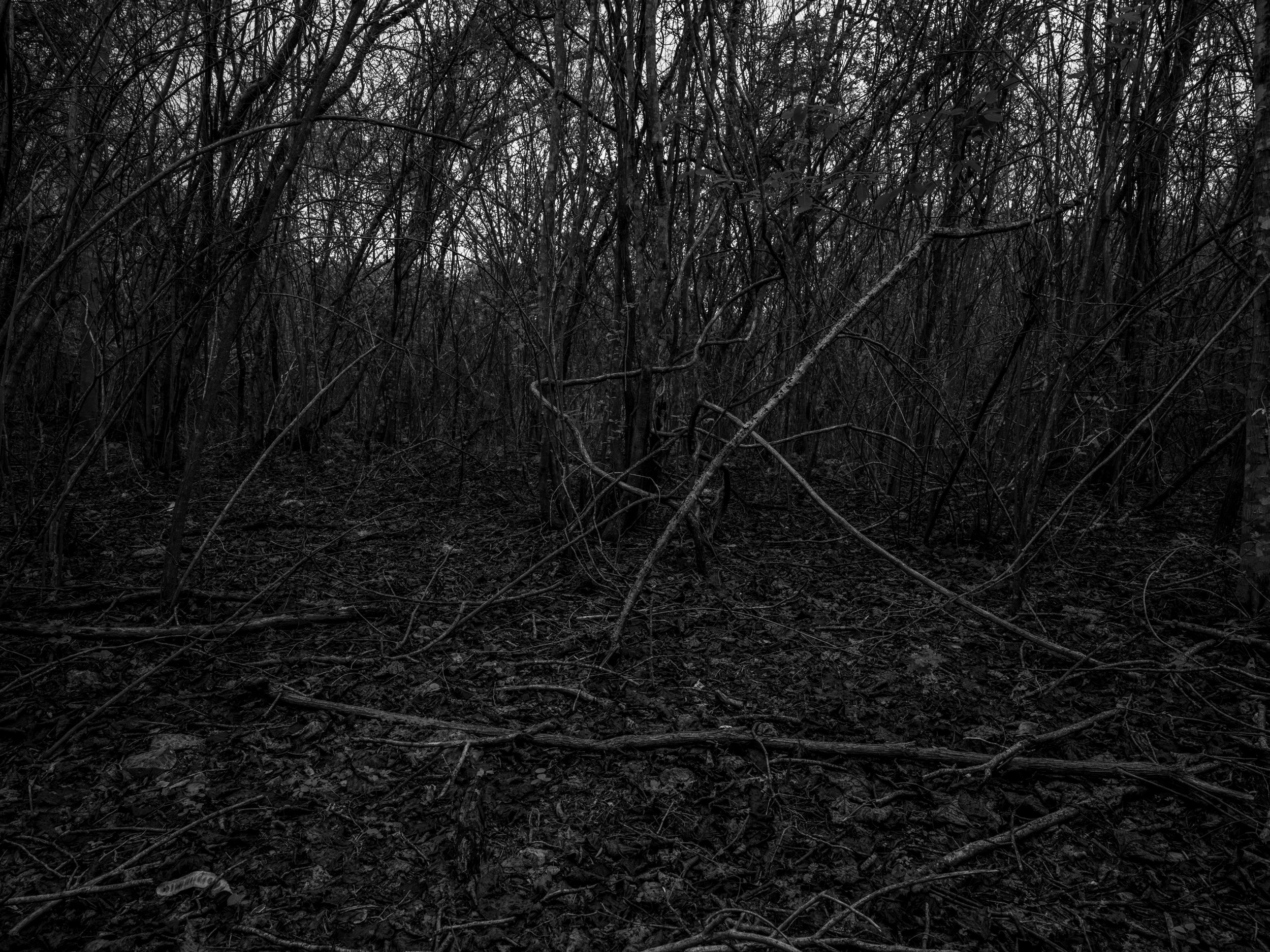
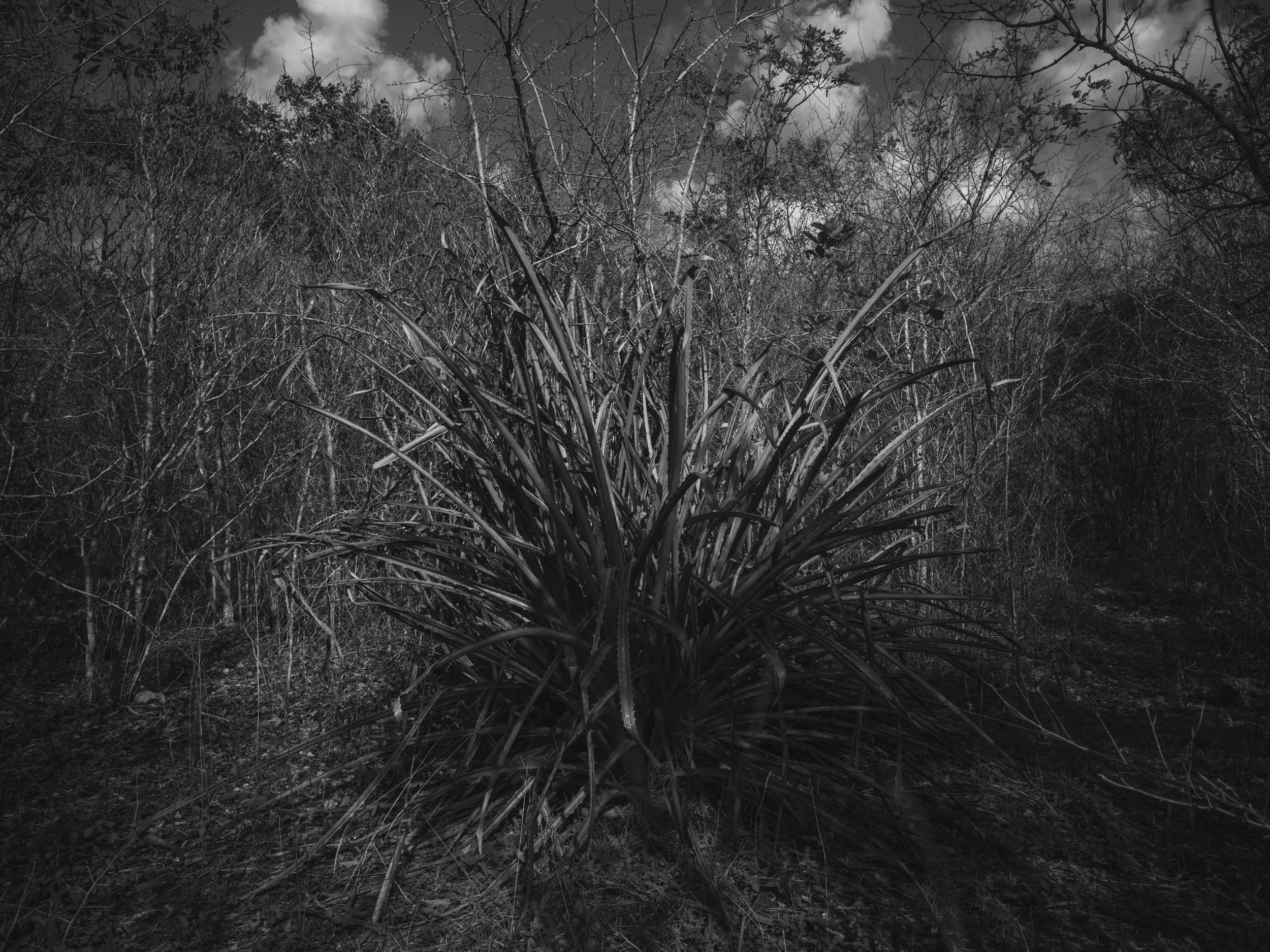
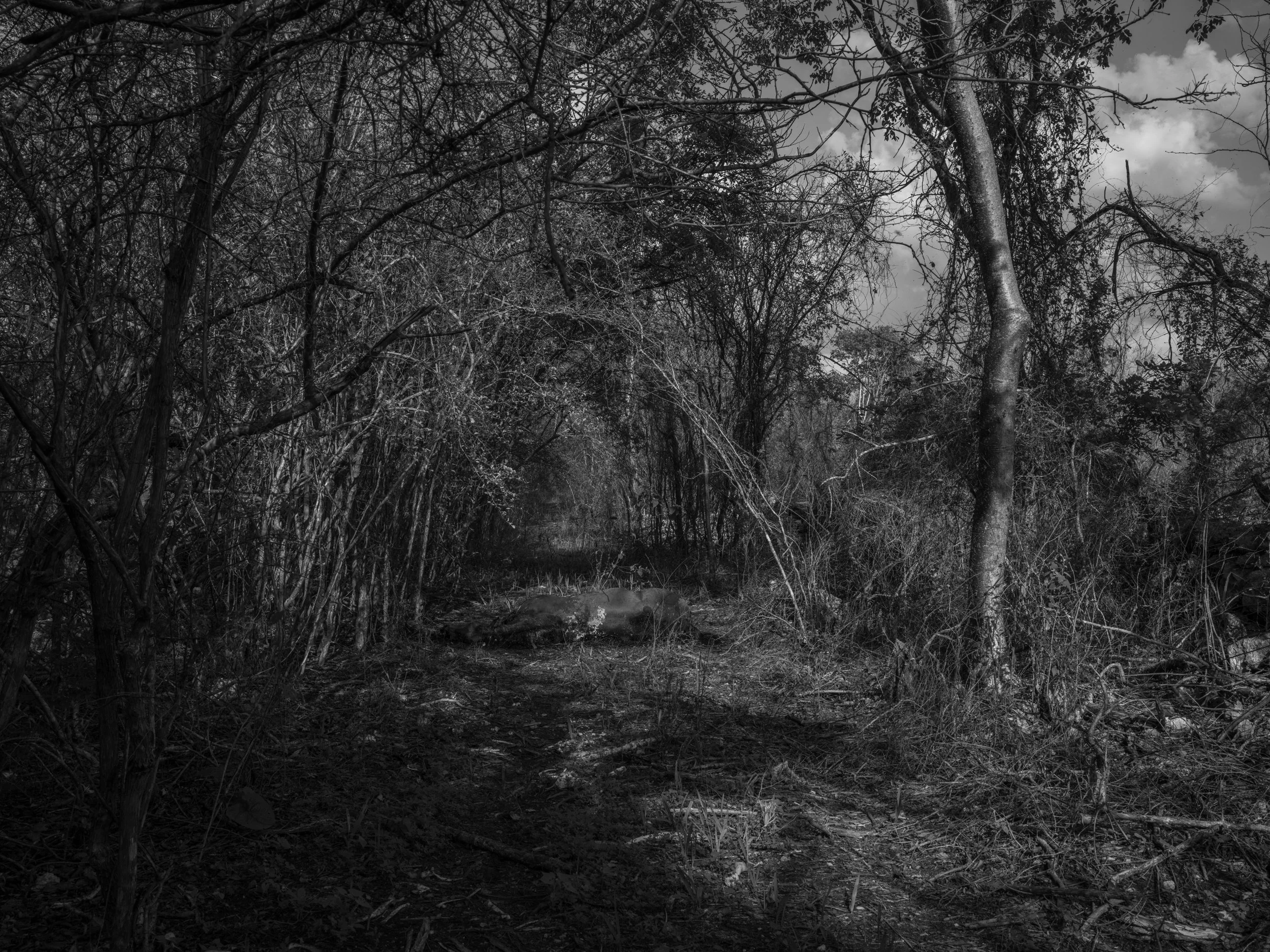
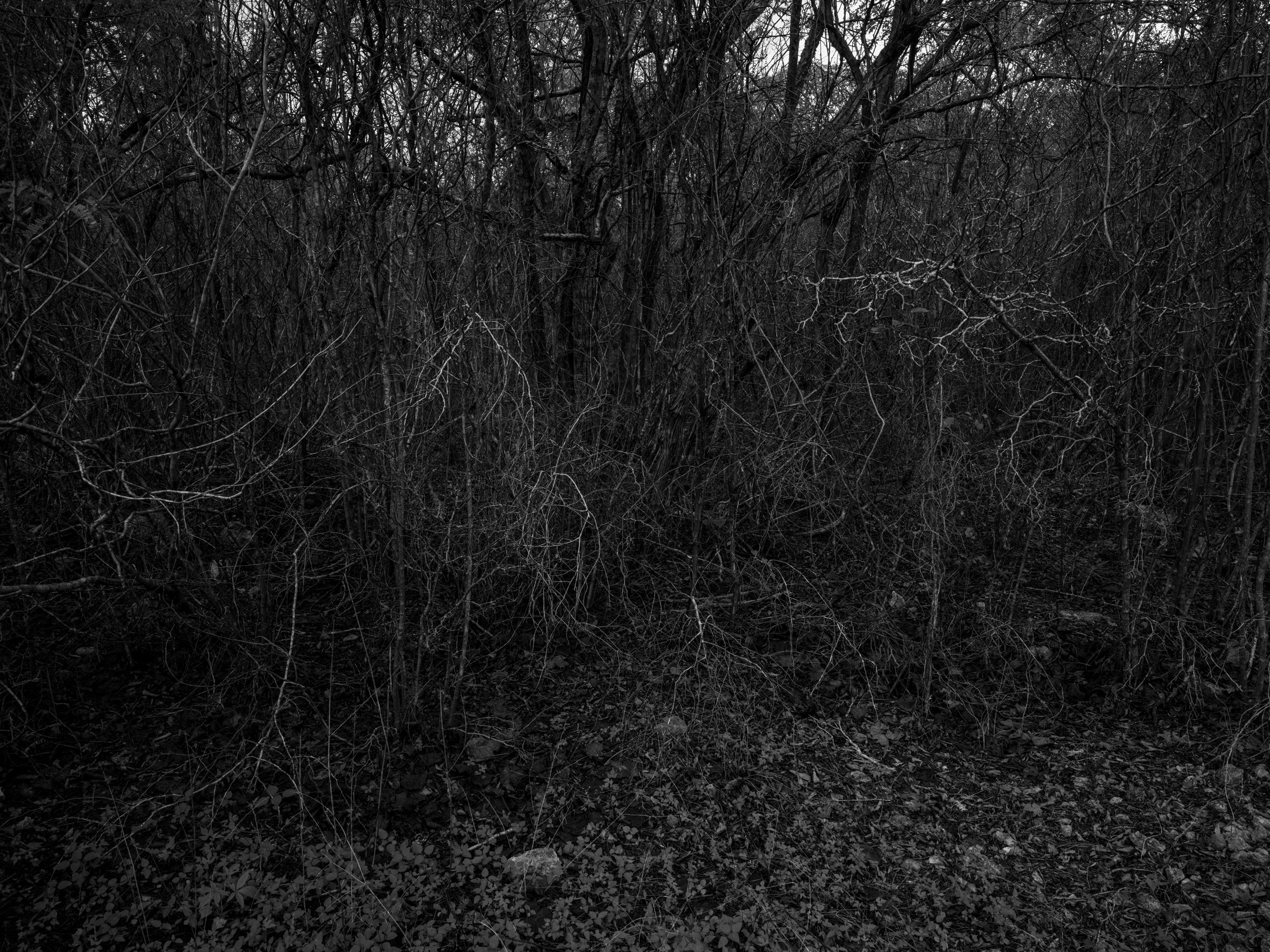
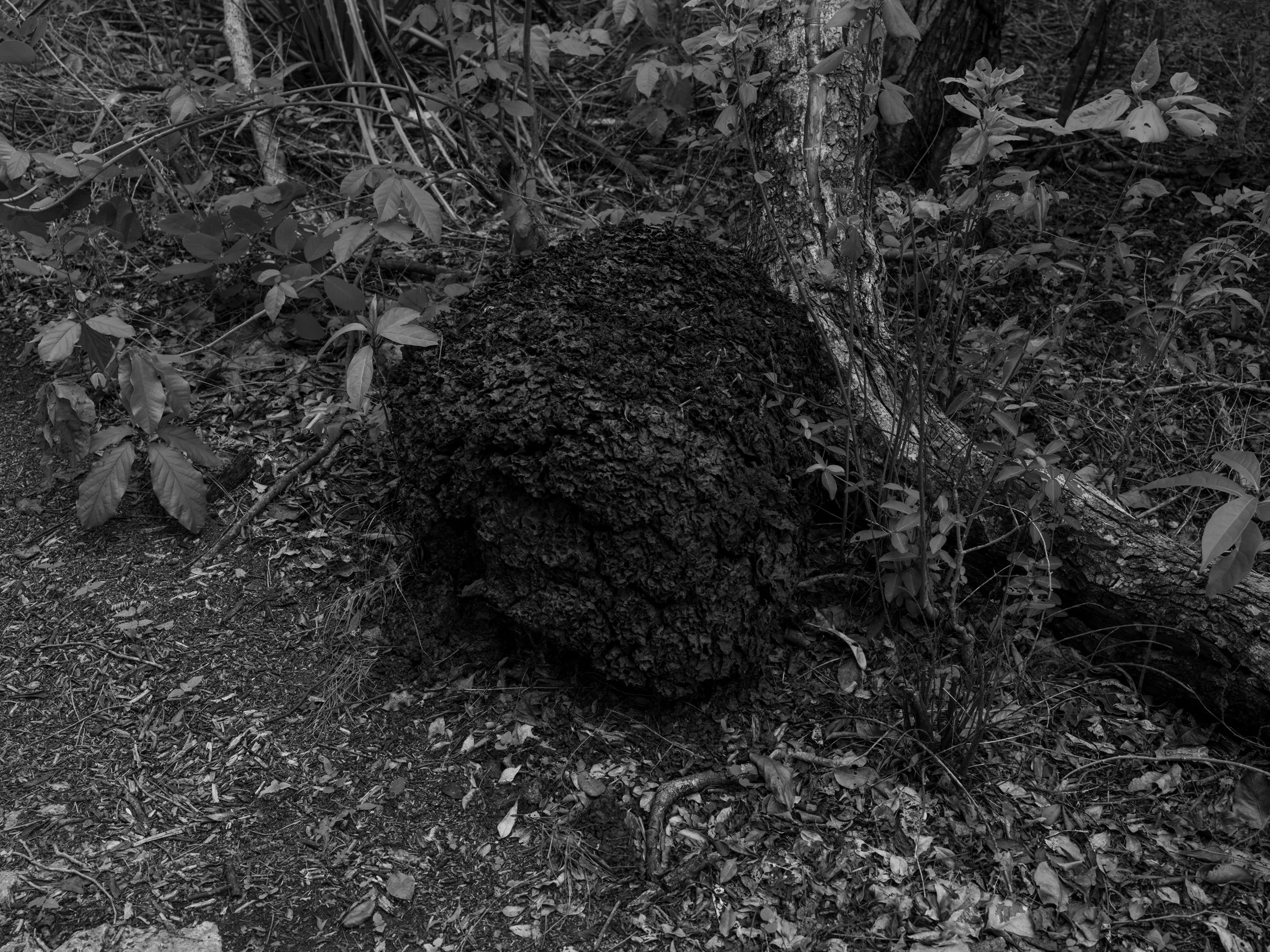
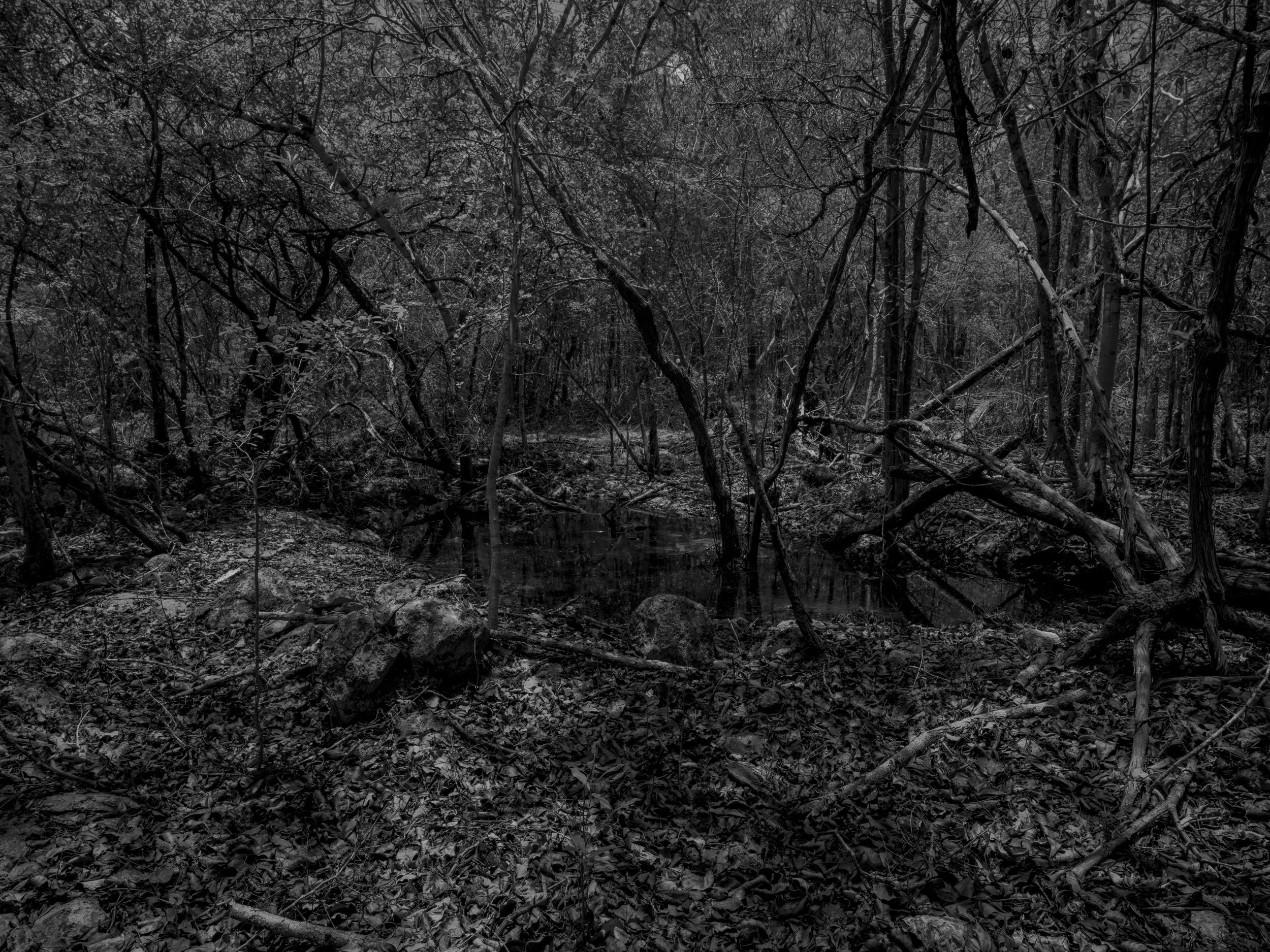
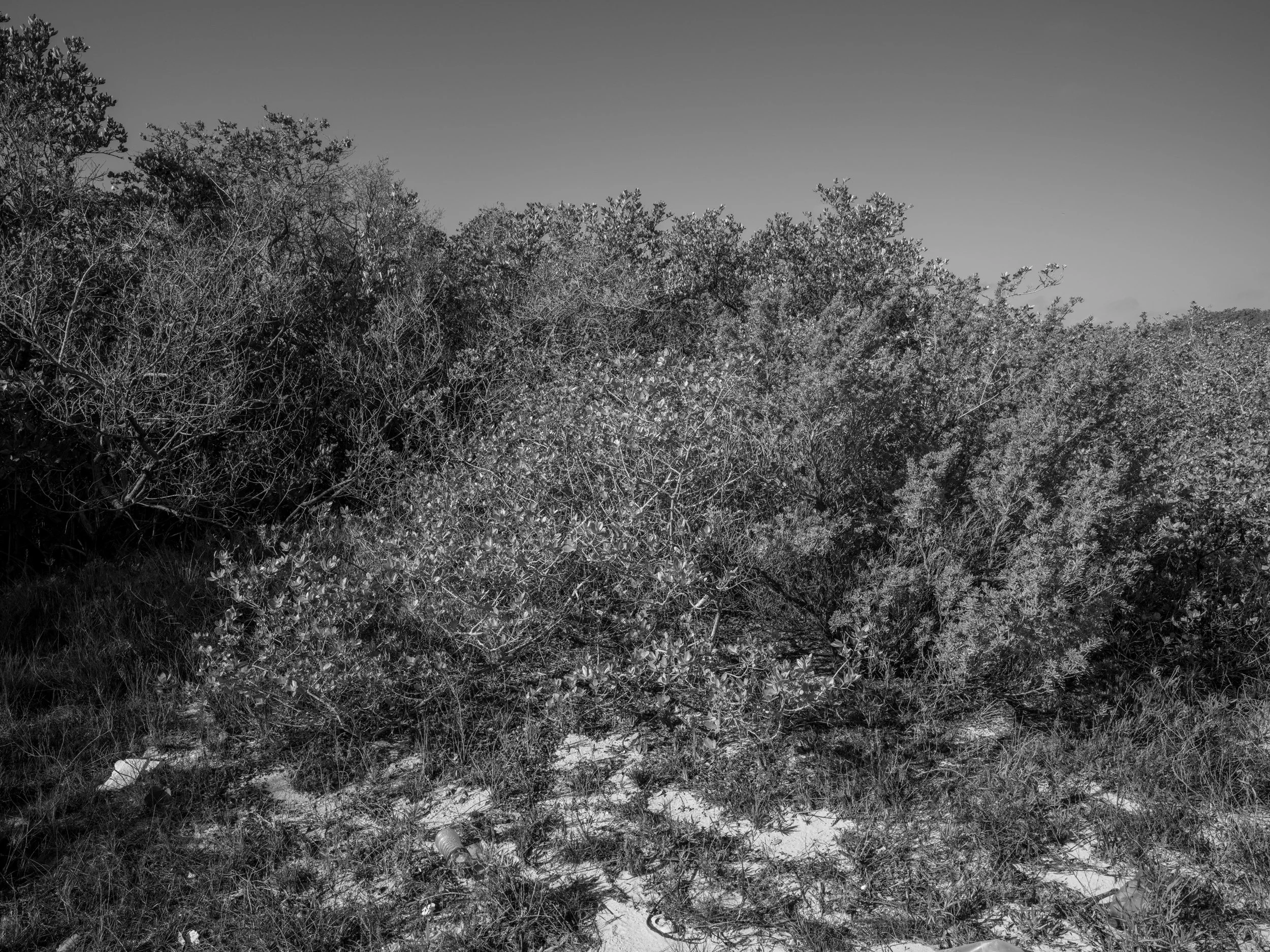
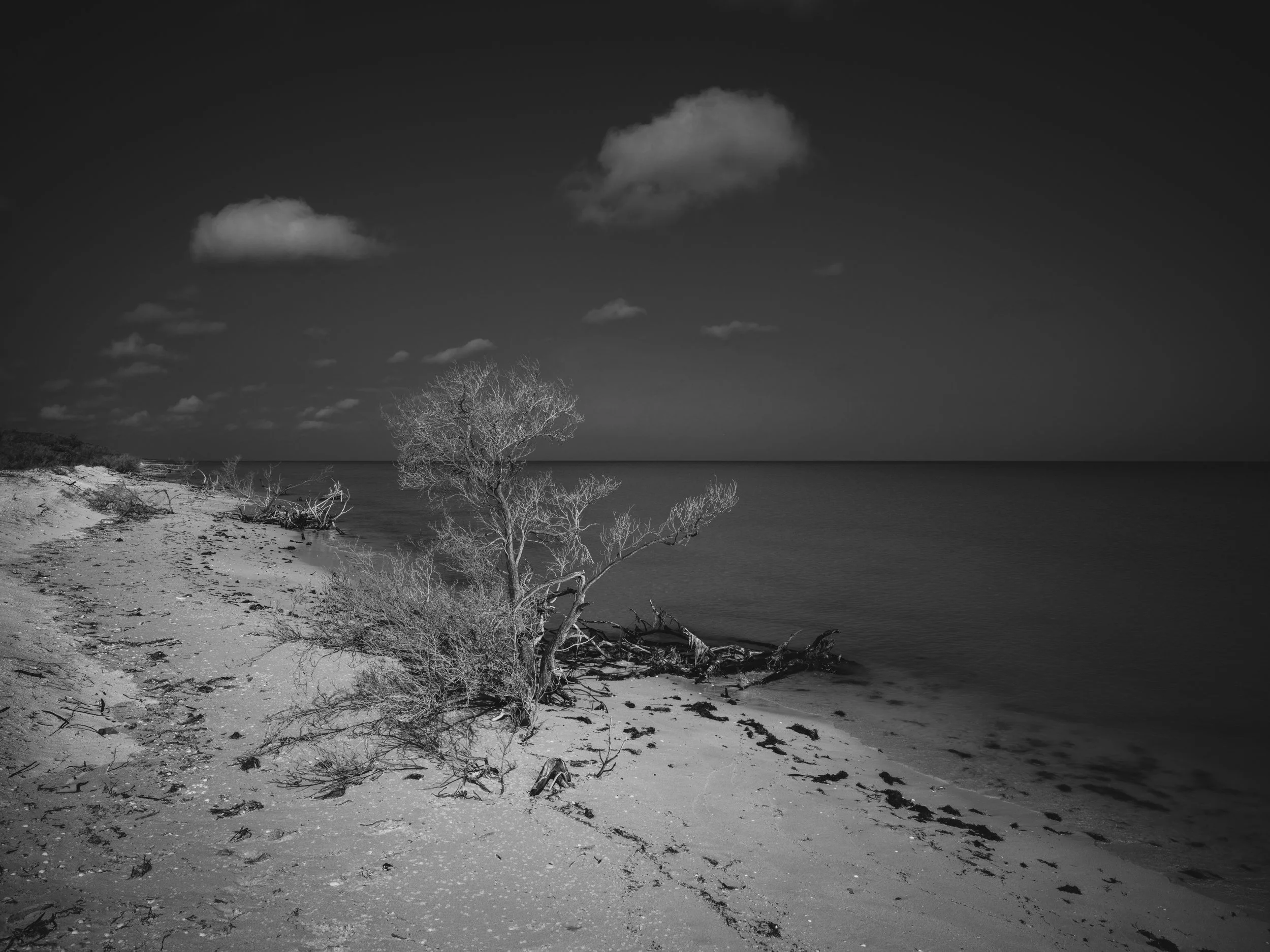
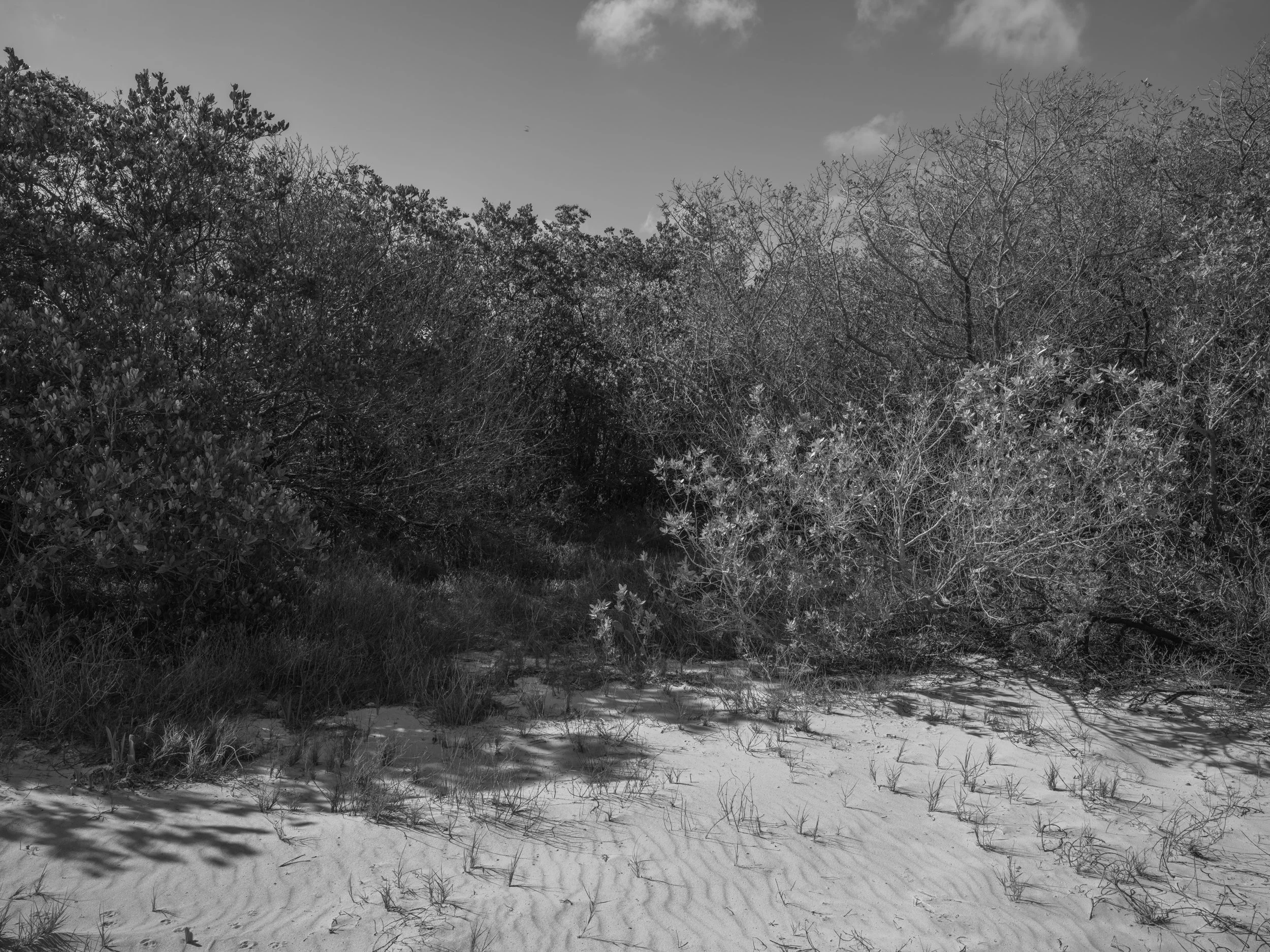
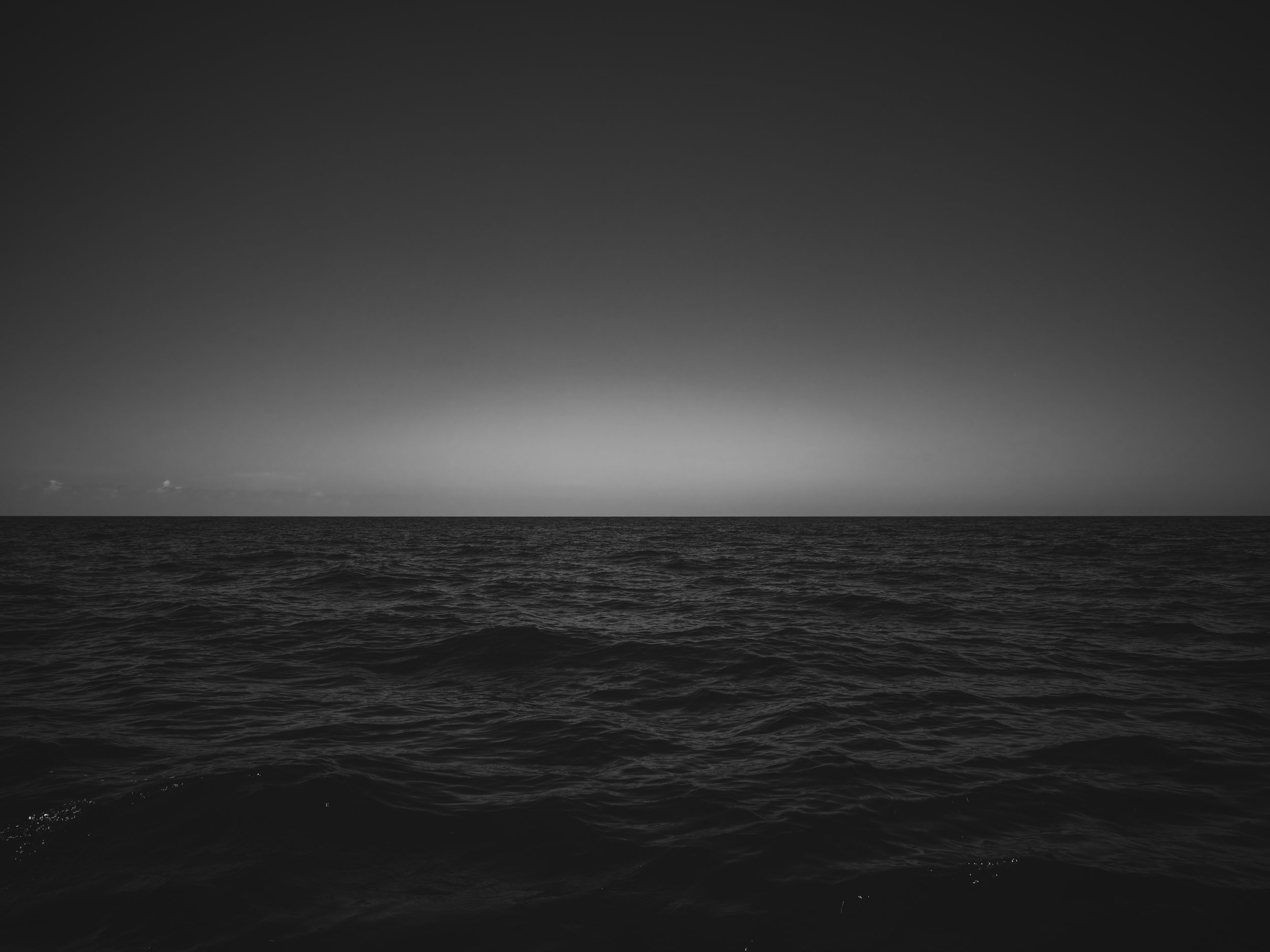
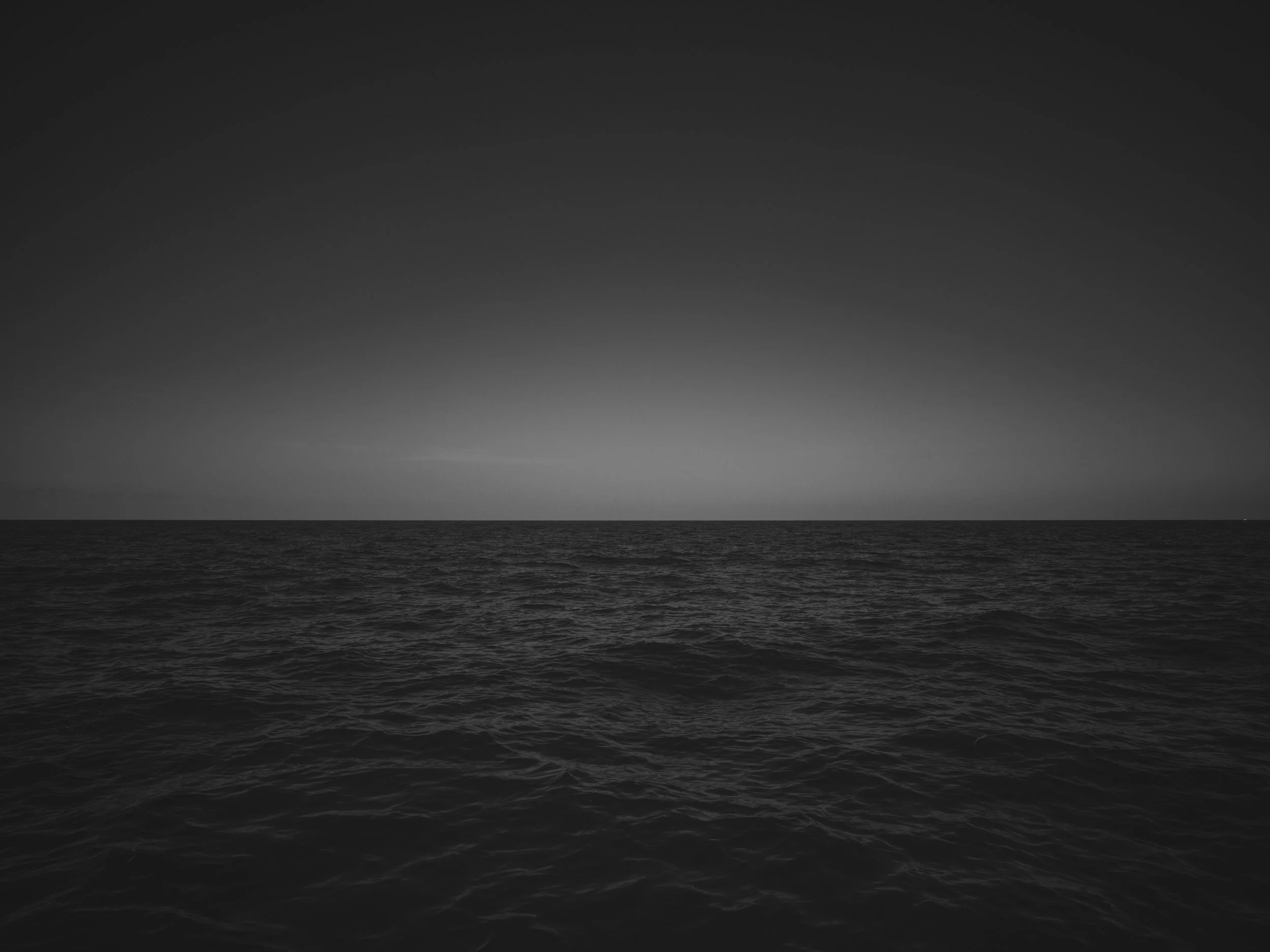
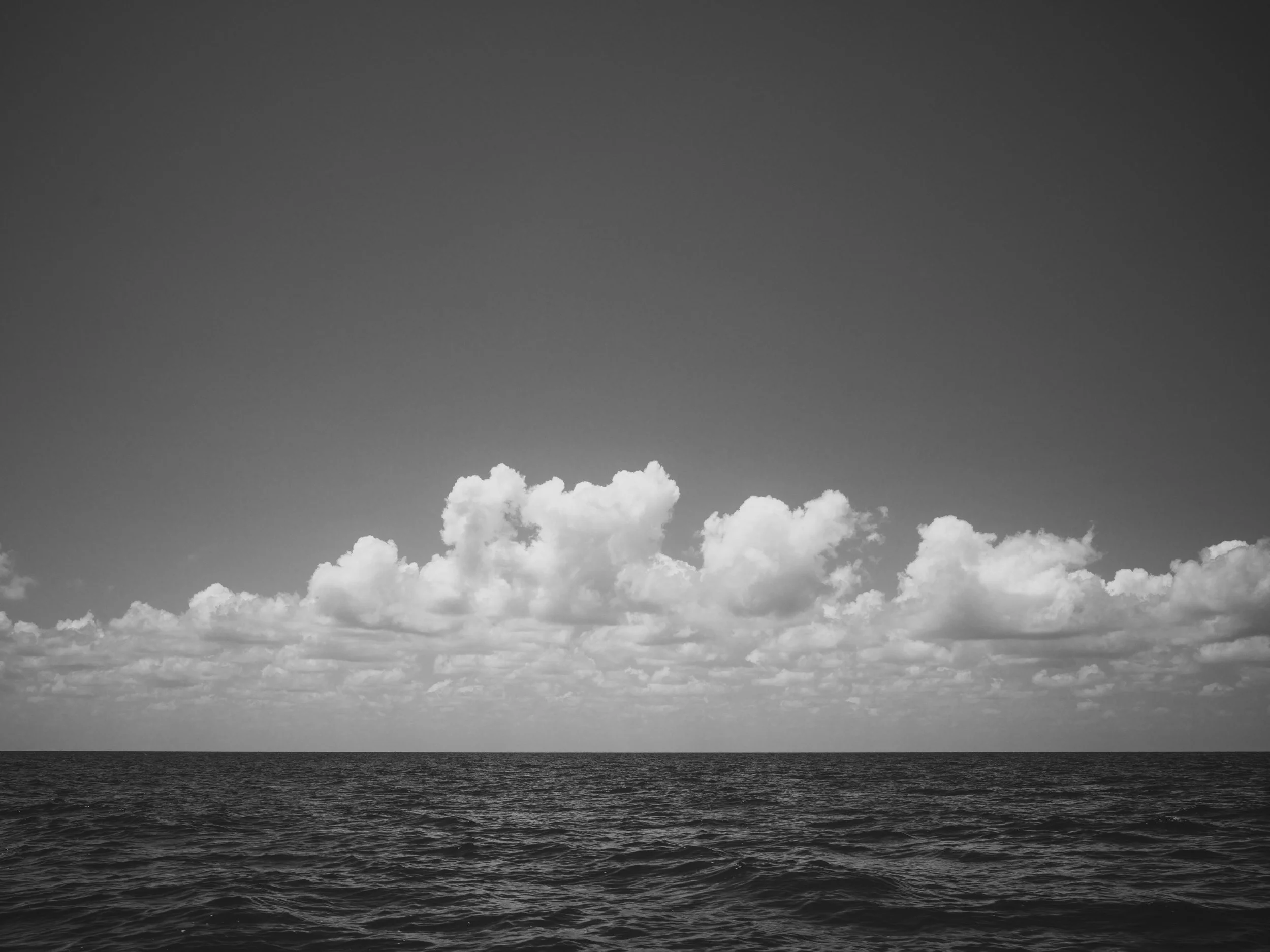
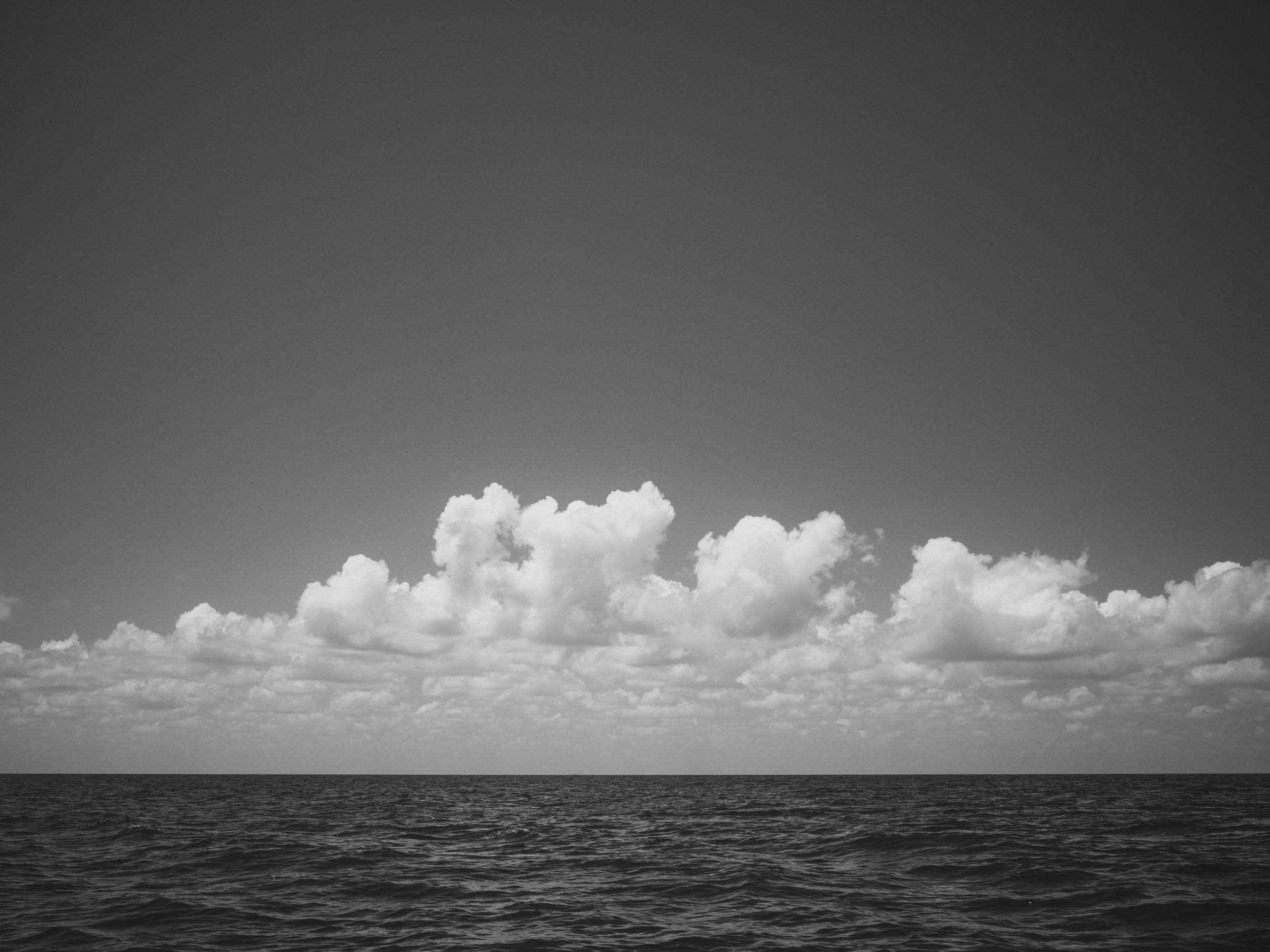
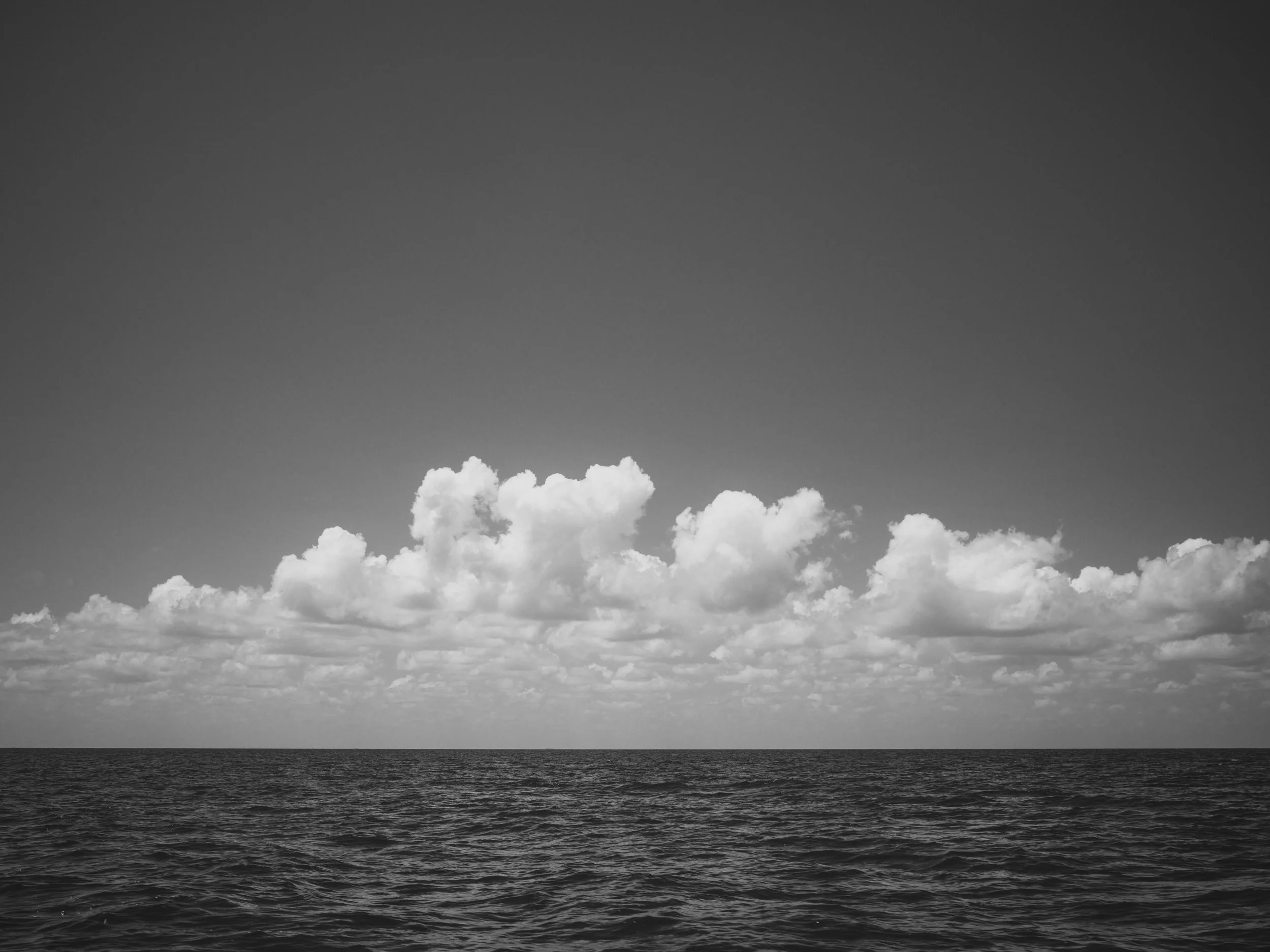
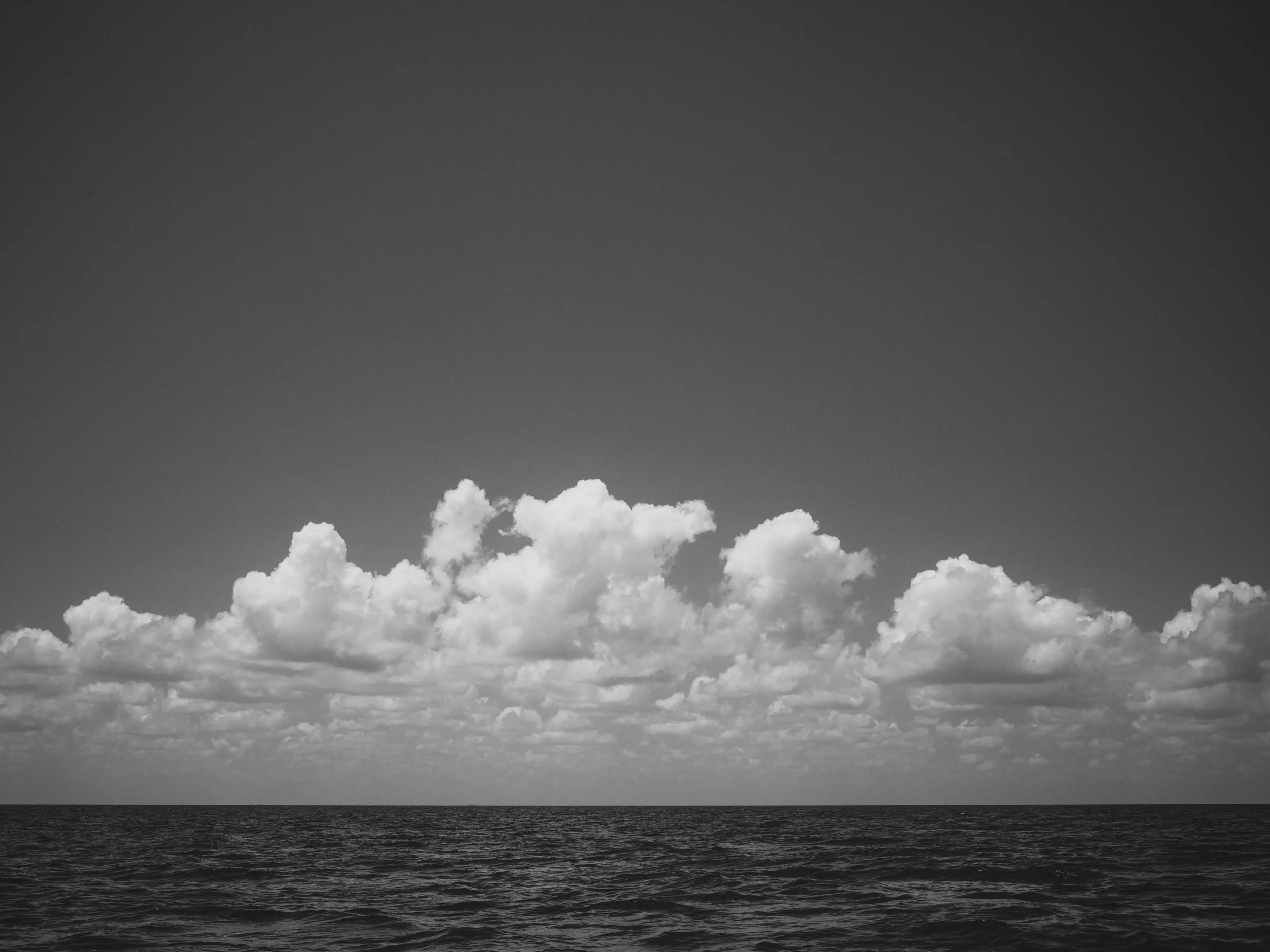
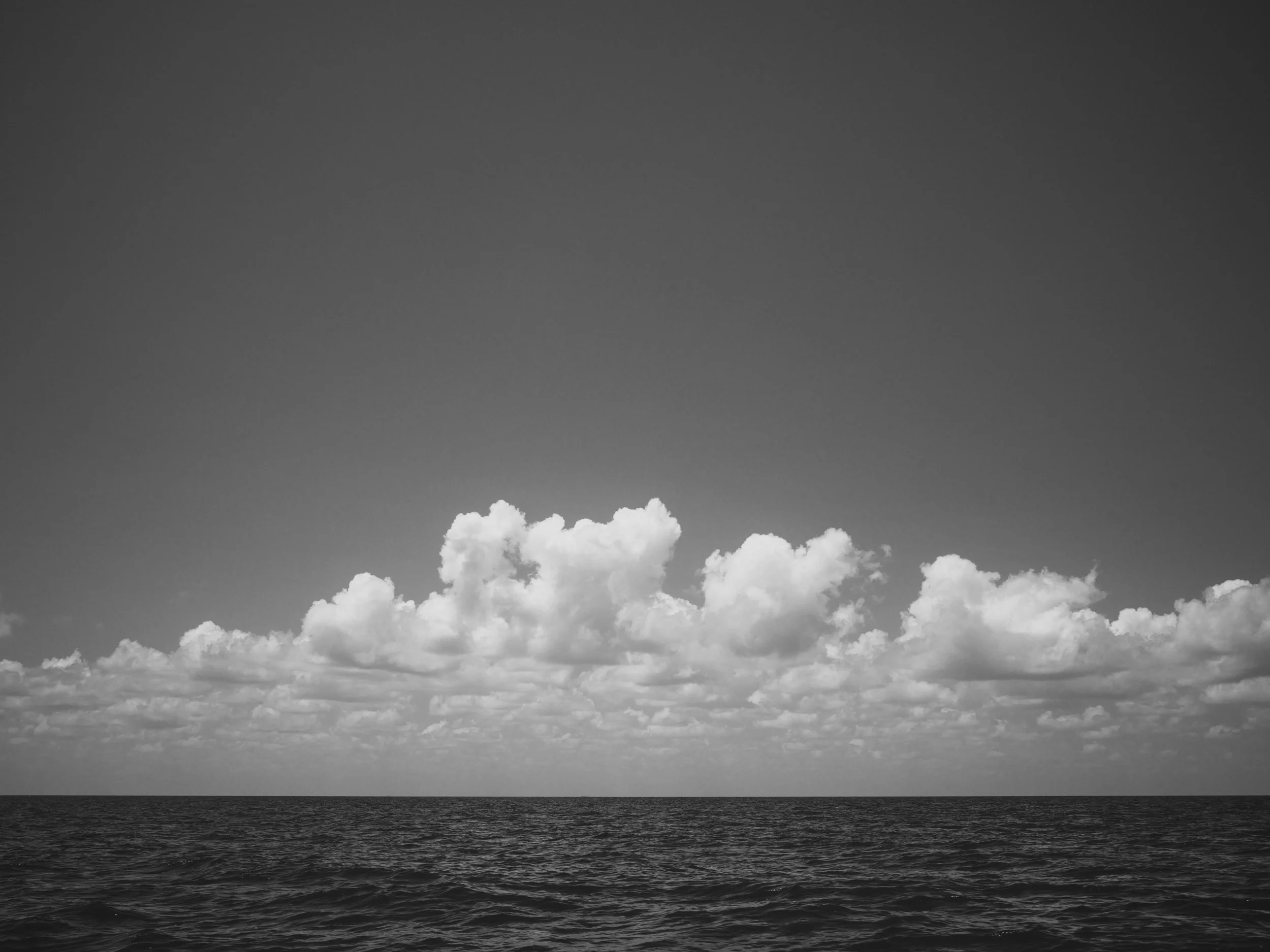
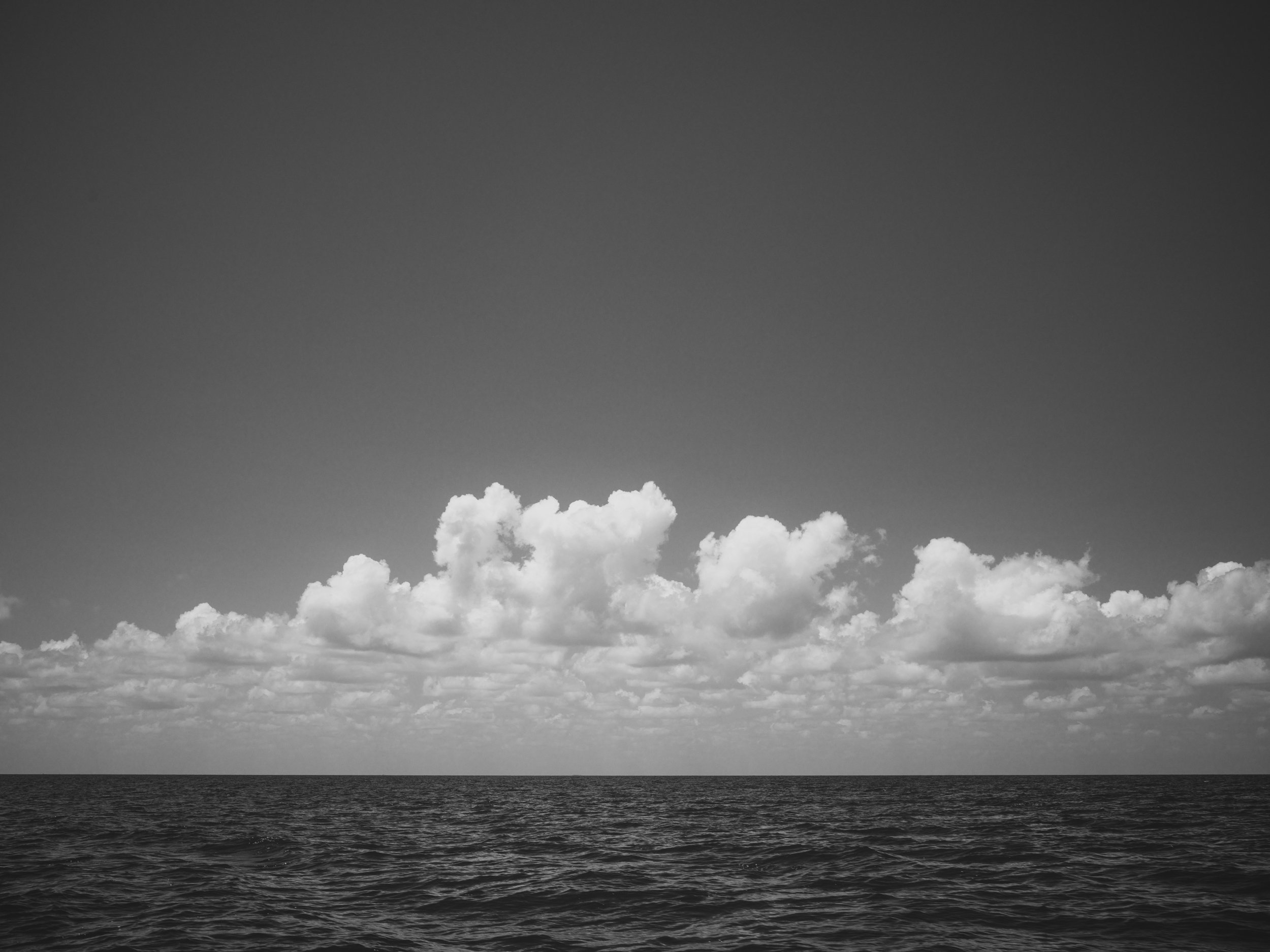
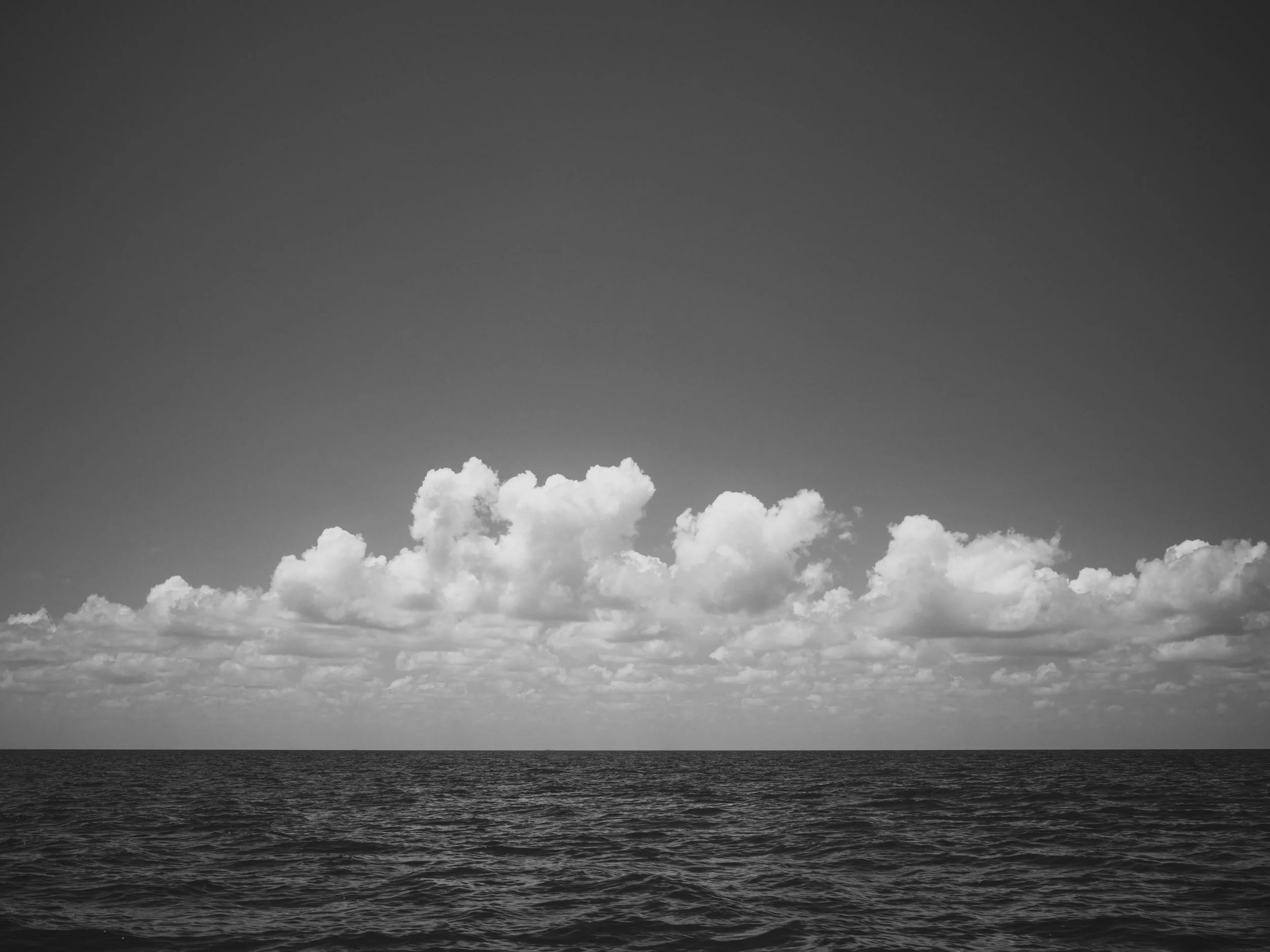
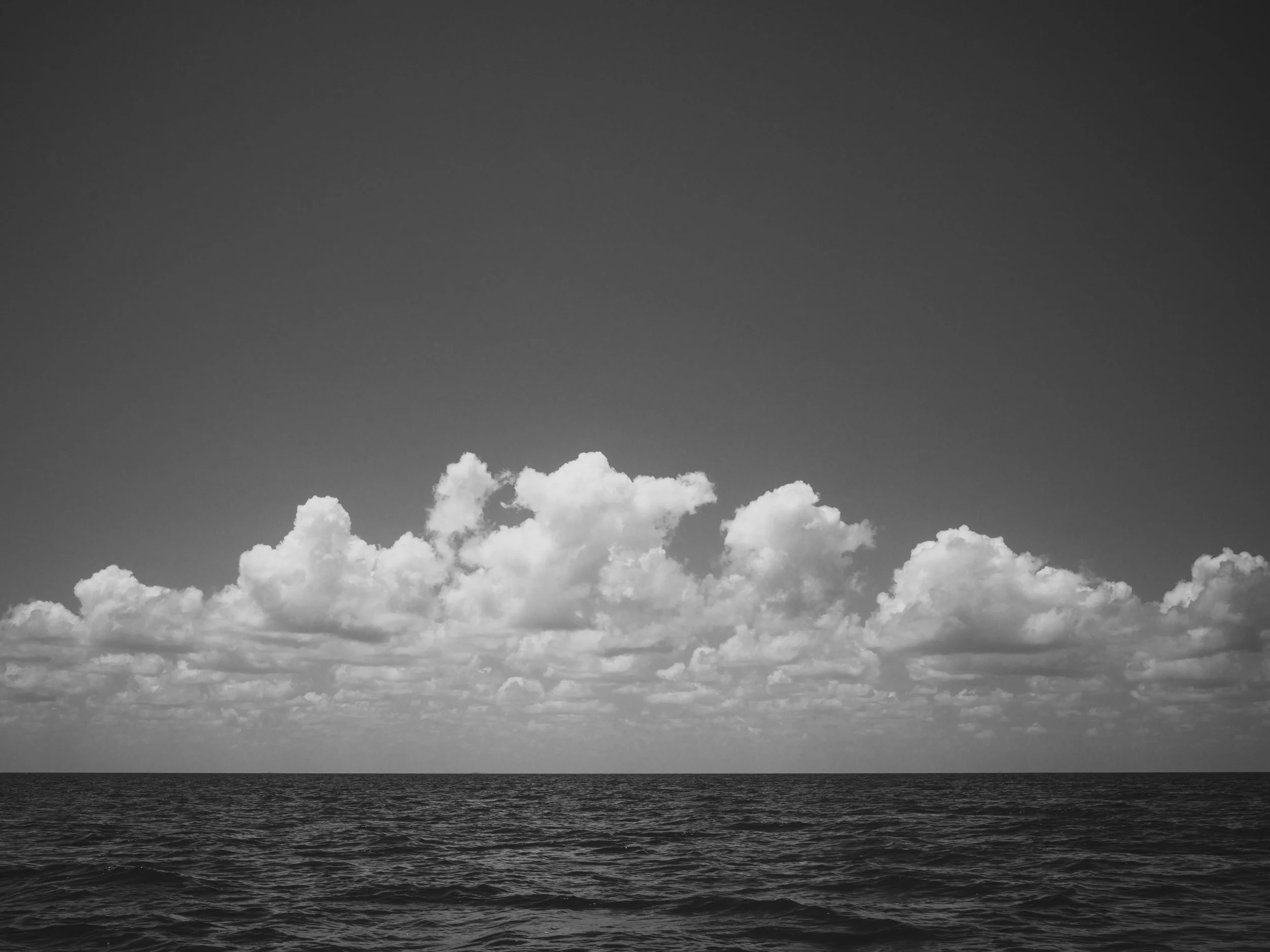
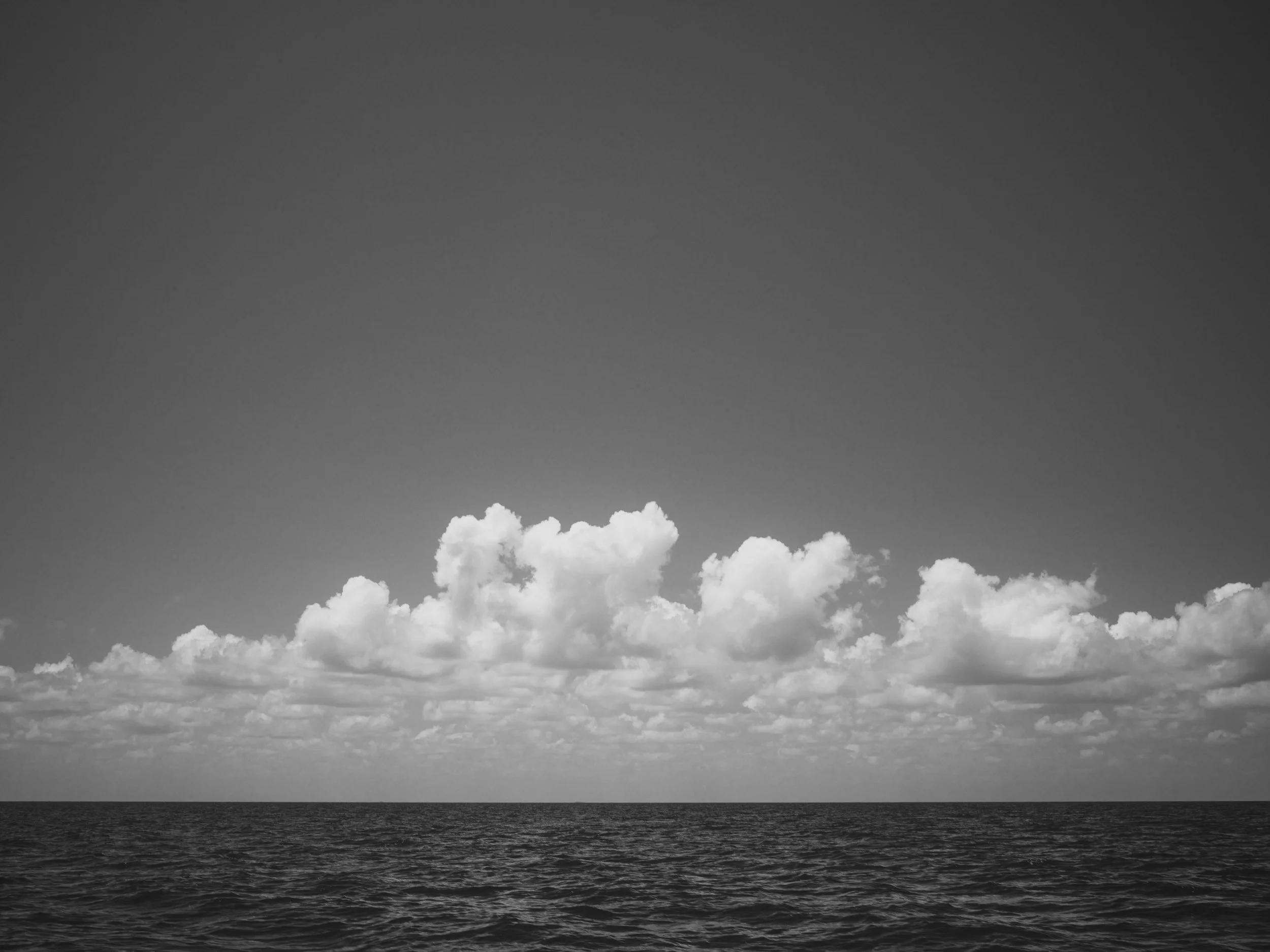
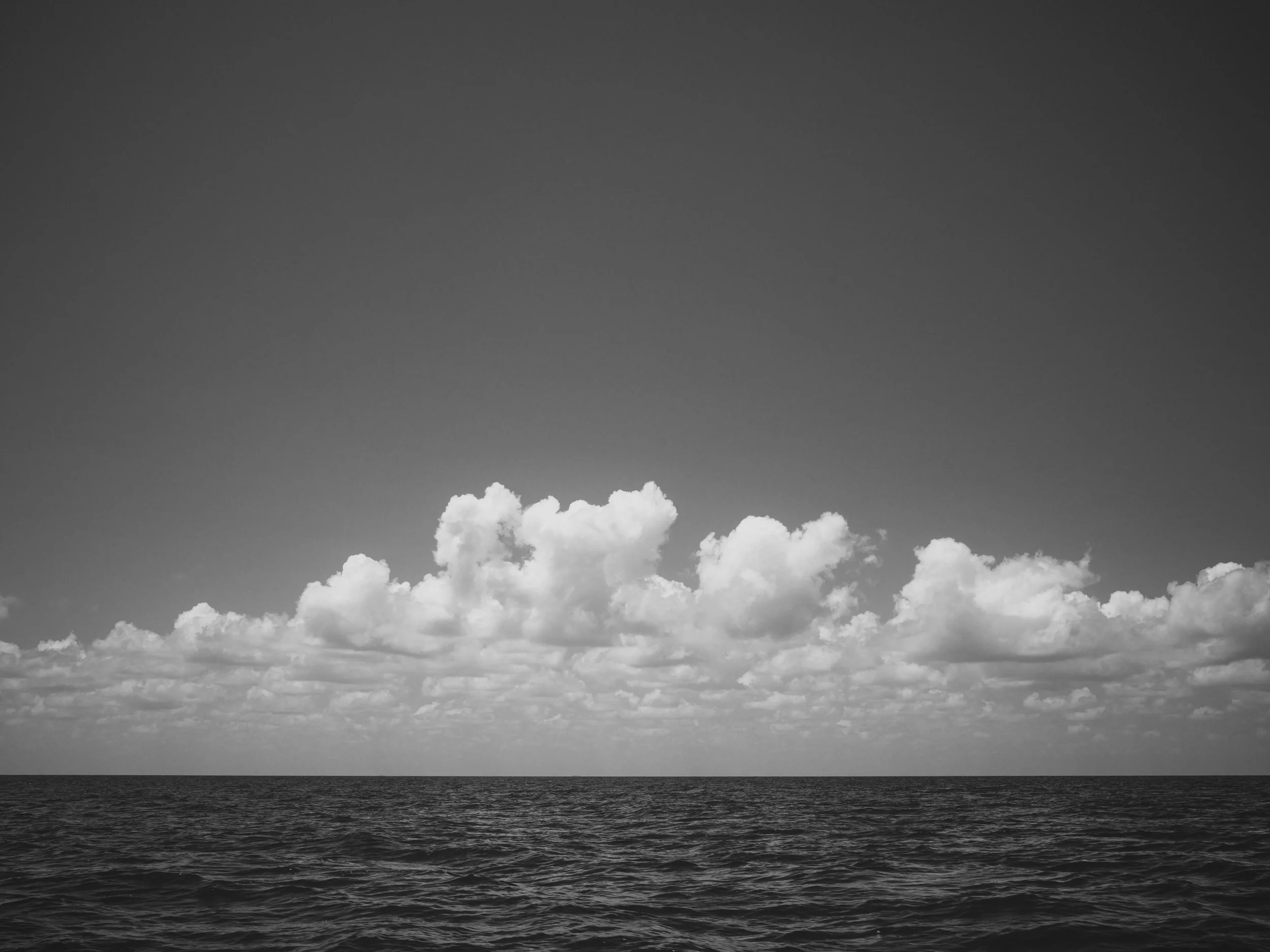
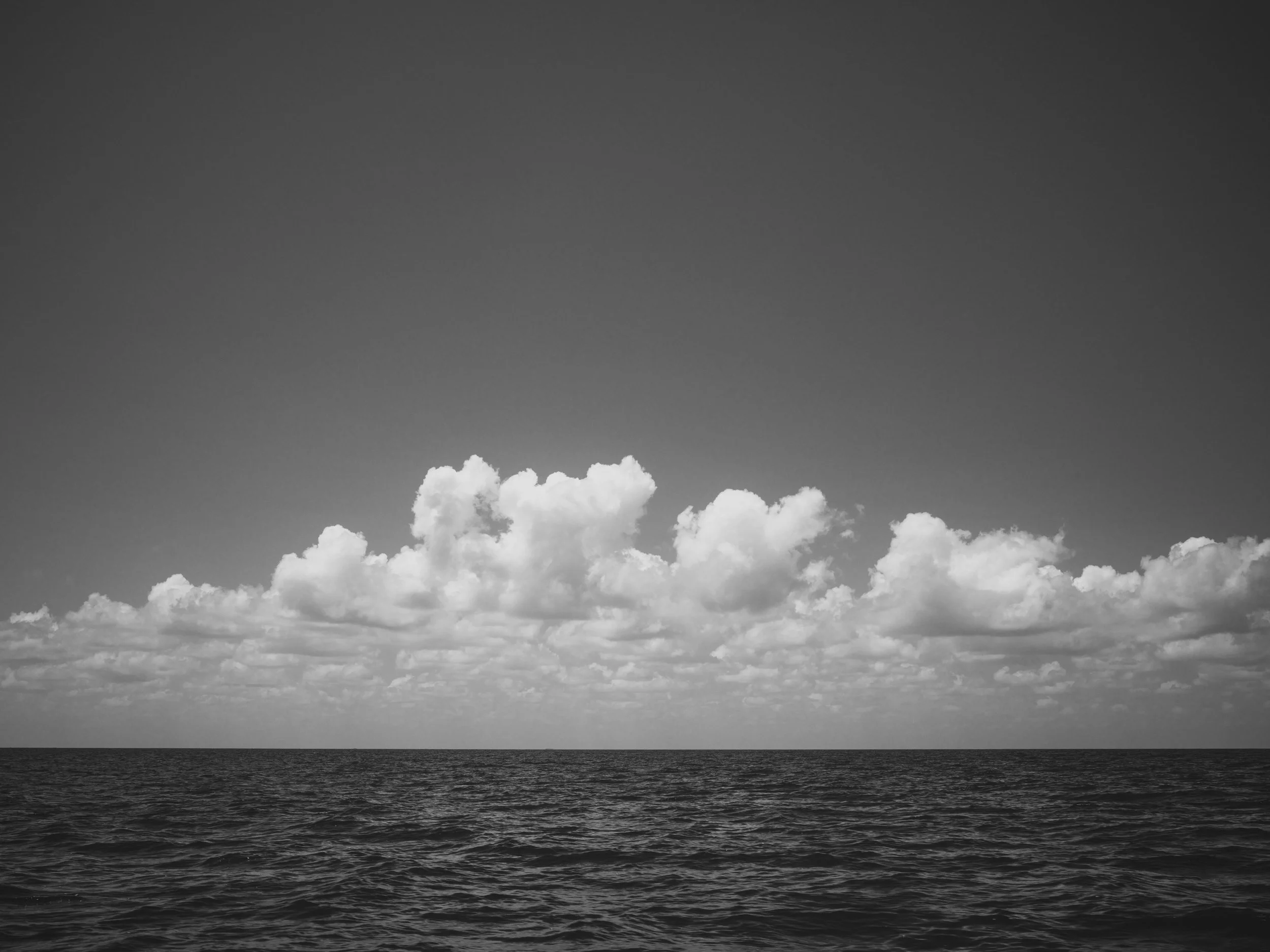
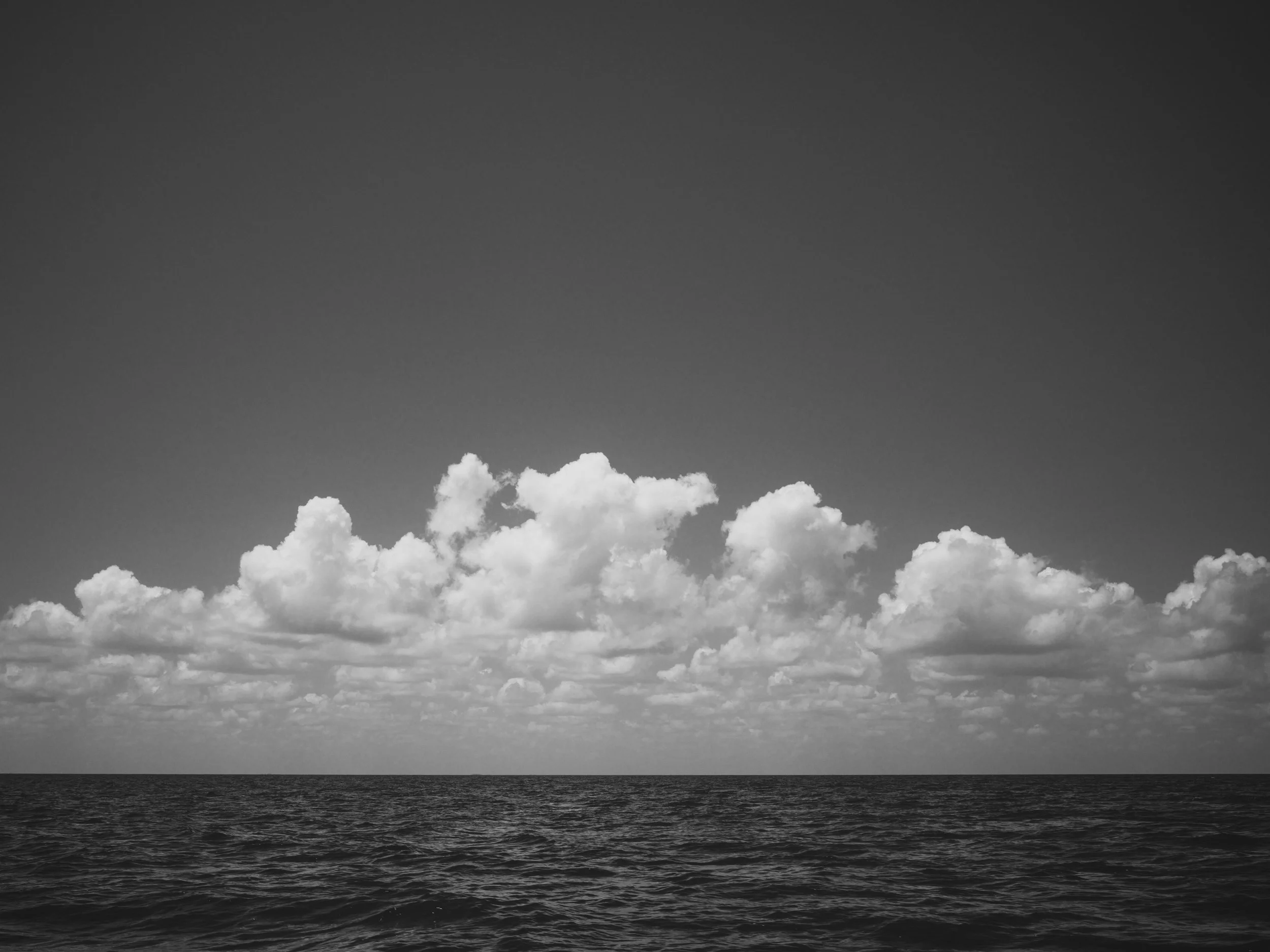
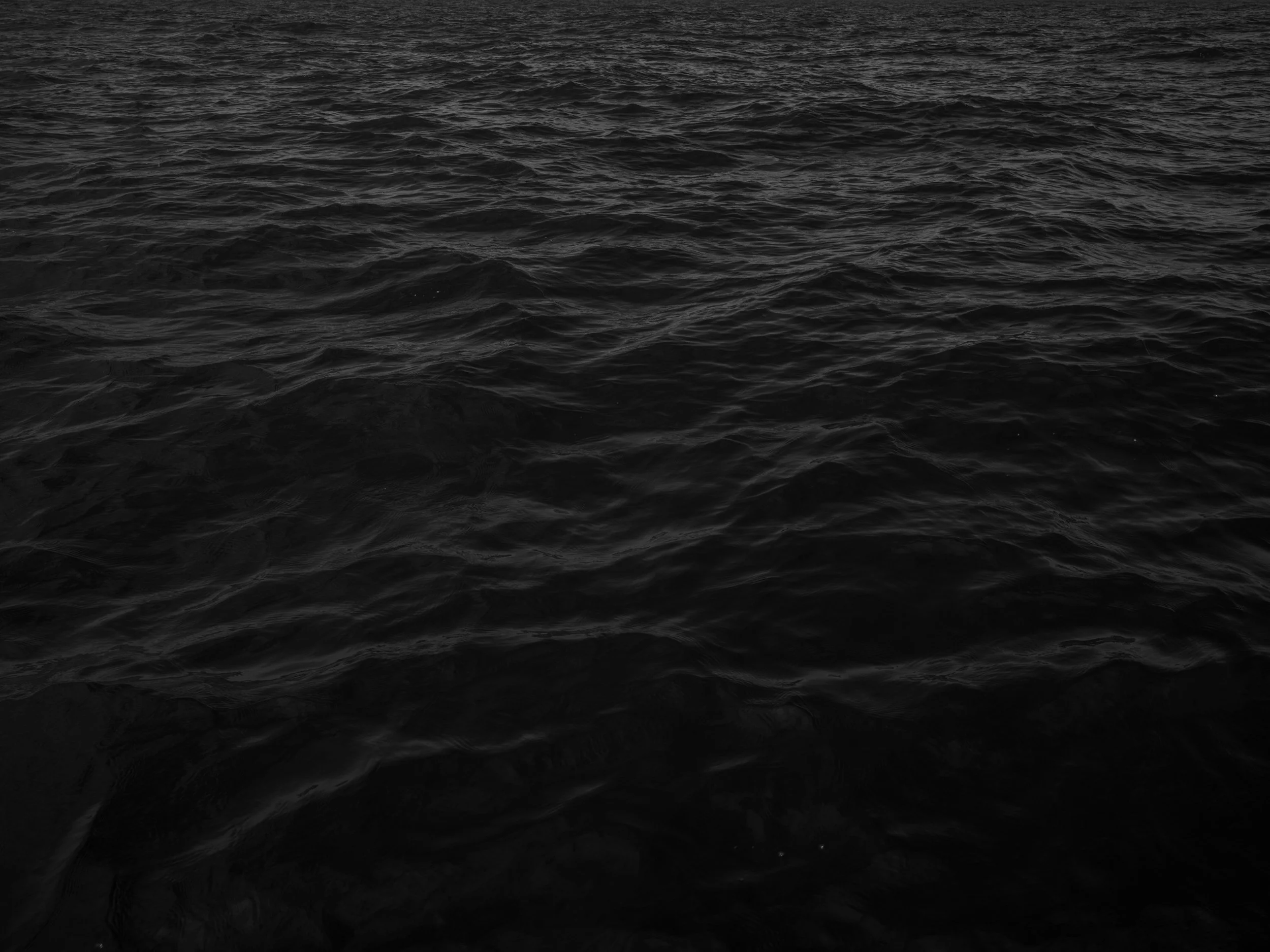
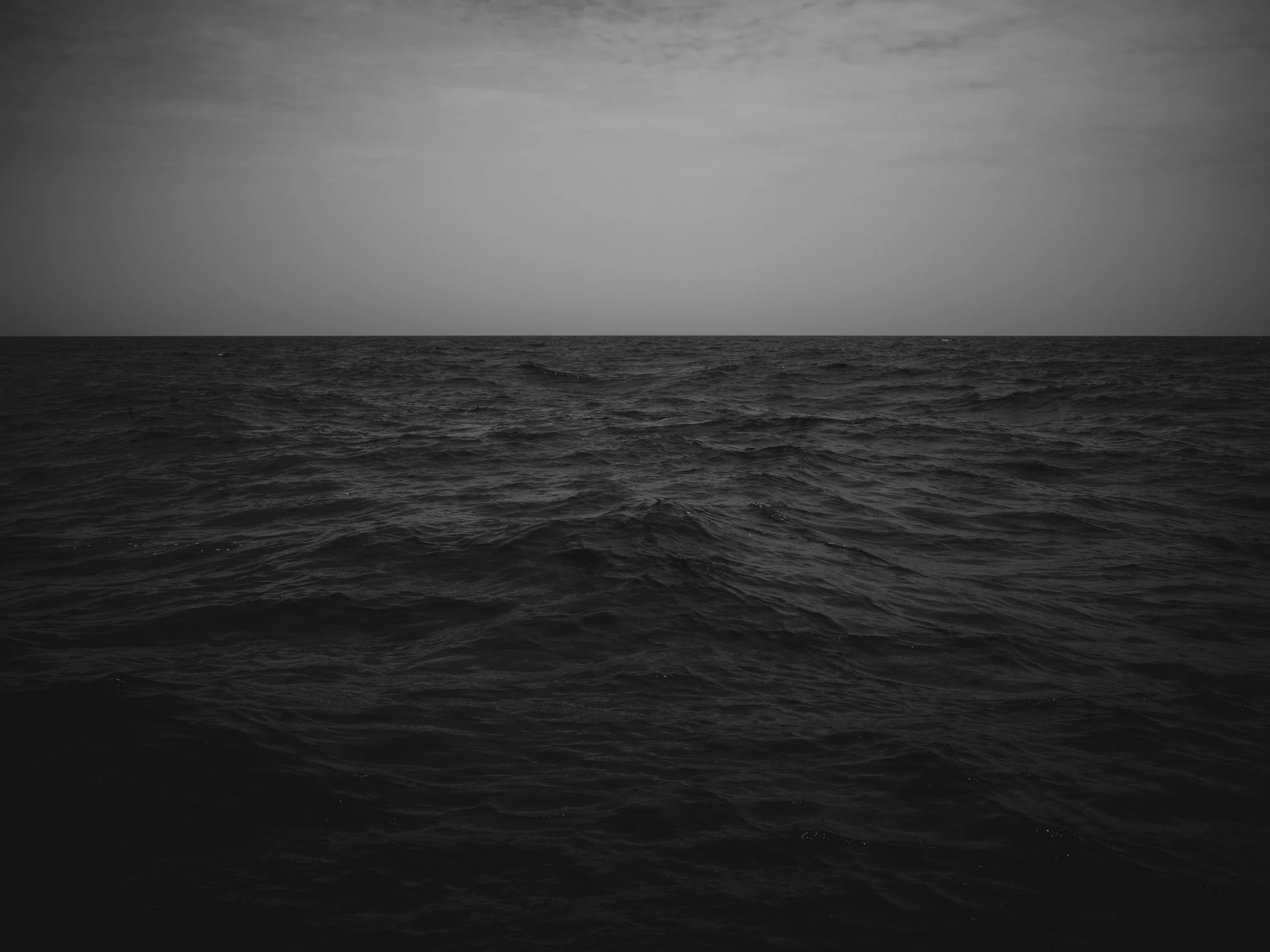
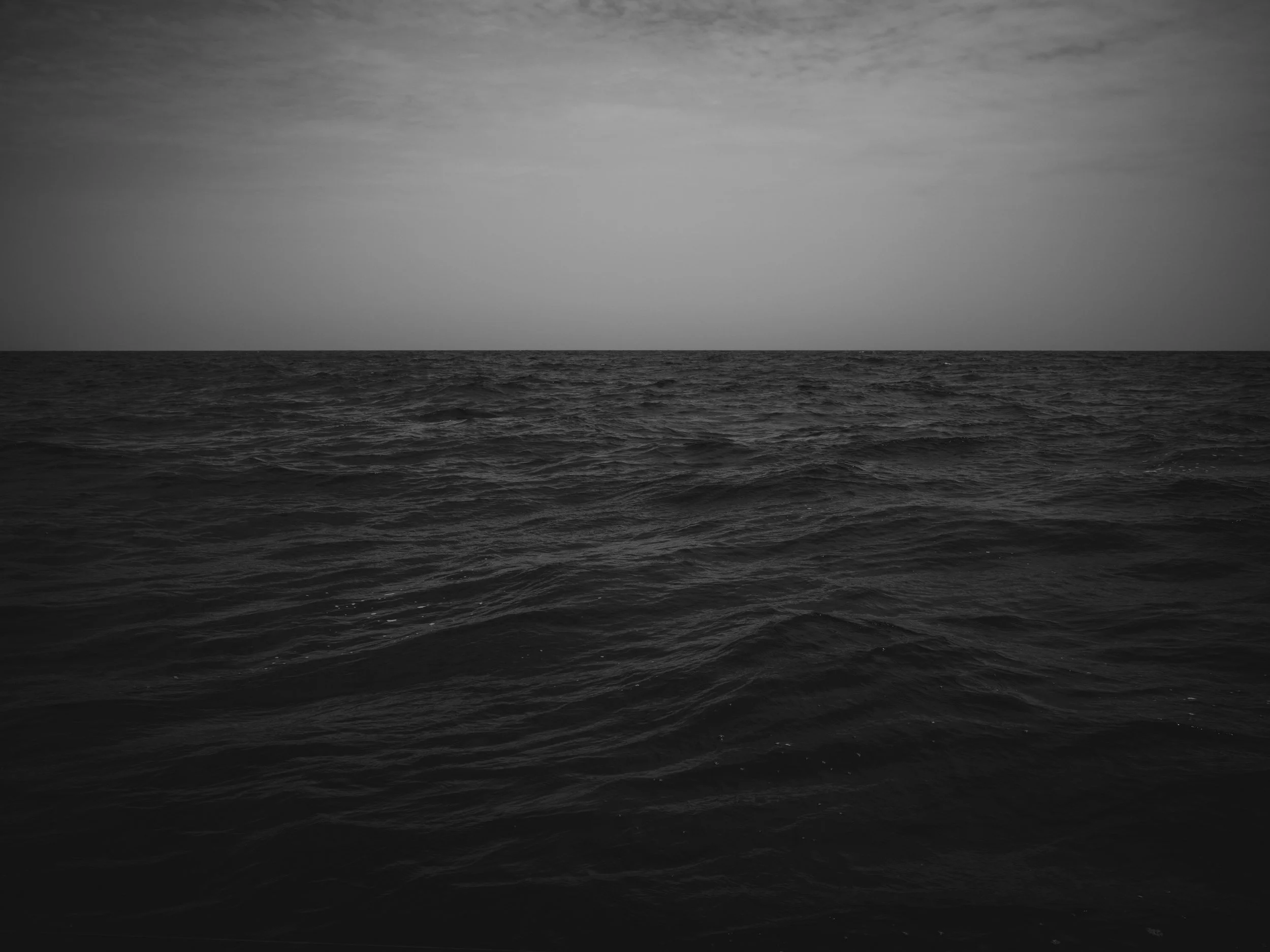
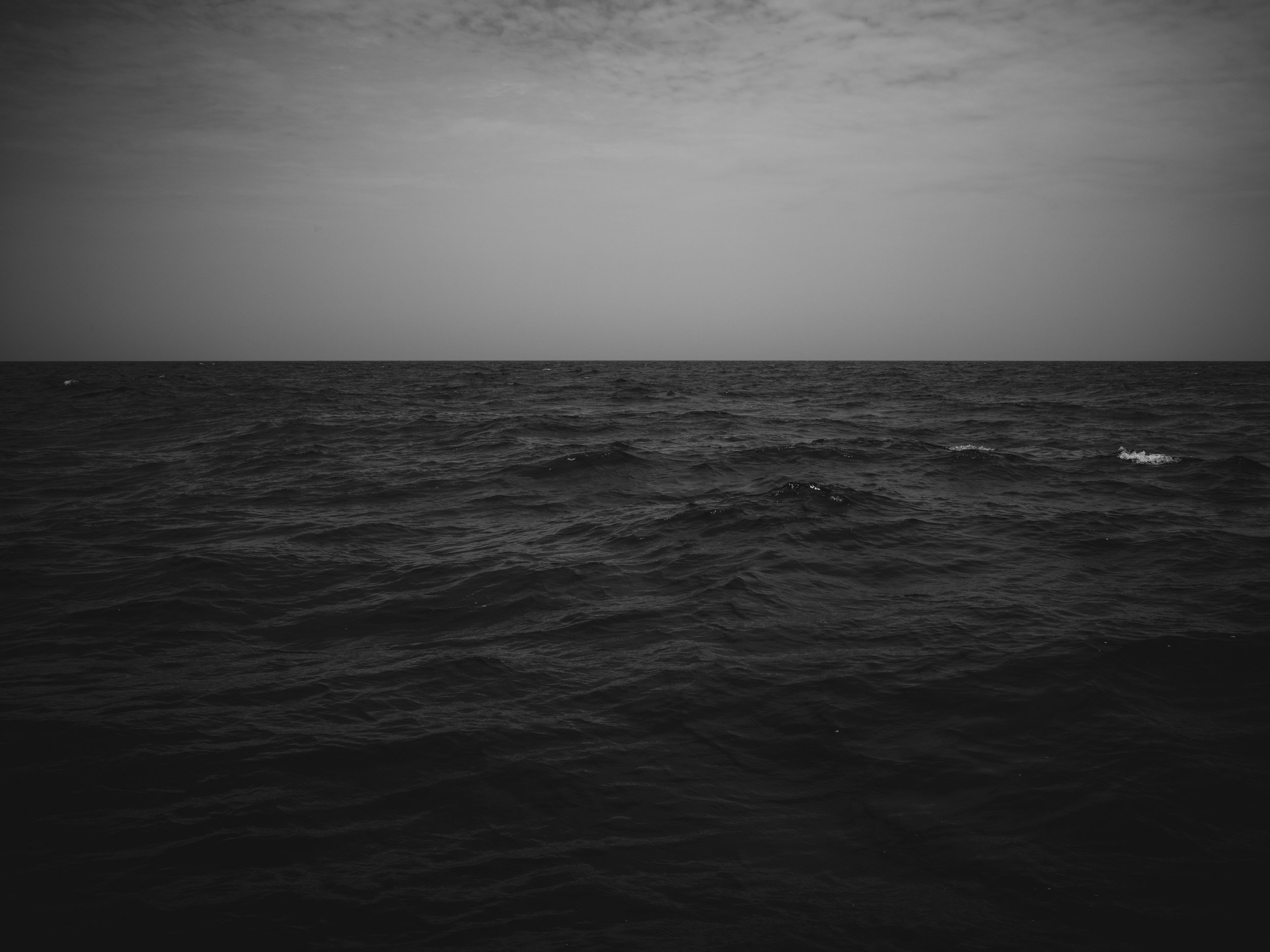
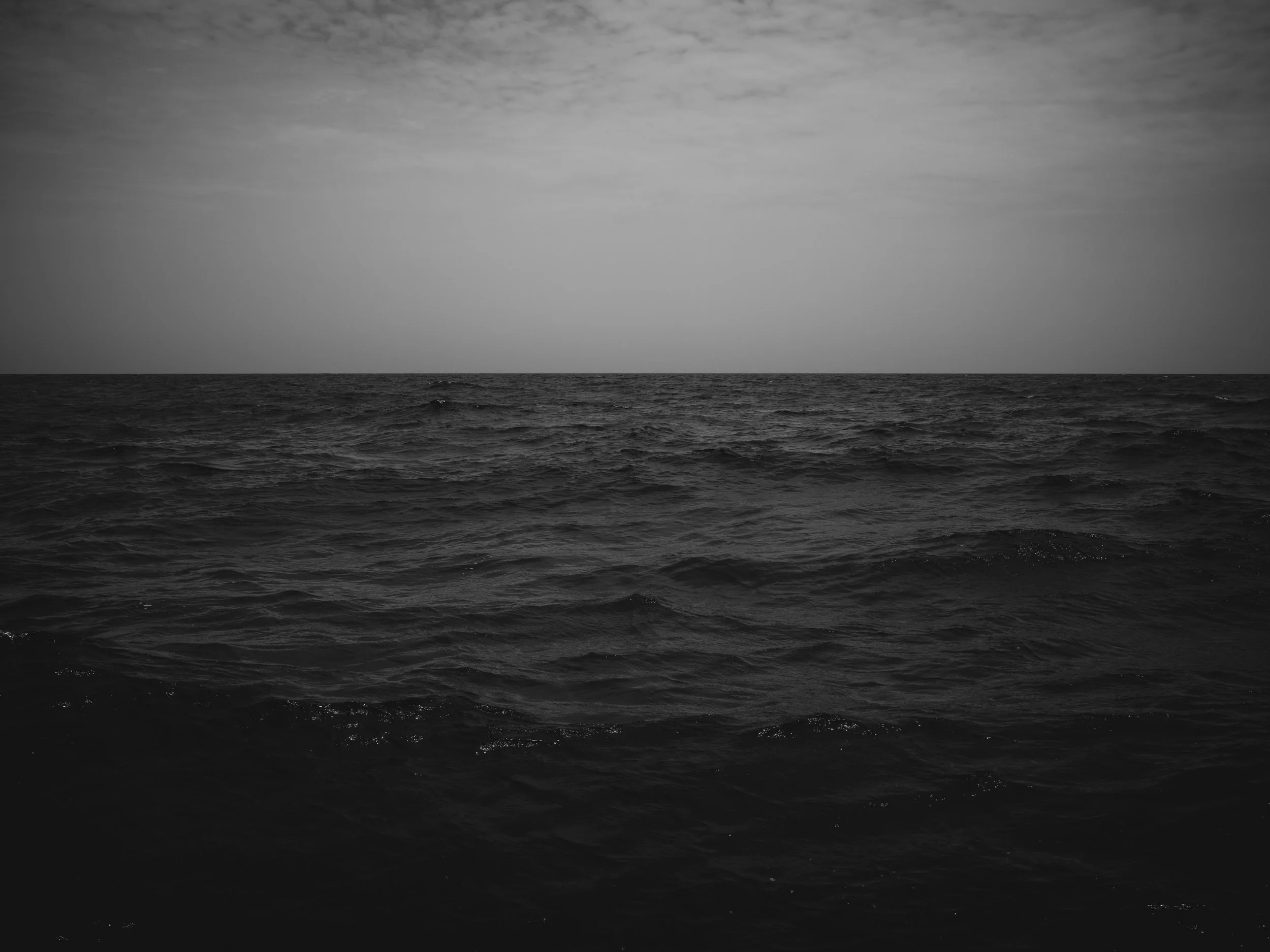
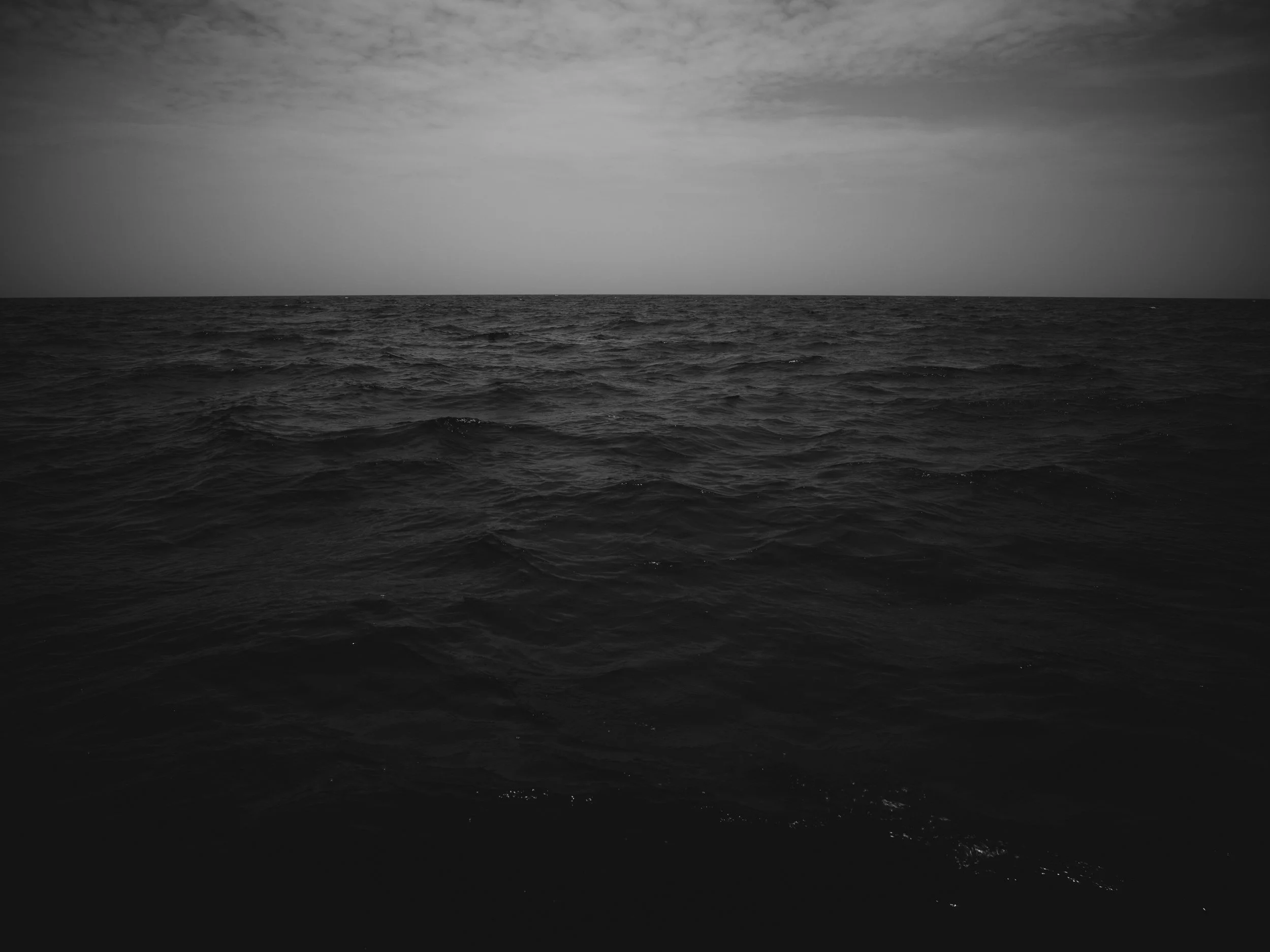
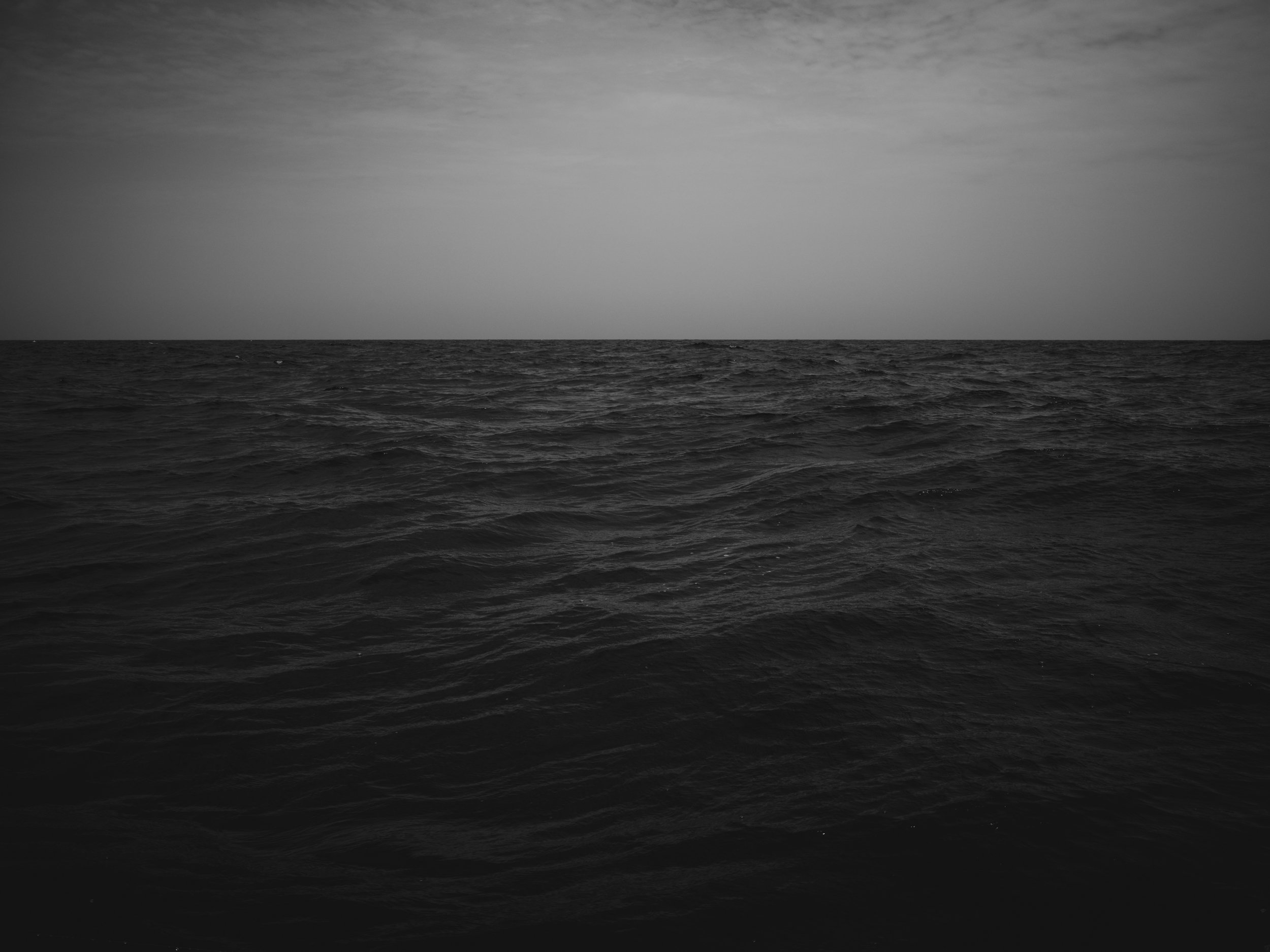
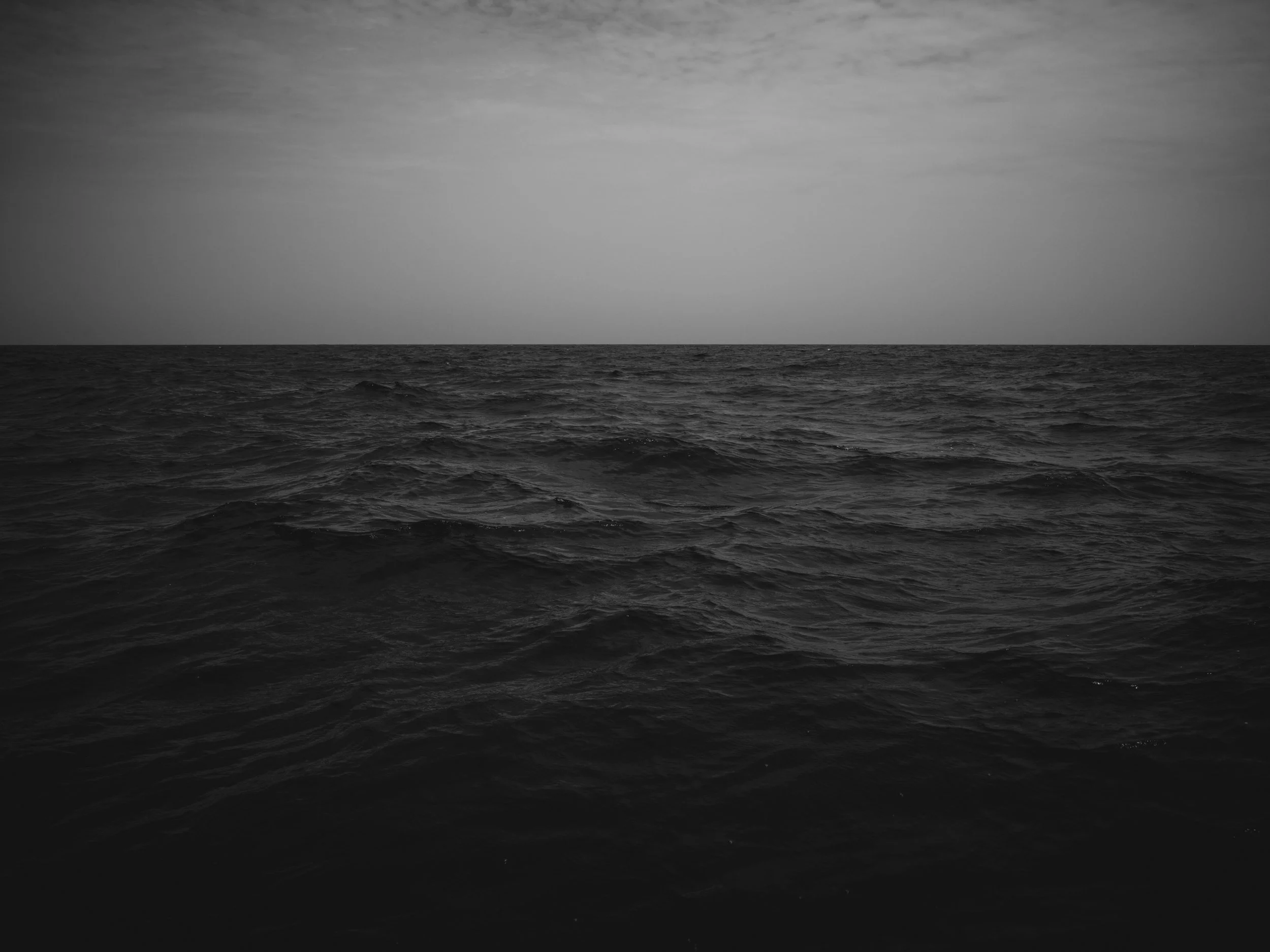
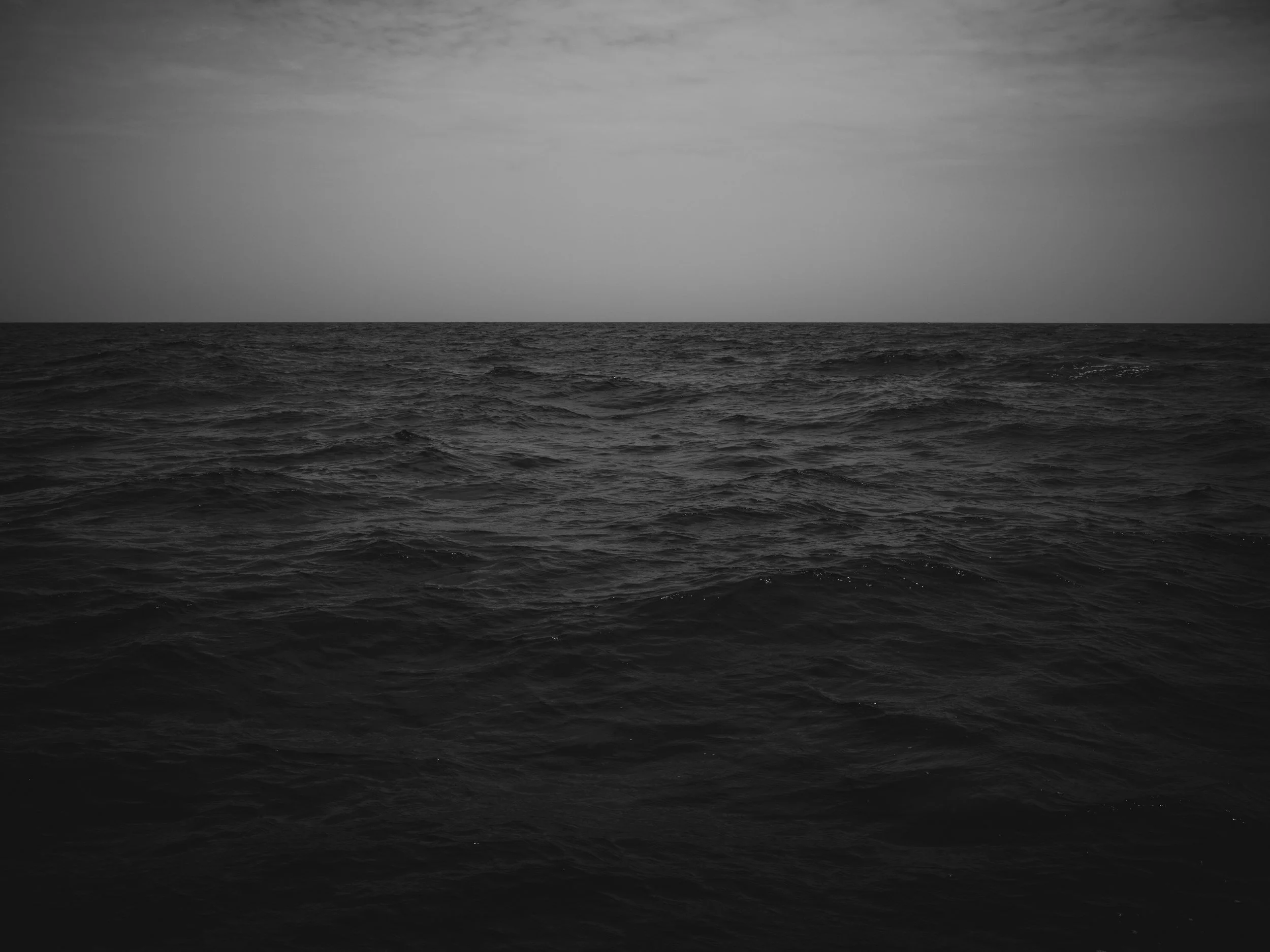
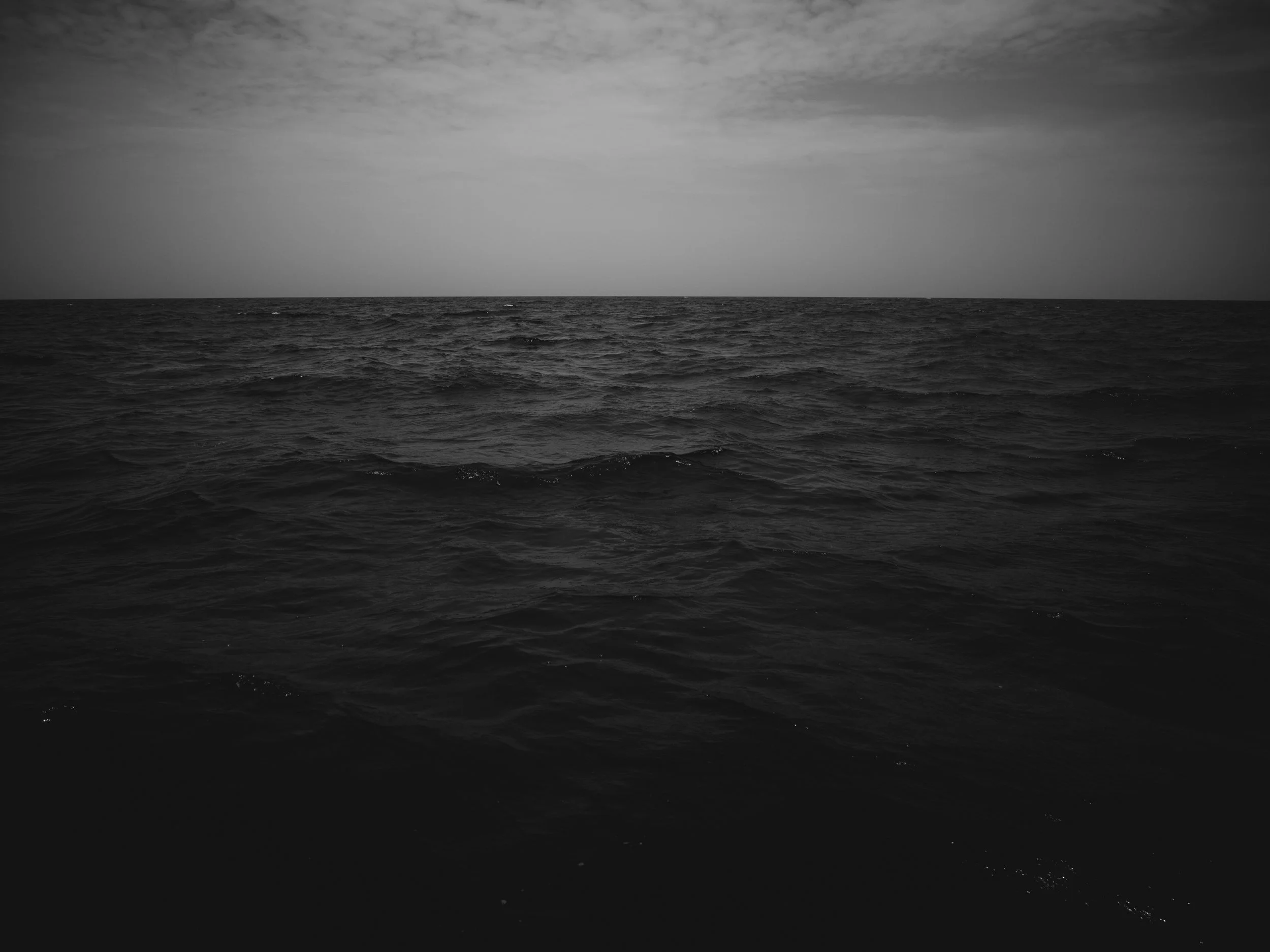
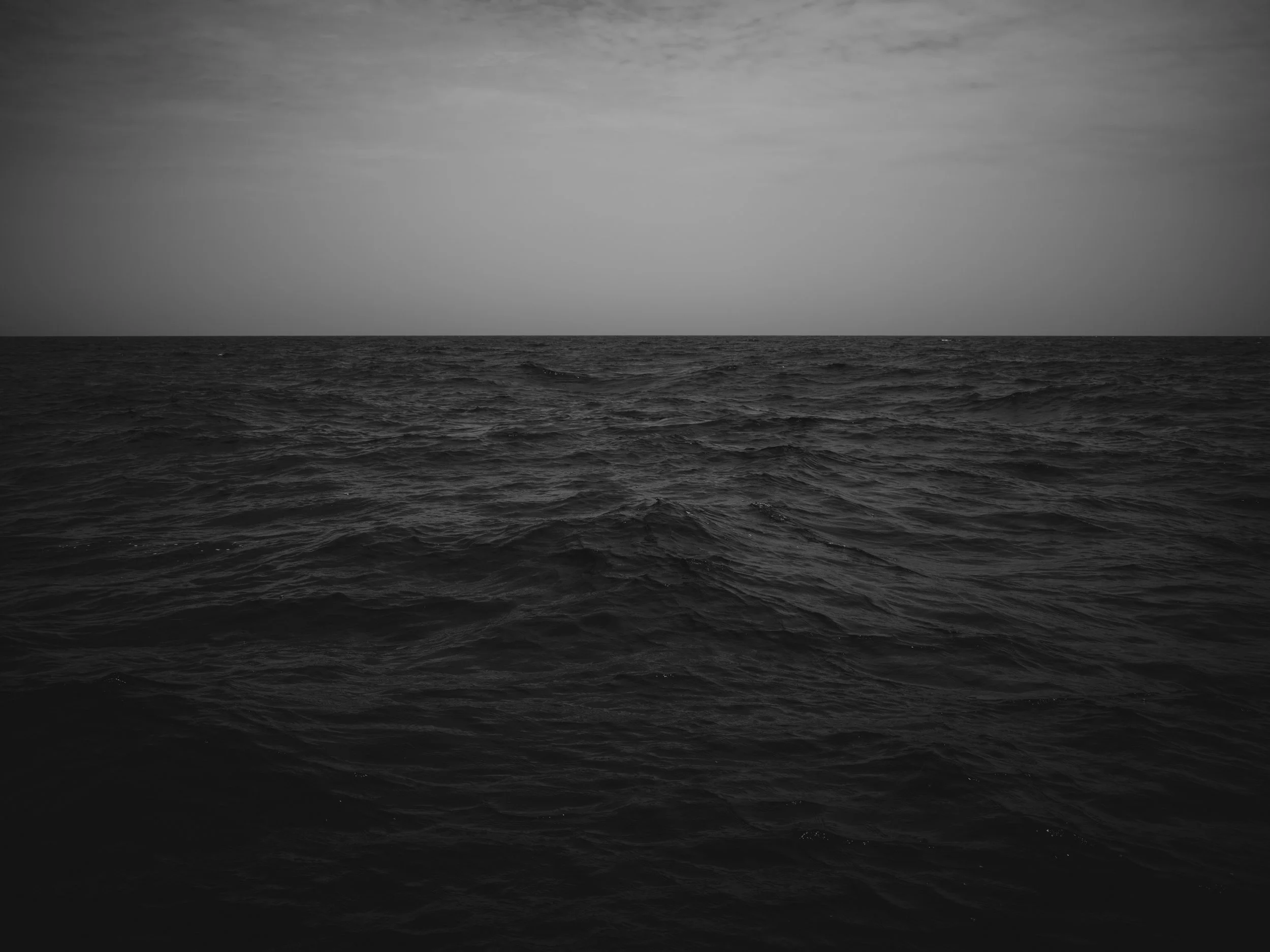
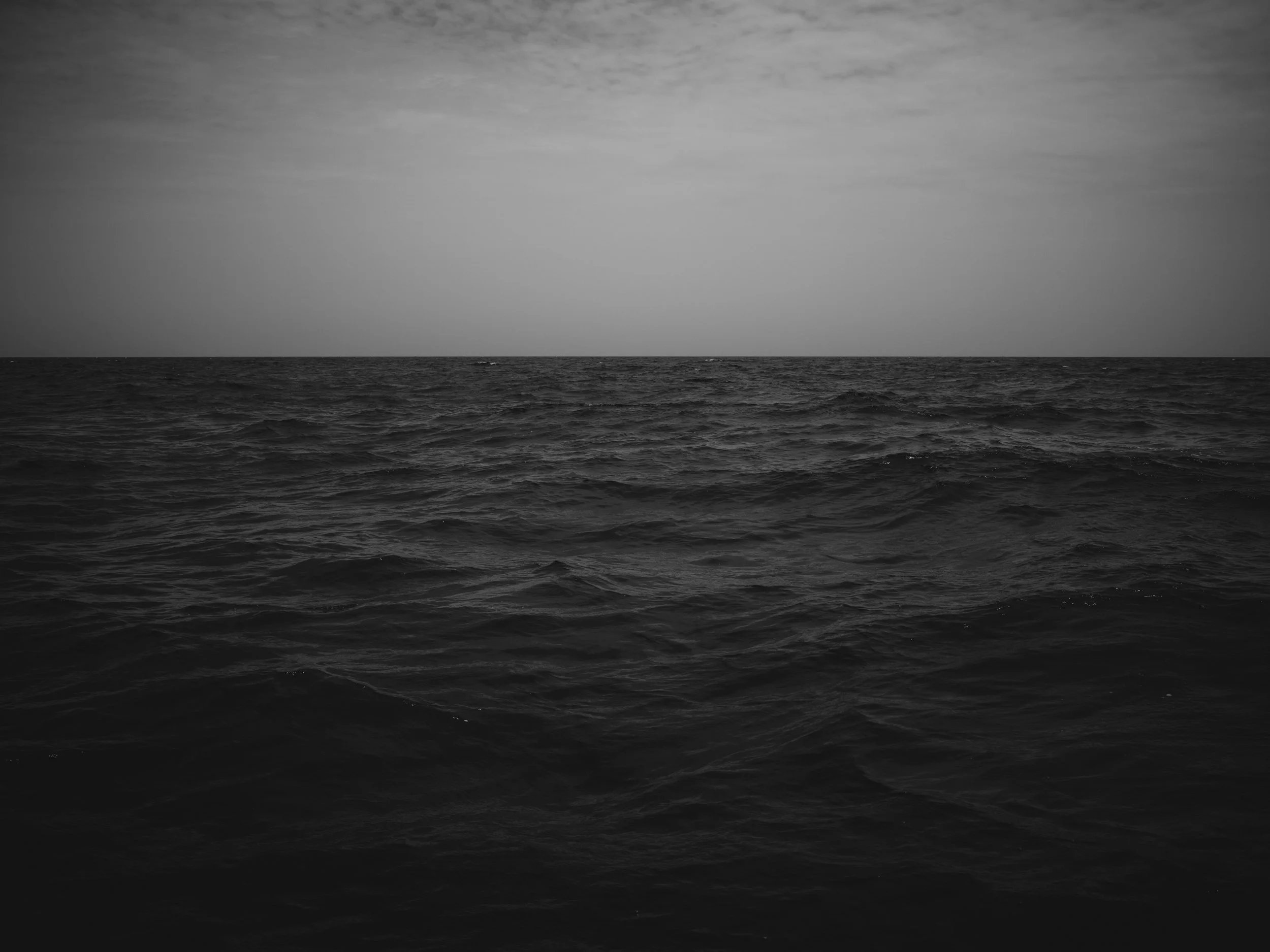
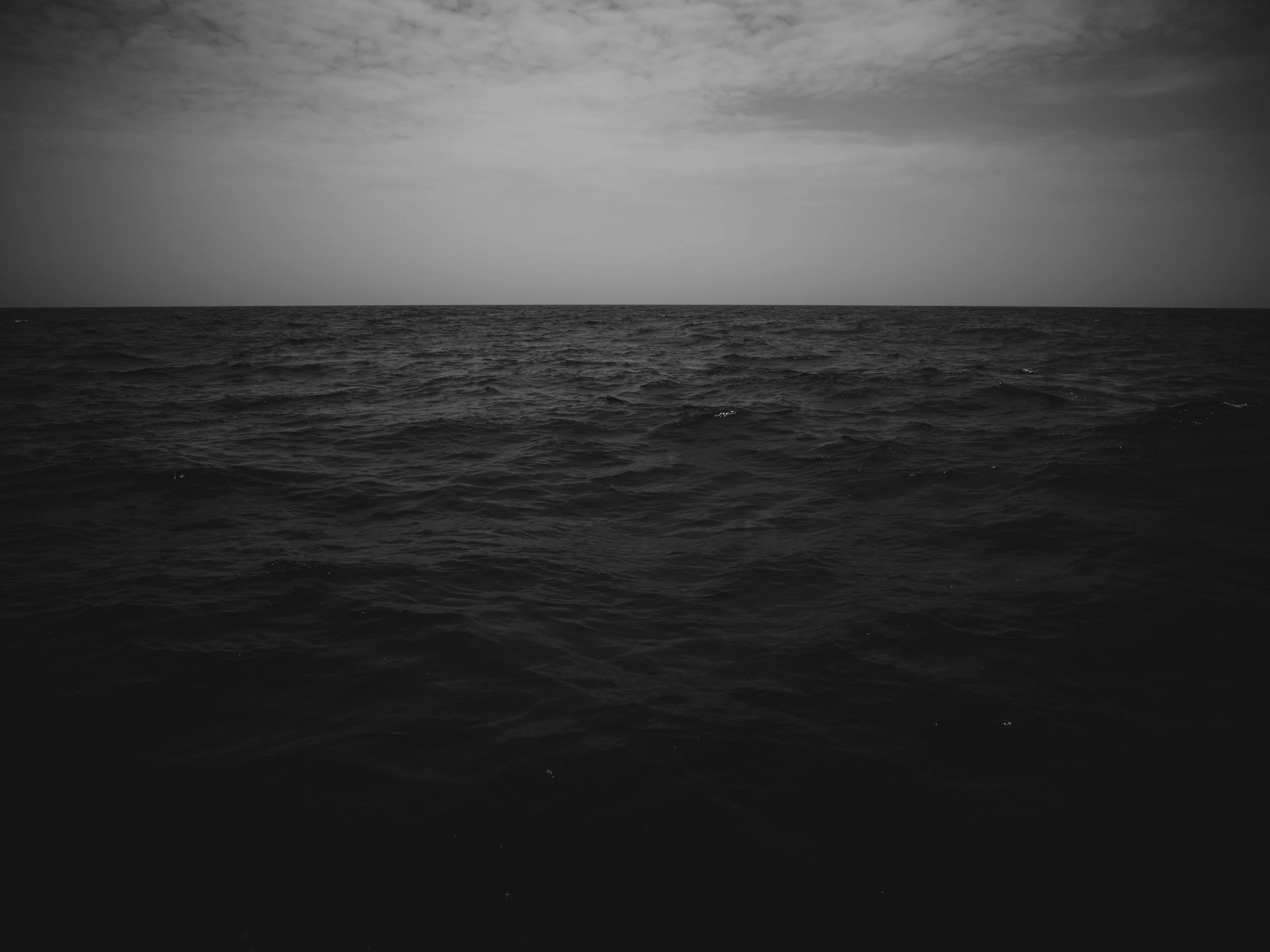
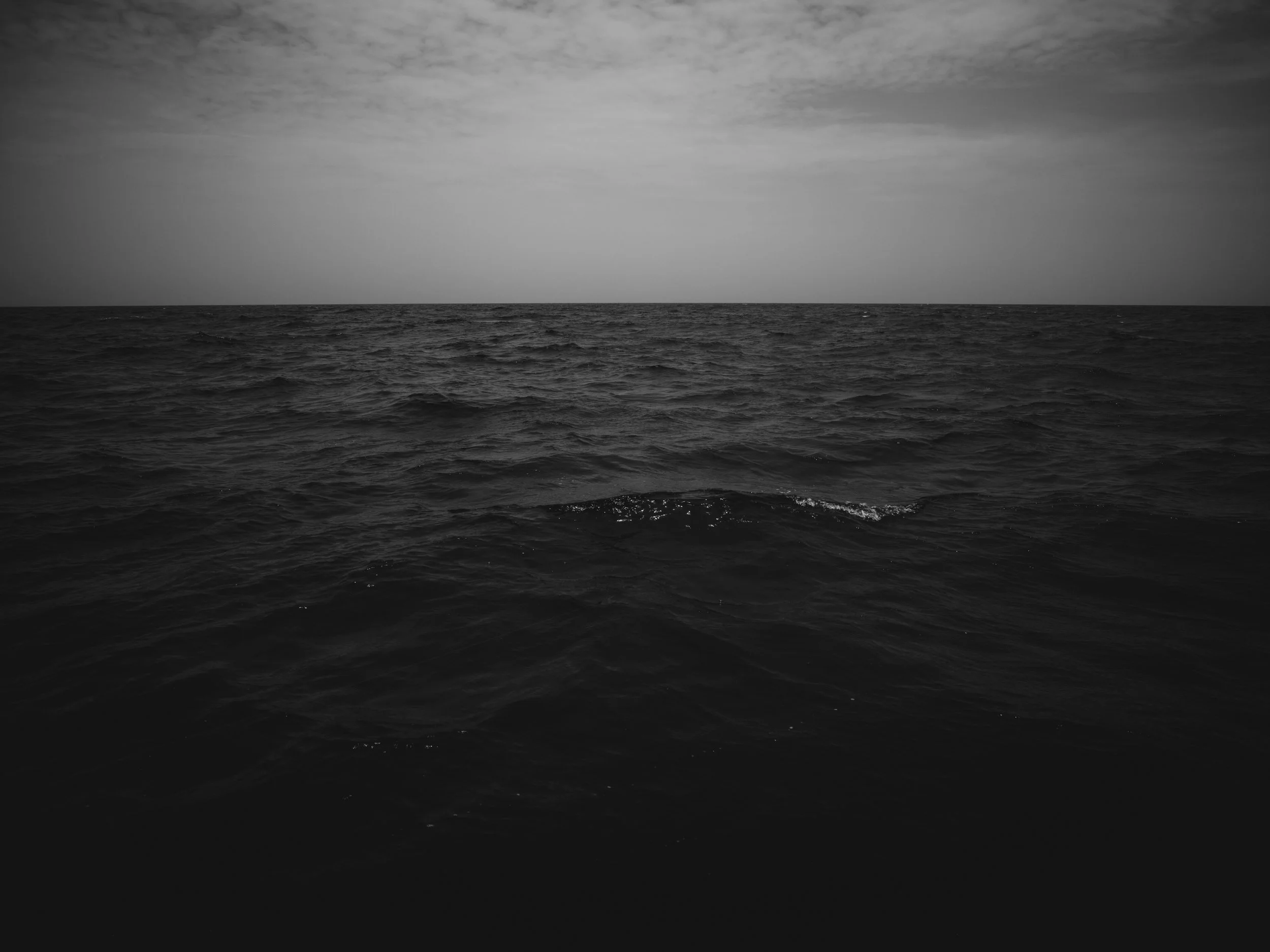
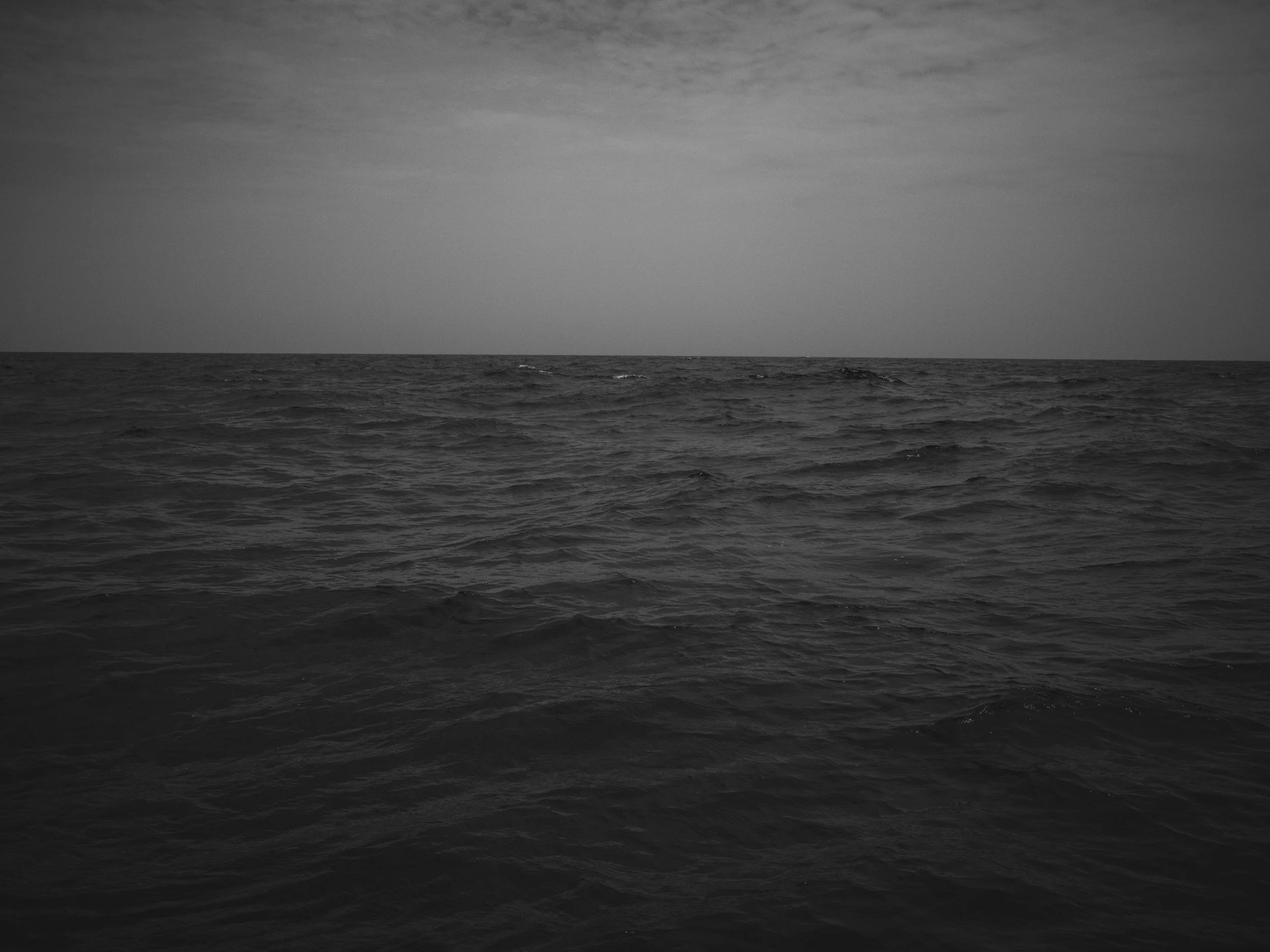
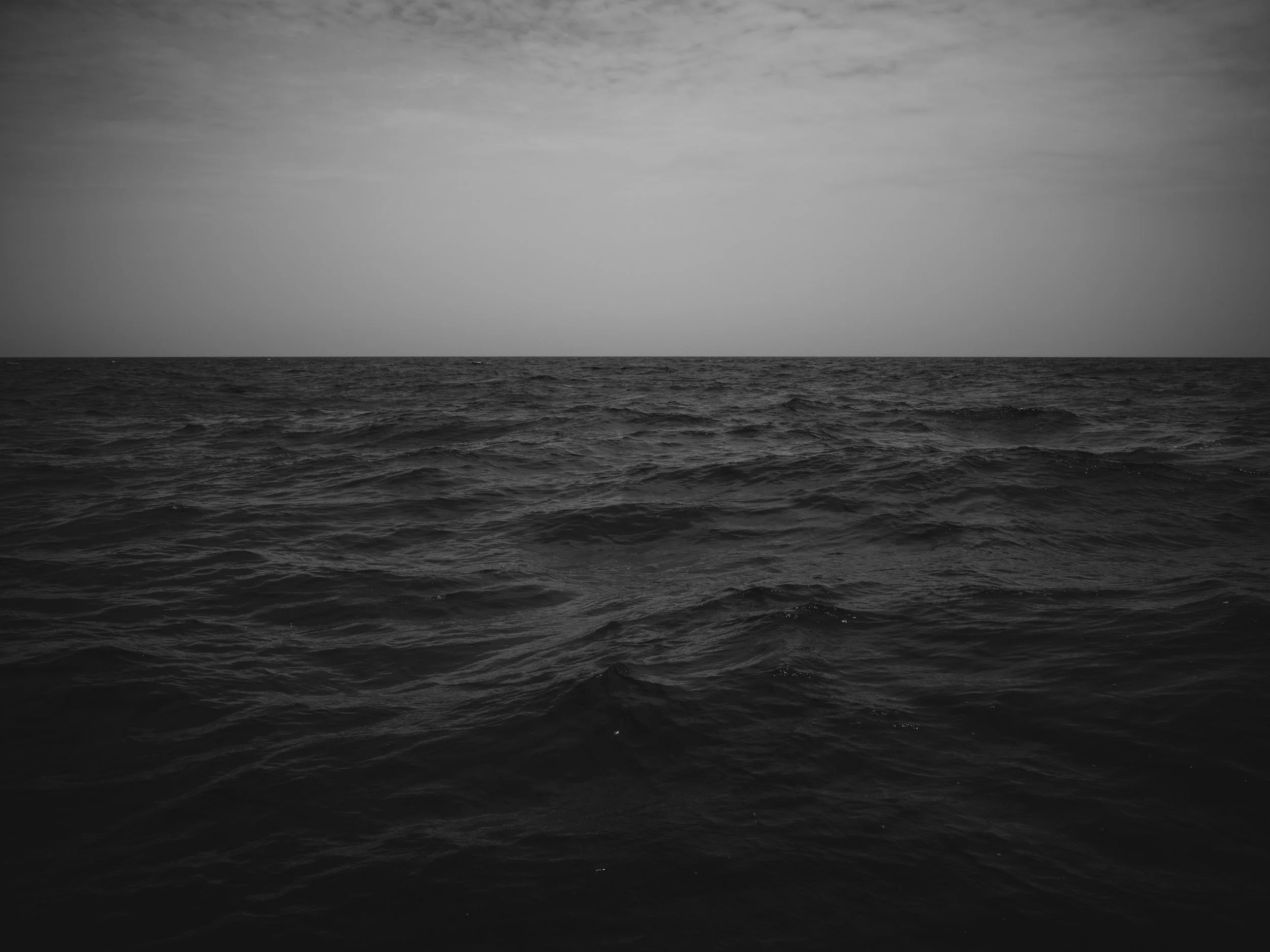
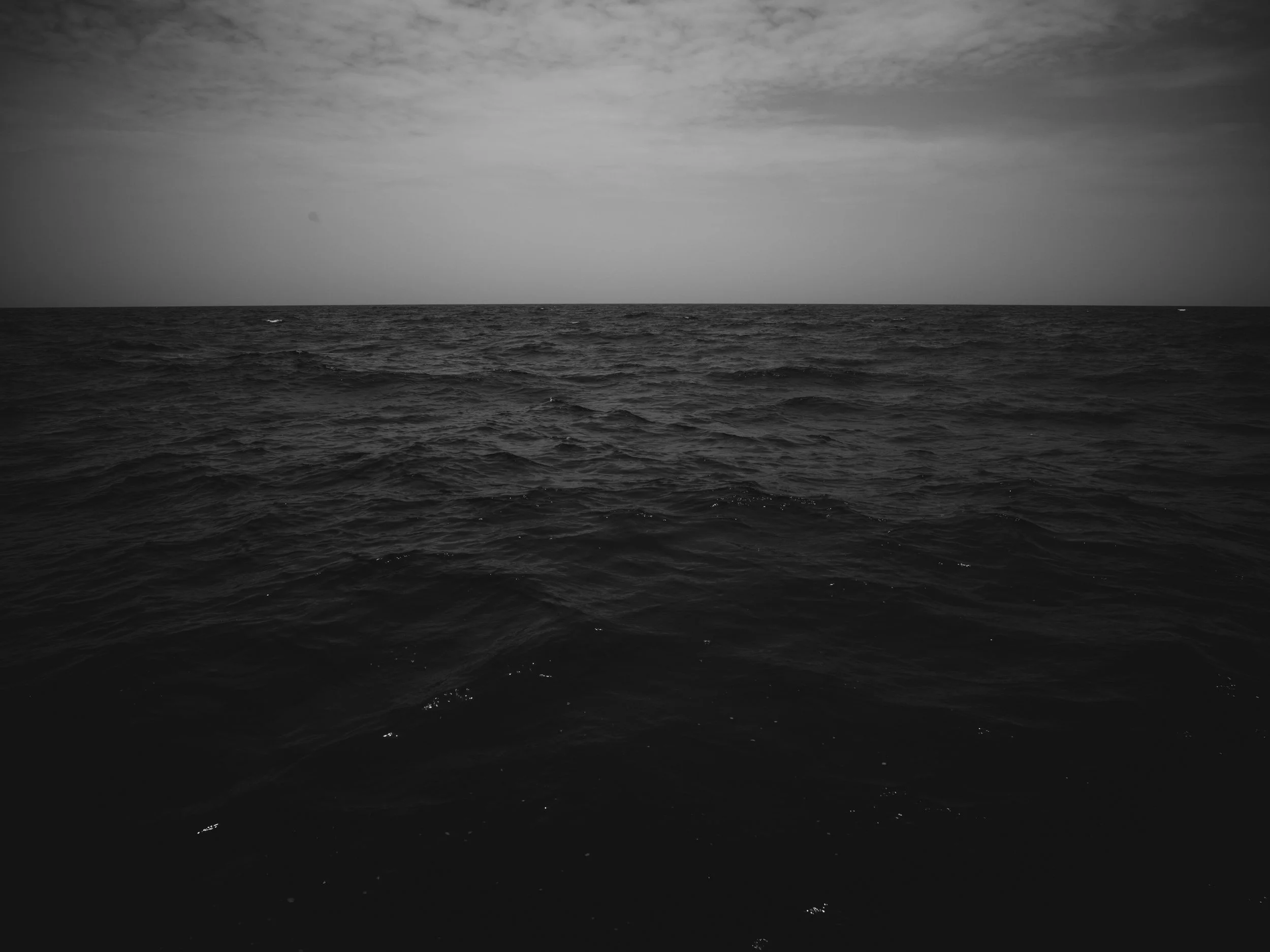
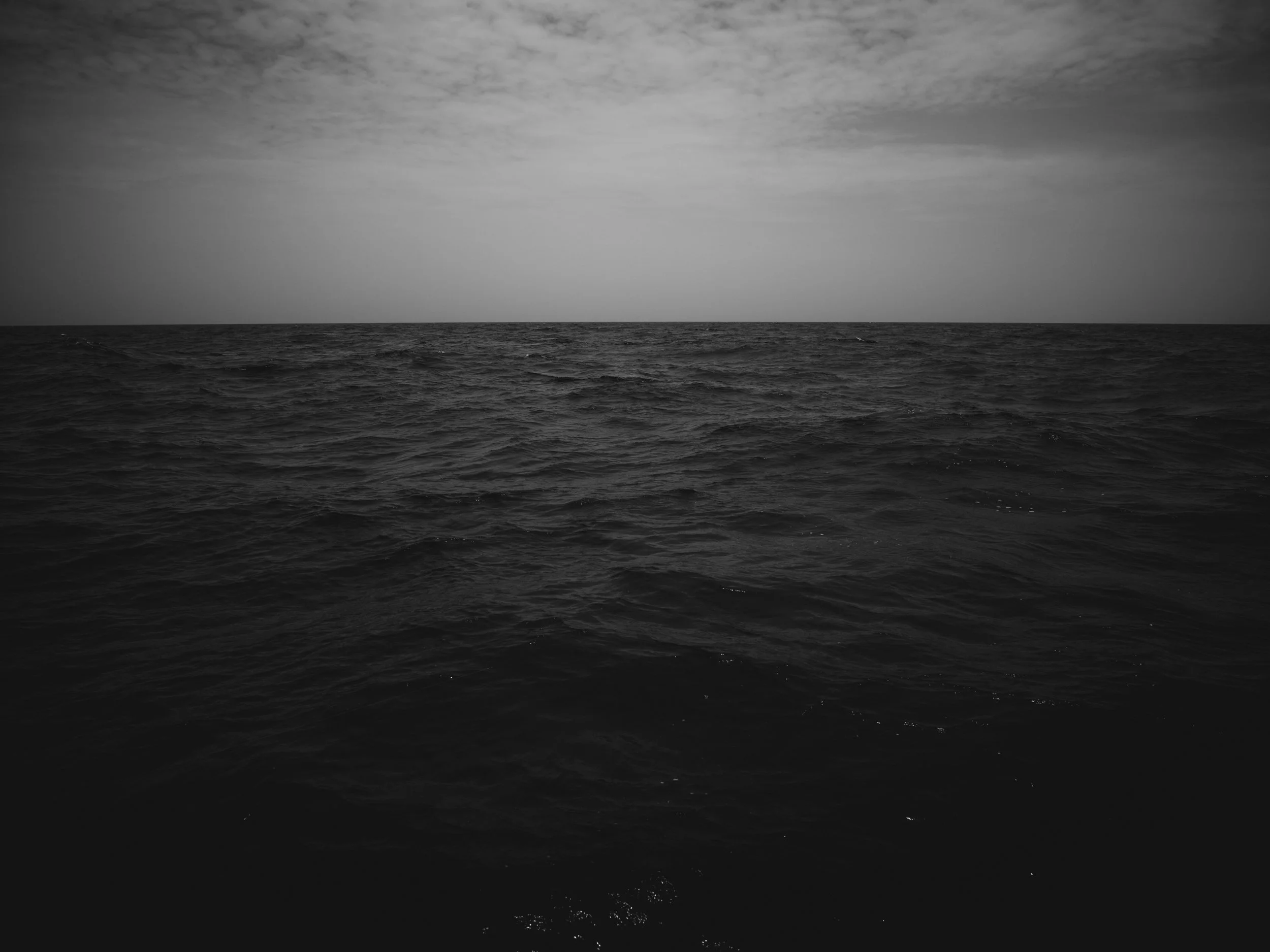
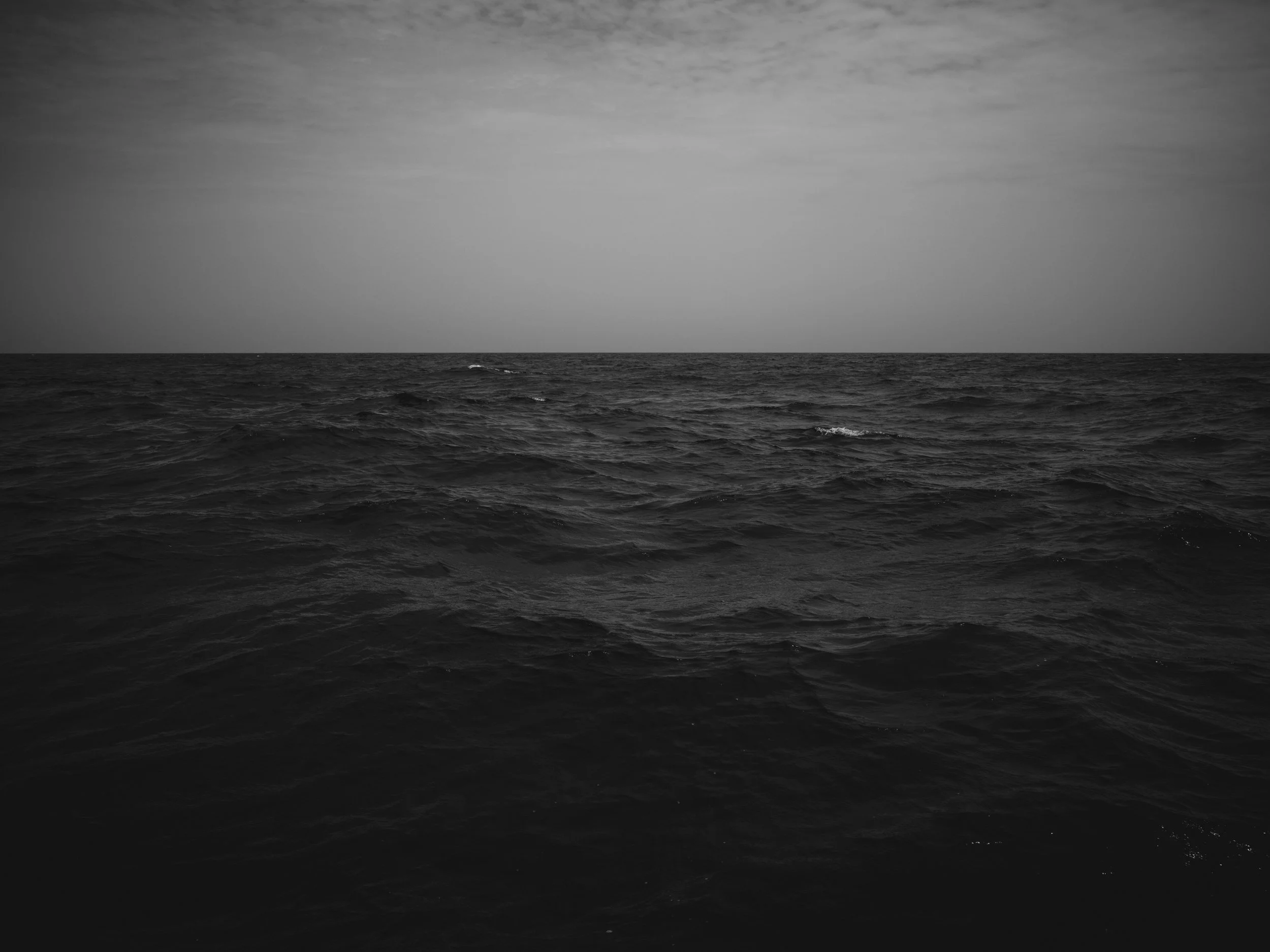
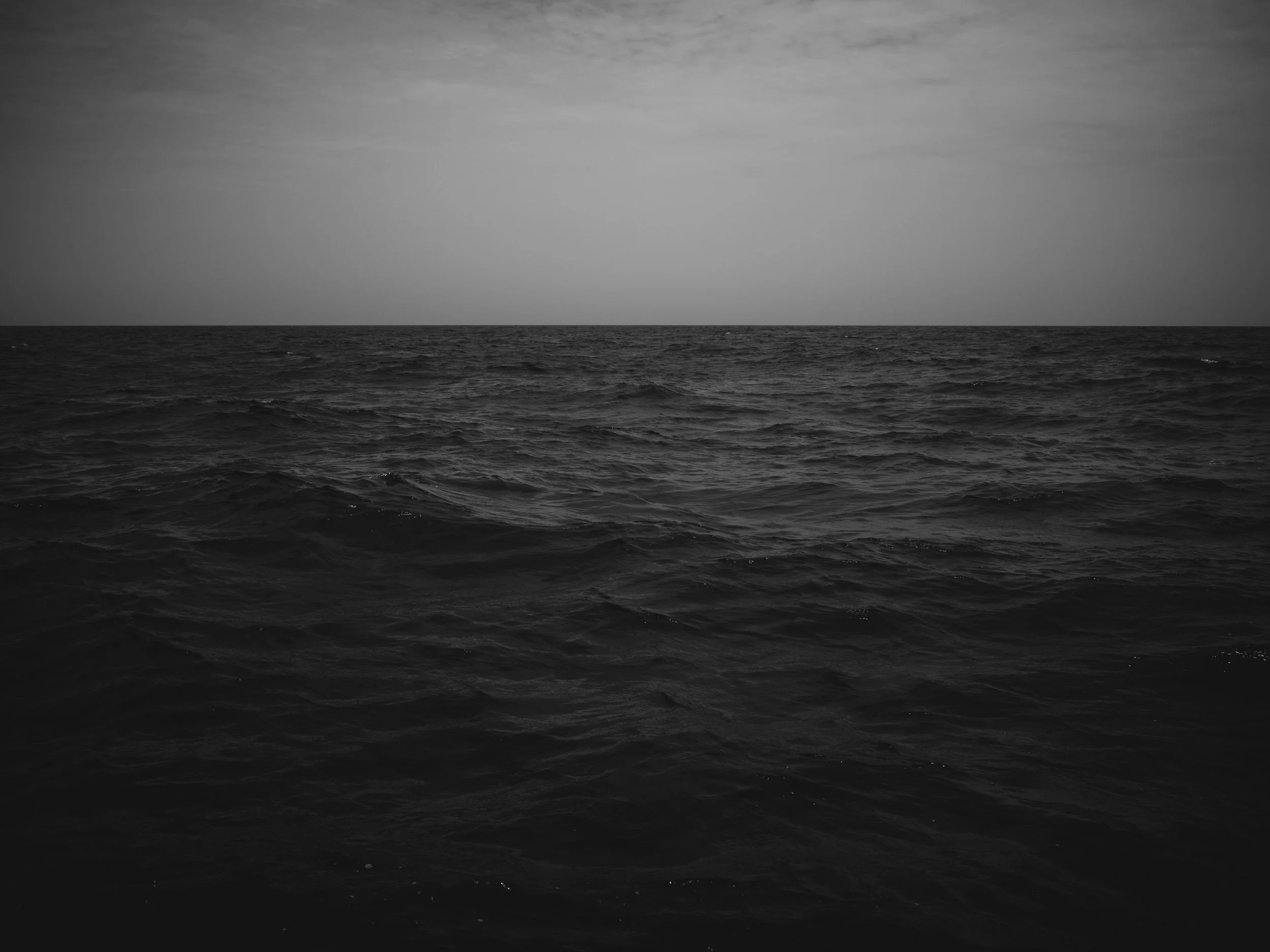
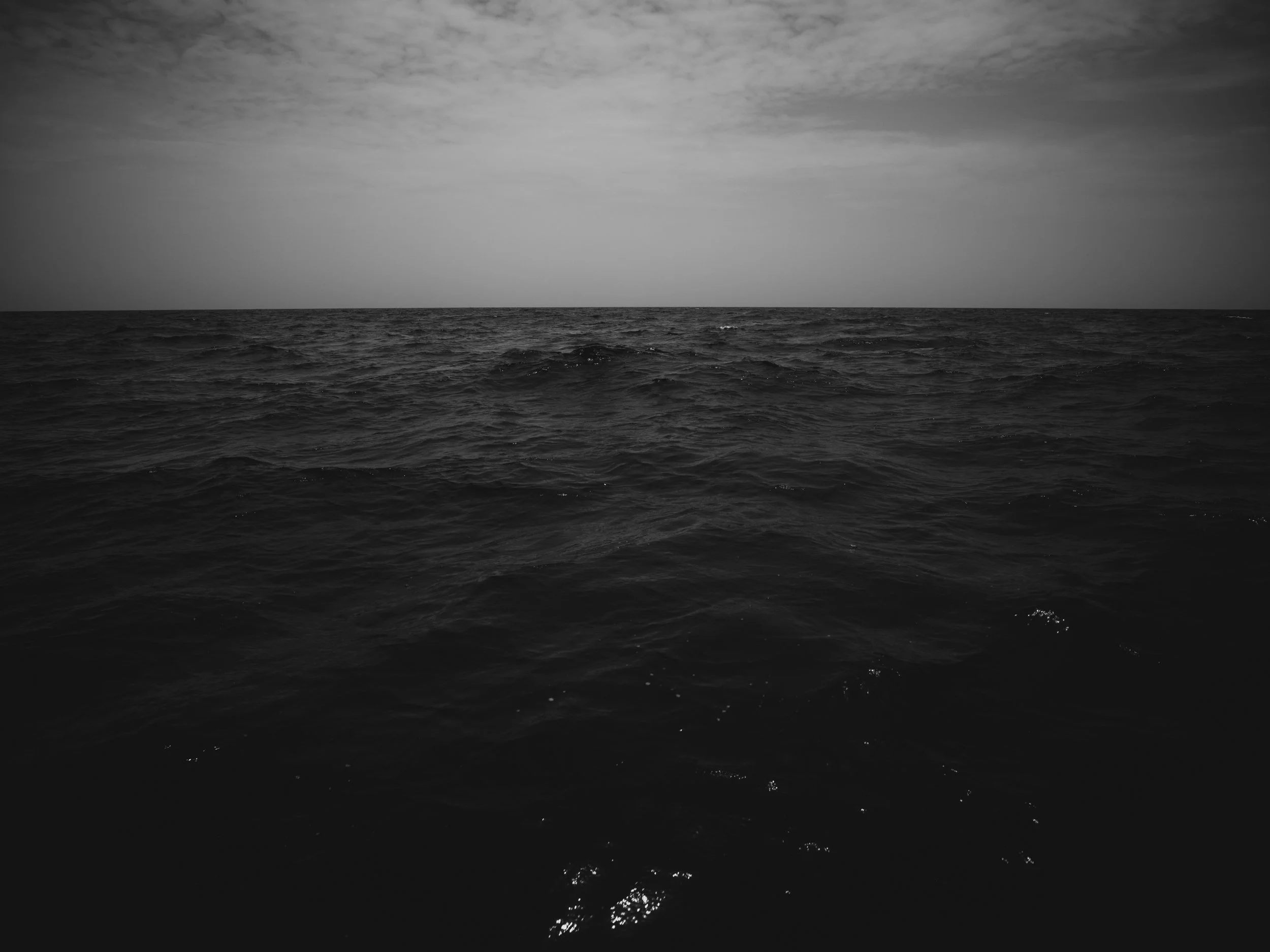
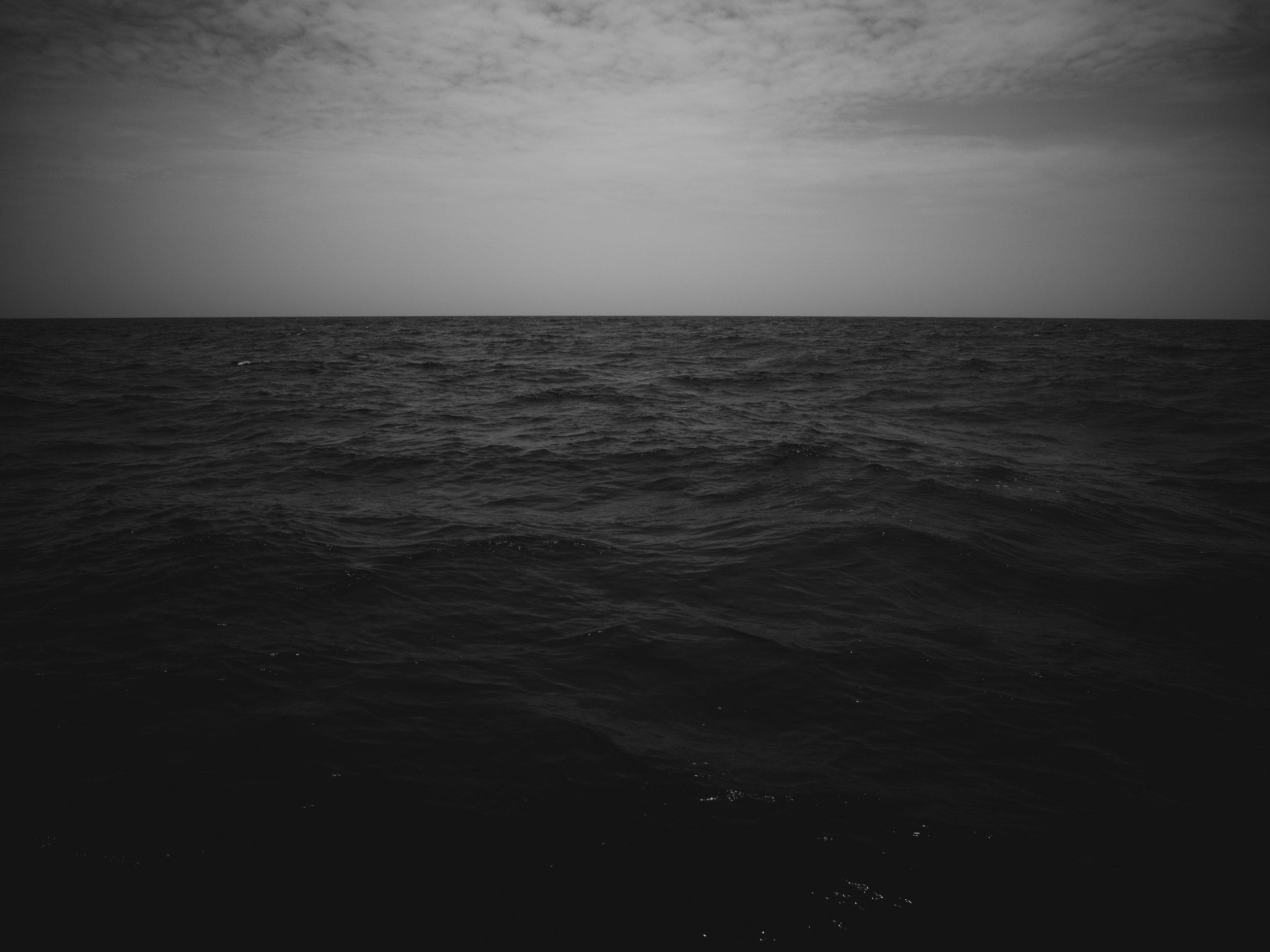
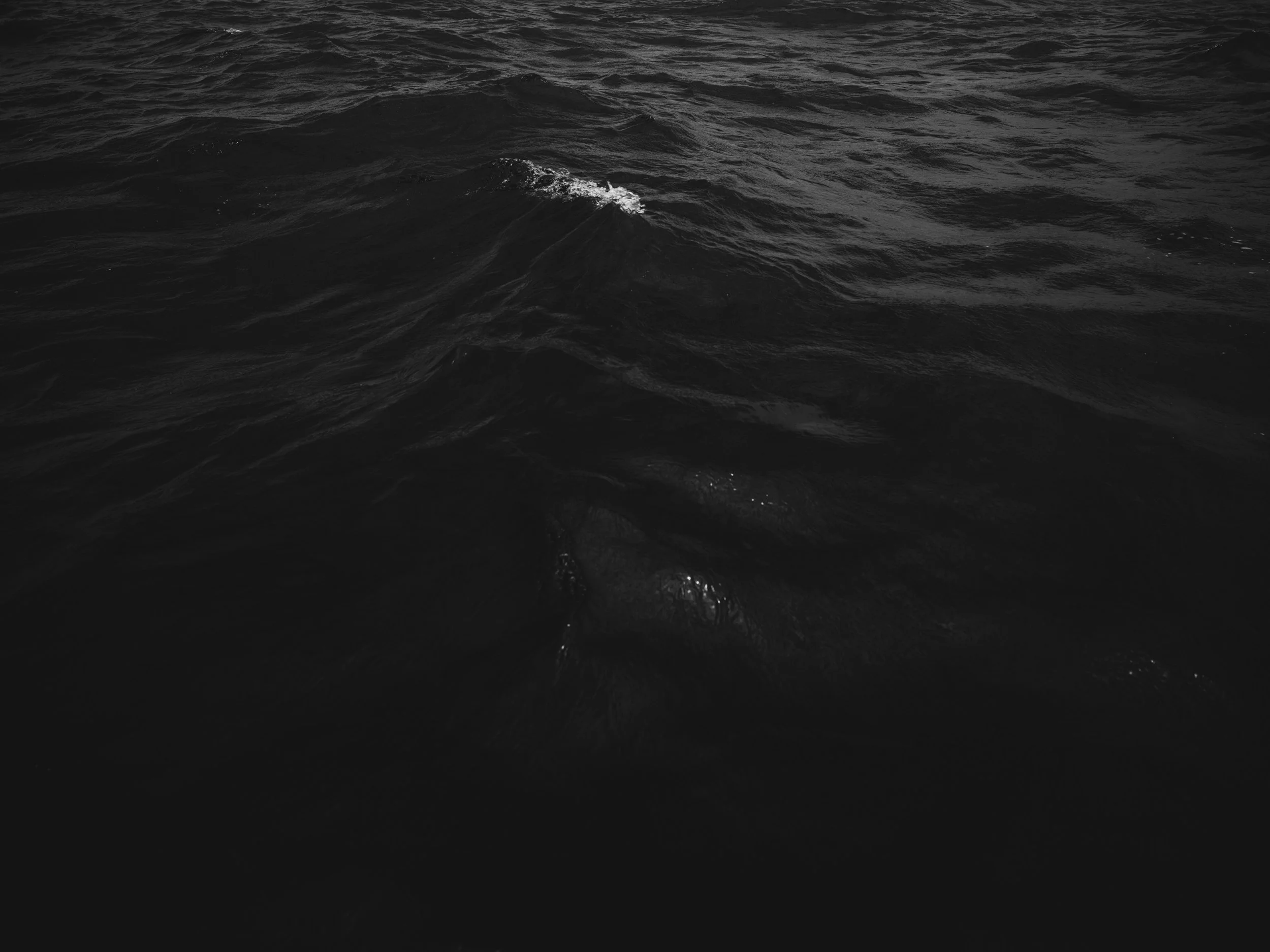
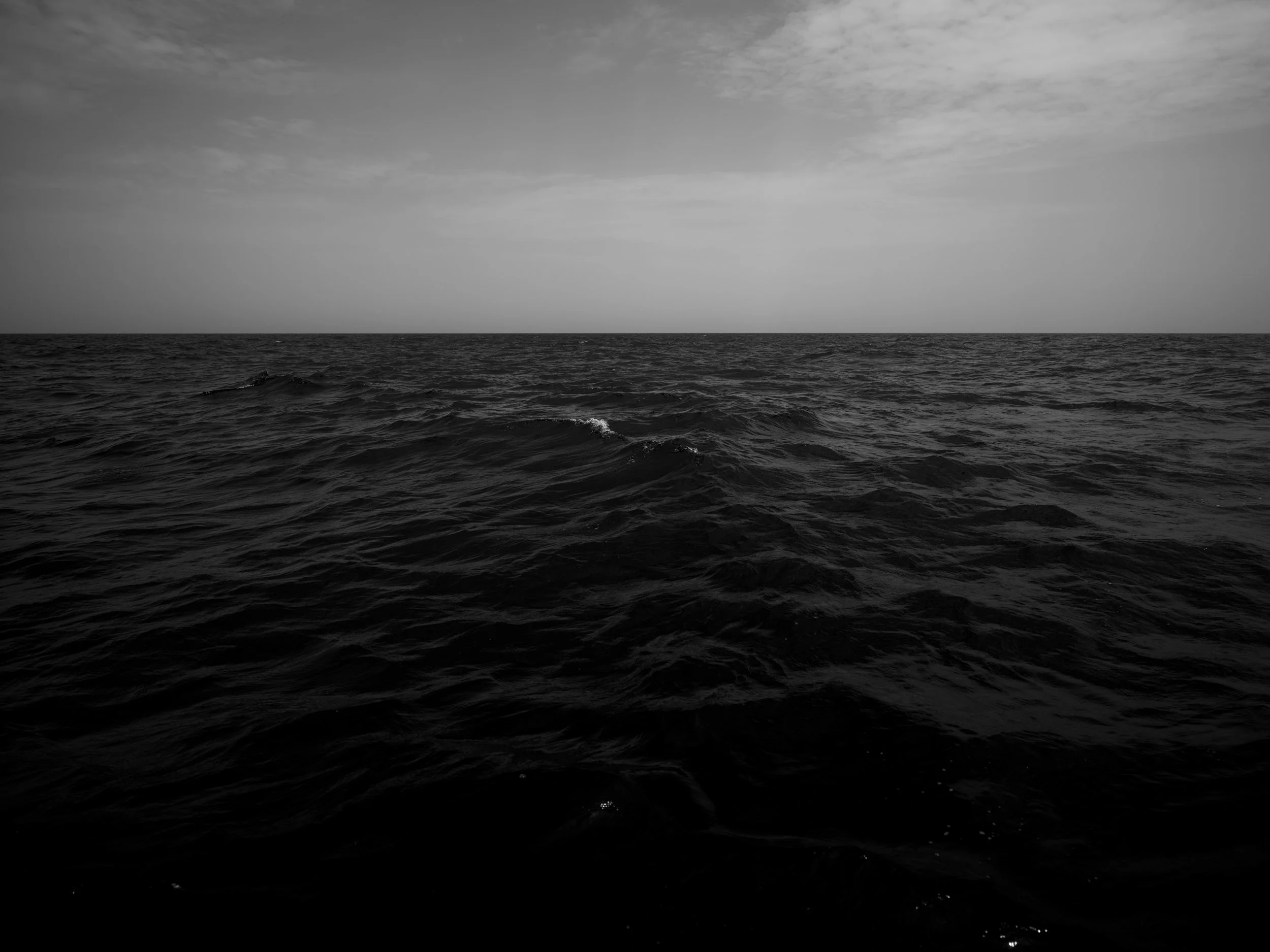
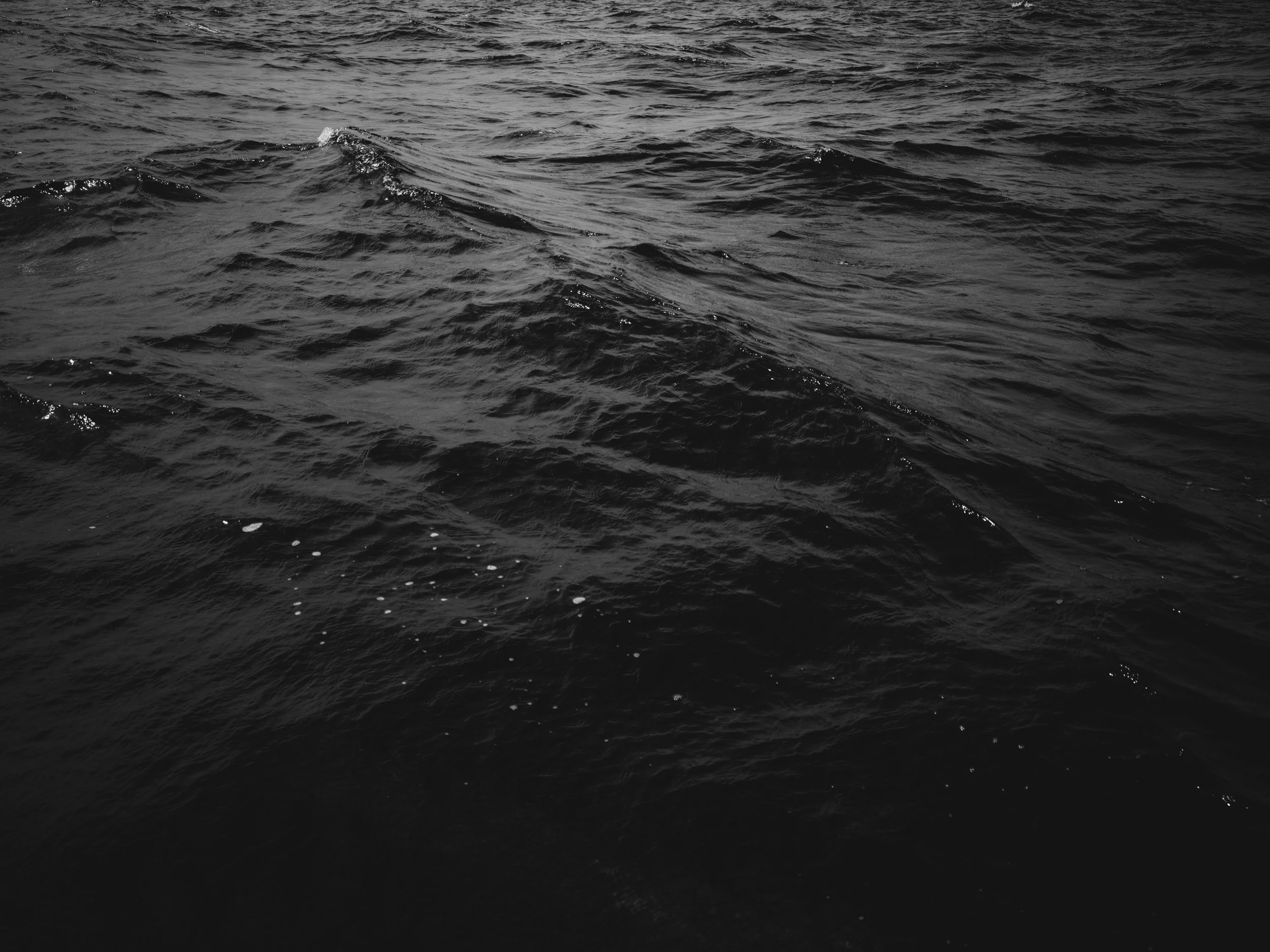
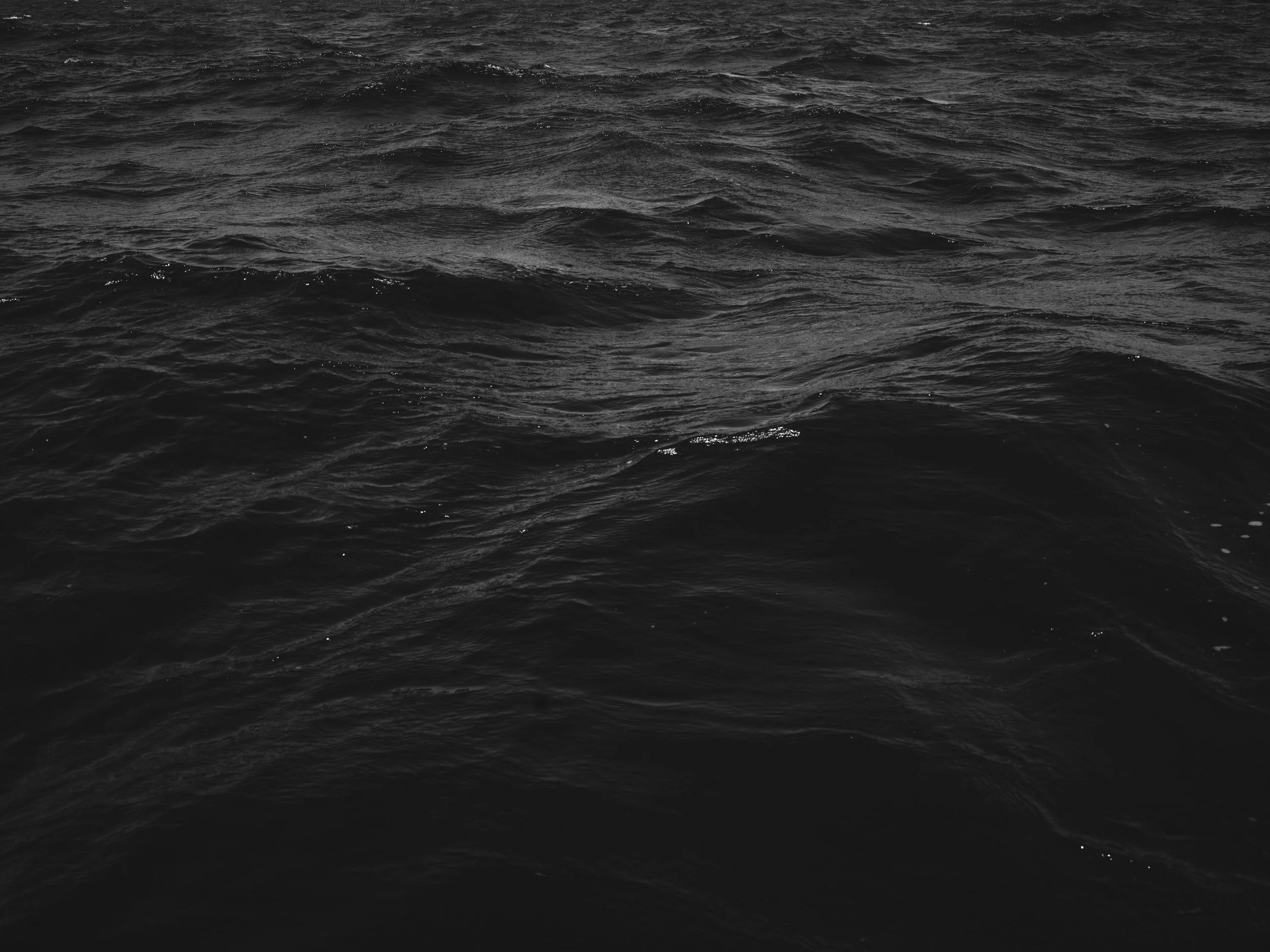
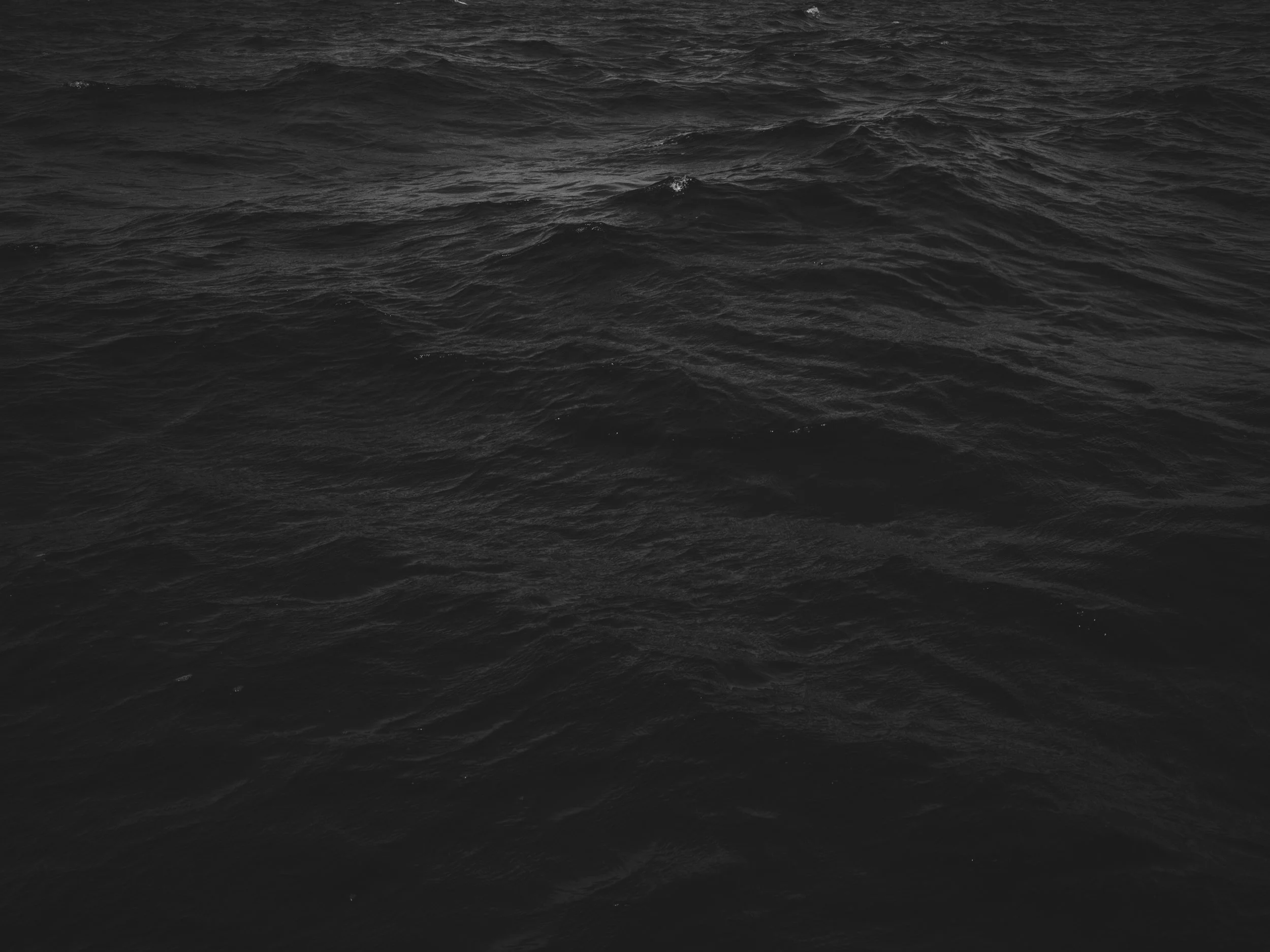
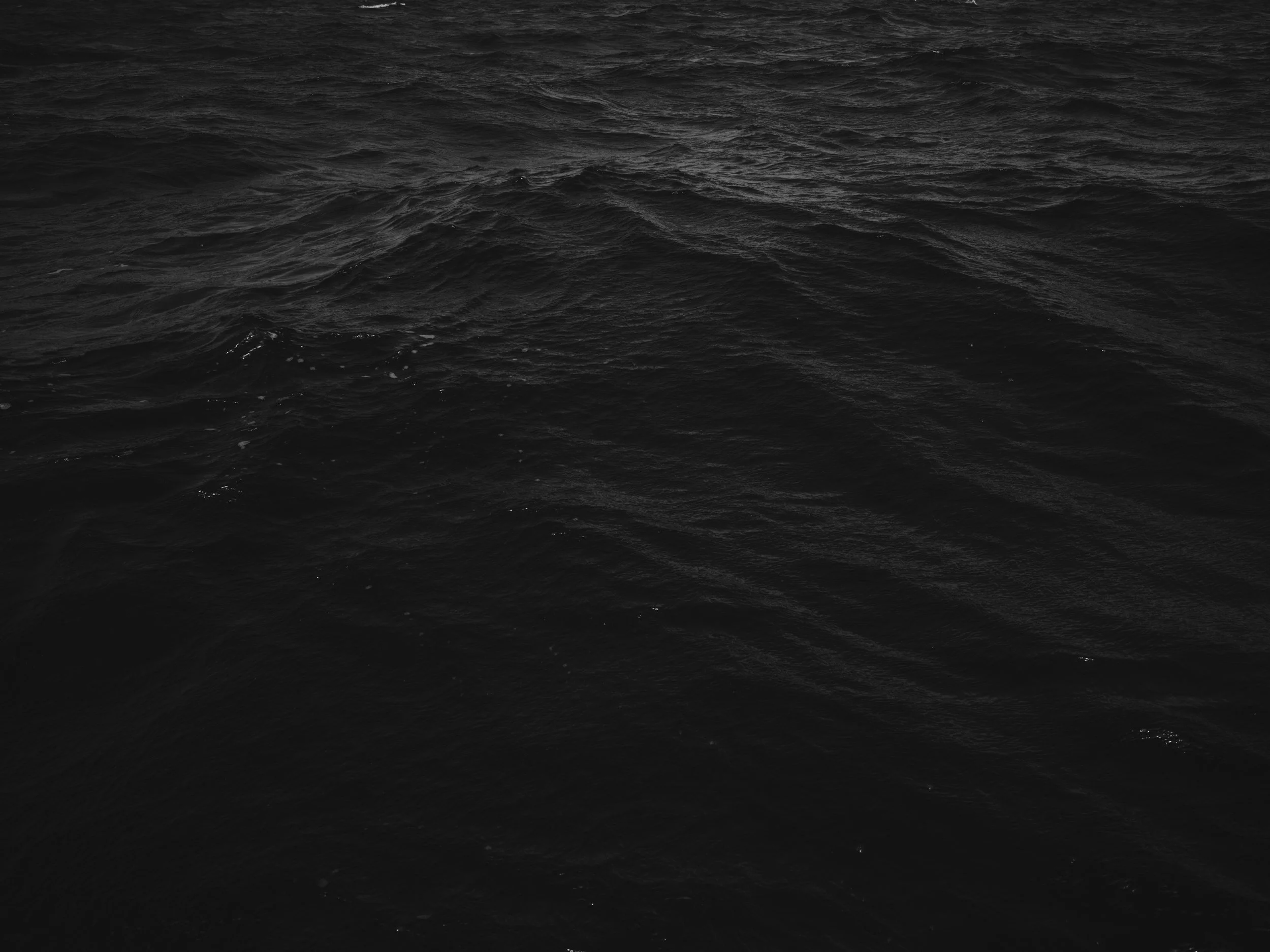
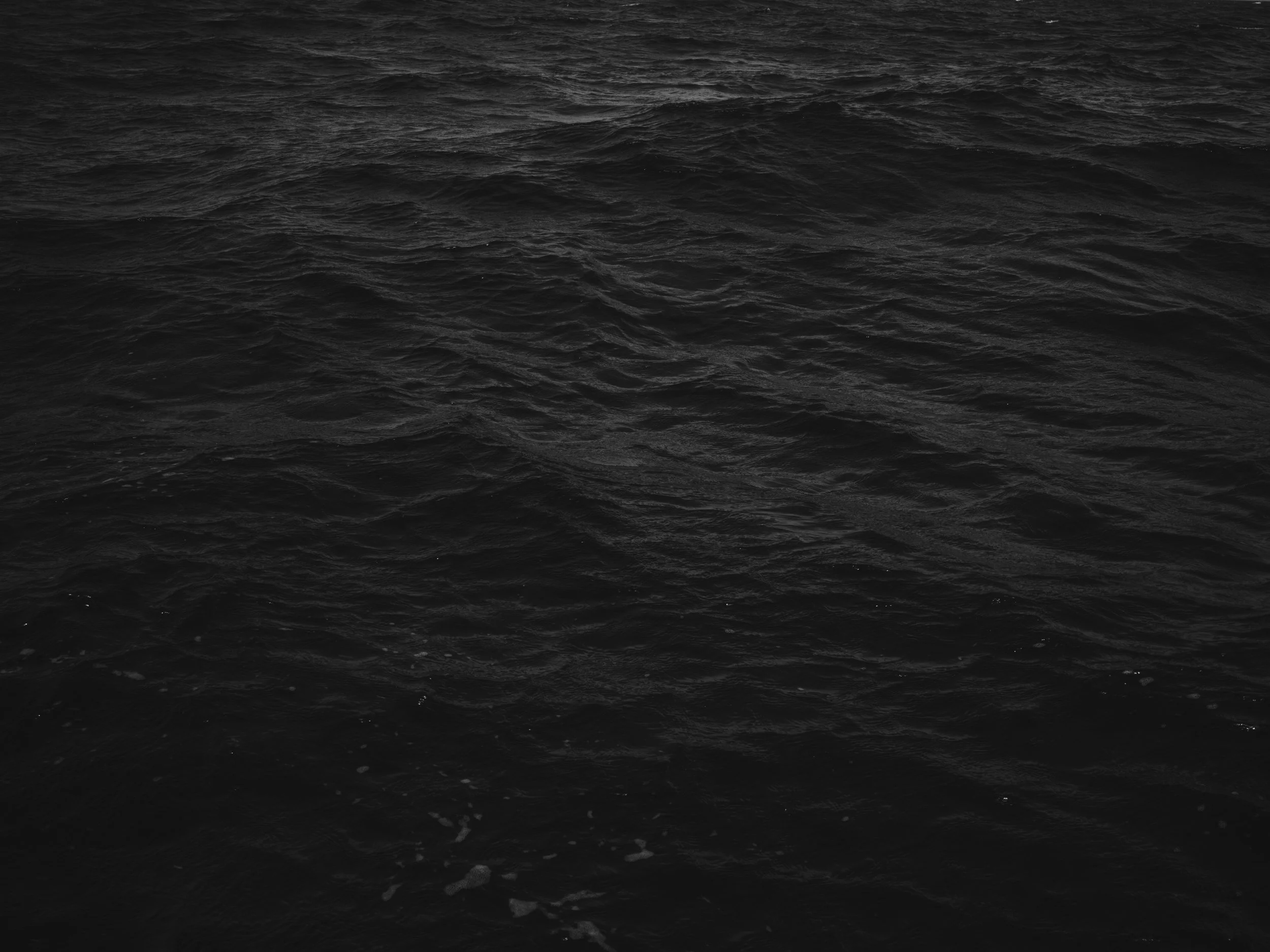
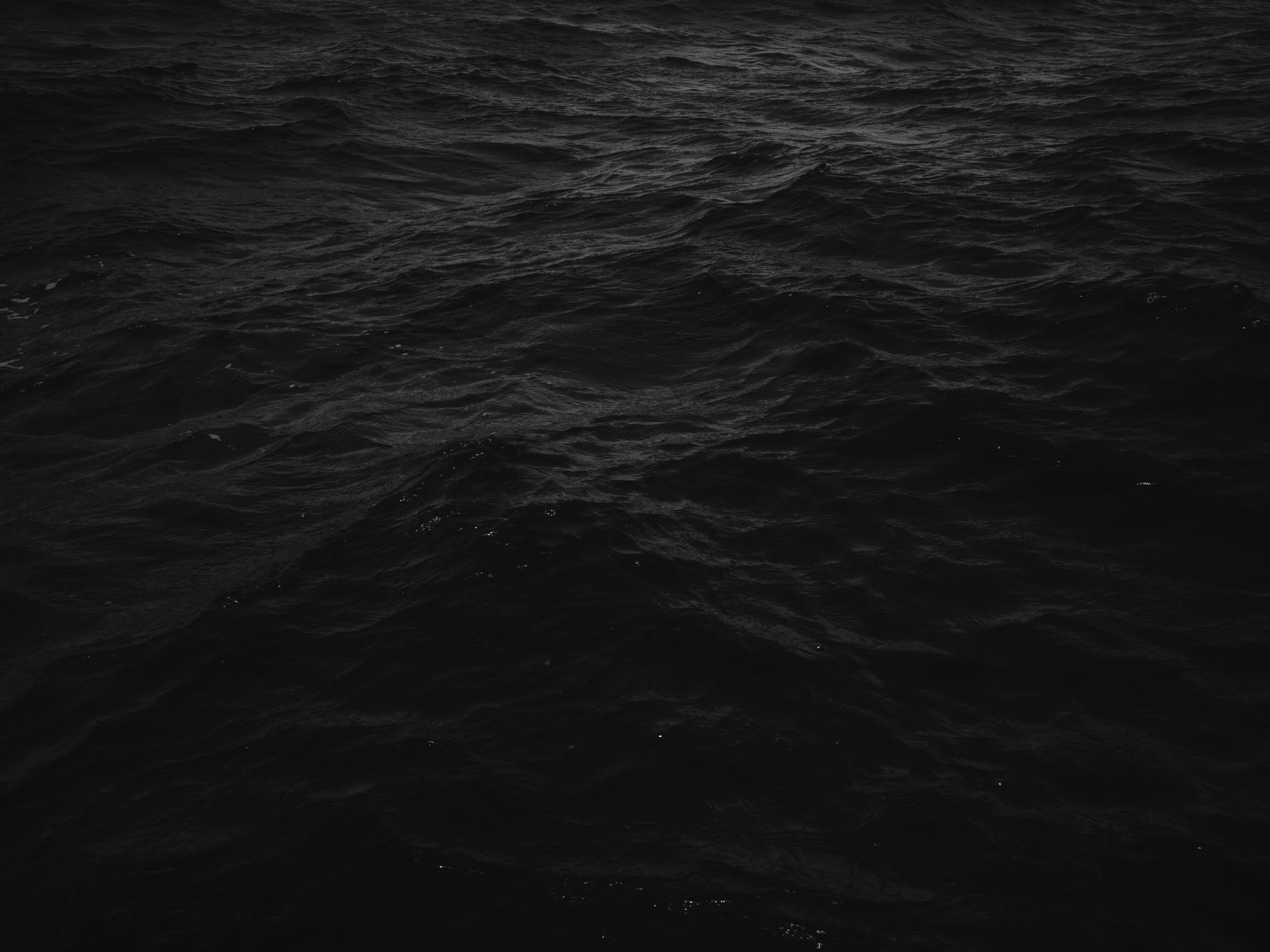
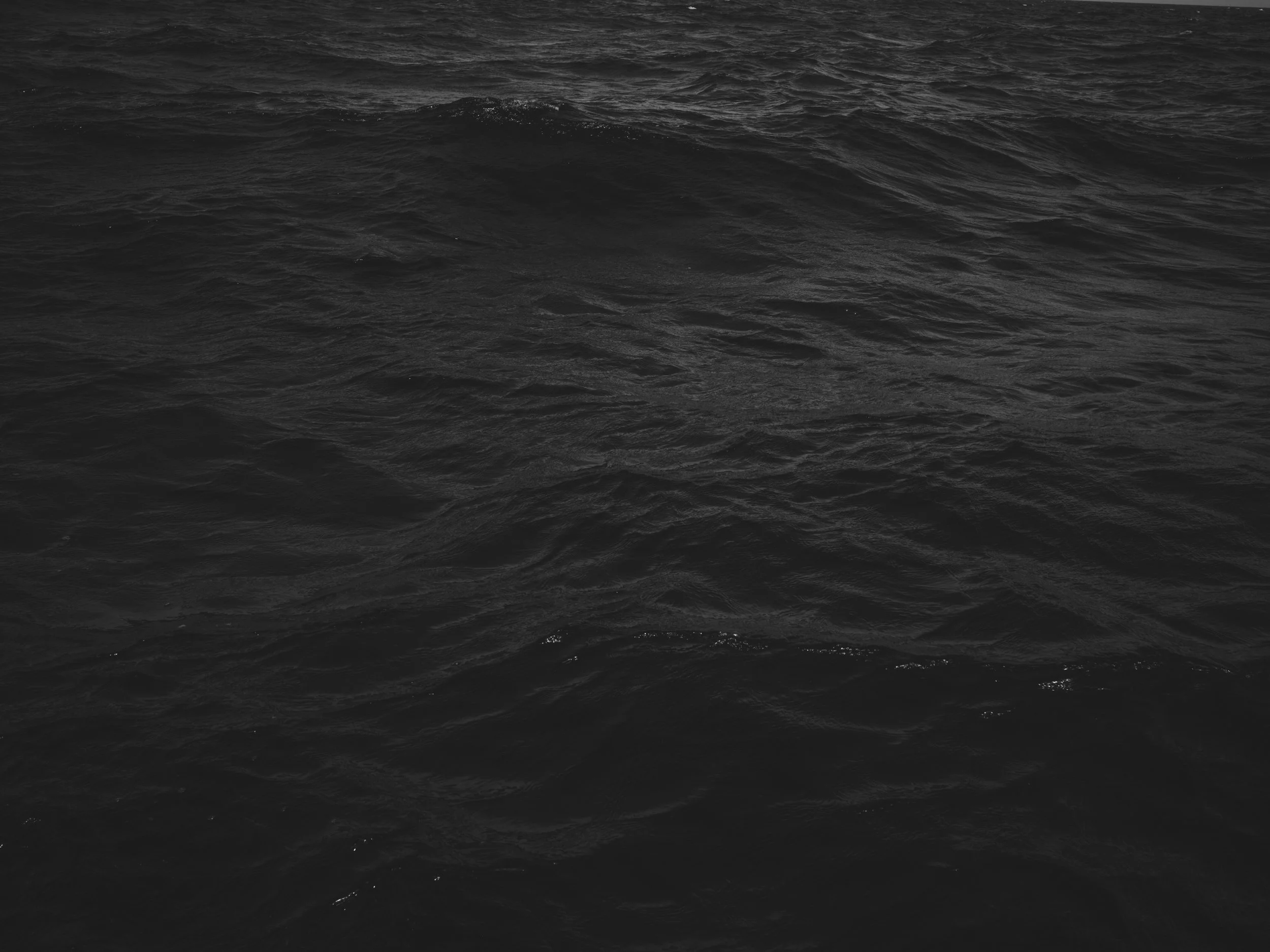
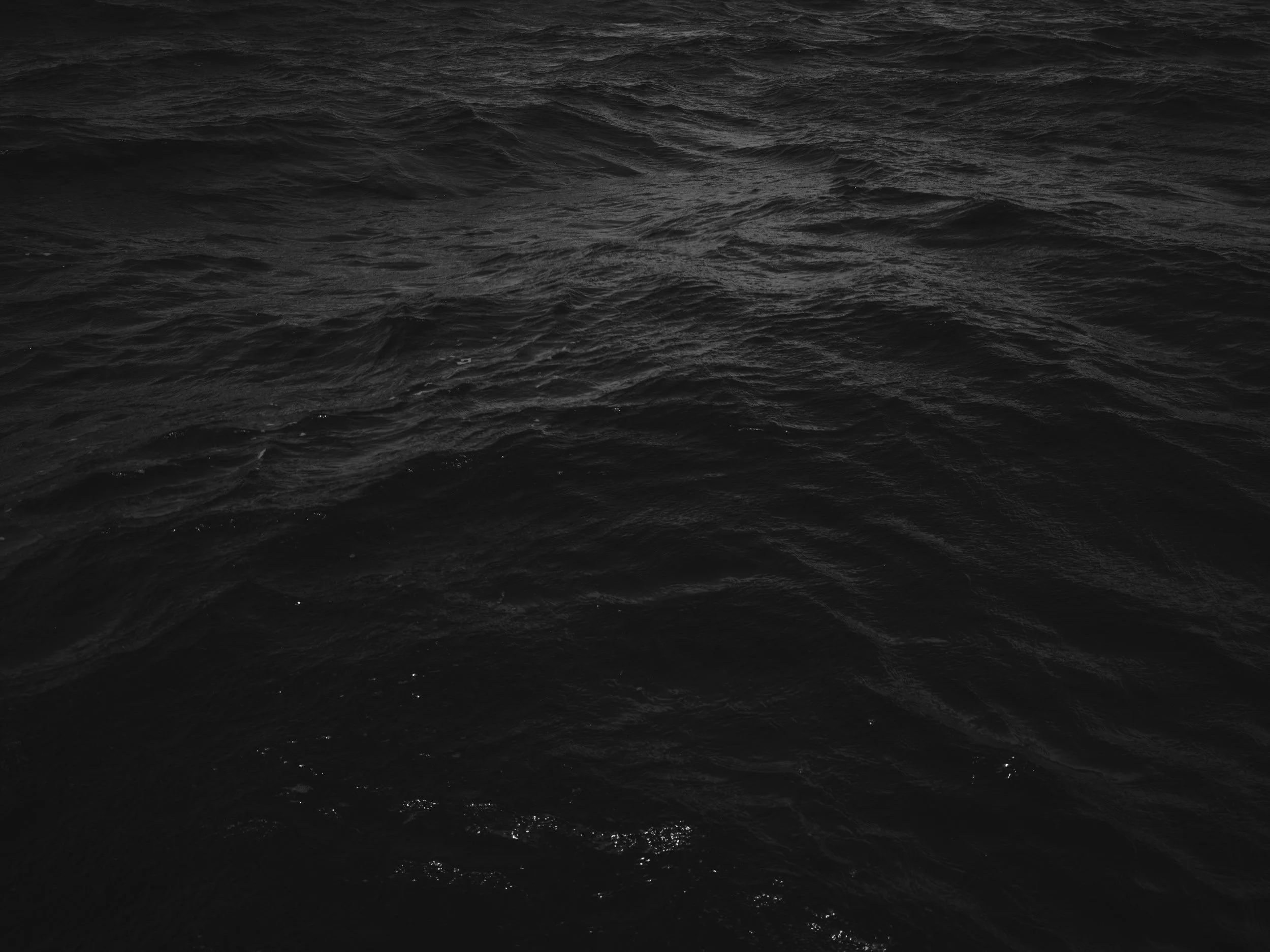
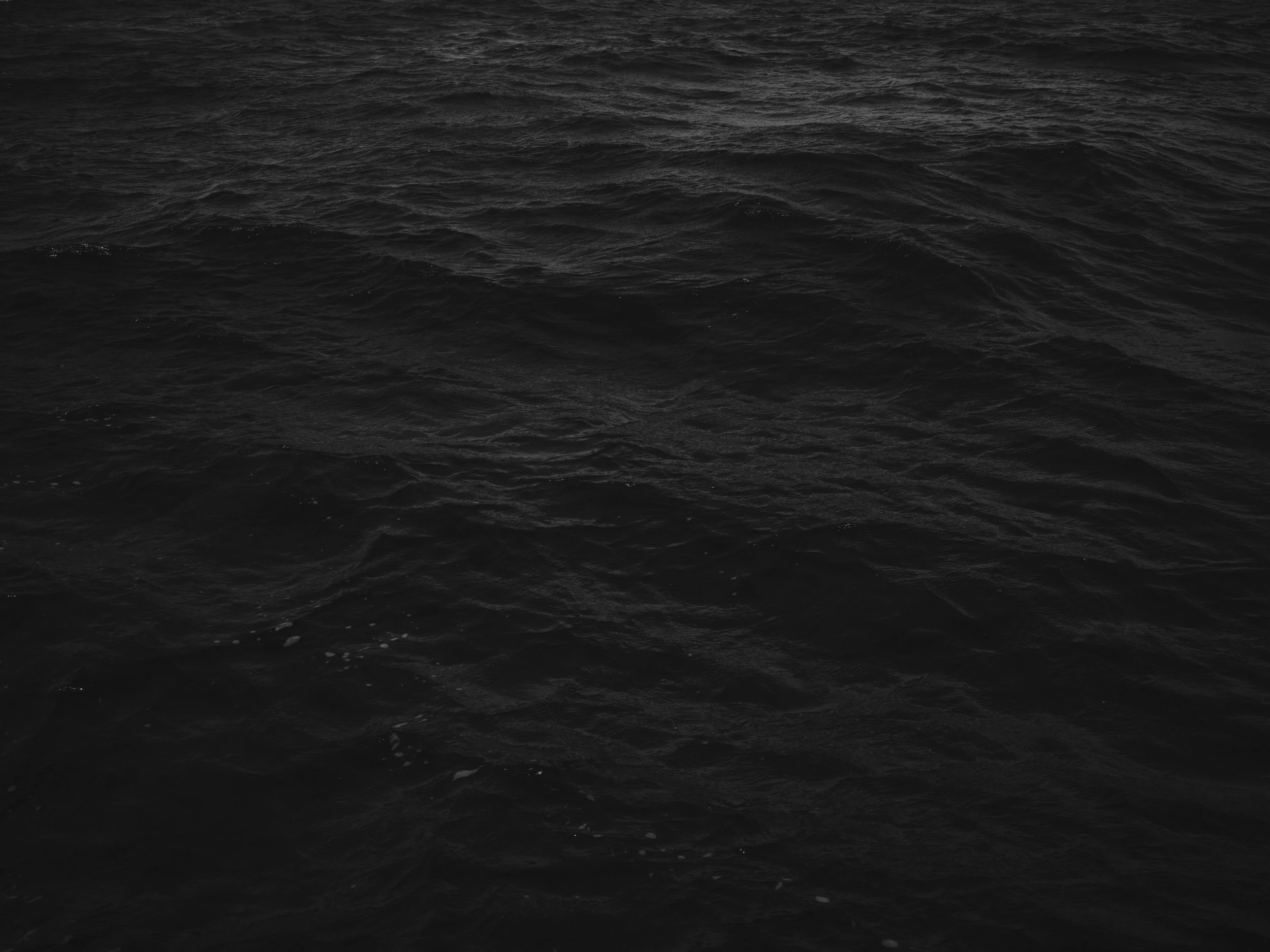
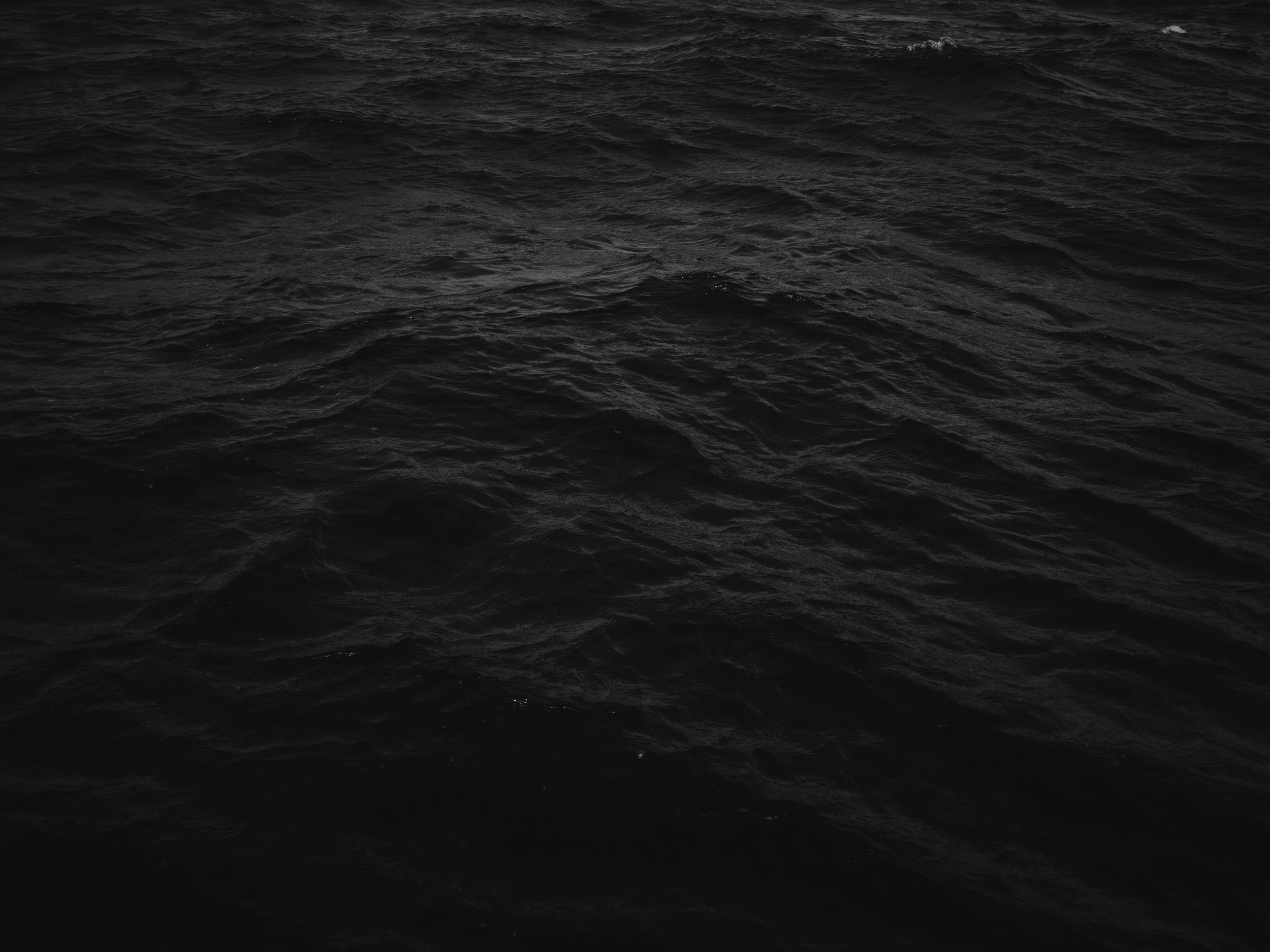
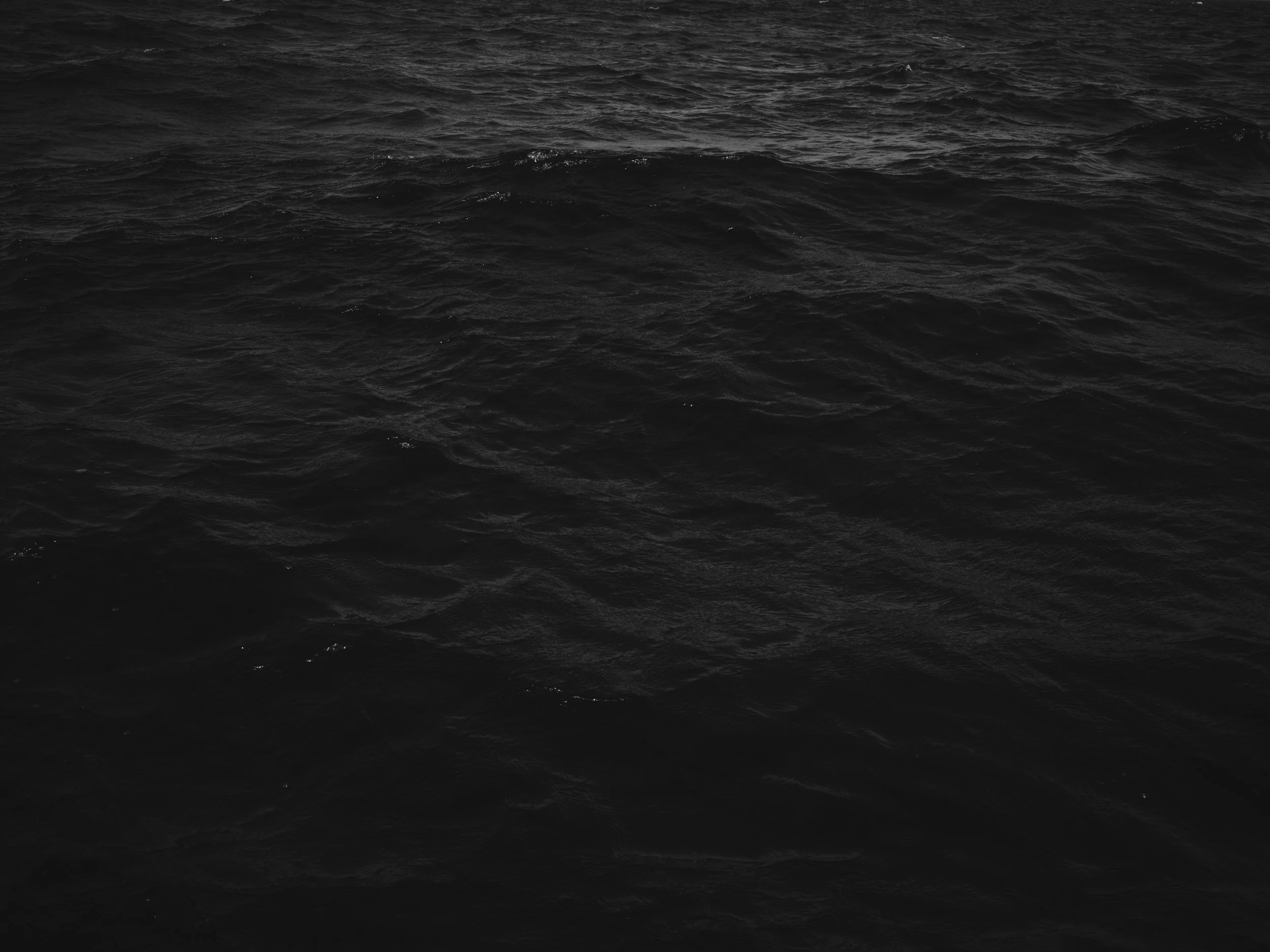
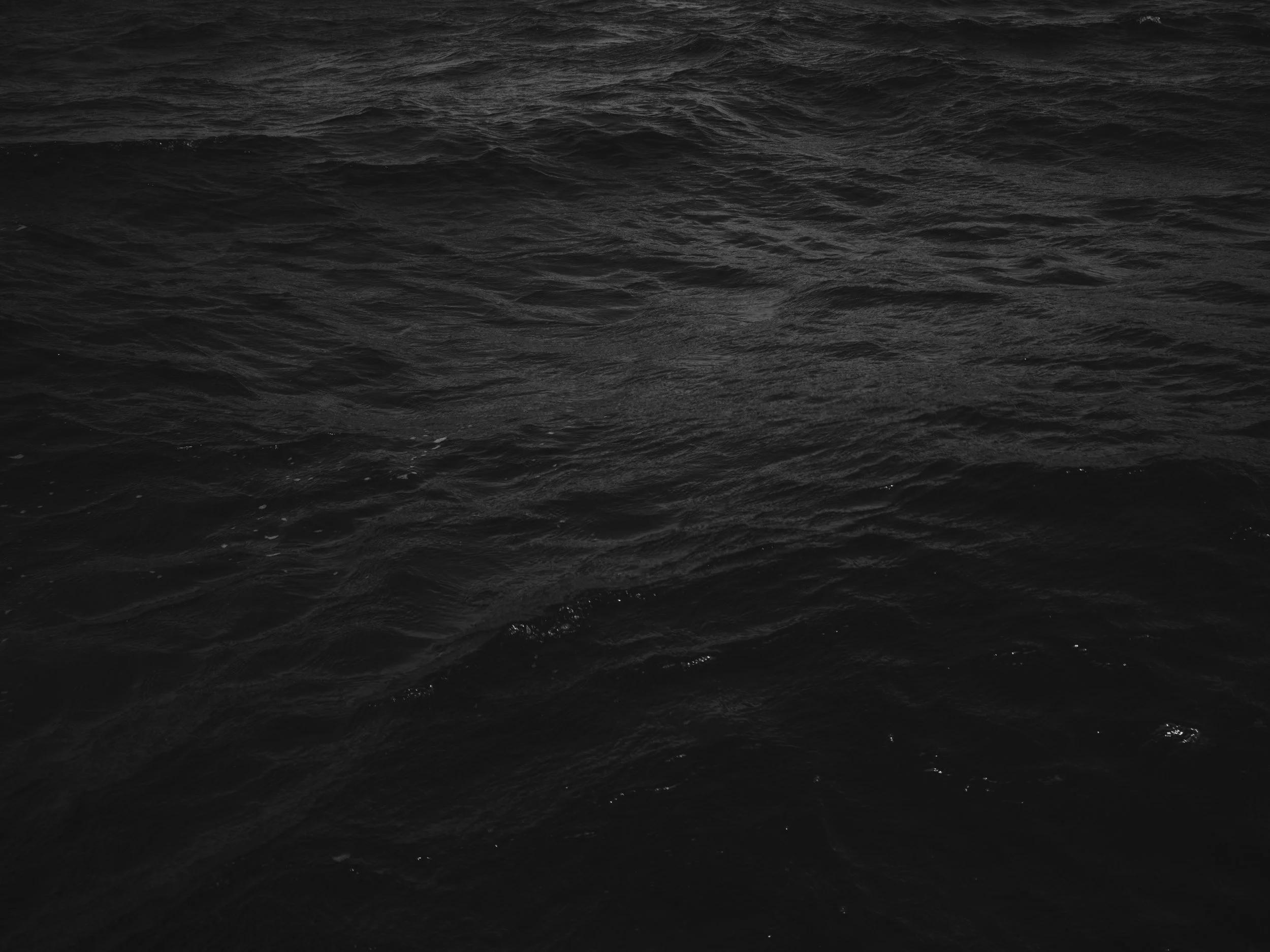
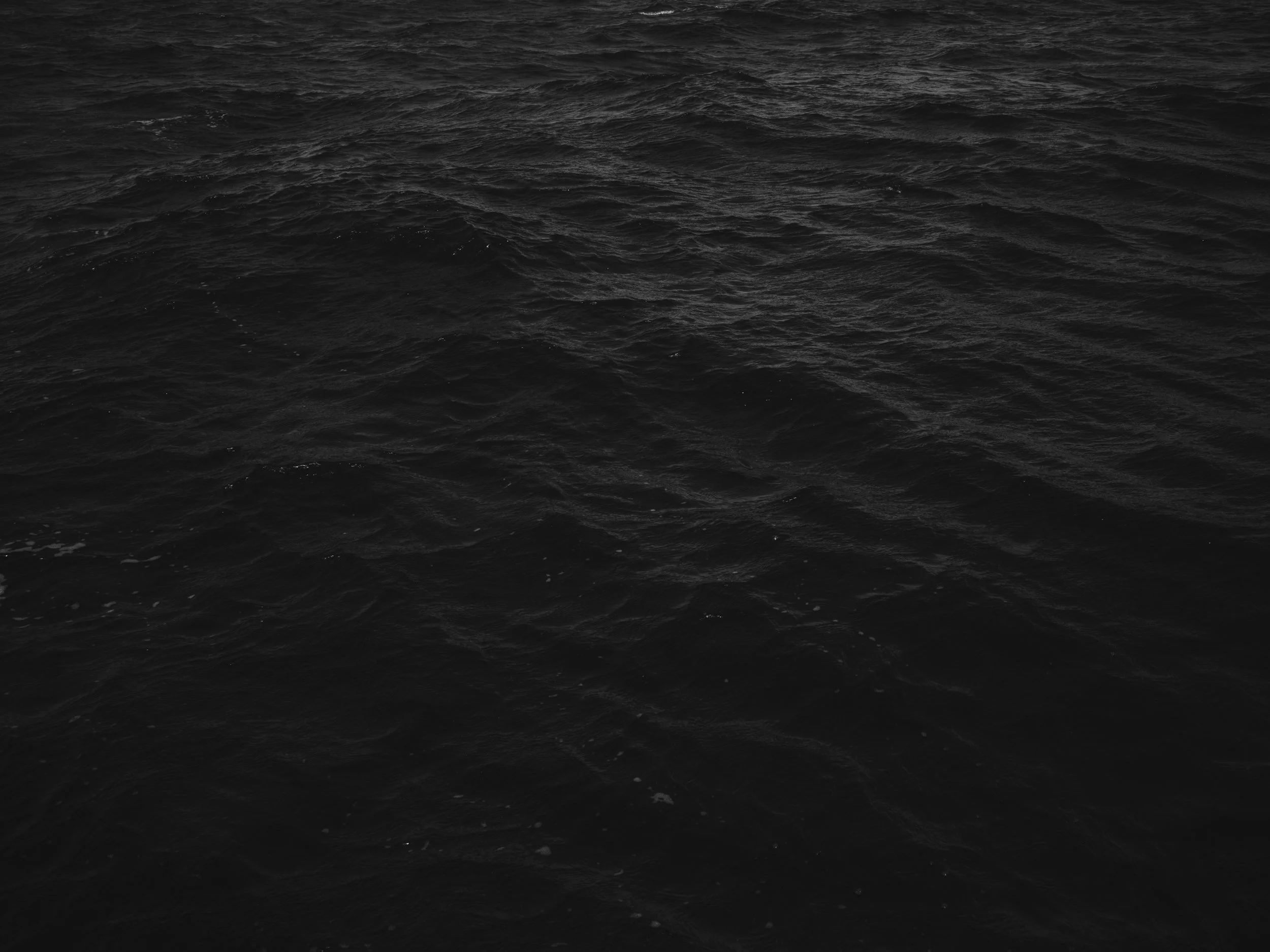
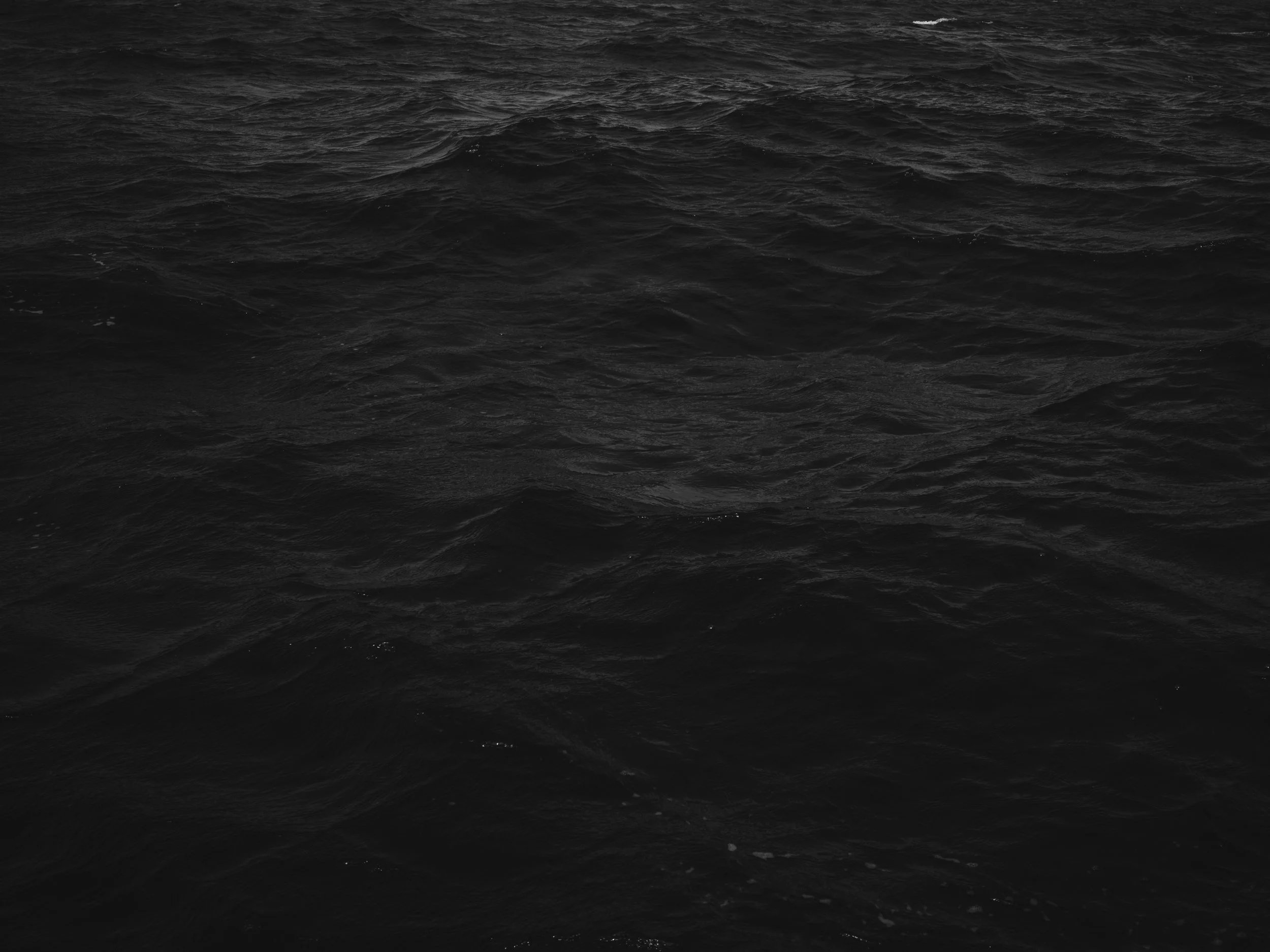
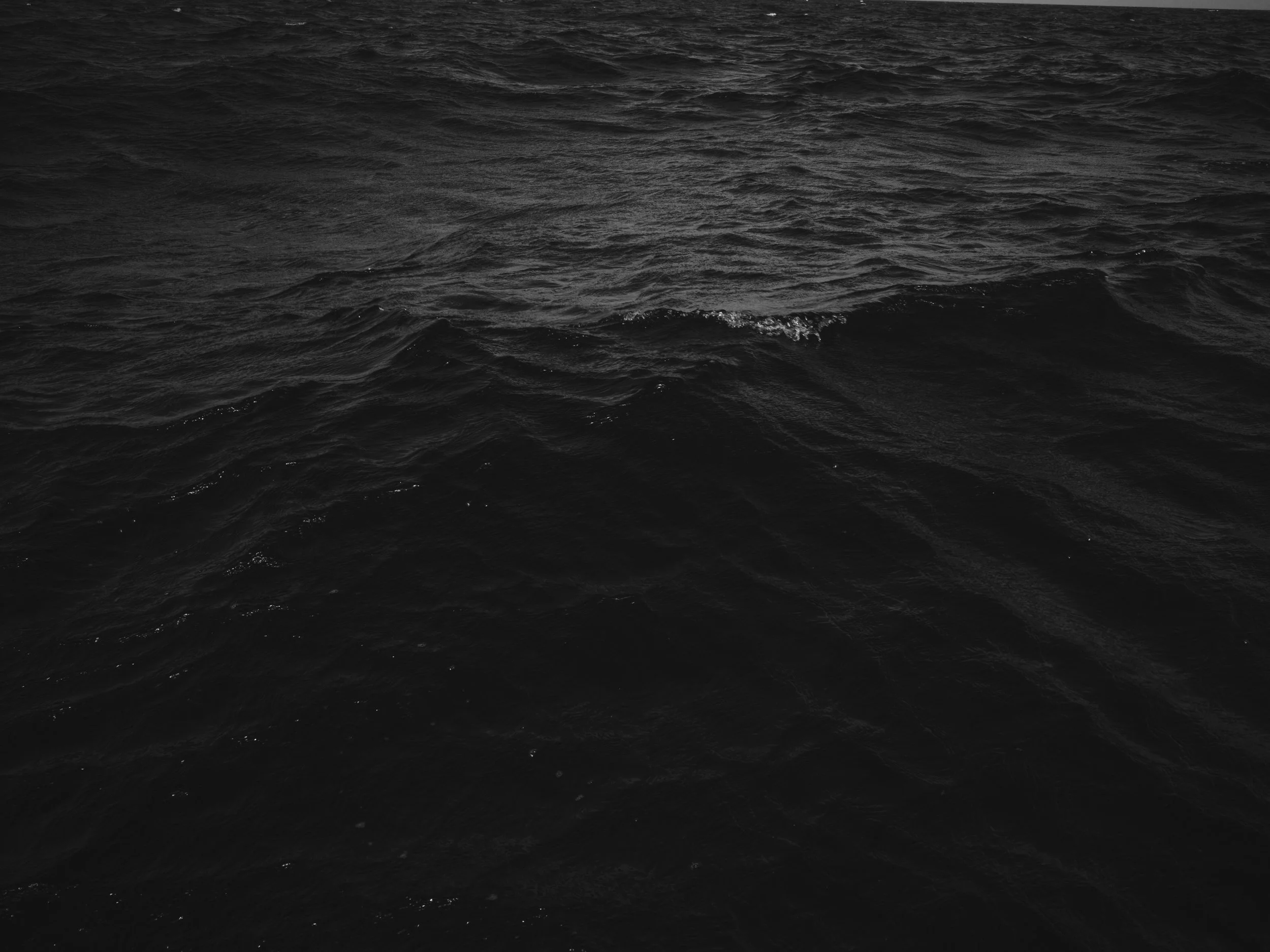
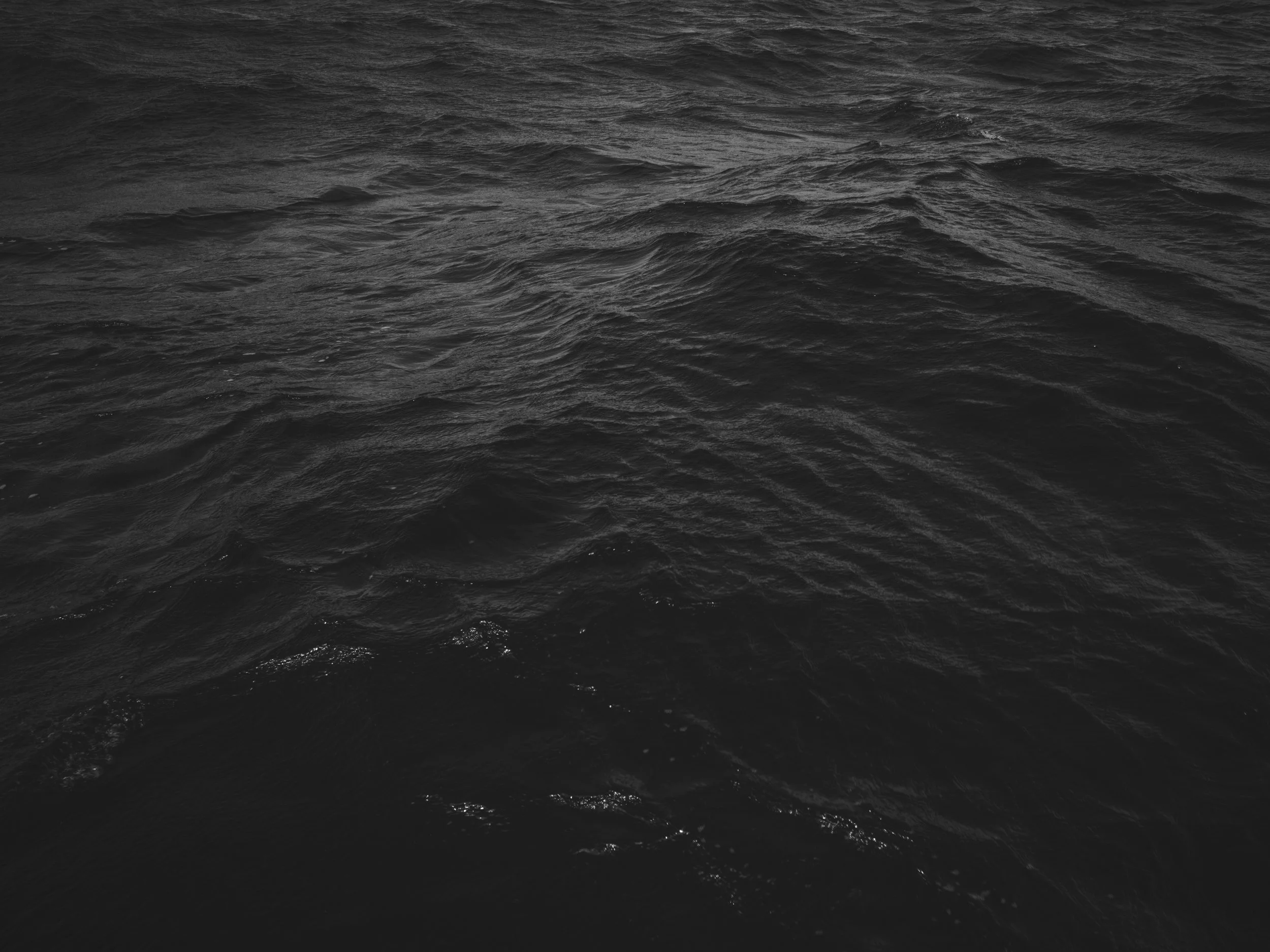
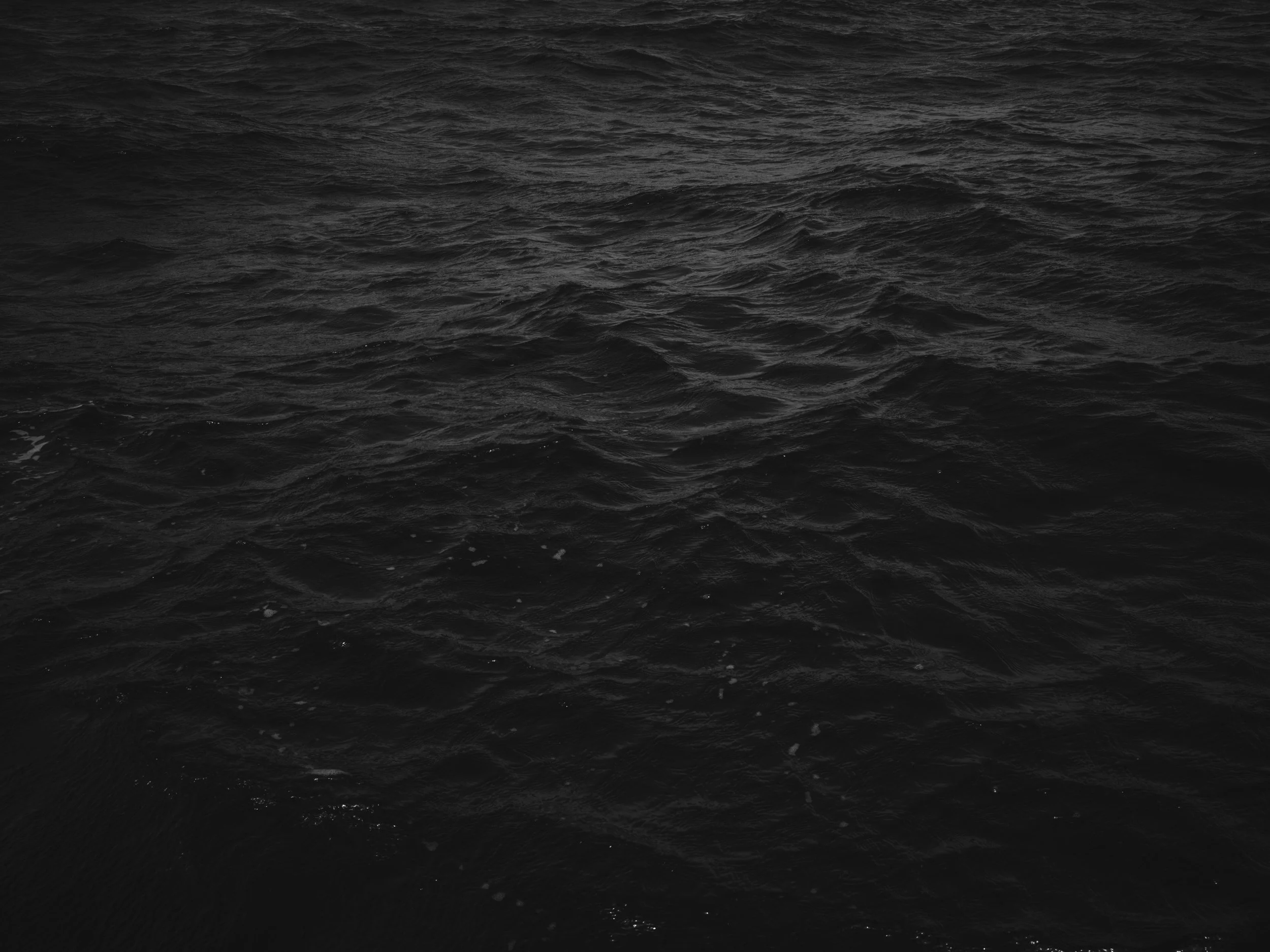
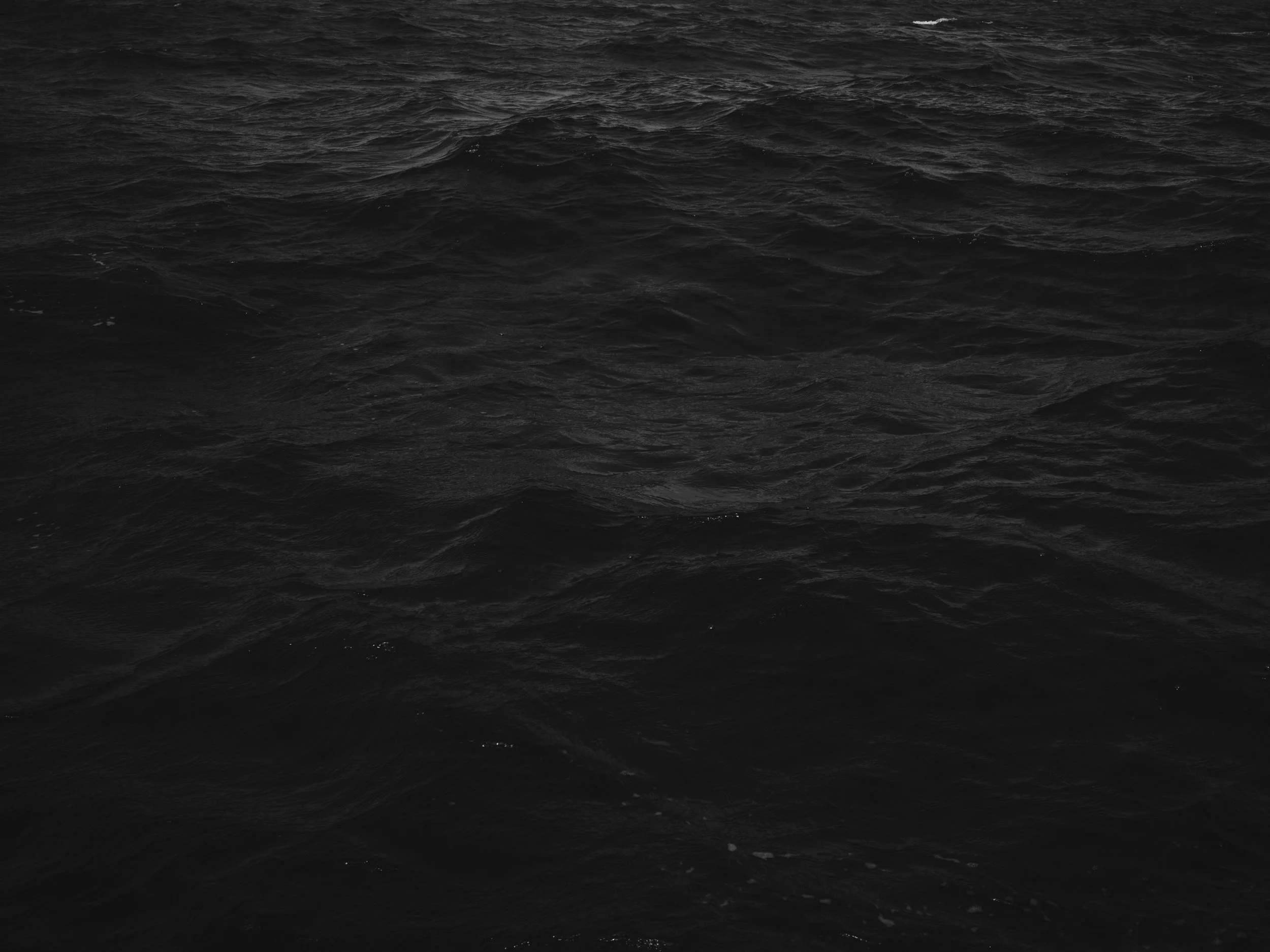
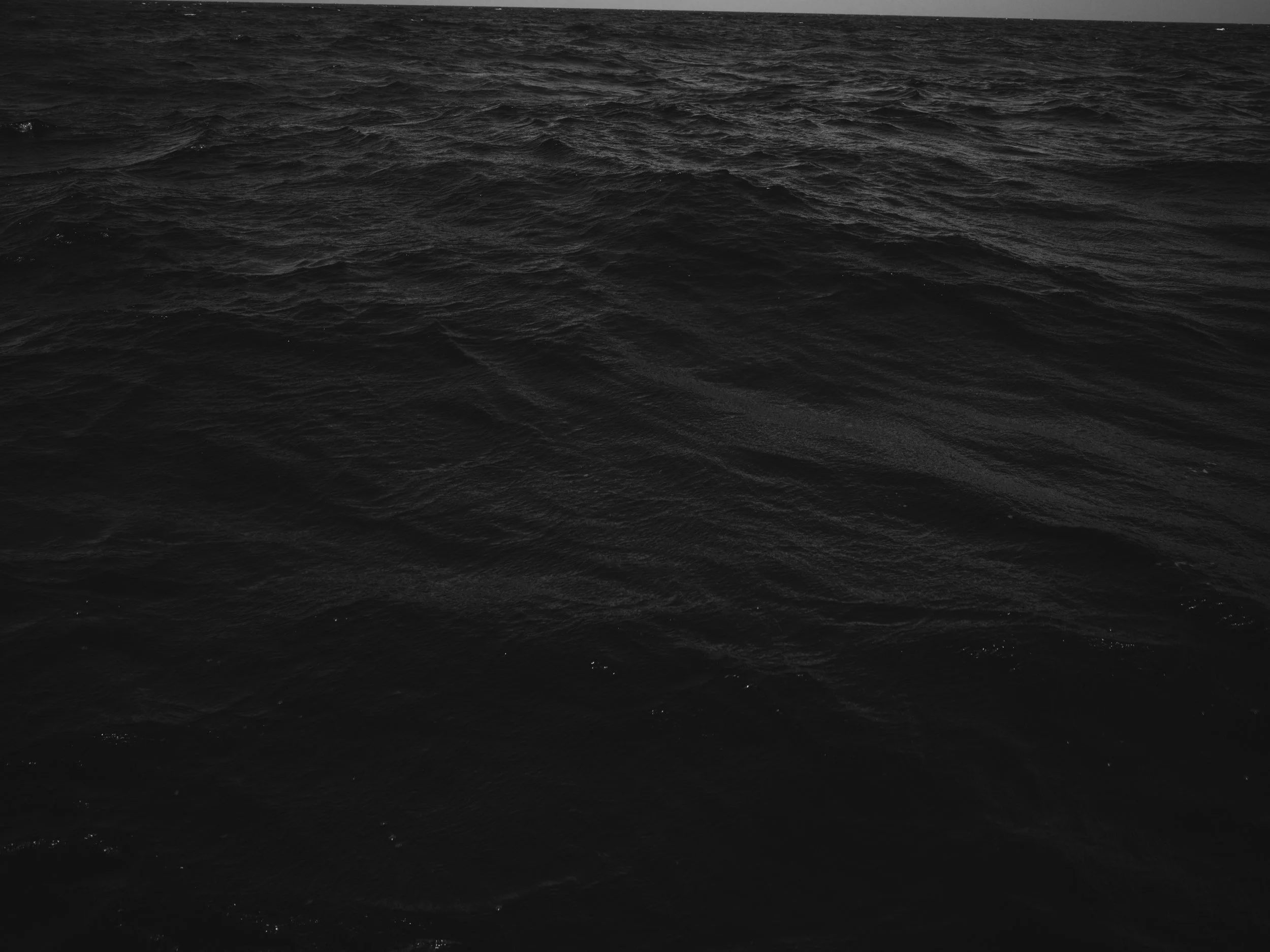
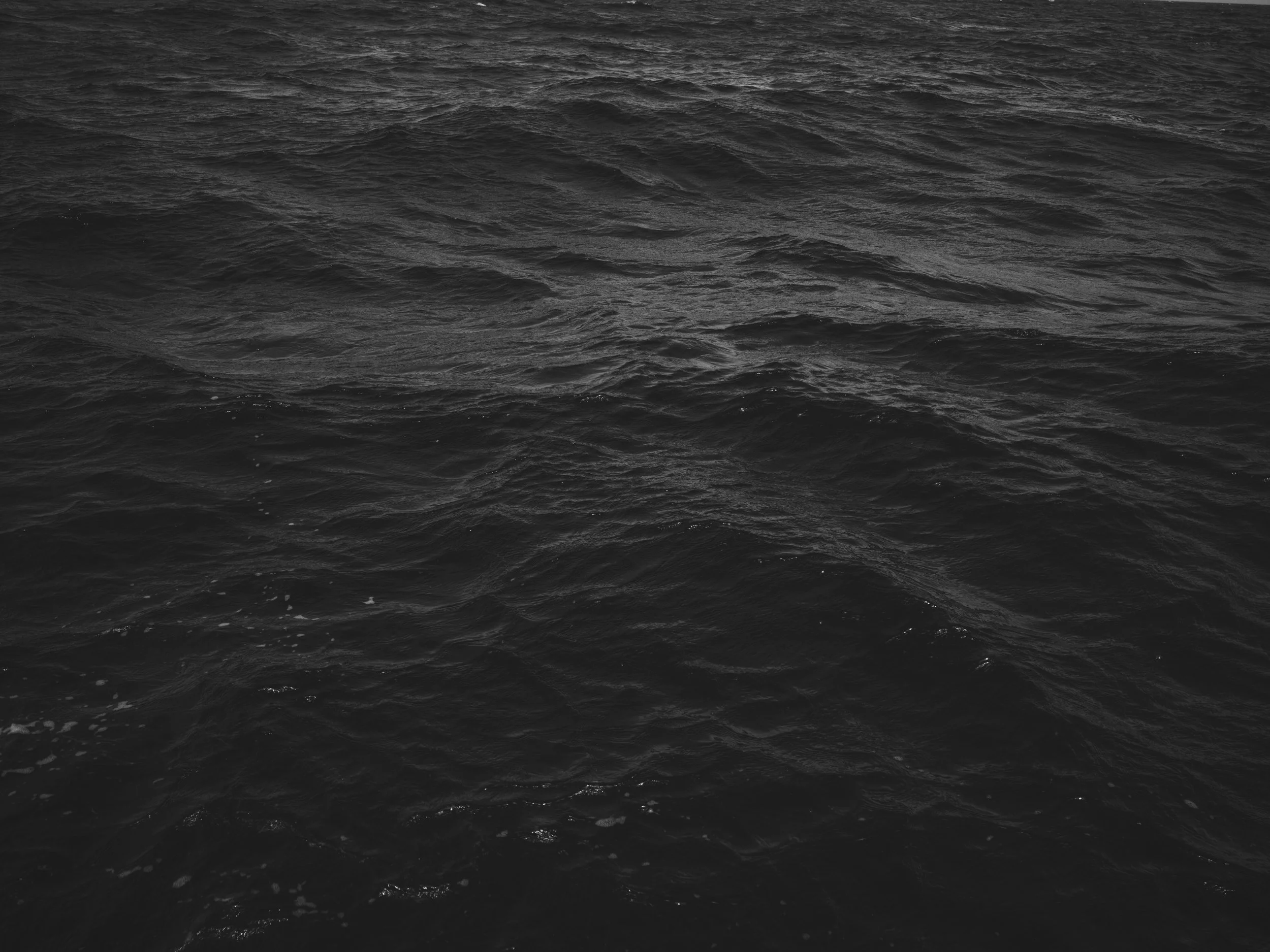
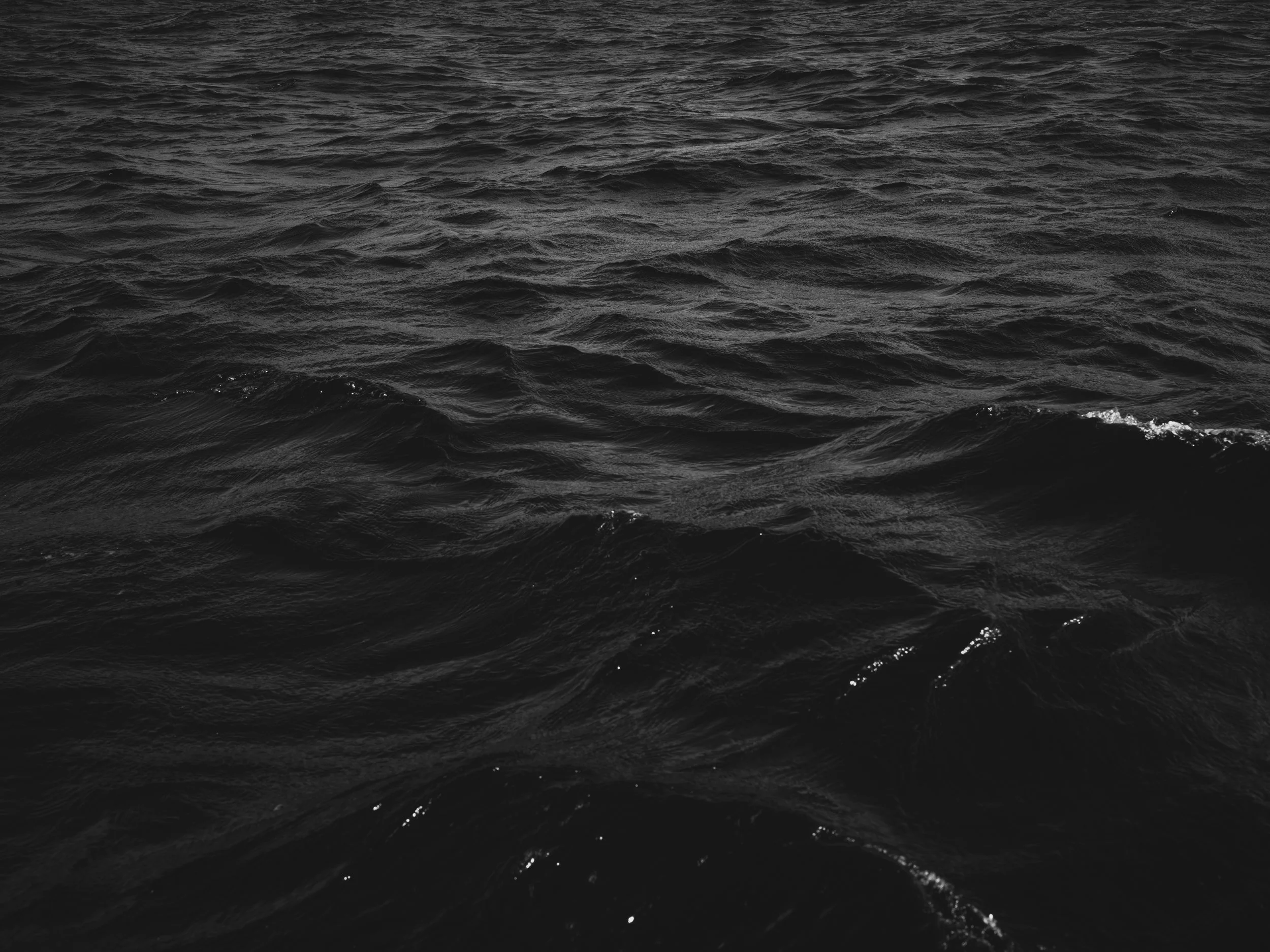
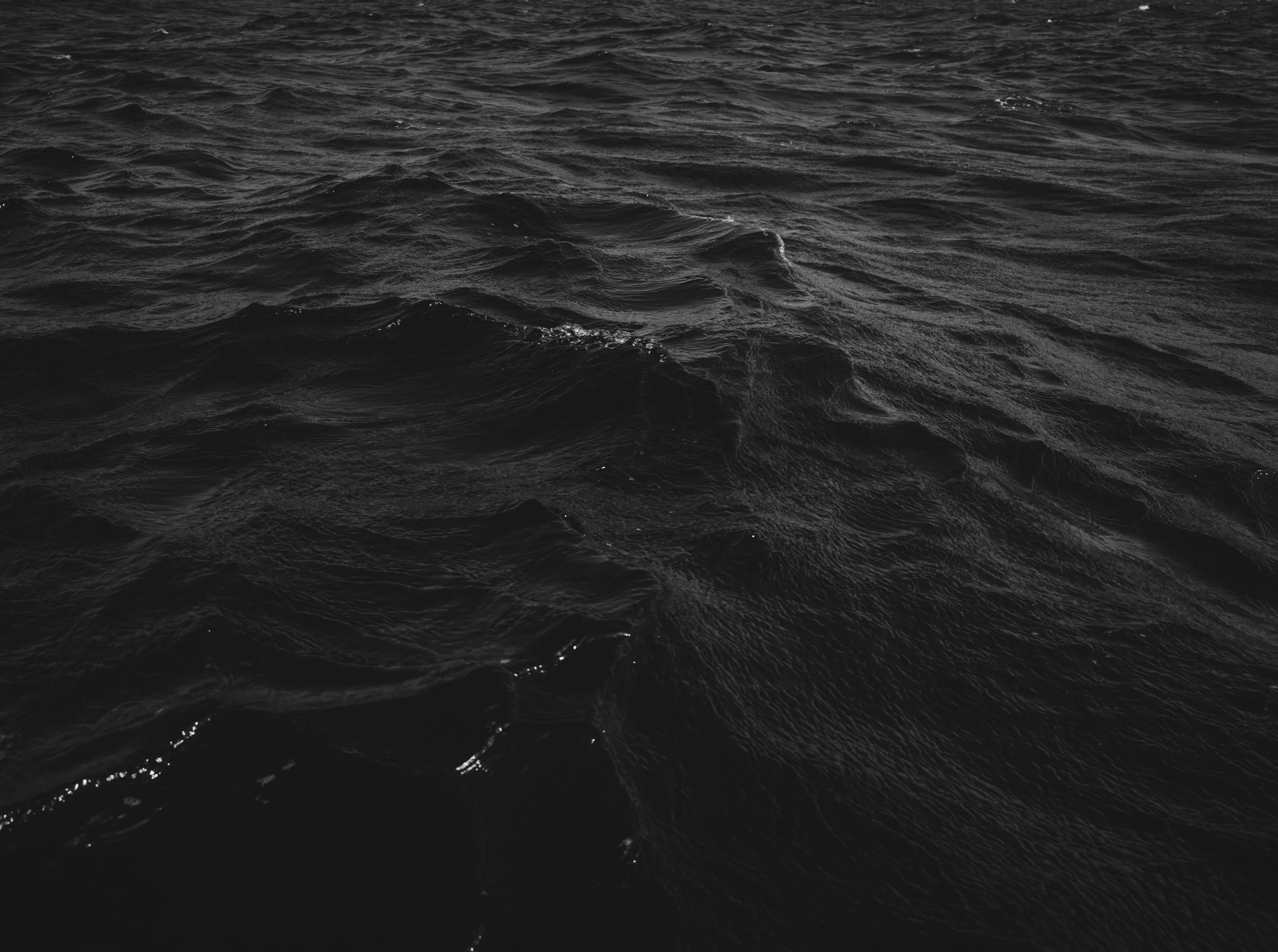
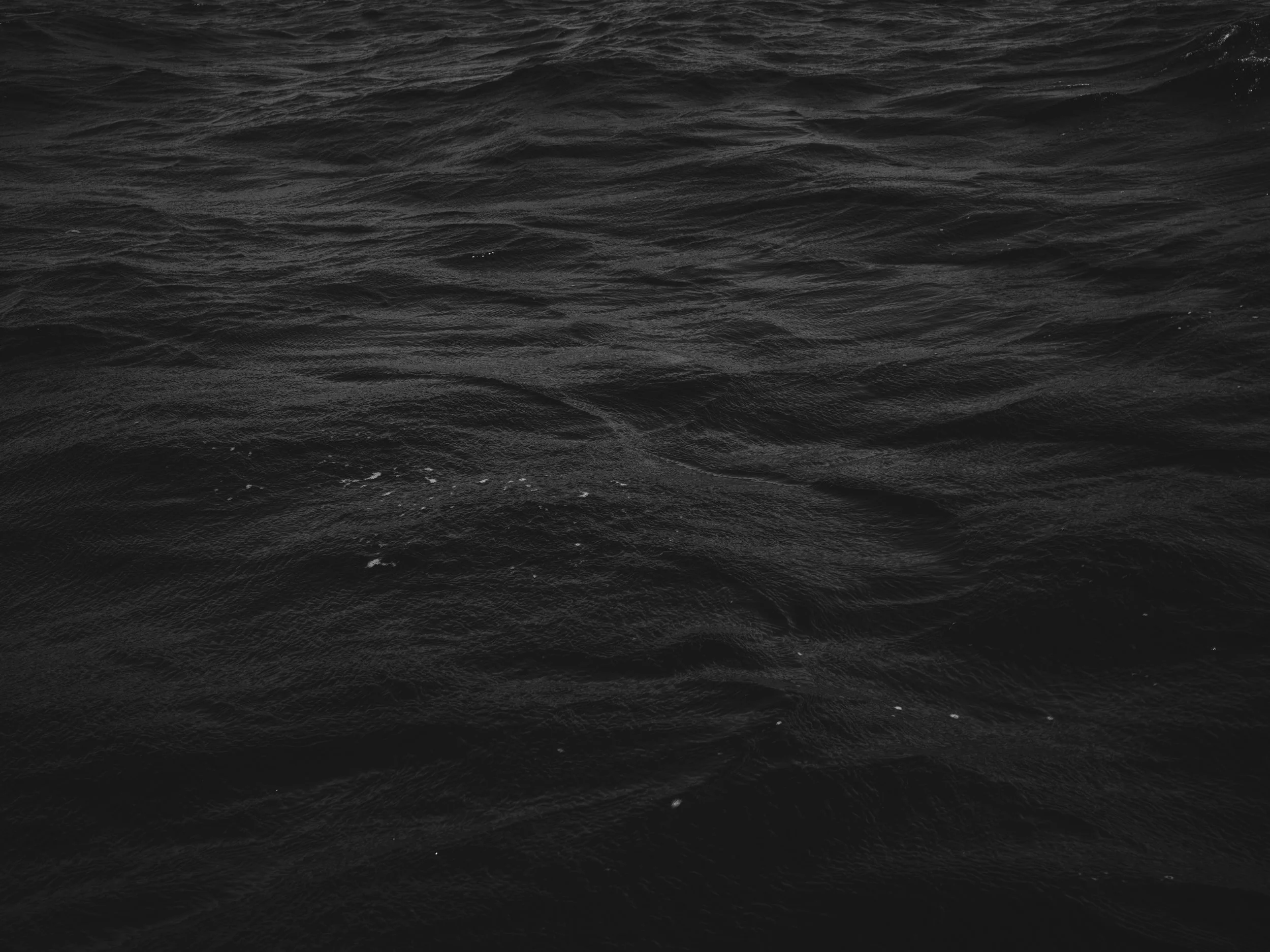
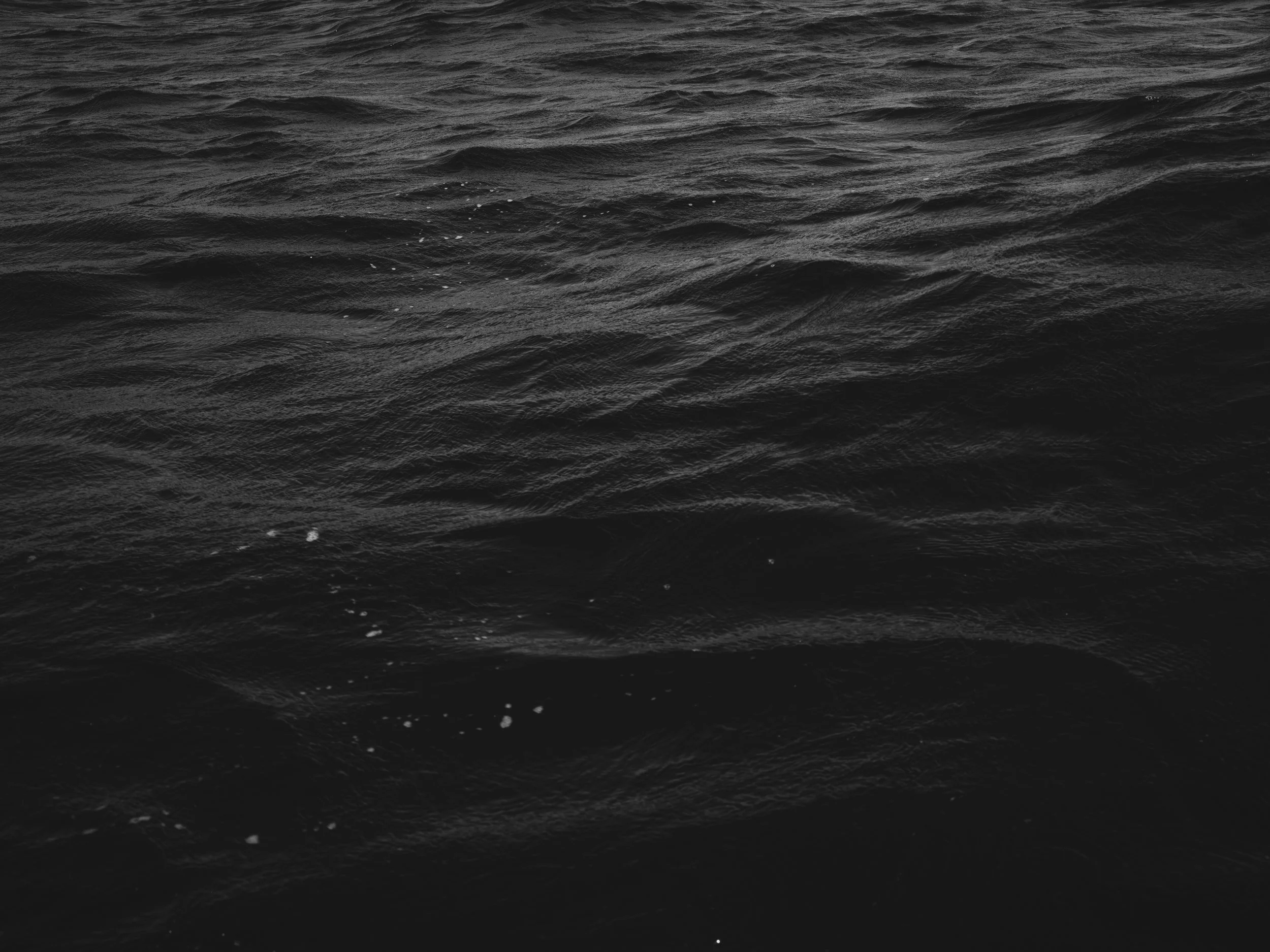
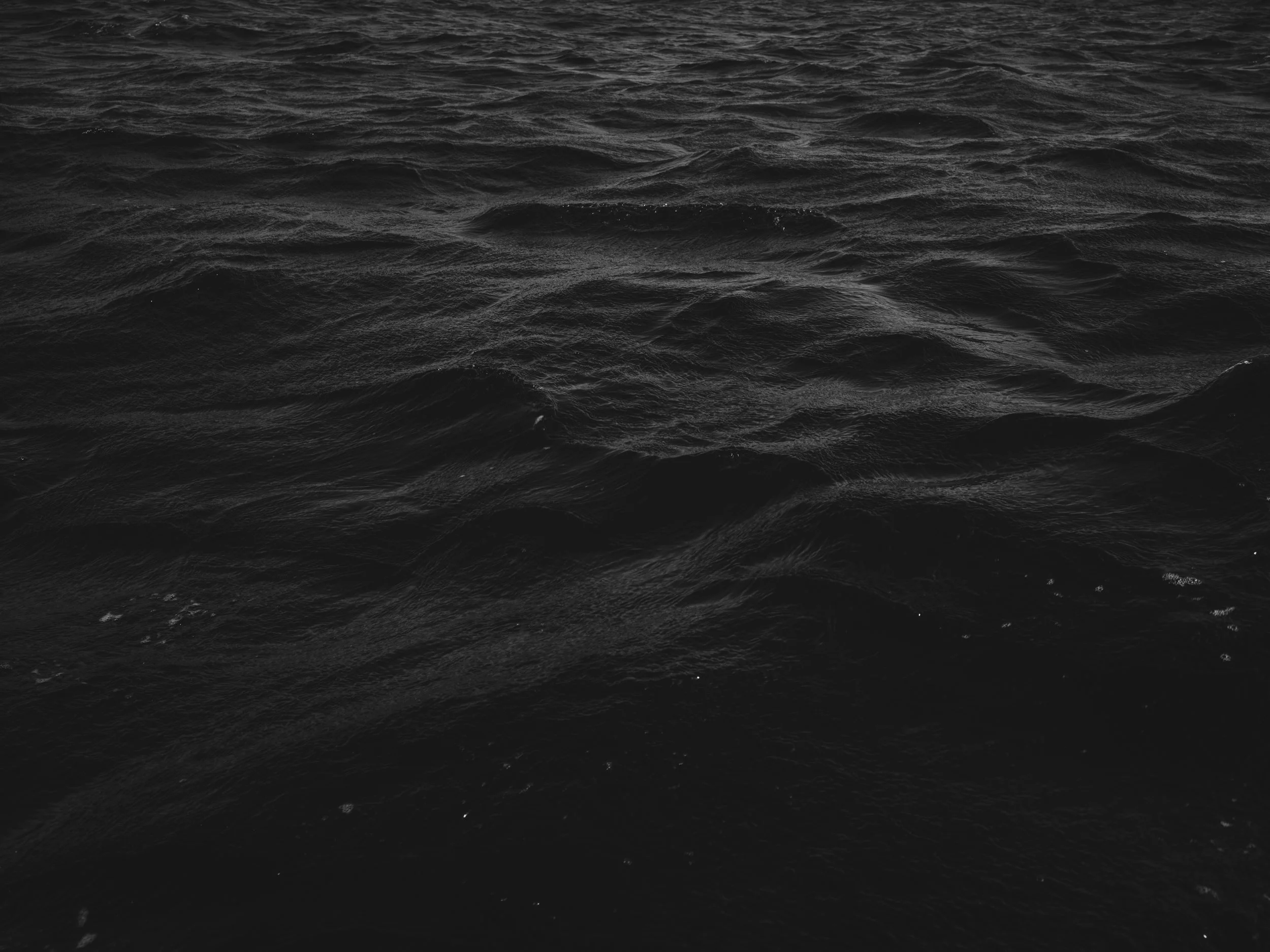
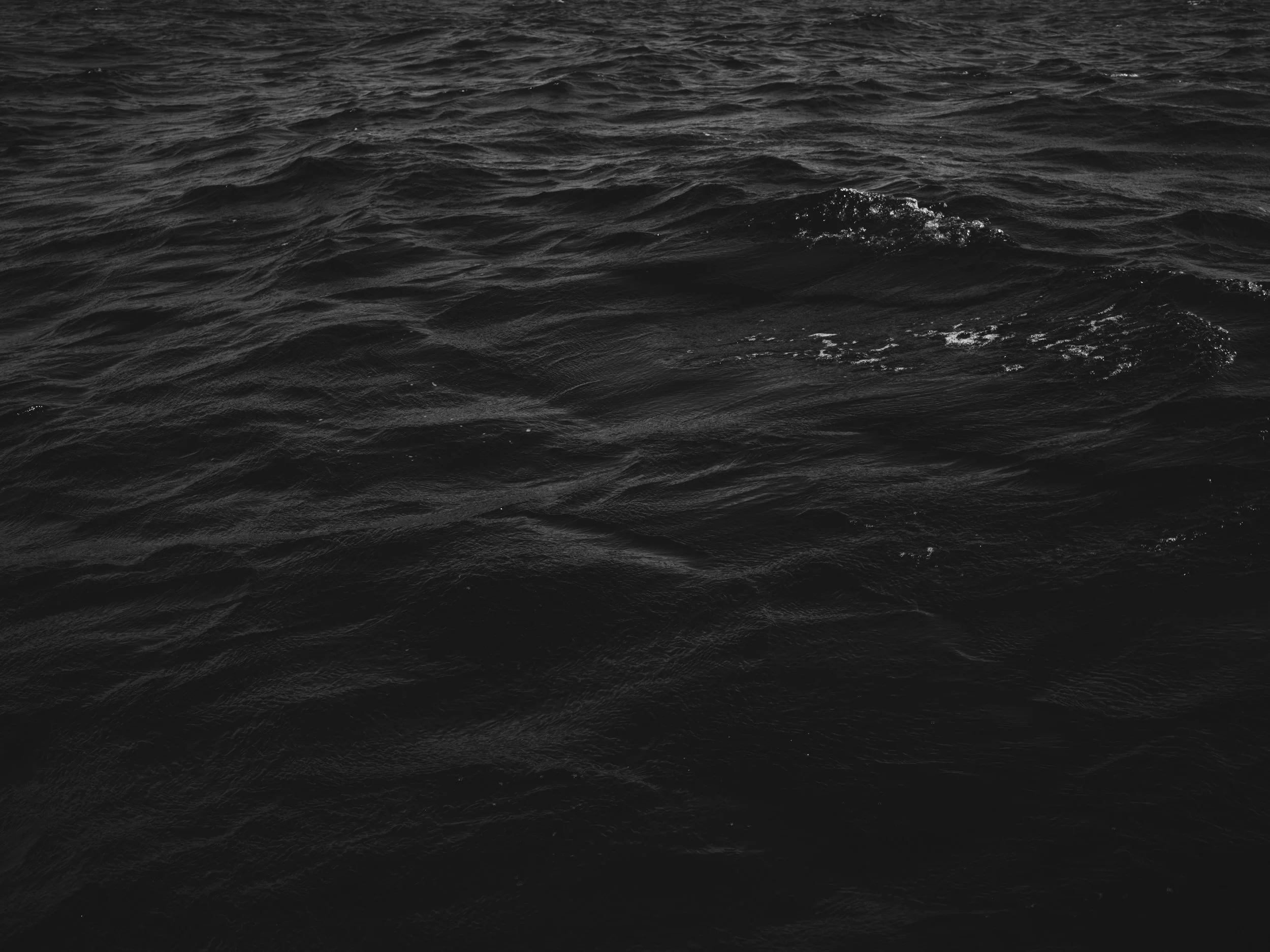
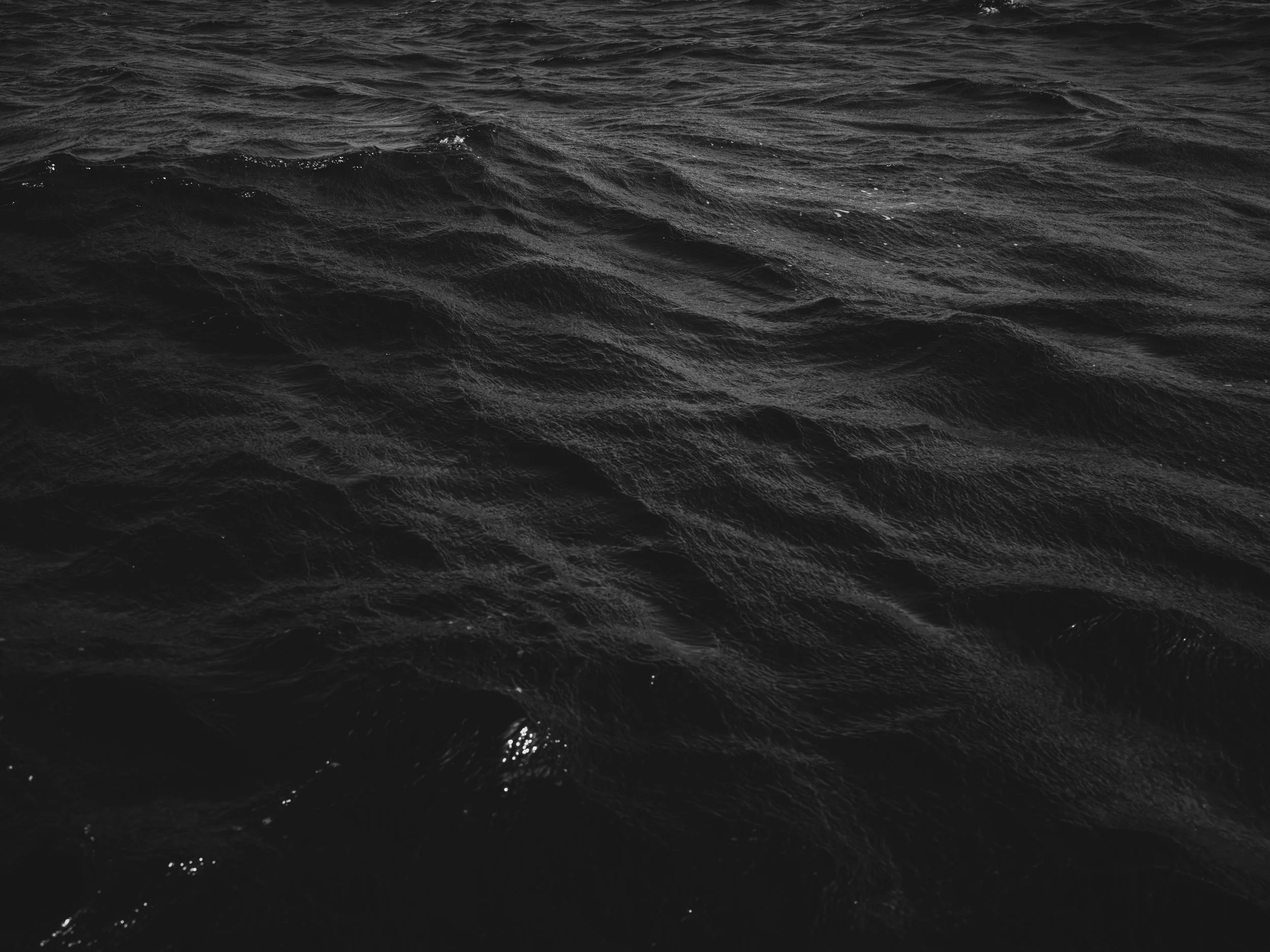
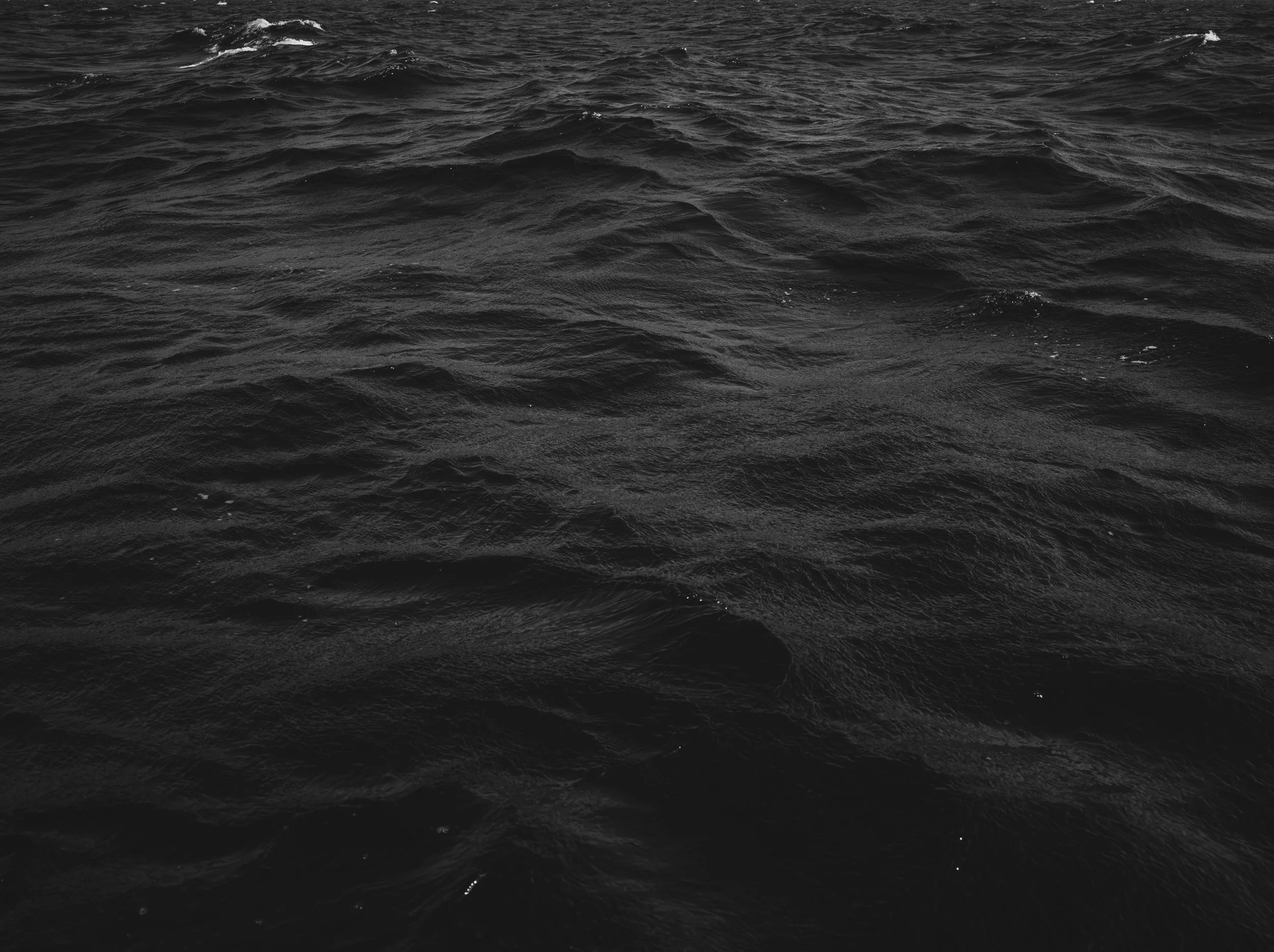
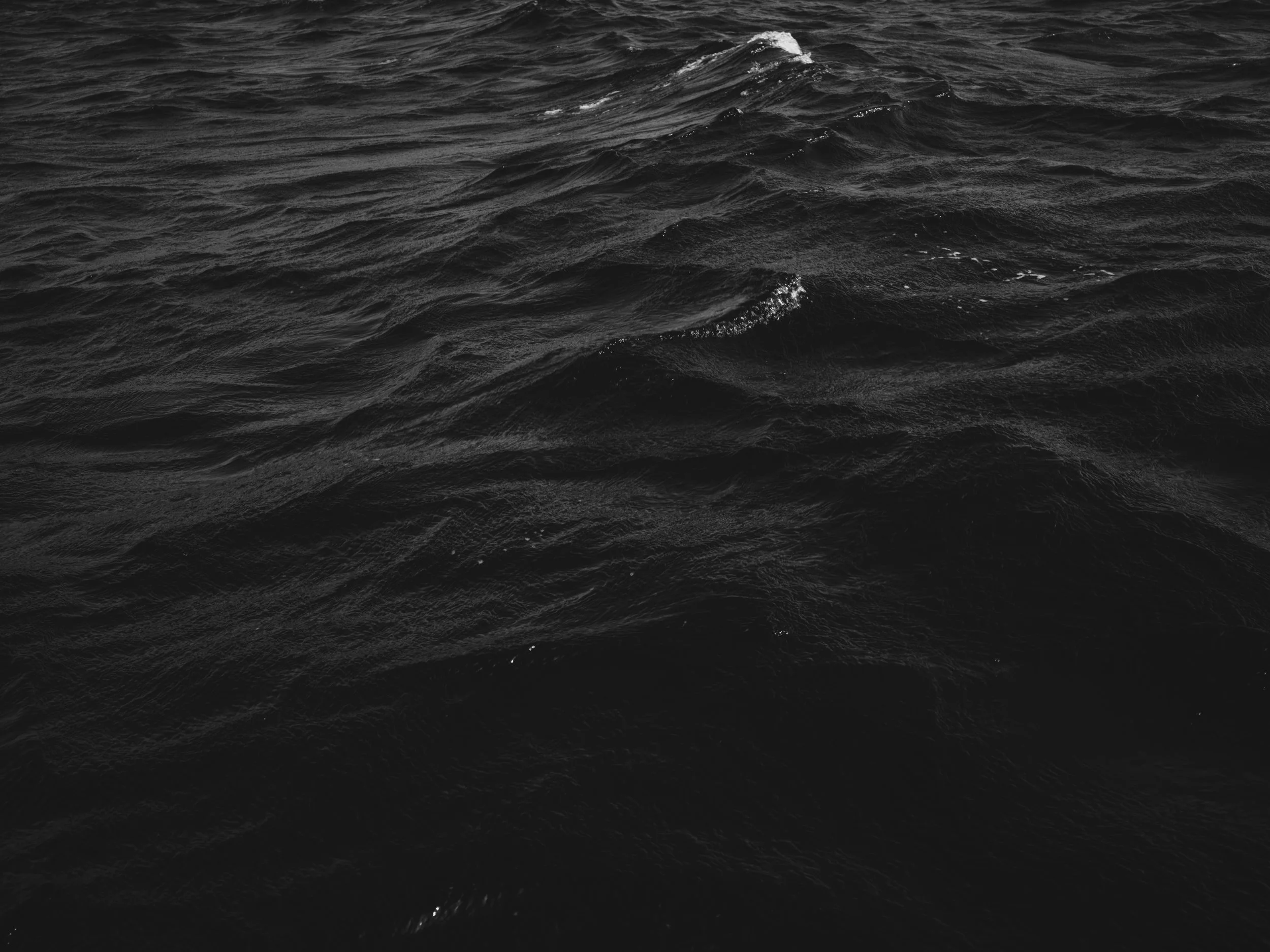
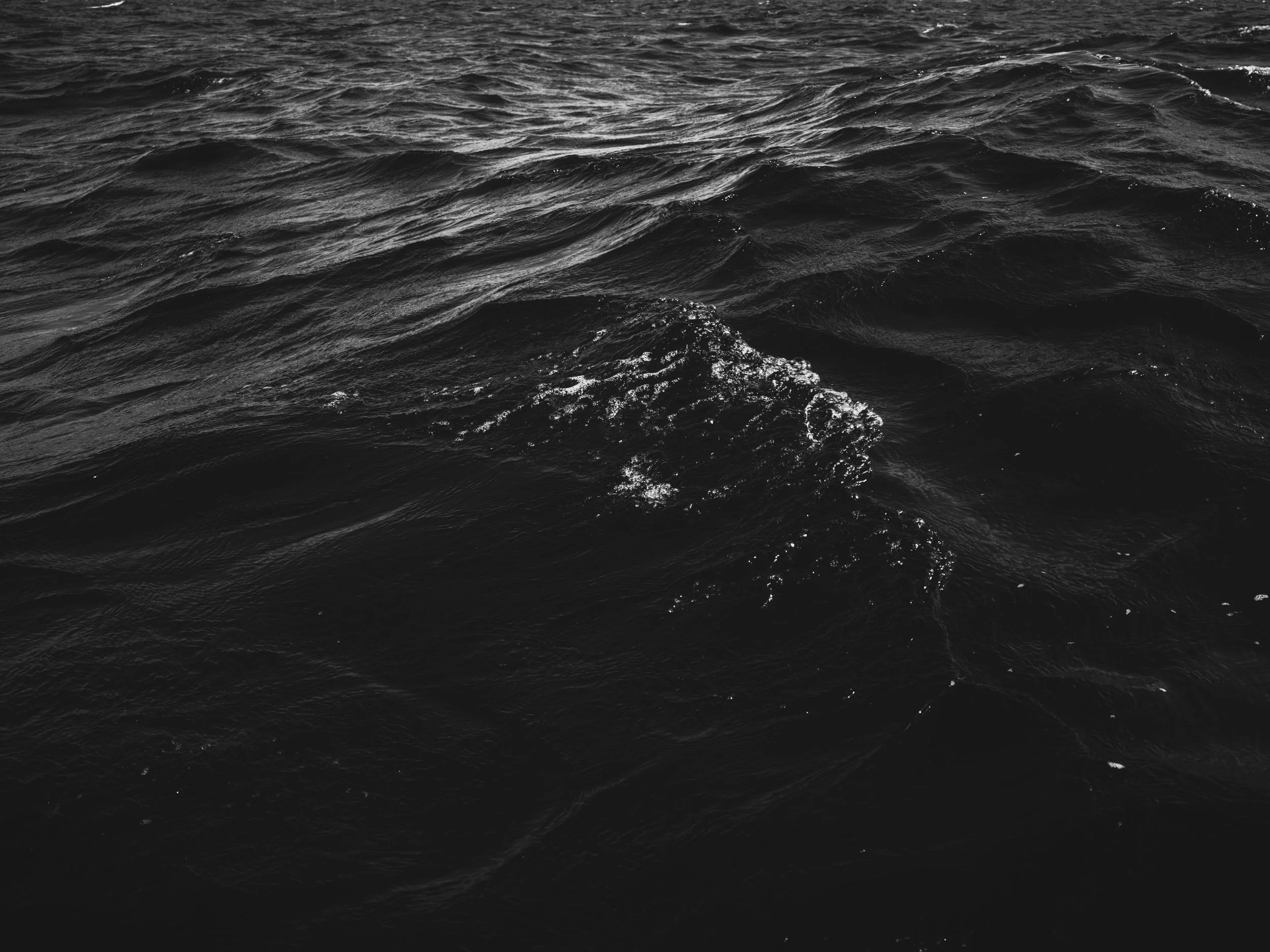
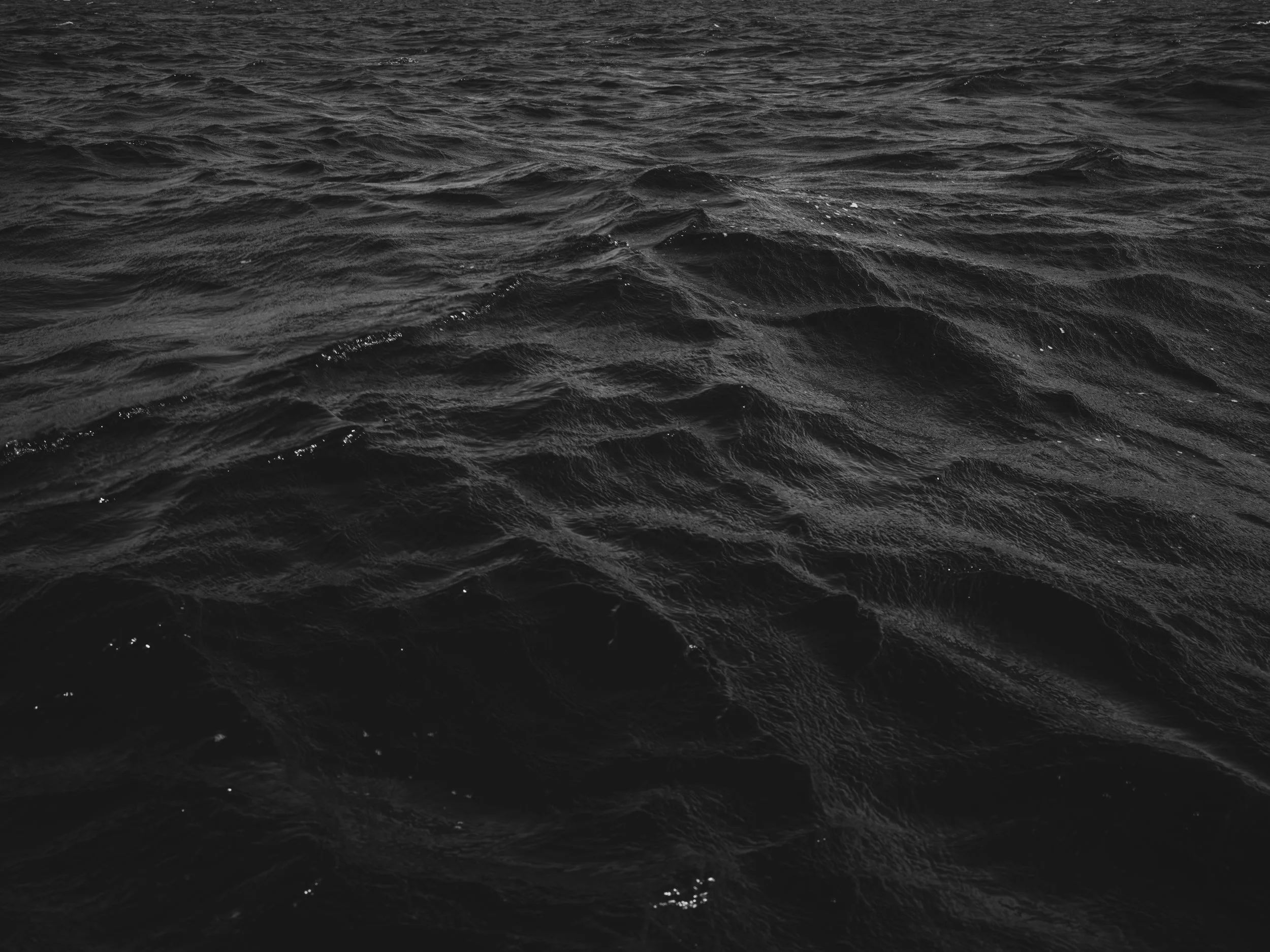
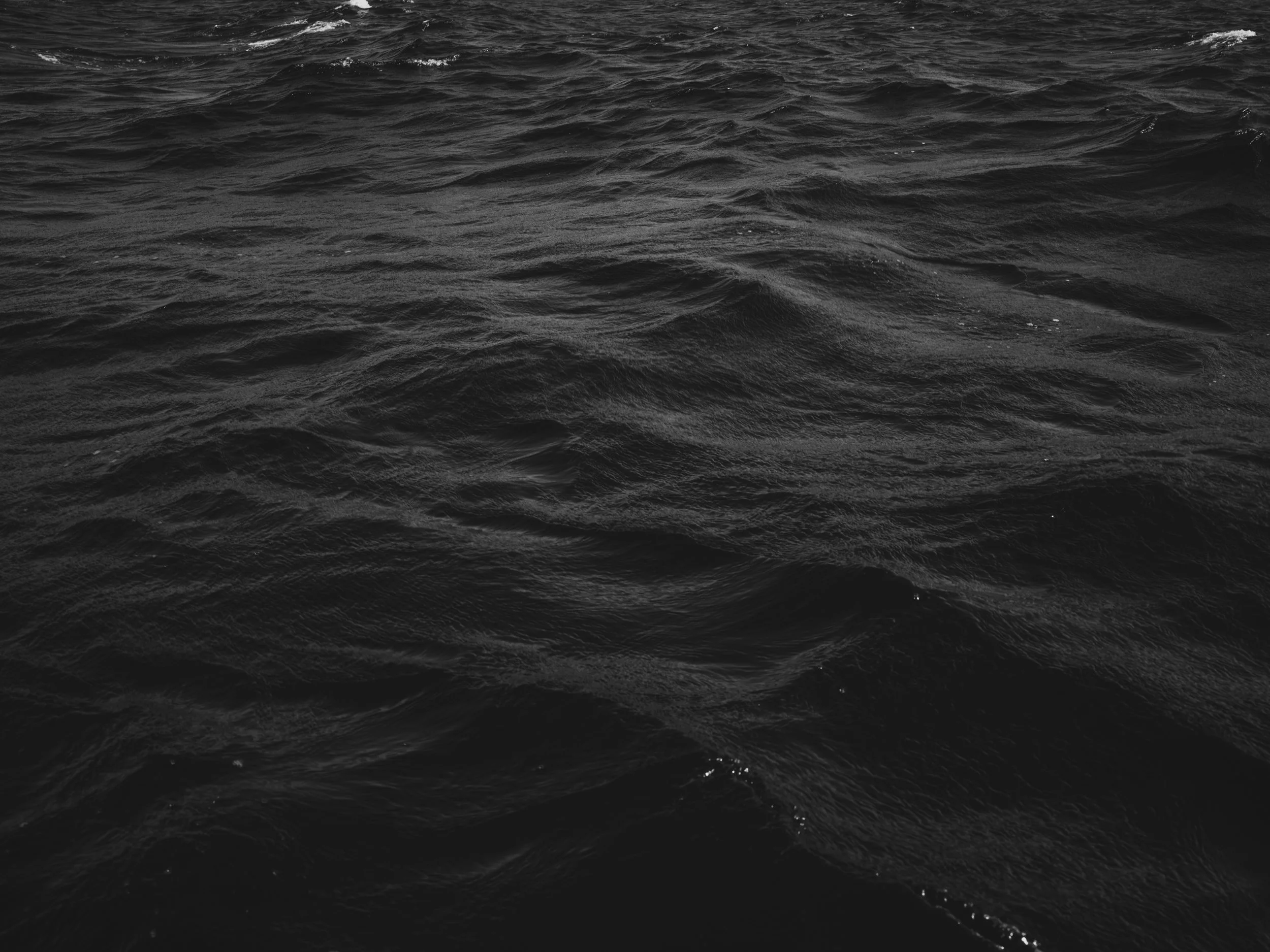
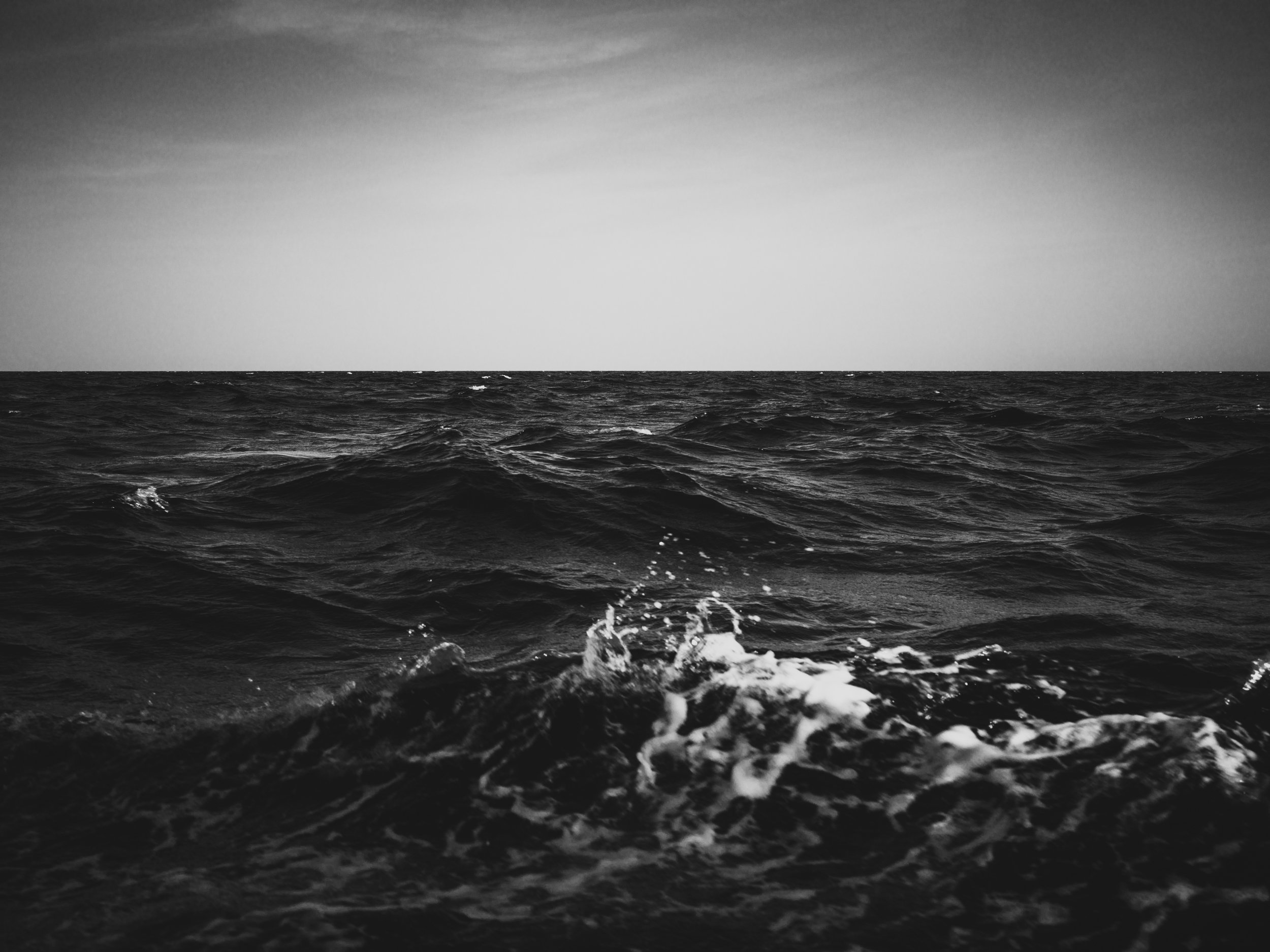
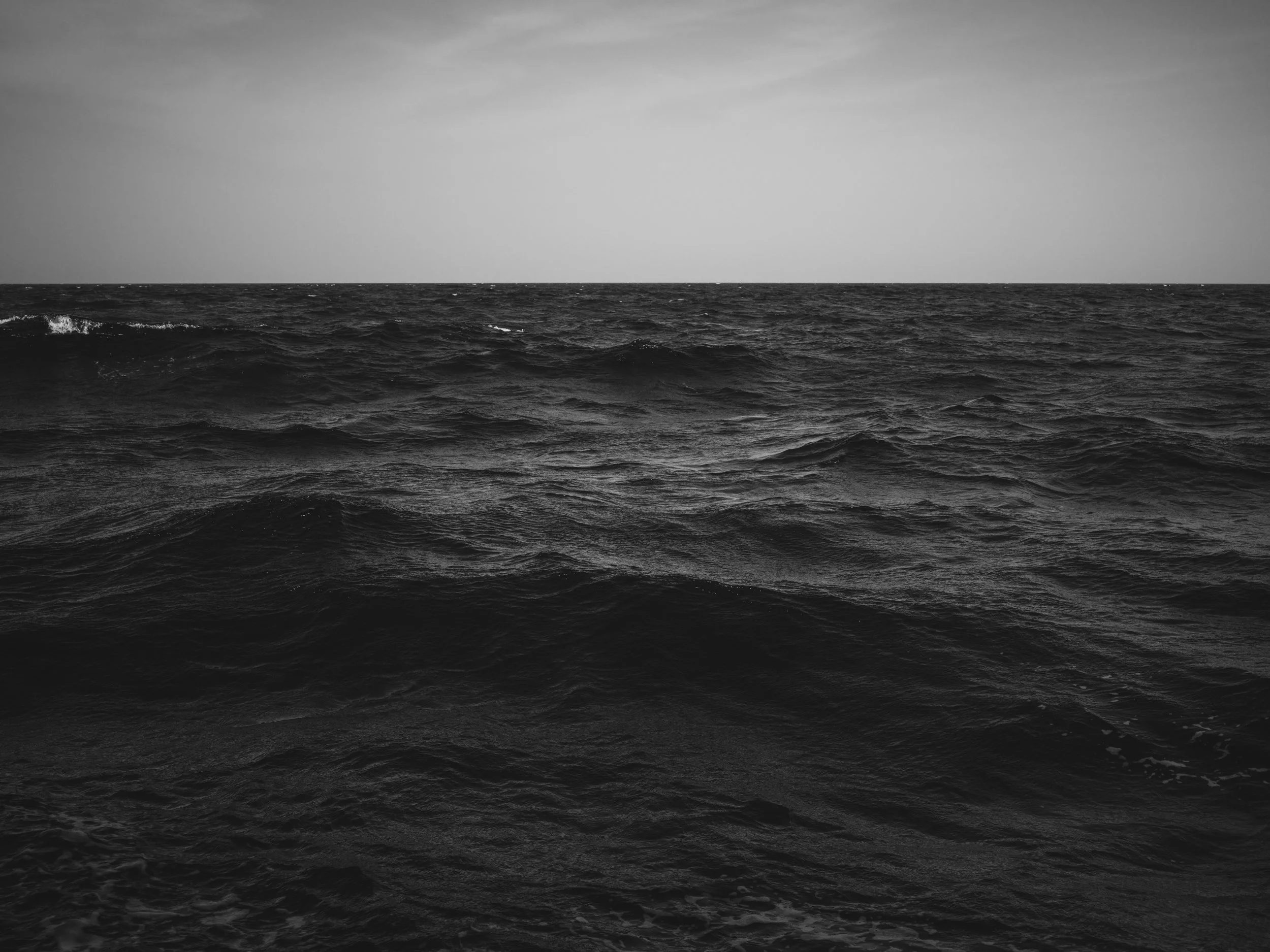
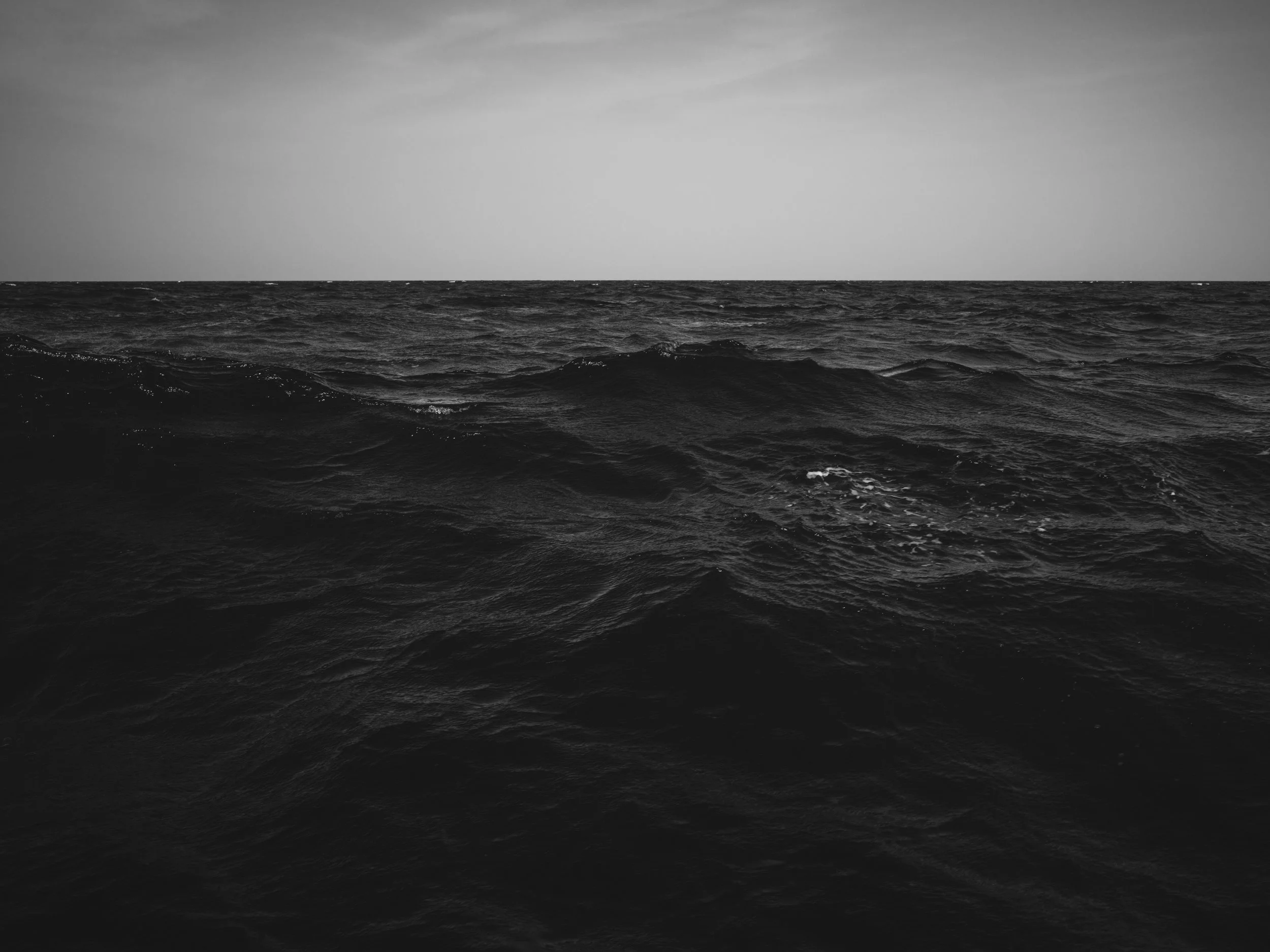
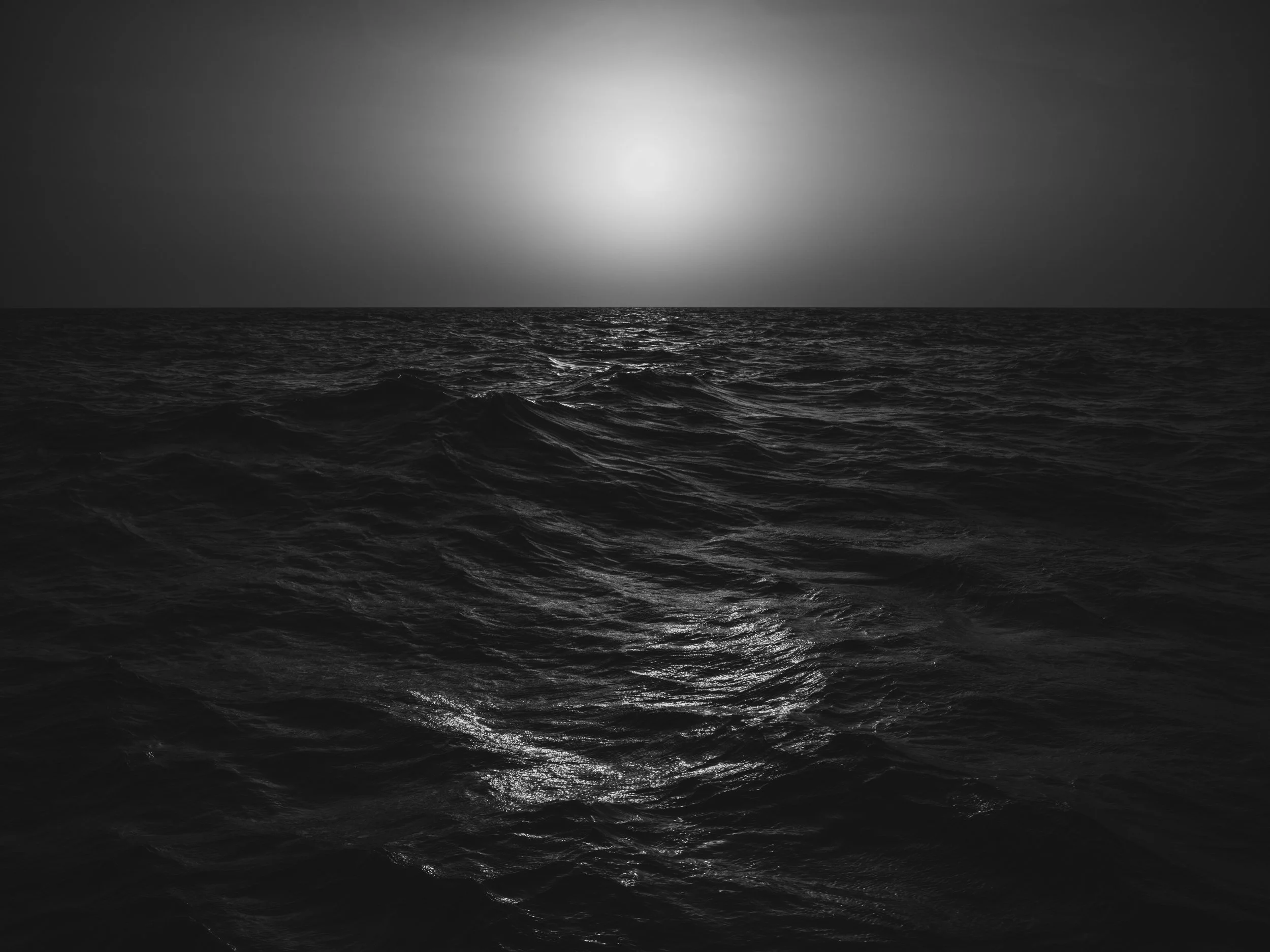
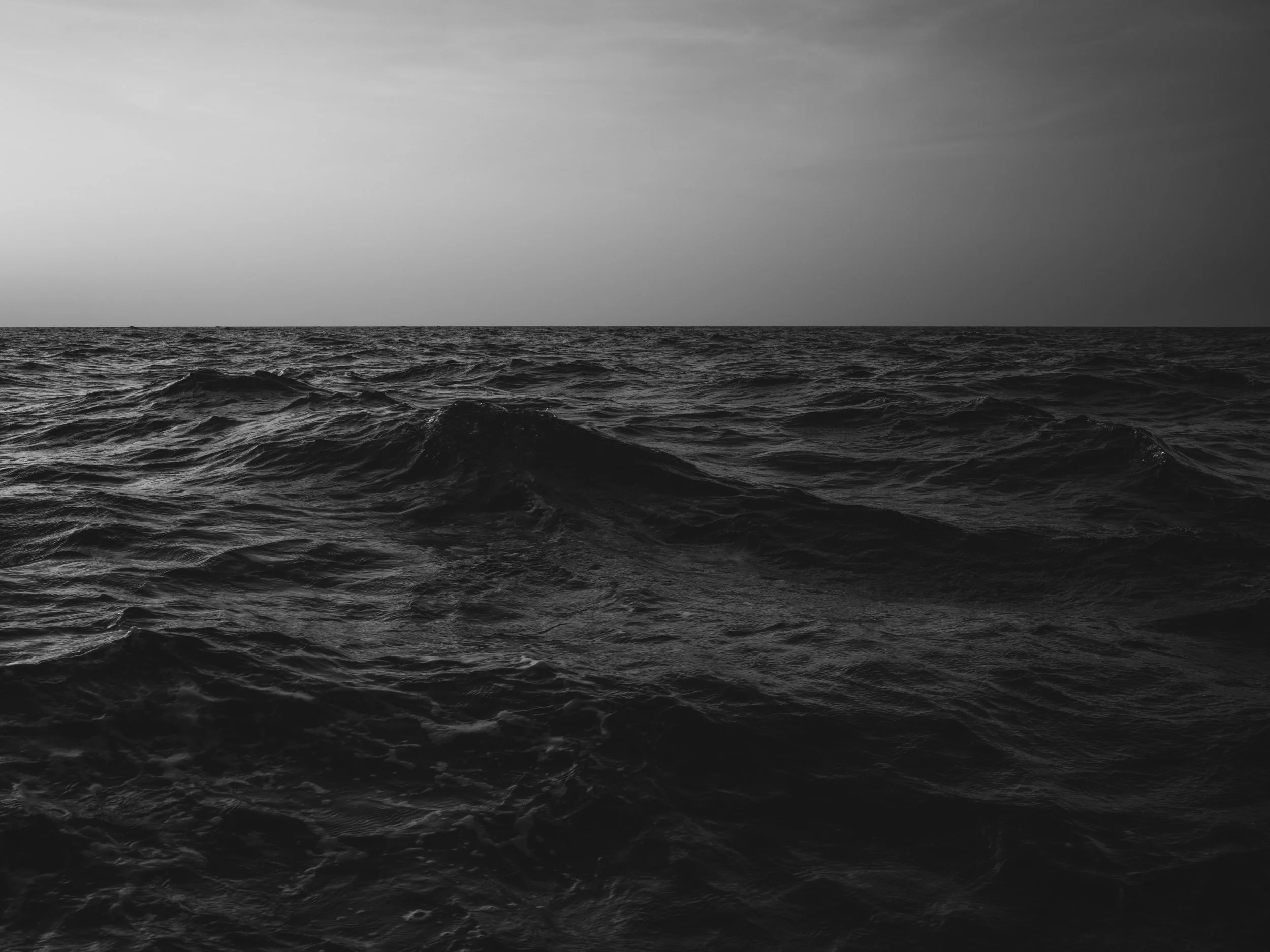
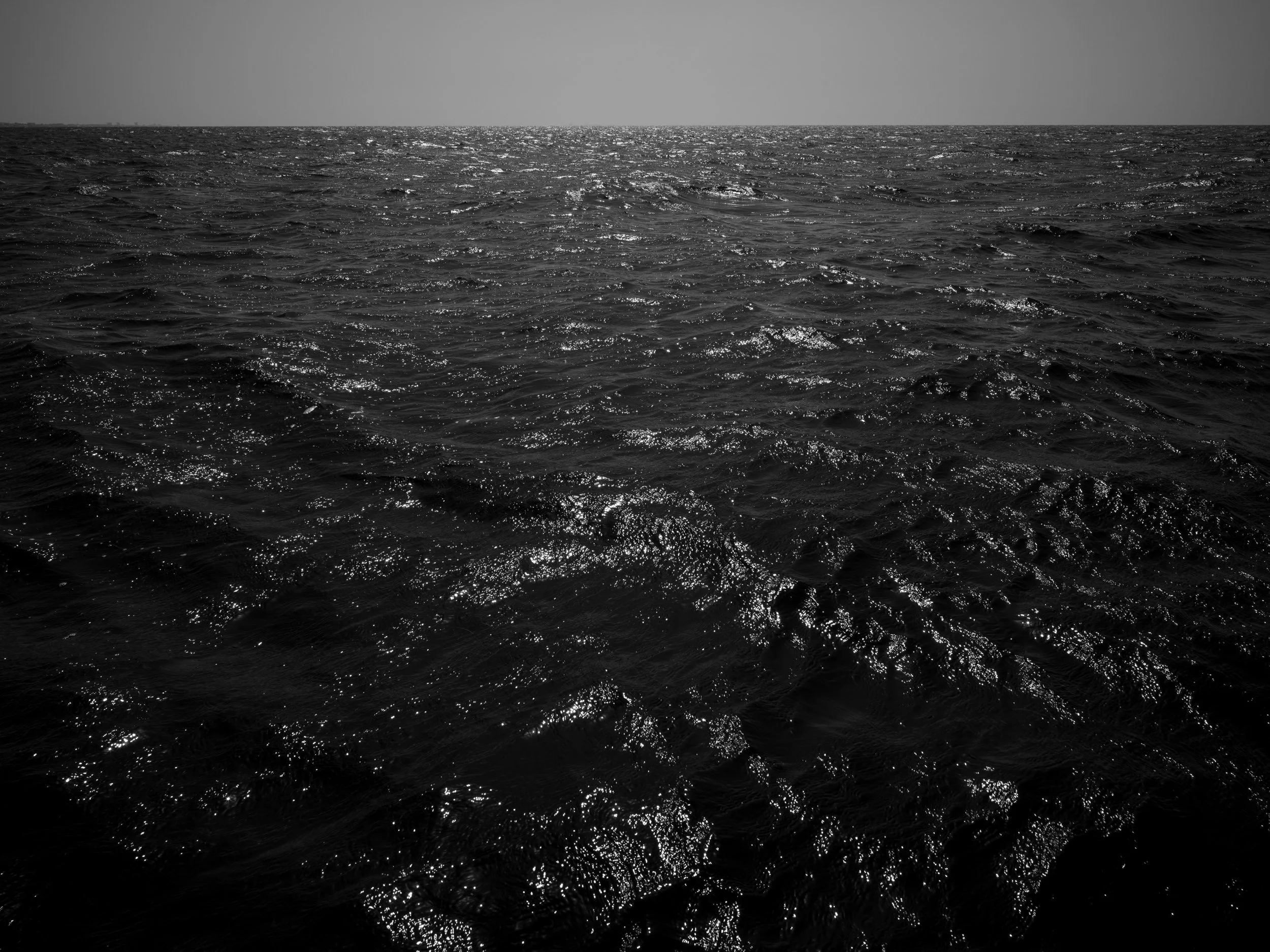
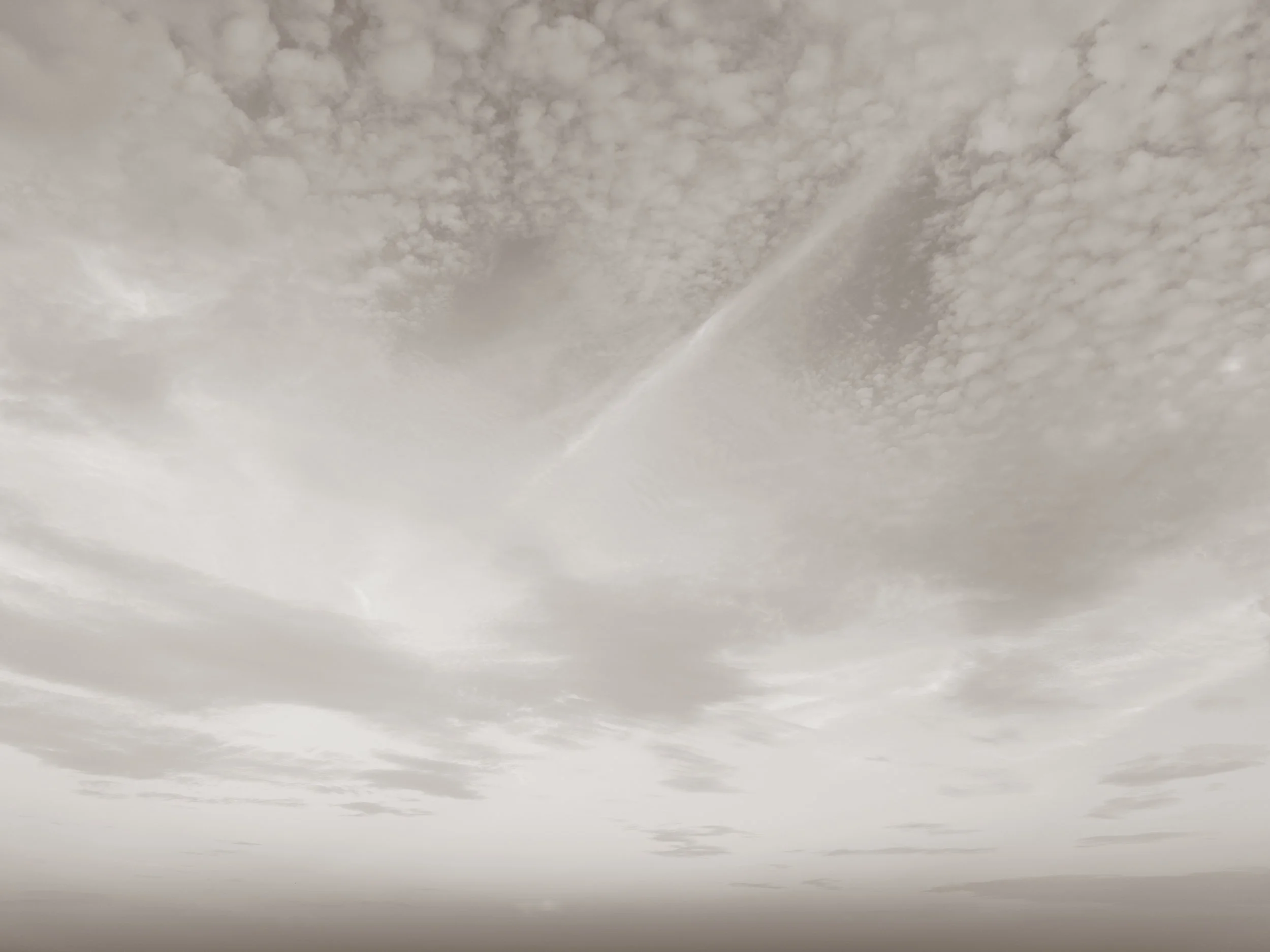
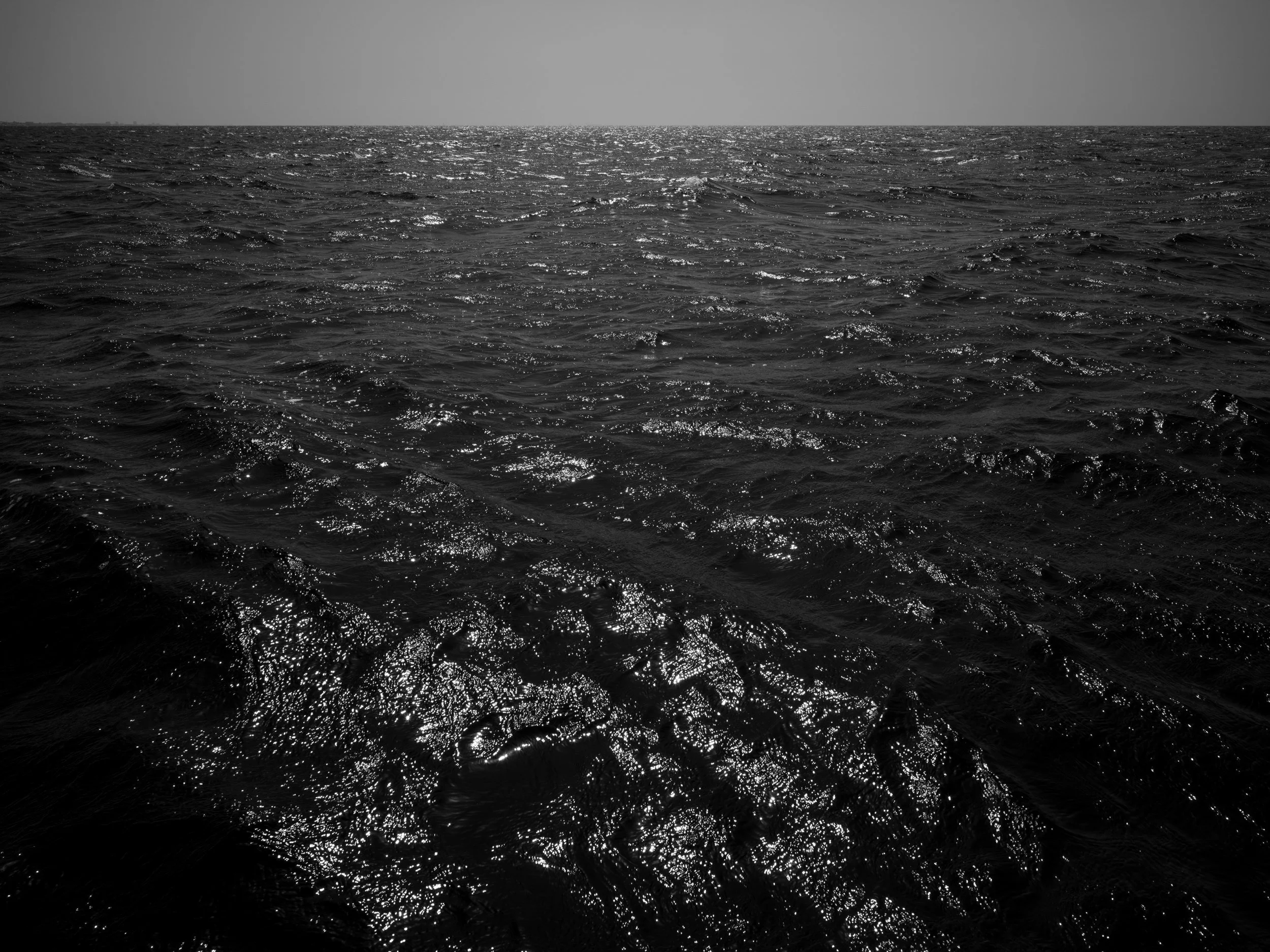
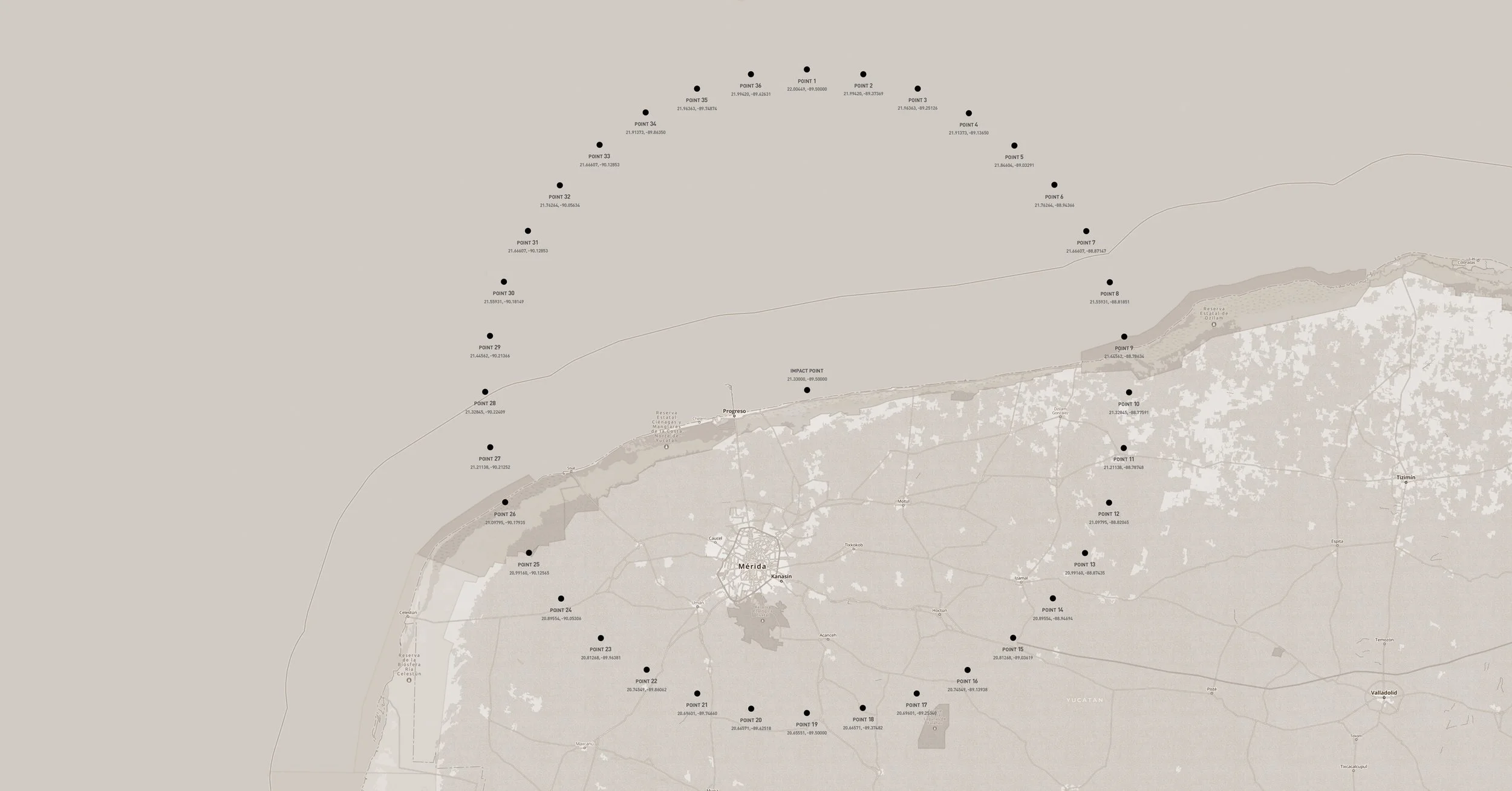
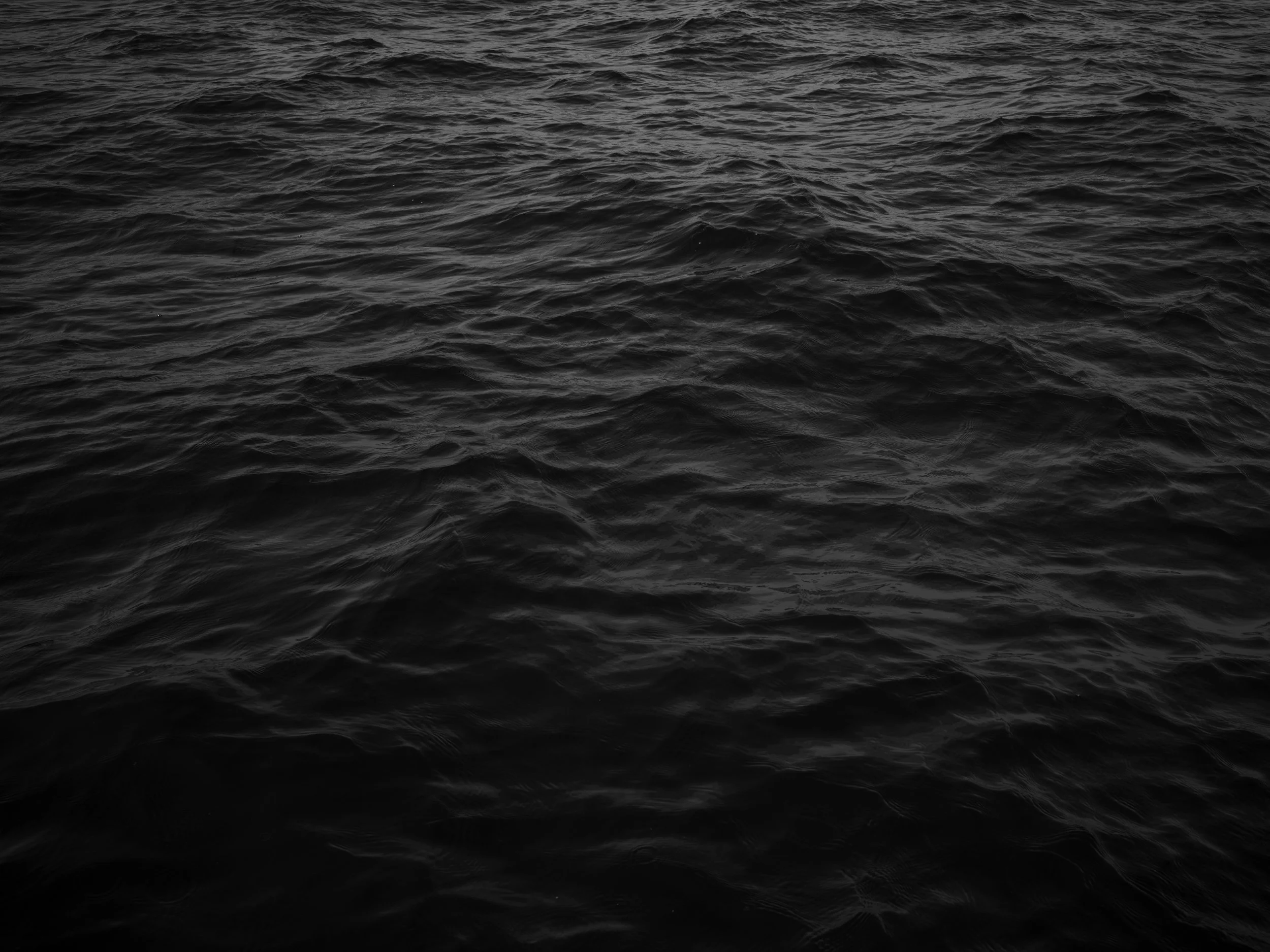
The documentation of the Chicxulub Crater in the Yucatán—mapped and photographed at 10 degree intervals around its circumference.
Sixty-six million years ago, an asteroid approximately ten kilometers wide struck the Earth near present-day Chicxulub on the Yucatán Peninsula, creating a crater nearly 180 kilometers across and triggering one of the most consequential extinction events in planetary history. The impact ignited global wildfires, altered Earth’s climate, and extinguished more than seventy-five percent of all living species. The thin layer of ash and soot left behind—the K–Pg boundary—marks both a geological rupture and a conceptual threshold between worlds: before and after, abundance and absence, continuity and collapse.
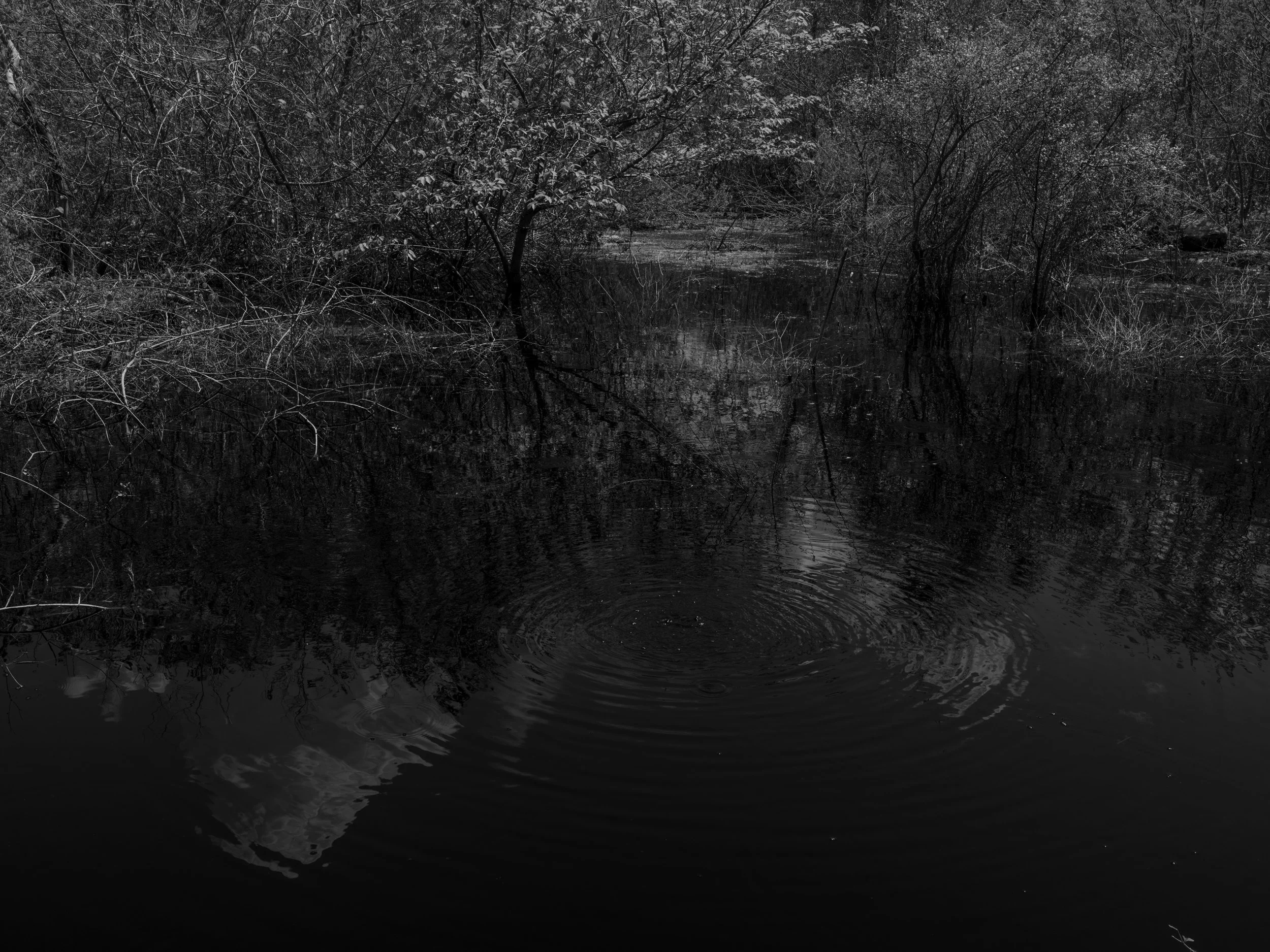
The Day the Earth Died is a multidisciplinary project that examines this event not as a distant catastrophe, but as a lived landscape—one whose physical traces remain embedded in terrain, rock, and scientific memory. Using photography as its foundation, the current phase of the project documents sites central to the understanding of the Chicxulub impact—the first being the buried crater itself, mapped using GPS and photographed at 10 degree intervals through its circumference in the Yucatán. Later this year the project will include photographs from locations in Texas and North Dakota where evidence of the impact was eventually identified. These landscapes, quiet and unassuming, function as proxies for deep time, holding the residual marks of forces far beyond human scale.
The photographic work will be expanded through drawing and sculpture informed by asteroid, geological strata, fossil records, sediment layers, and impact debris. These works translate scientific evidence into tactile and visual forms, emphasizing materiality, accumulation, and rupture. Rather than illustrating the event, they engage with its fragments—inviting viewers to consider how catastrophe is recorded, preserved, and made legible across time.
By weaving together landscape, material evidence, and scientific inquiry, The Day the Earth Died considers extinction not as an endpoint, but as a formative condition of life on Earth—one that continues to shape the present. The project asks how we understand deep time, how we read catastrophe in the land, and what it means to stand within the long shadow of planetary change.




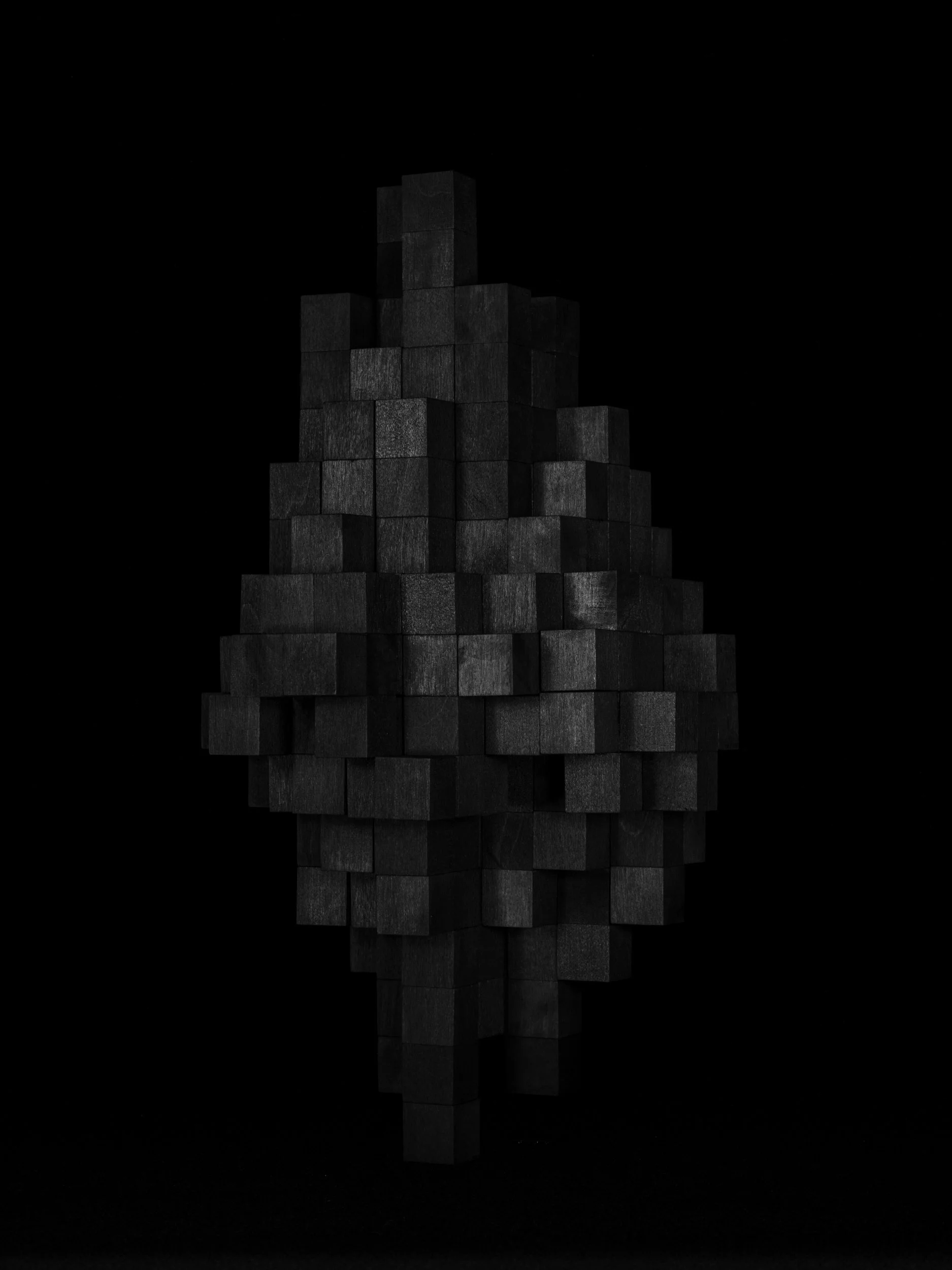

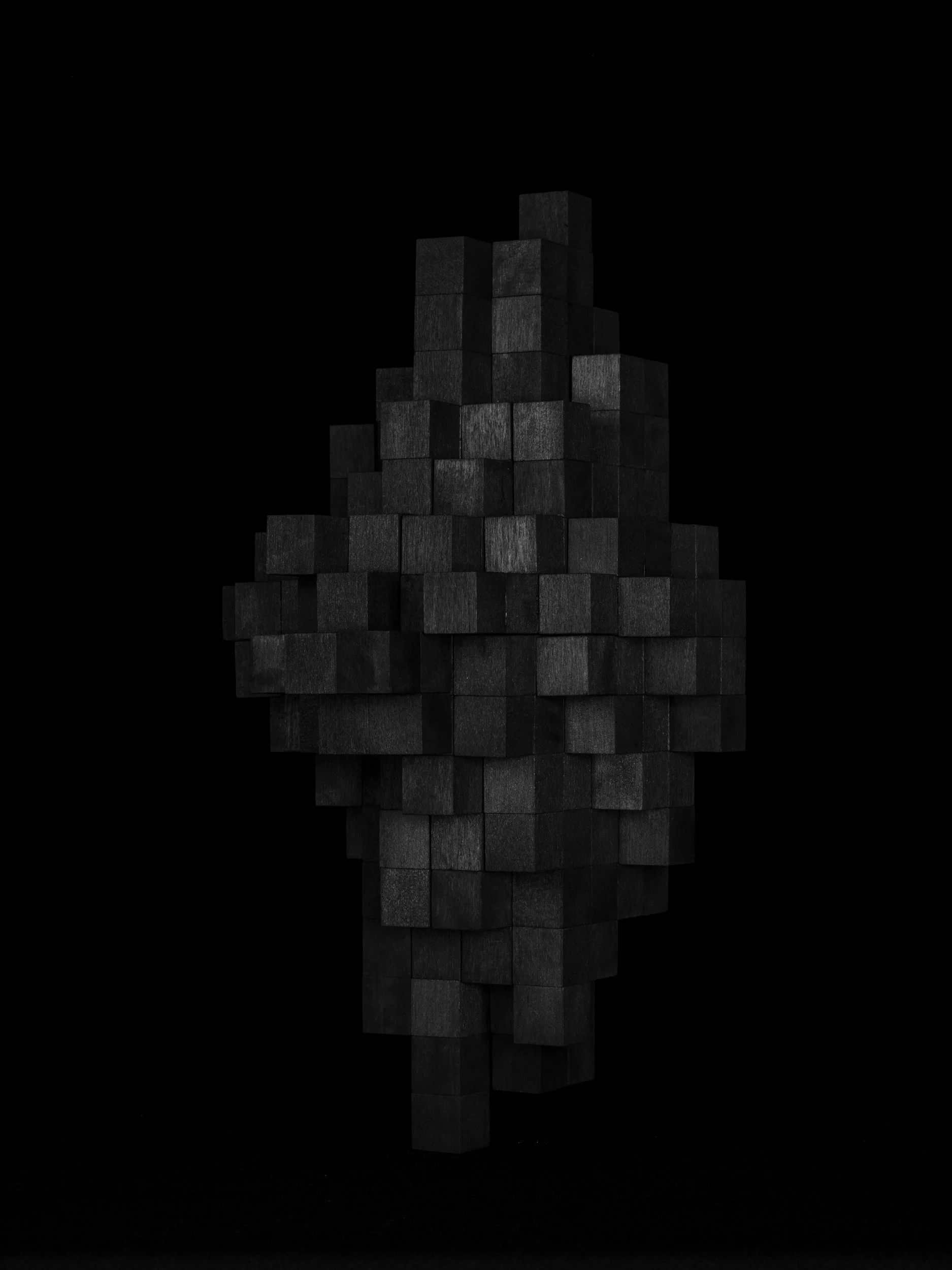
Study of an asteroid, No. 1
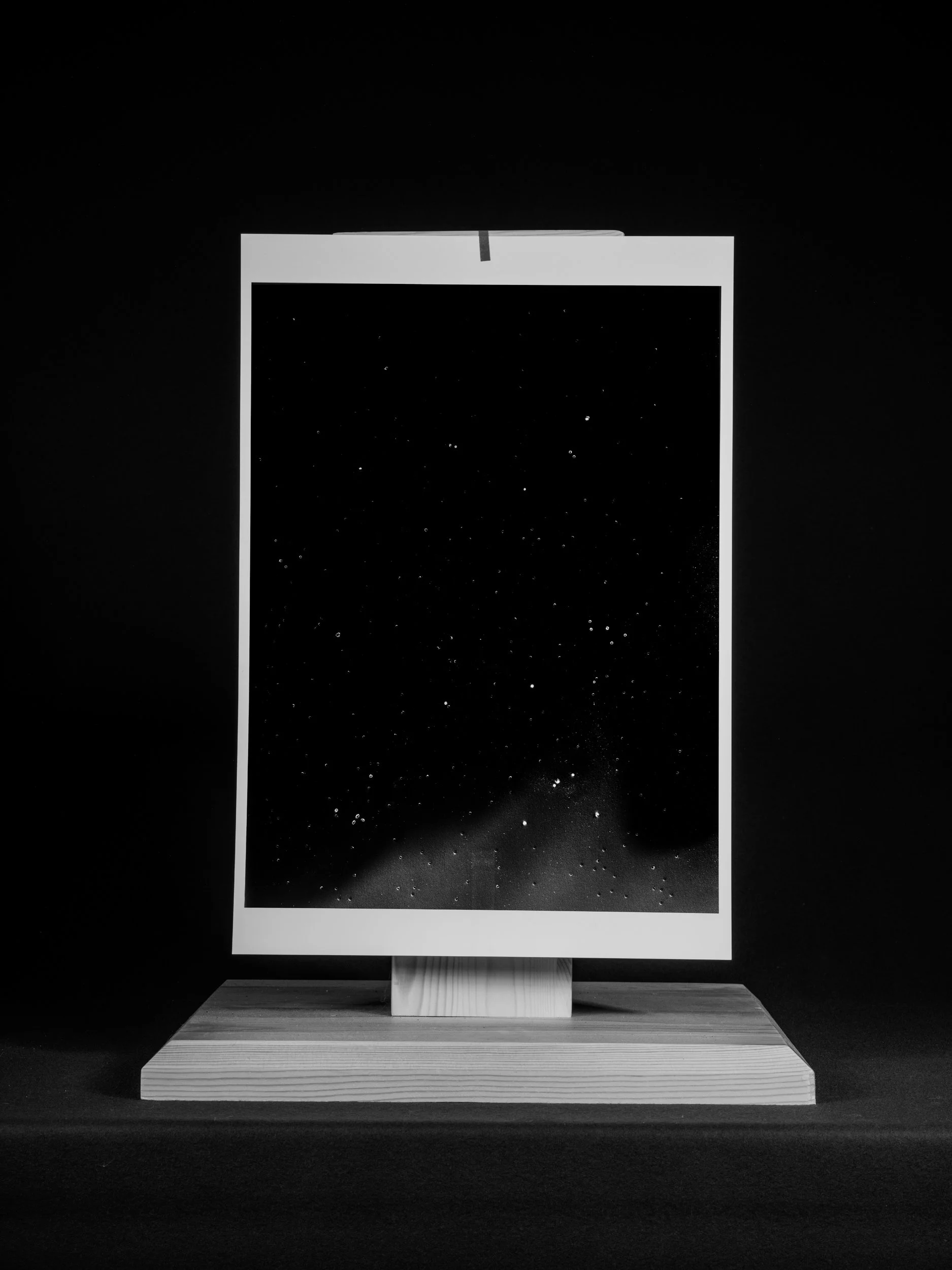
Study of starlight in the night sky, No. 1