
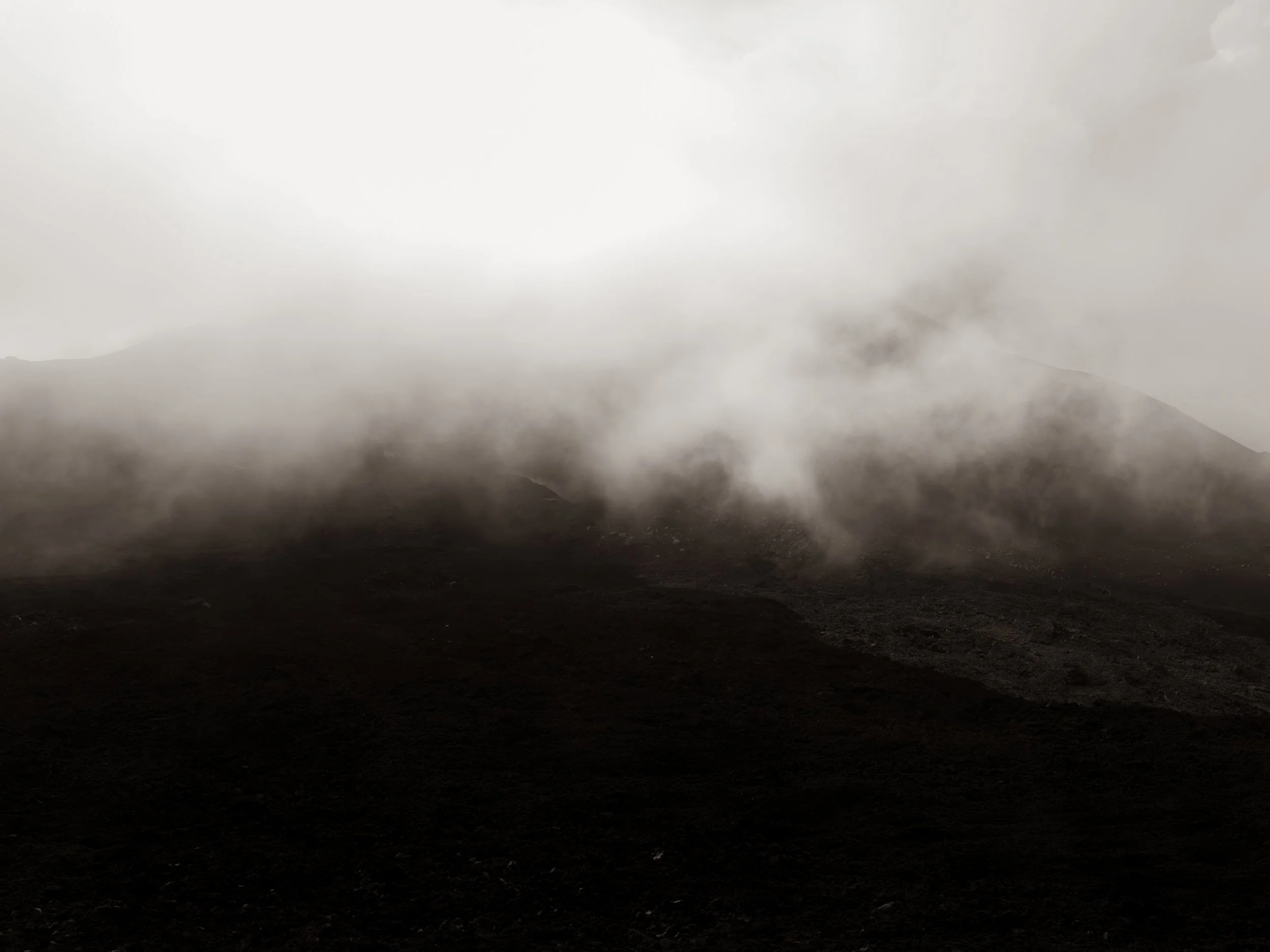
Life | Force | Formation
A personal examination of Naturphilosophie
Naturphilosophie is a term that refers to a philosophical approach to the study of nature which emerged in the 18th and 19th centuries—put forth by a young philosopher named Friedrich Schelling. It was a response to the limitations of the mechanistic study of science which viewed nature as a collection of isolated parts and ignored the dynamic interplay of natural phenomena.
Central to Naturphilosophie are three key areas of study—gravity, light, and life. They are understood to be interconnected and mutually influencing of each other, rather than separate phenomena. It sought to understand the underlying principles that govern the emergence and evolution of life, as well as its relationship to the larger natural world. It represented a radical shift in the way that scientists and philosophers addressed the study of nature and sought to unite empirical observation with philosophical reflection, emphasizing the importance of holistic and intuitive approaches. It also allowed for a new concept to how one would experience nature; the idea that being in nature—rambling through a forest—was always also a self-discovery, a journey into oneself. It is suggested this is one of the first breaths of the modern environmentalism movement.
Naturphilosophie inspired the contemplation of my own self in the natural world and of the creation of "Life | Force | Formation.” While my work has always taken me to contemplative places in nature—whether it be the deserts of North Africa or the islands of the Pacific—there was always a focus on the history of the place in which I was working. With this project there is a deliberate establishment of visual isolating principles and a recognition of my own self-awareness in nature.
Schelling explains the point at which the self becomes aware of the world around it, “At the first moment, when I am conscious of the external world, the consciousness of my self is there as well, and vice versa—at my first moment of self-awareness, the real world rises up before me.” In fact, Schelling believed that because we are part of nature, an artwork produced by us is actually a reflection of nature. By recording what “rises up before me”—a process of isolating specific objects and expanses of nature—this new body of work is the examination of my presence in the landscape, a meditation on my existence within specific moments of nature whether they be close to home, far away, or even constructed.
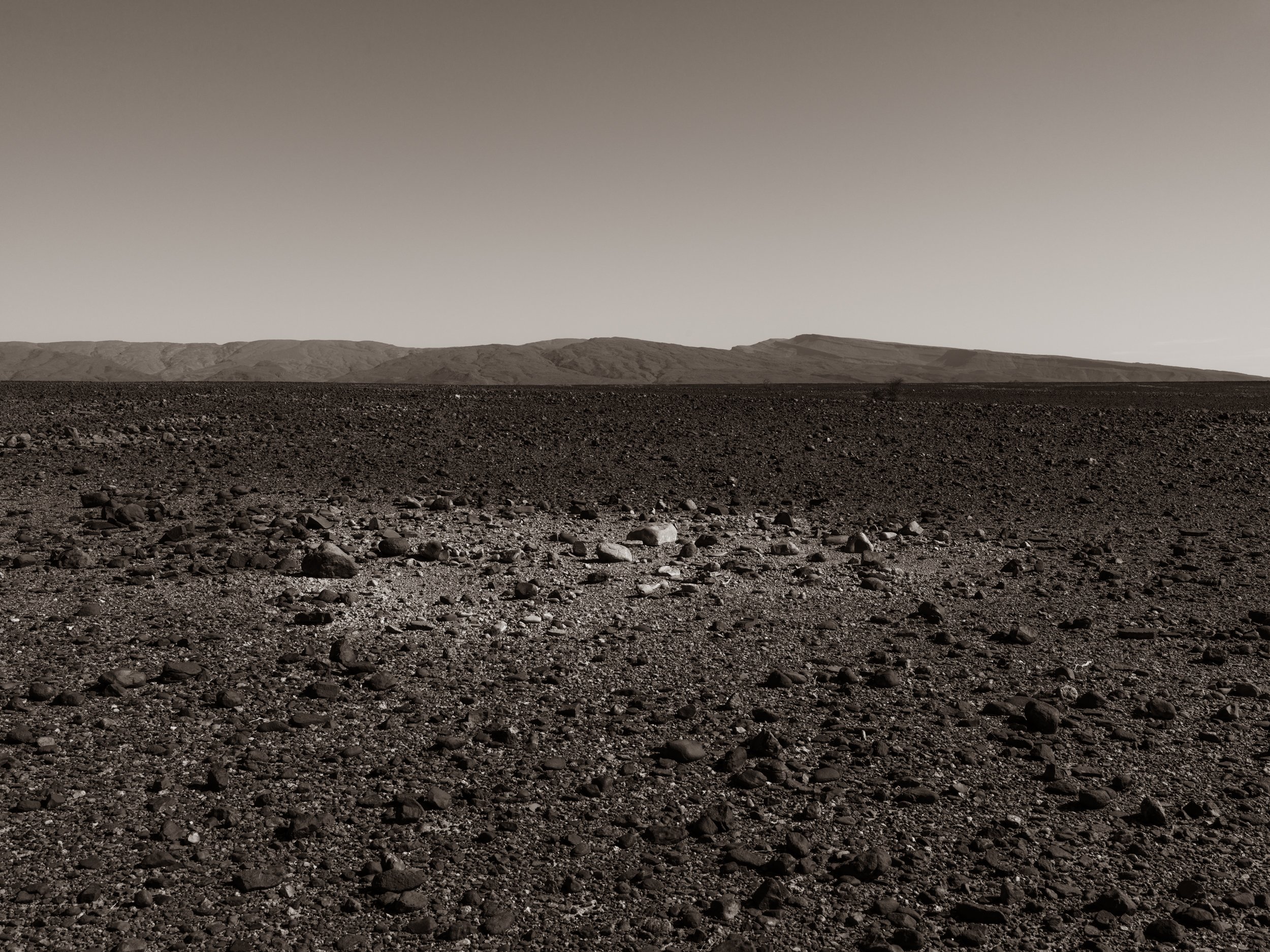
Isolated stones
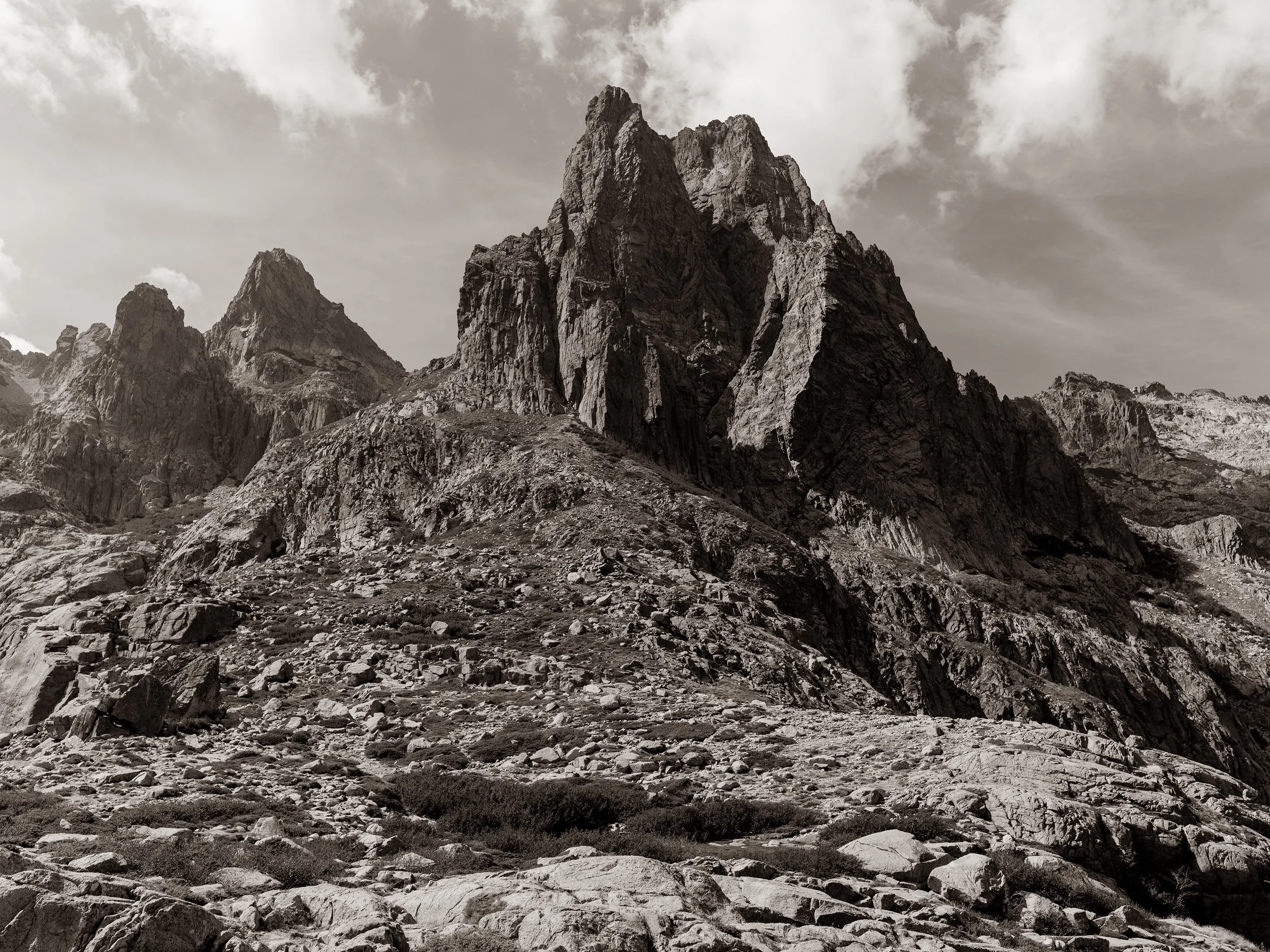
Study of peaks, no. 1
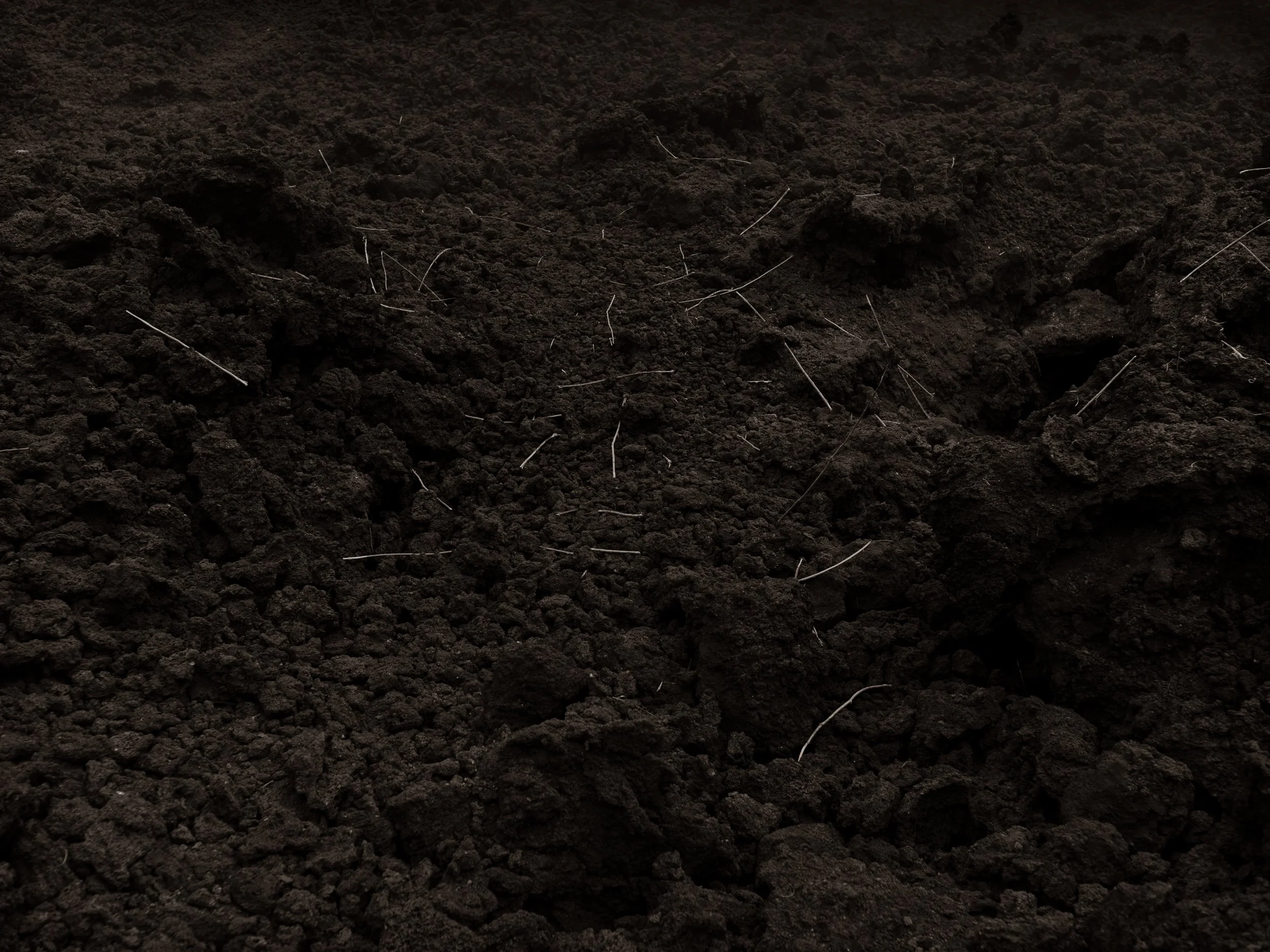
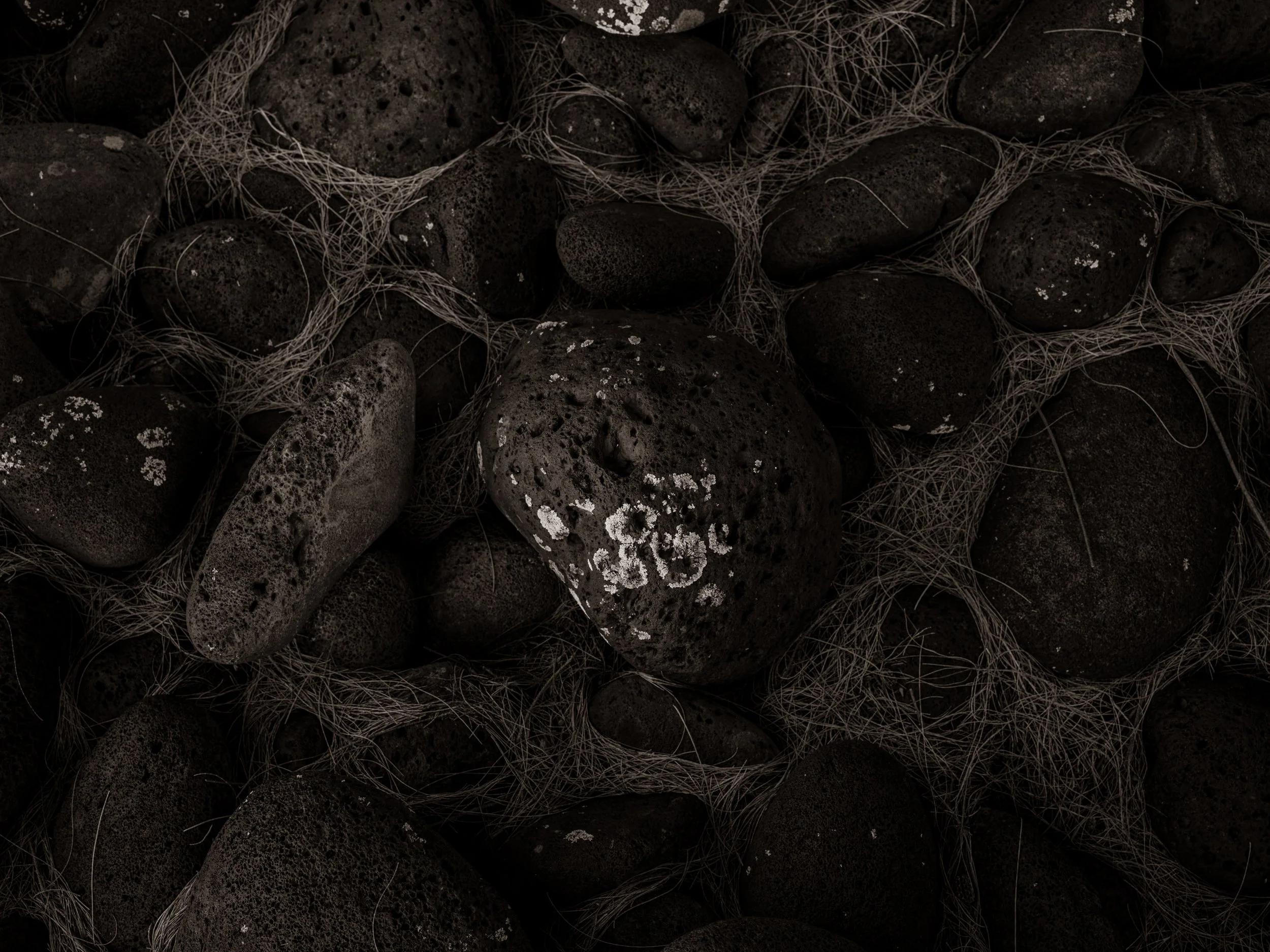
Nurture and nature

Study of peaks, no. 2
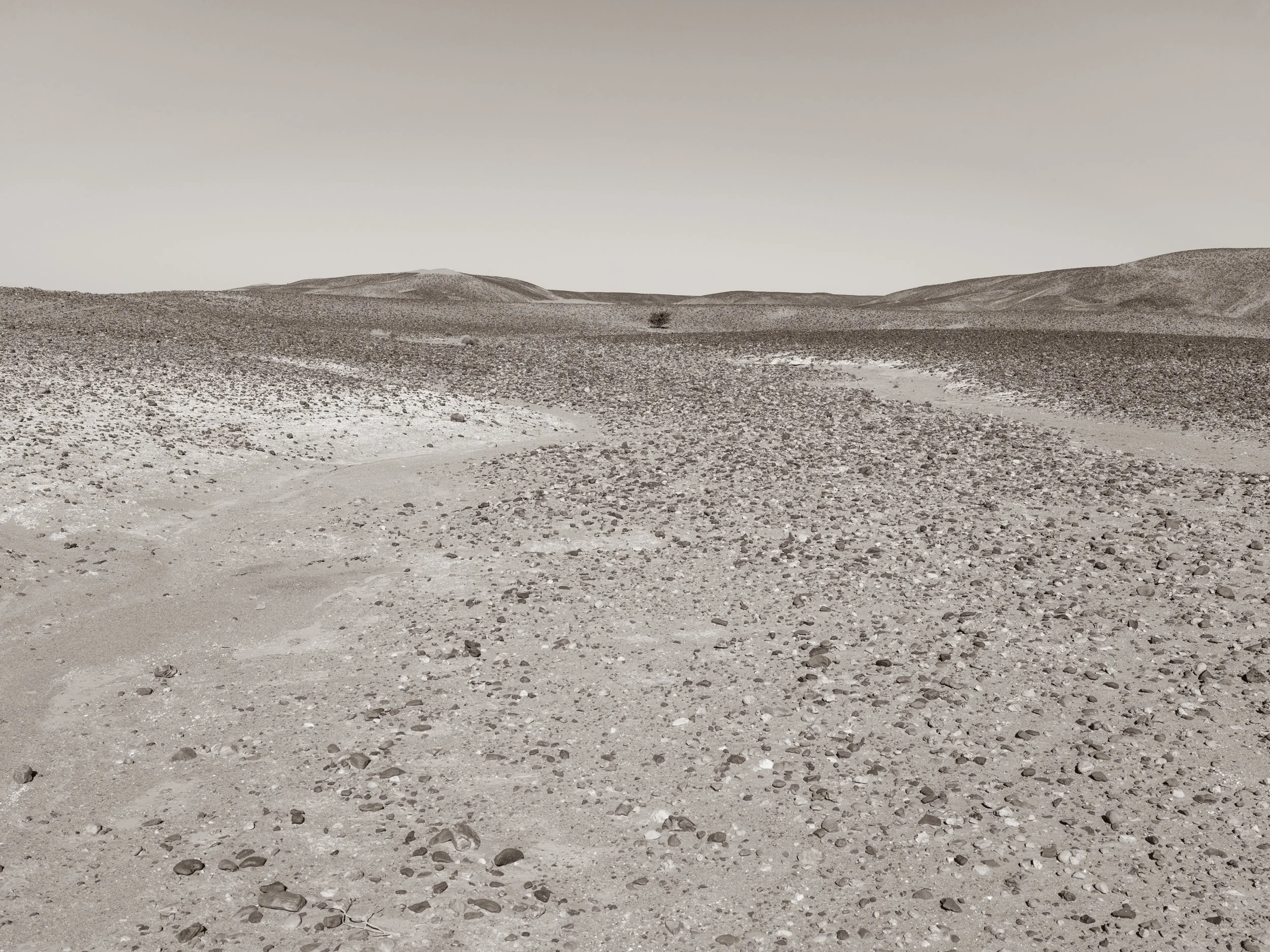
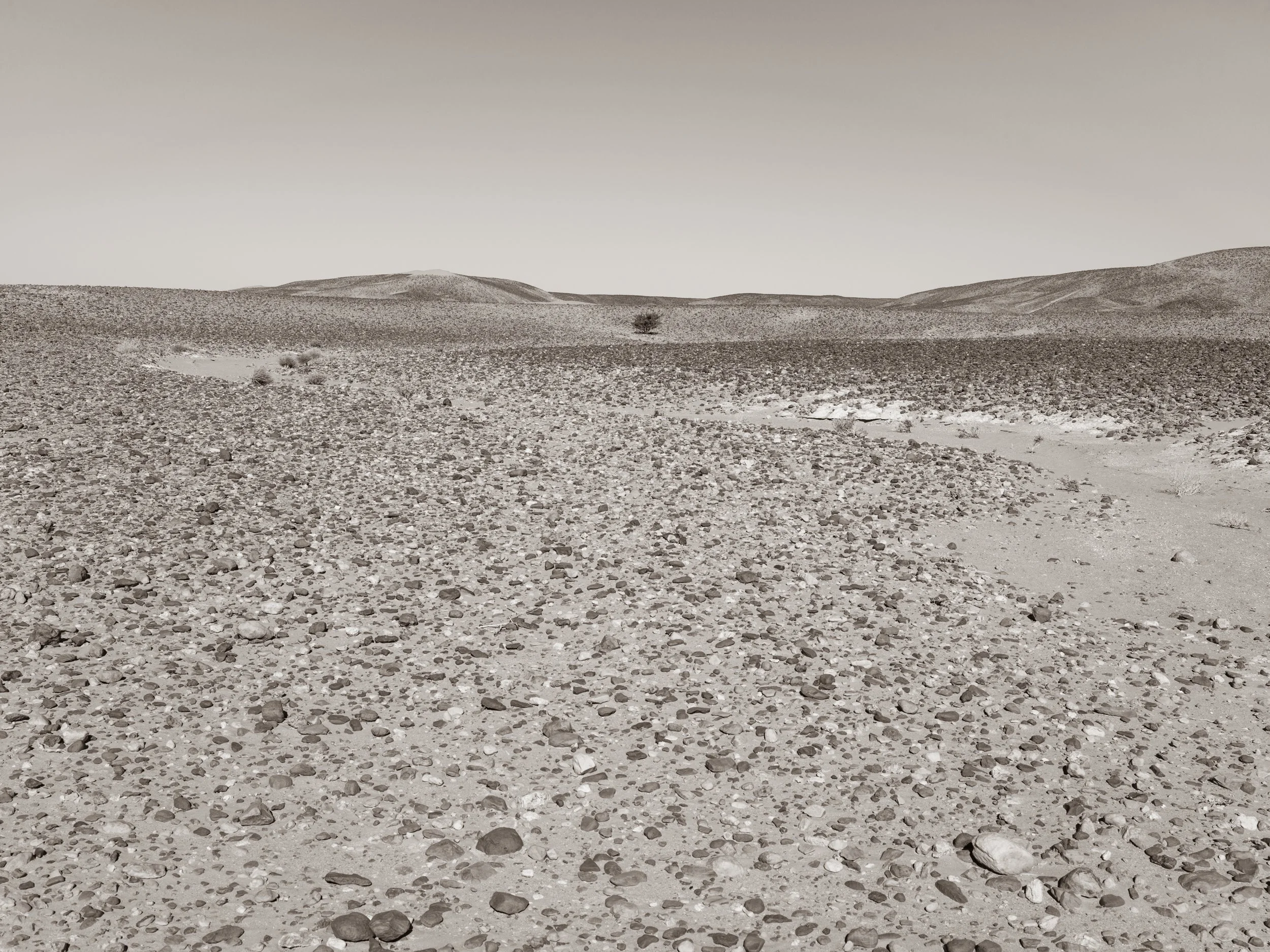
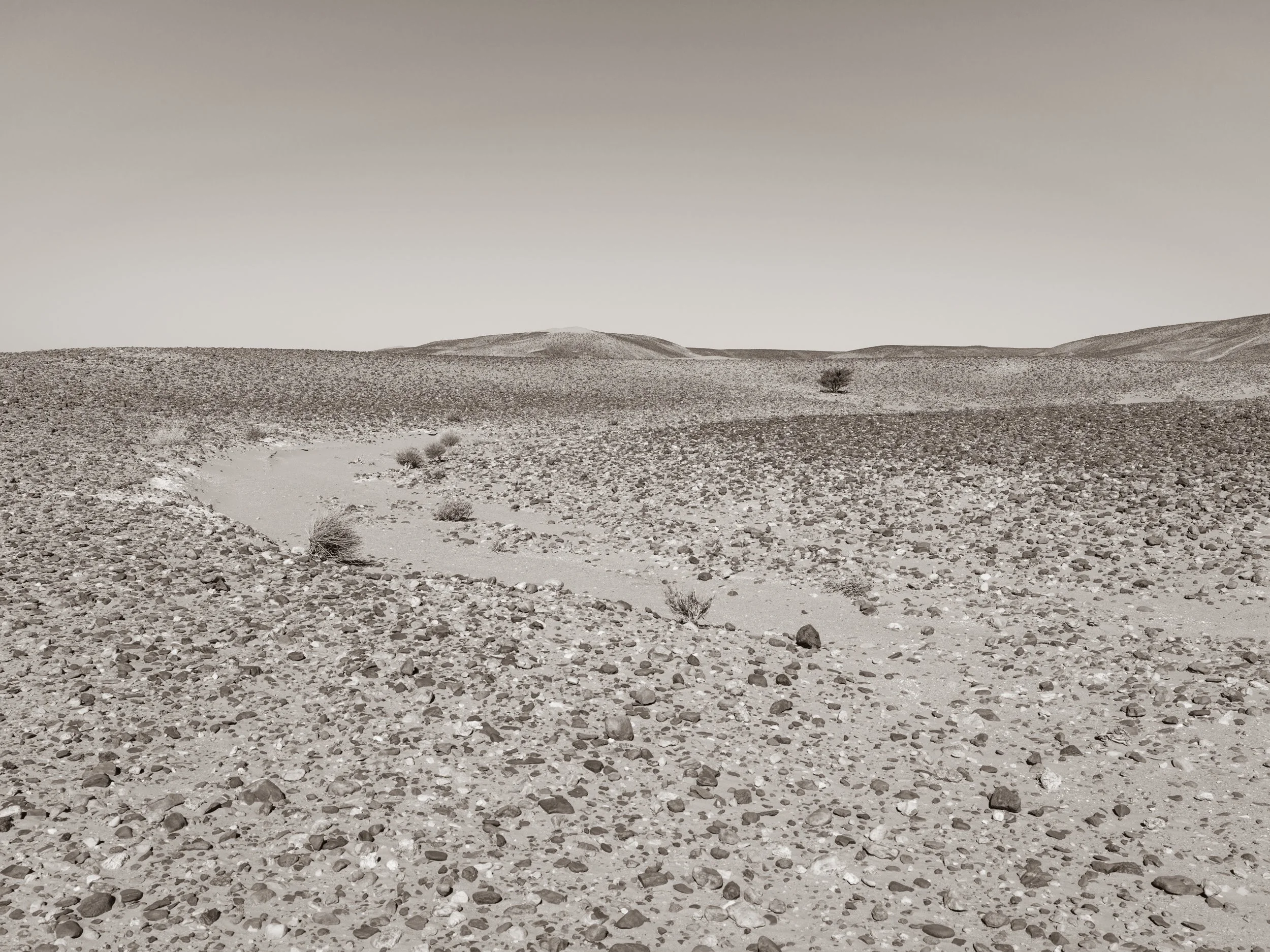
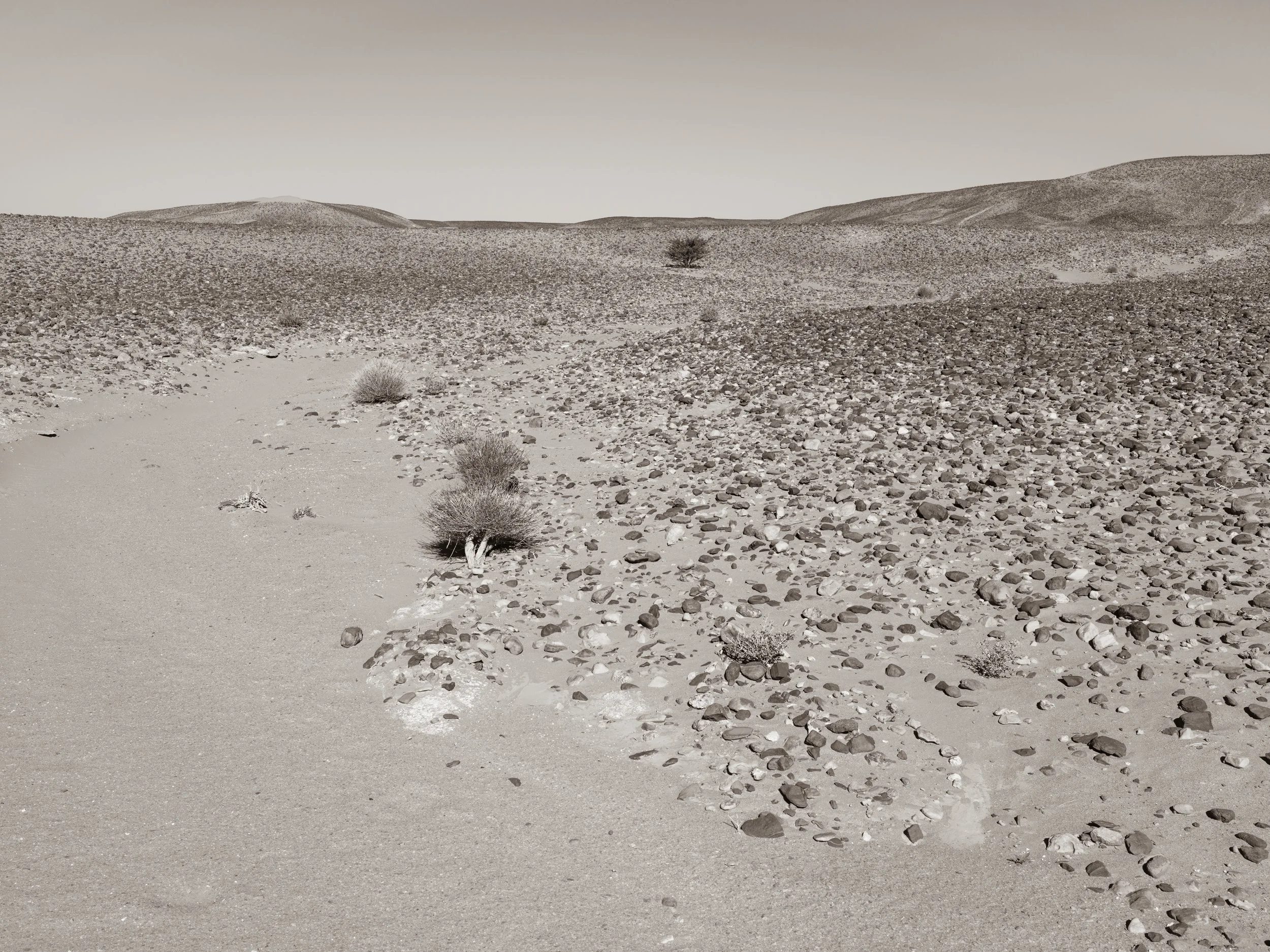
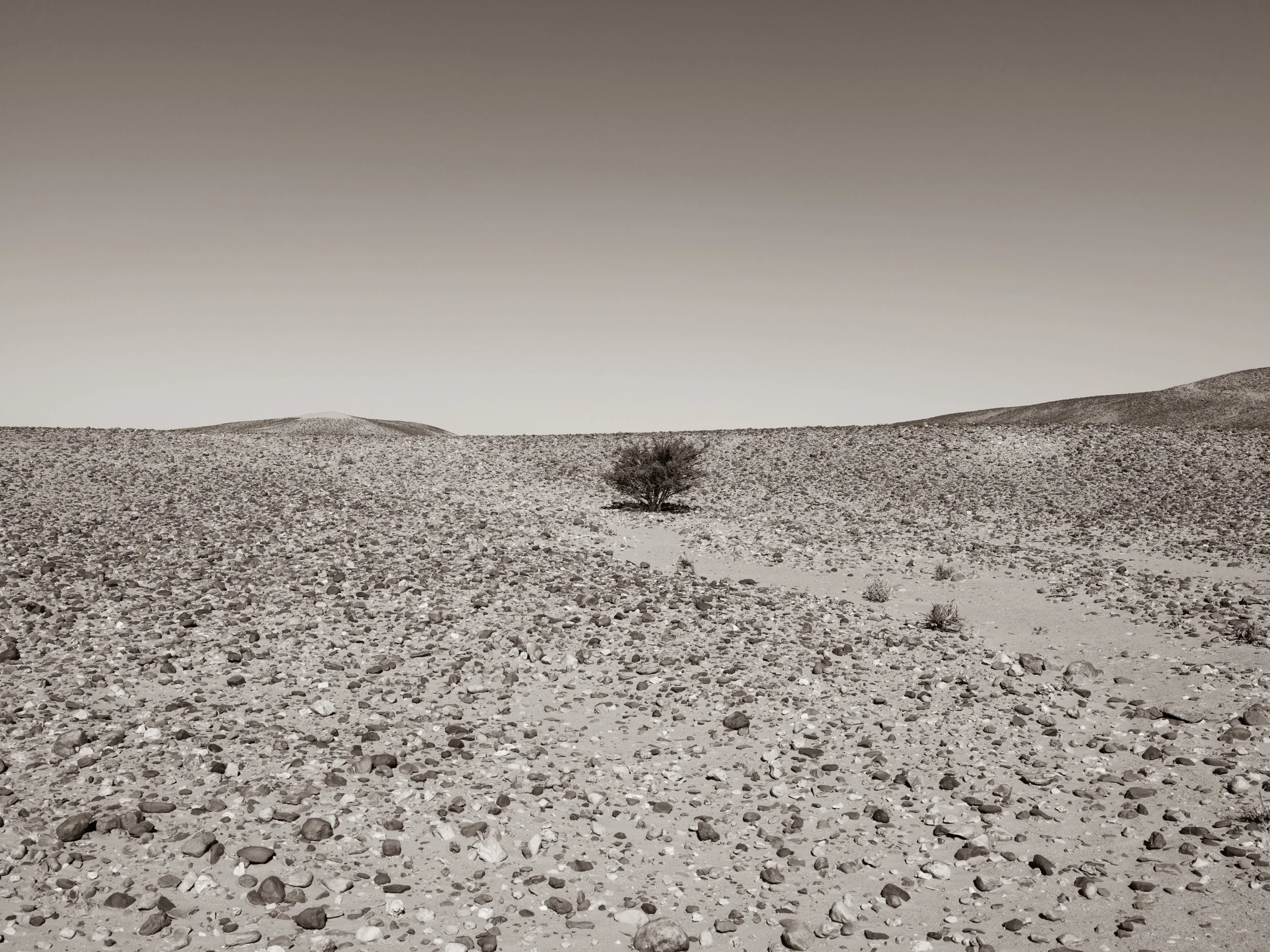
Path to a photograph
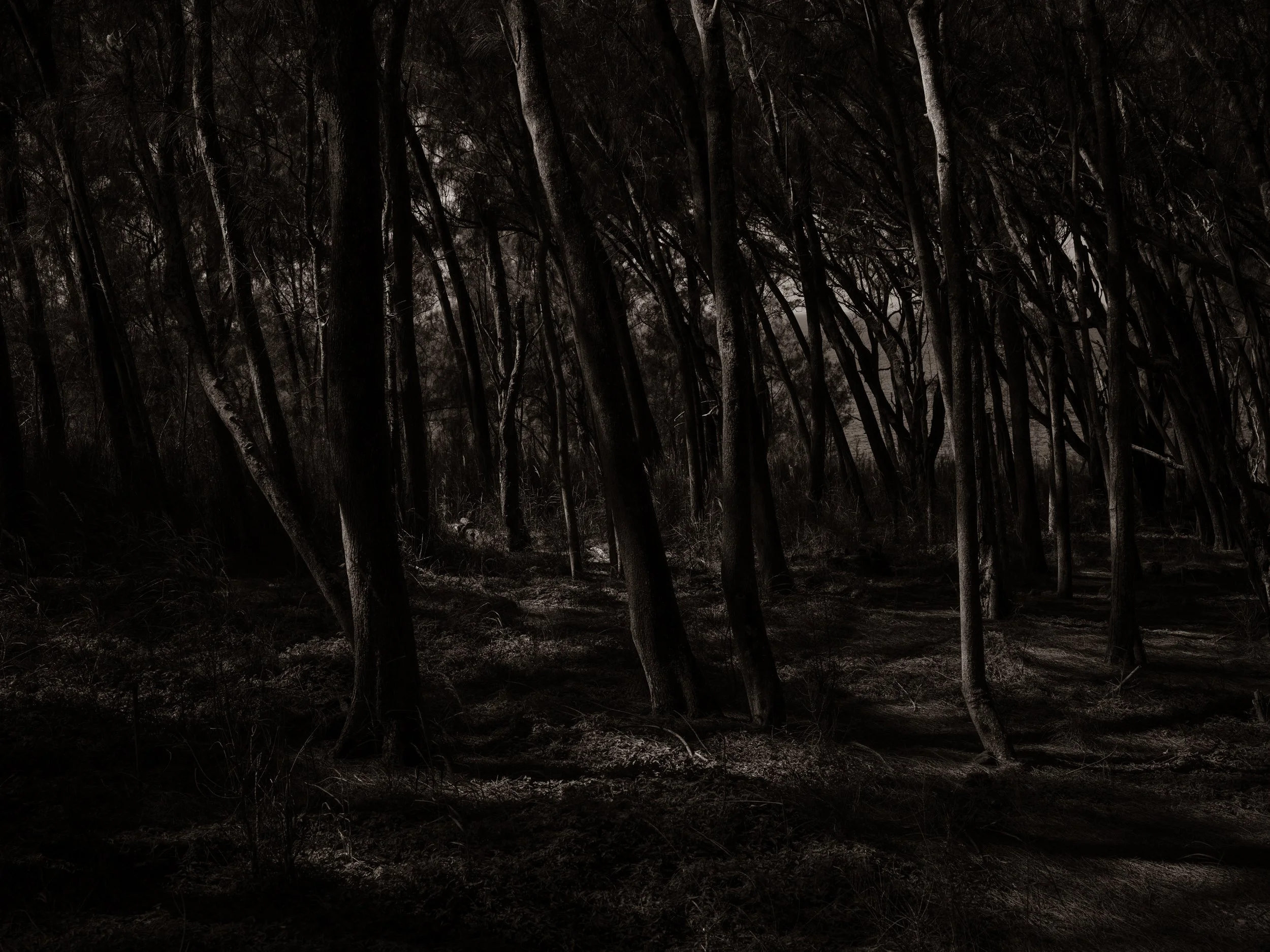
Shadows of trees
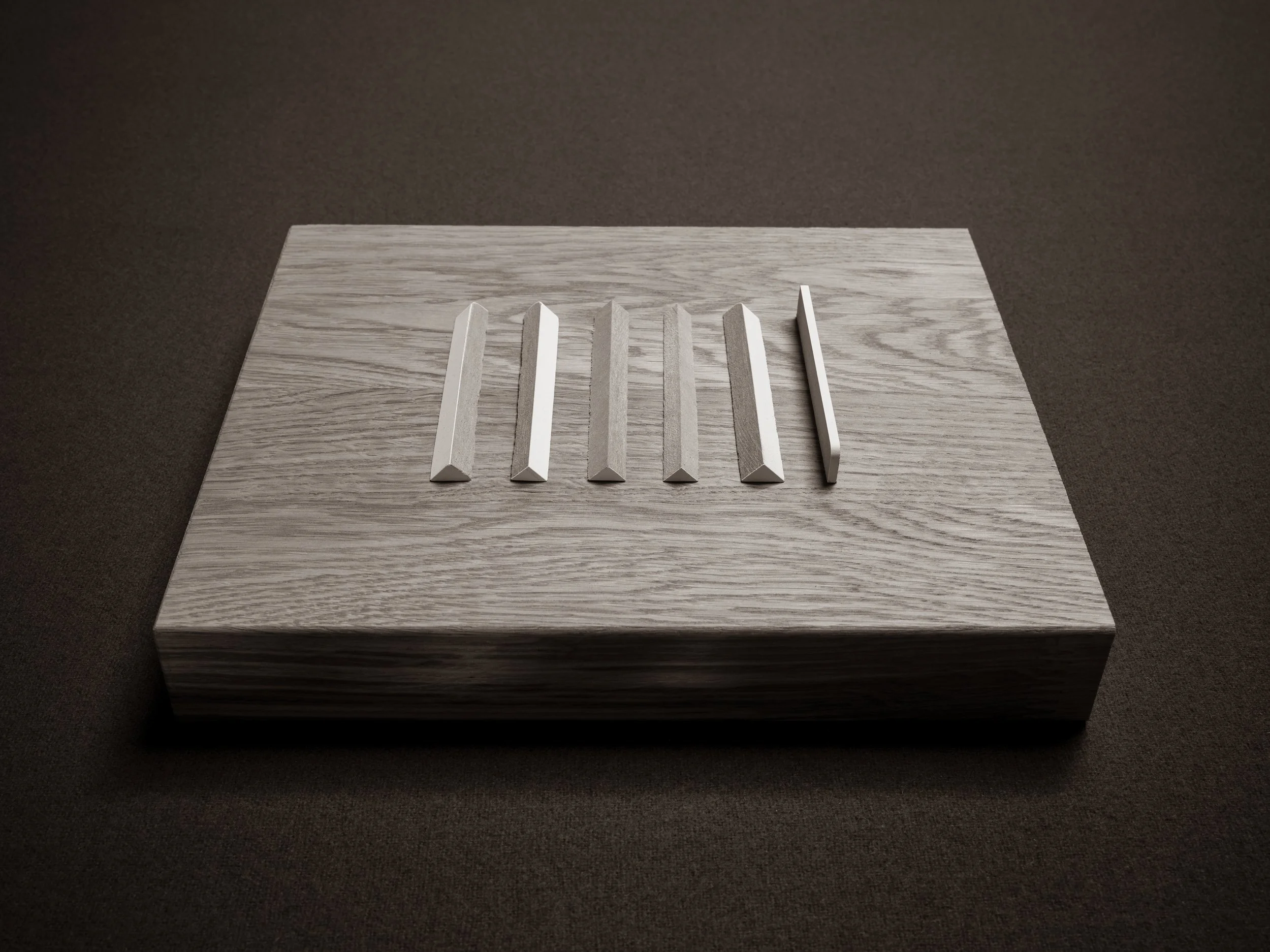
Study of trees, no. 1
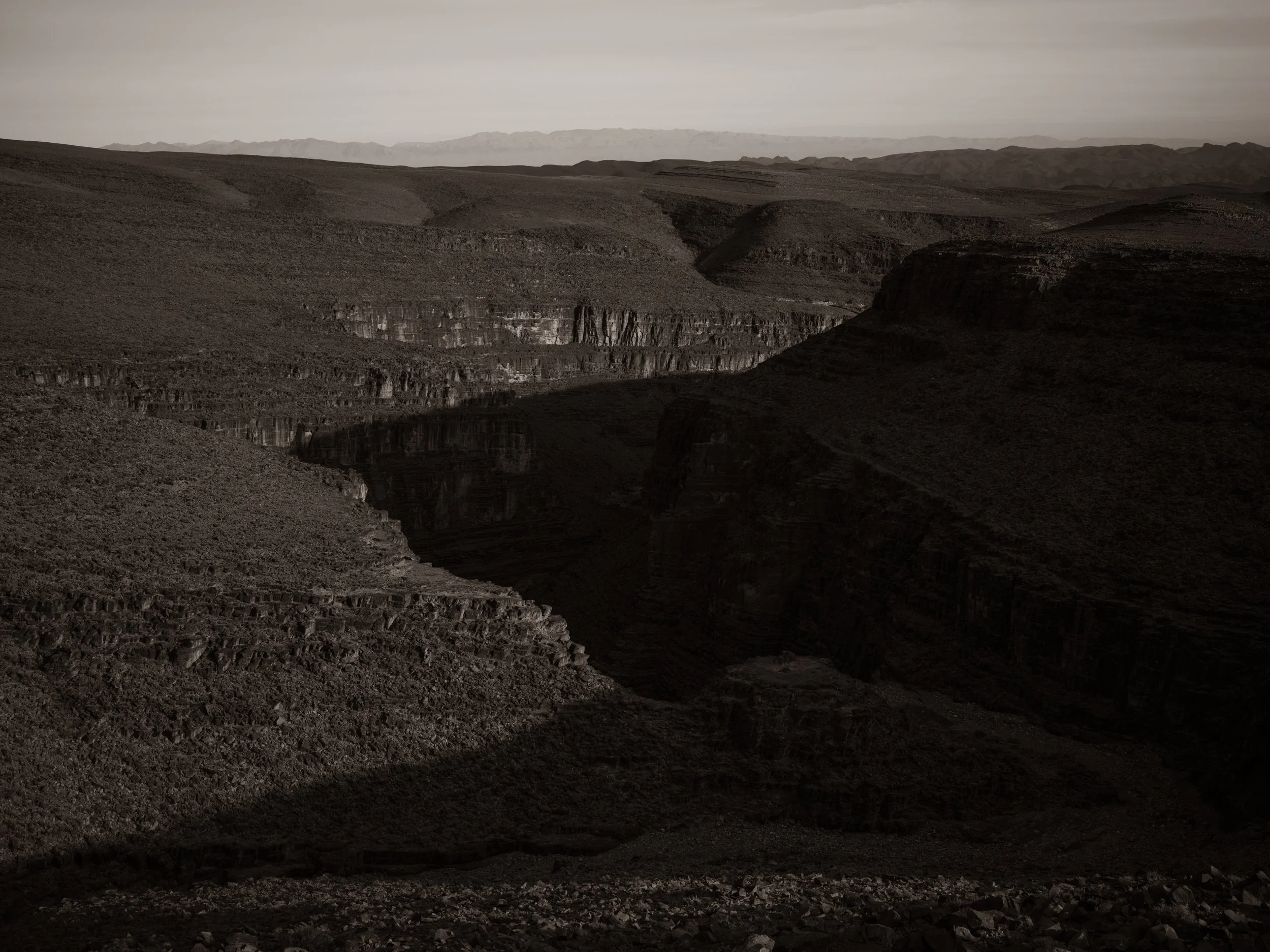
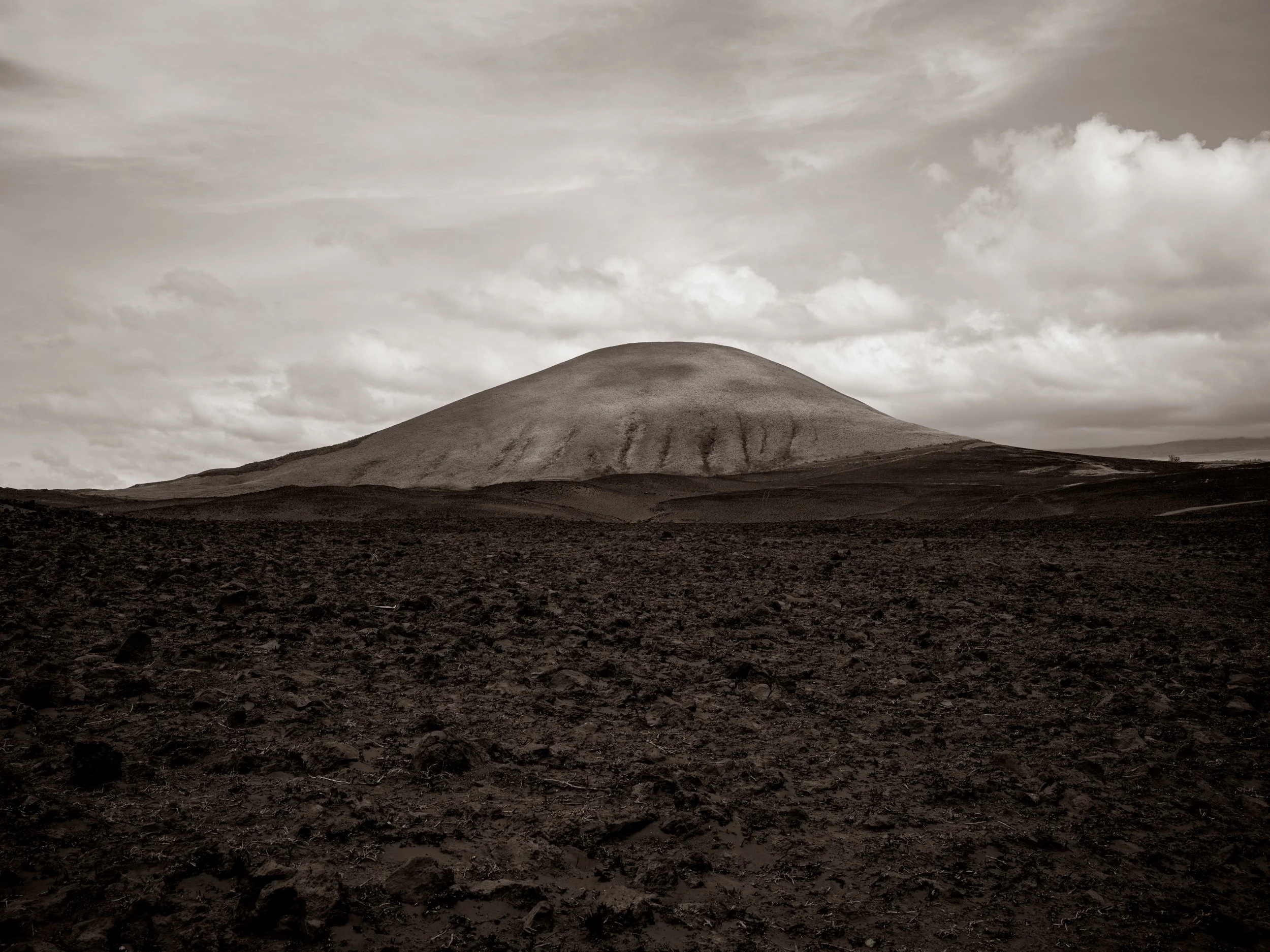
Curvatures of light
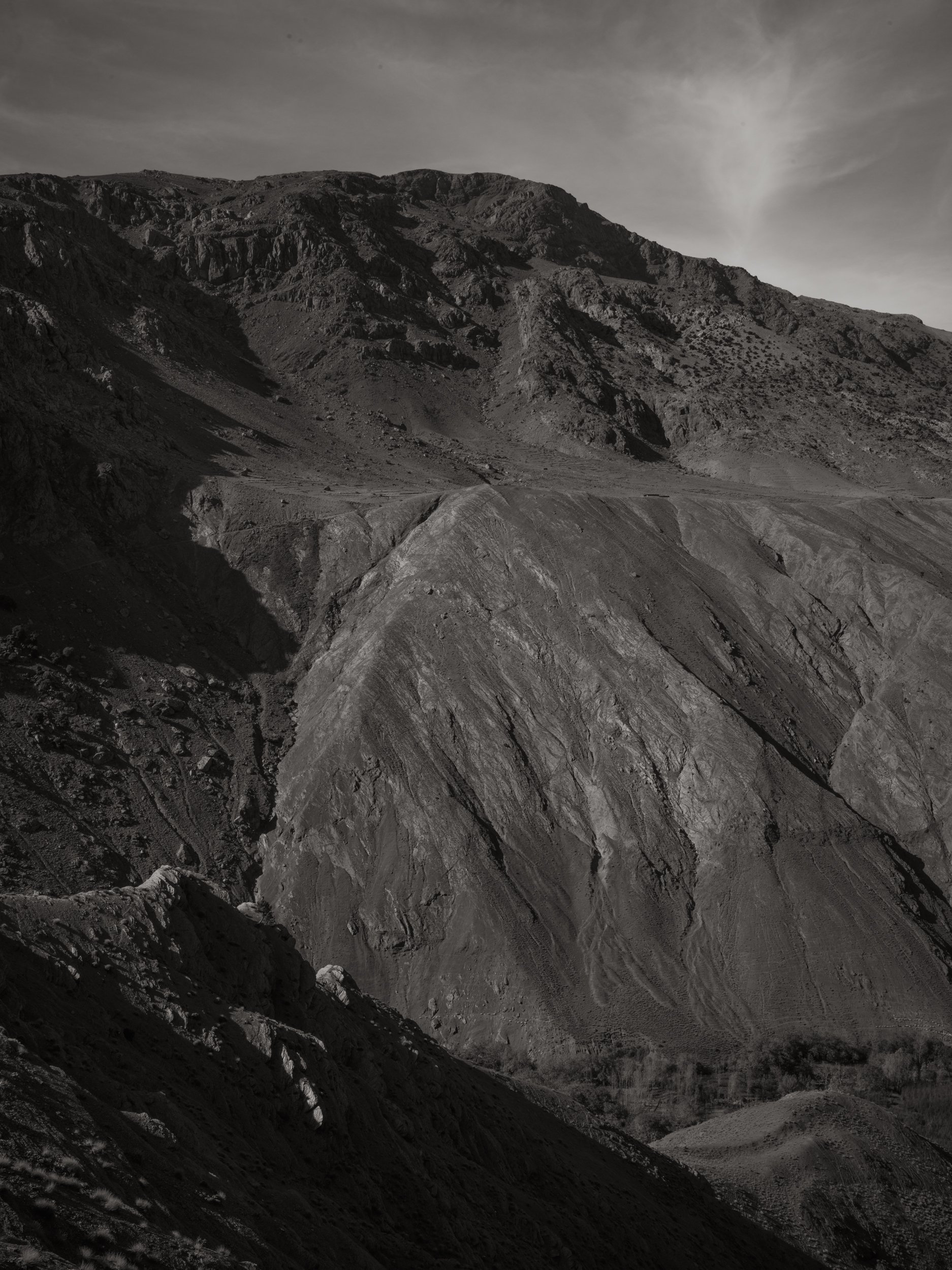
Shading with light and stone
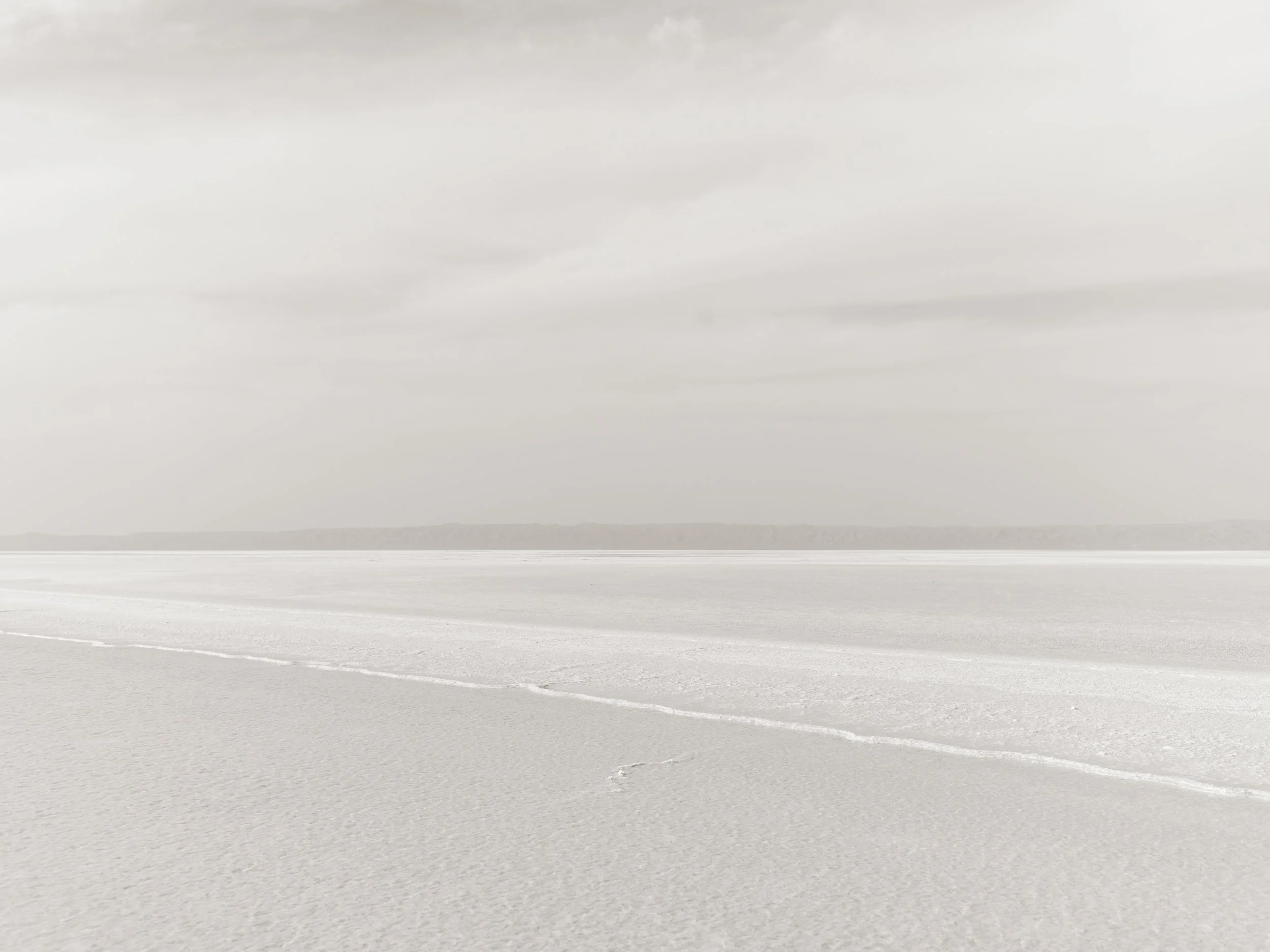
lntersecting lines
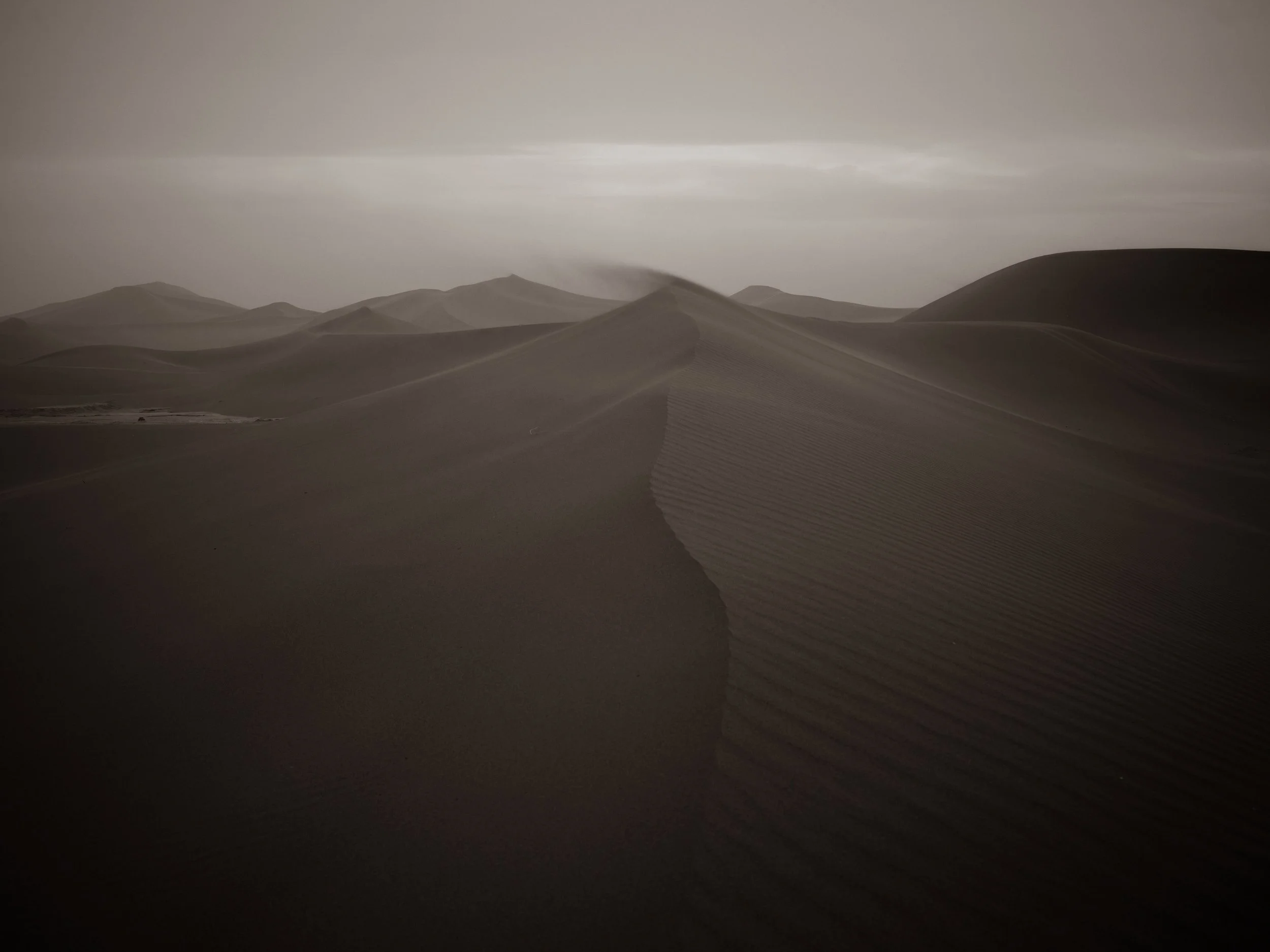
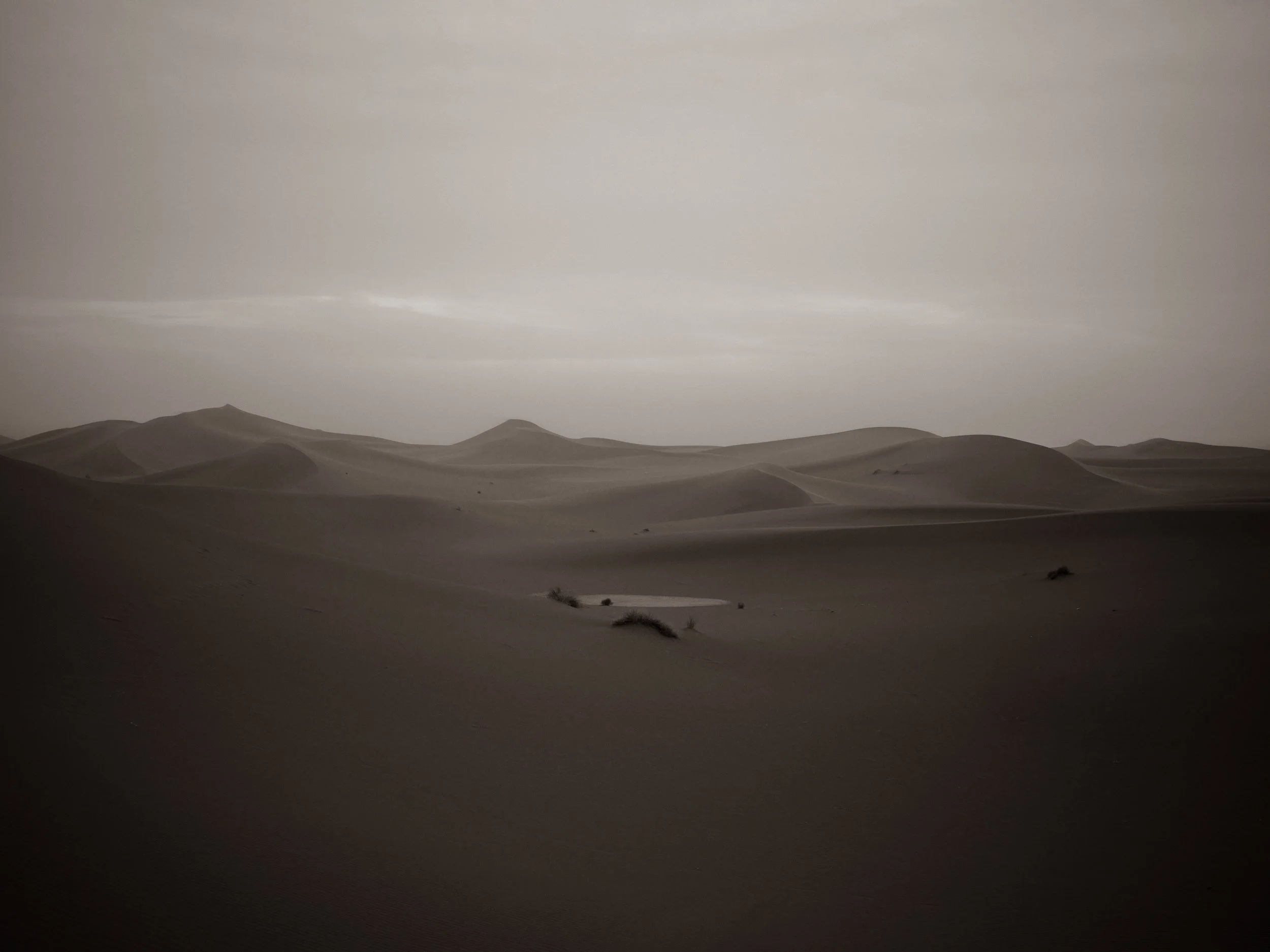
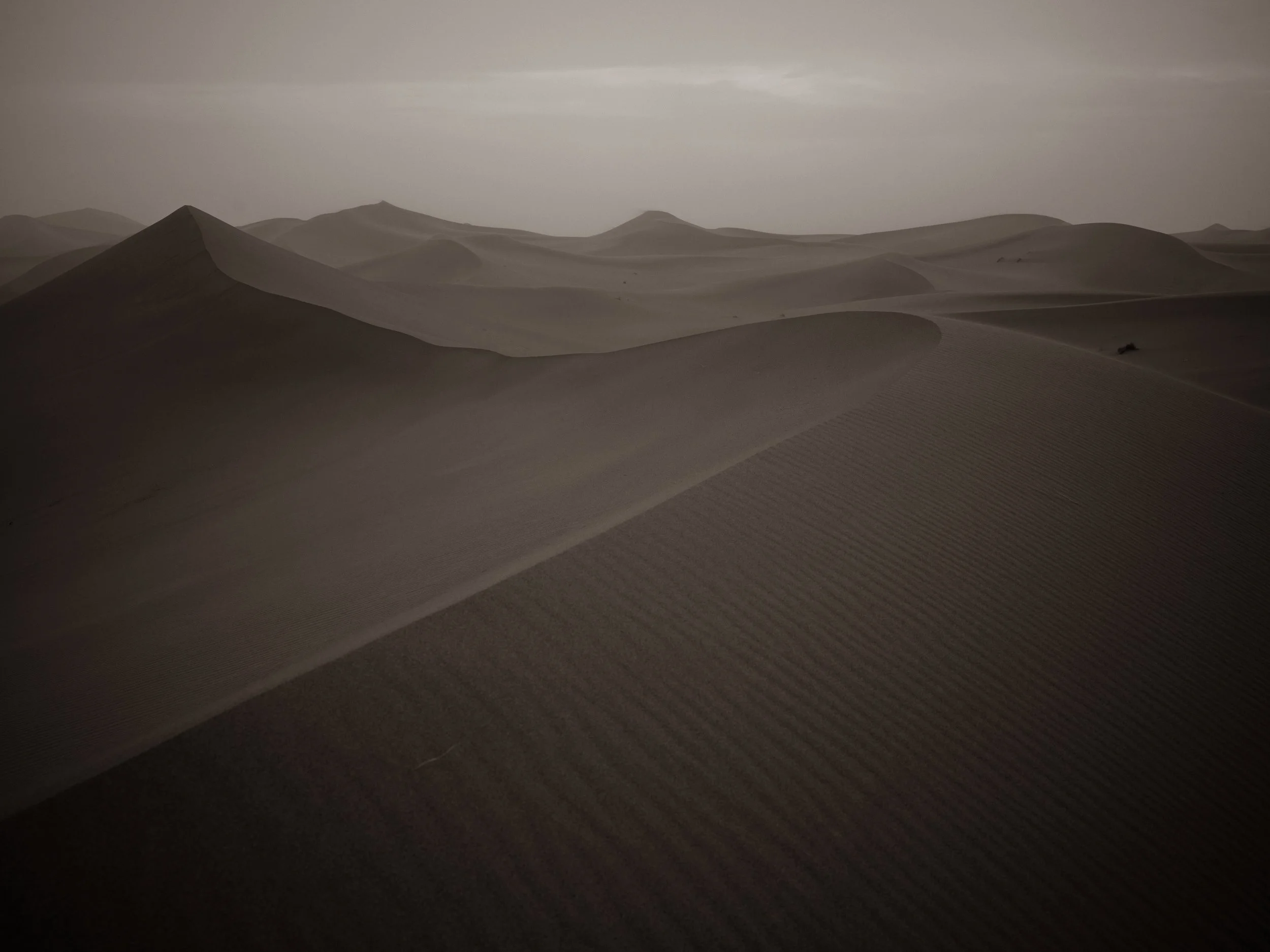
Shaped by wind
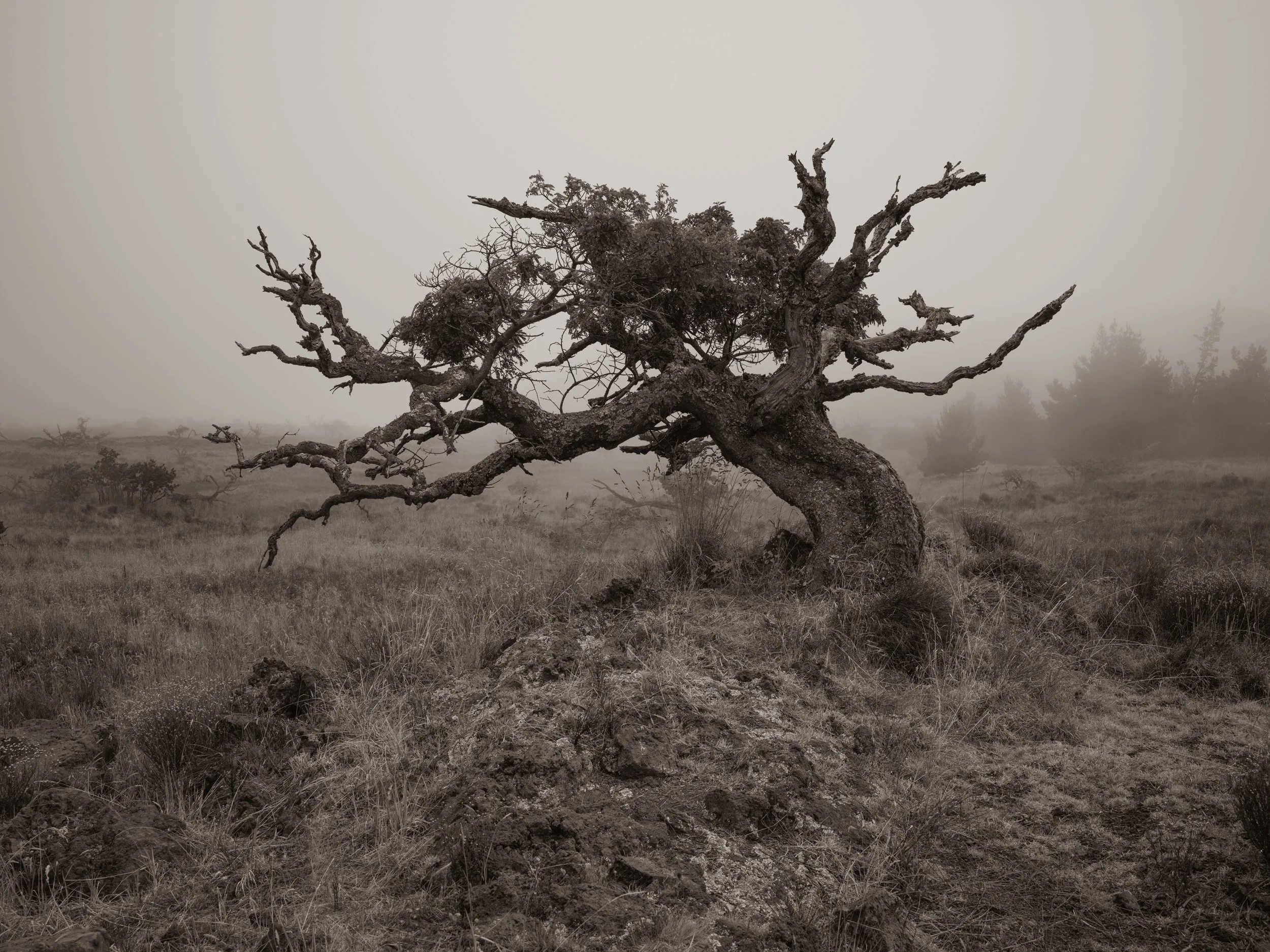
Isolating a tree
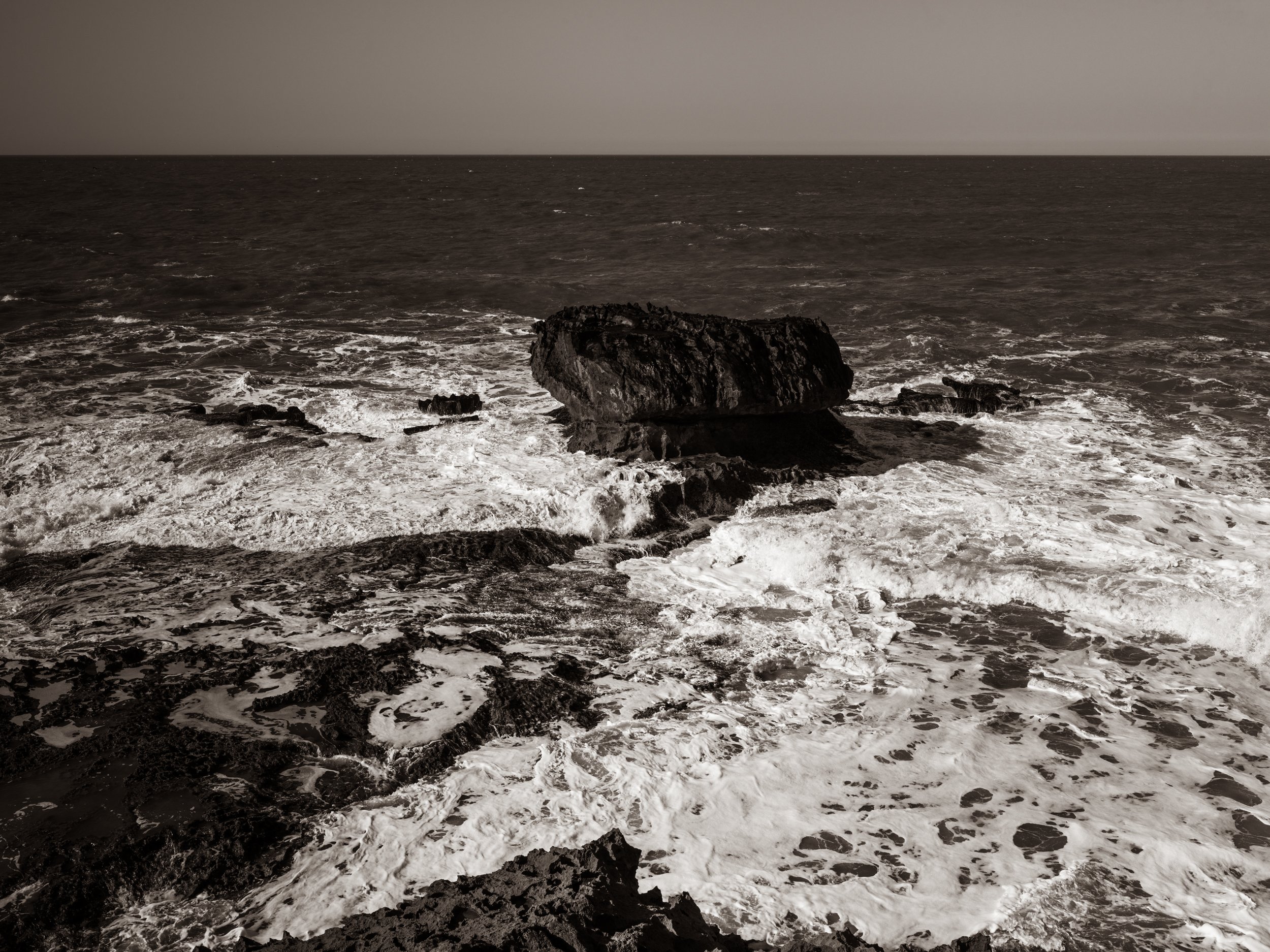
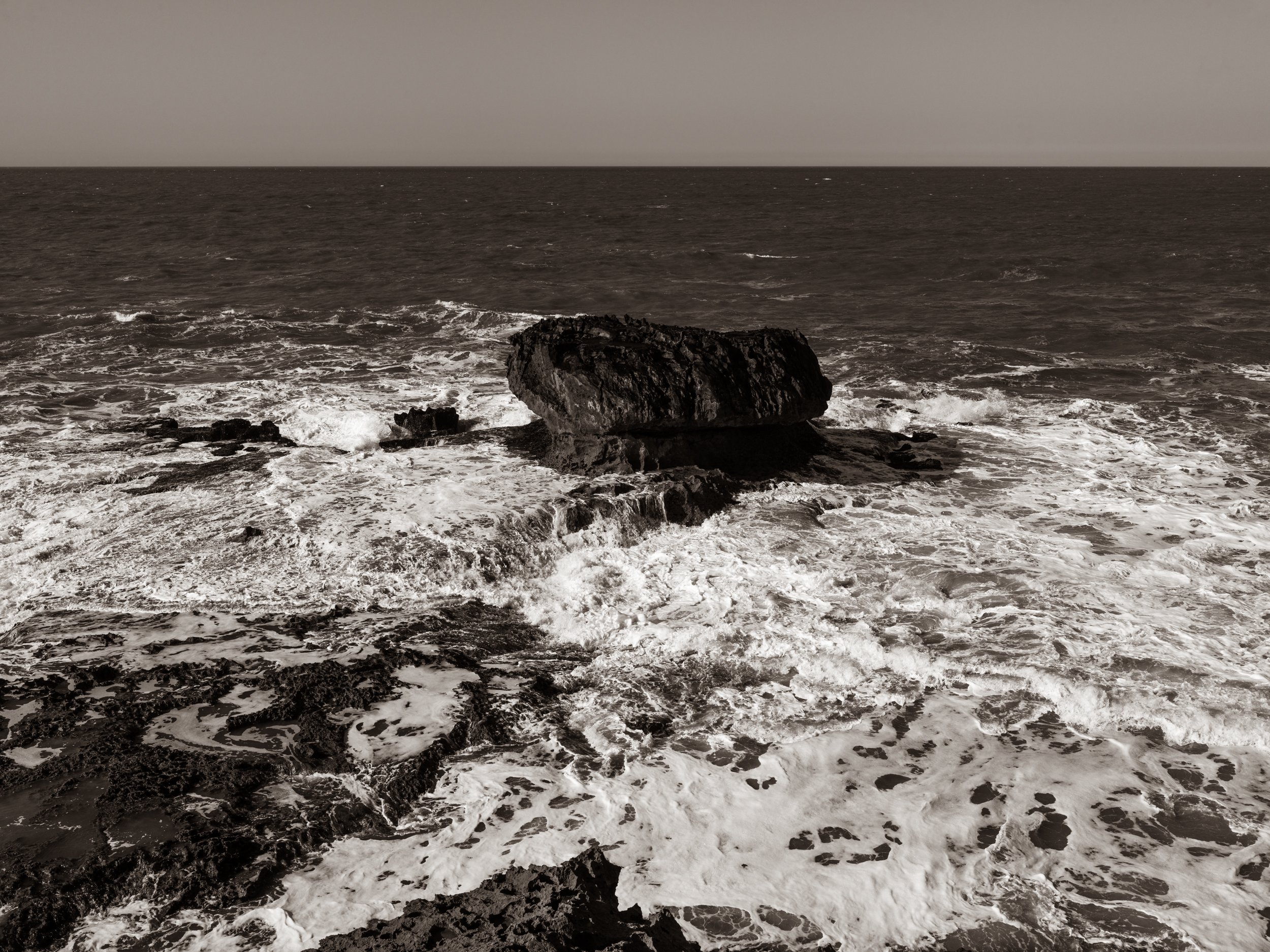
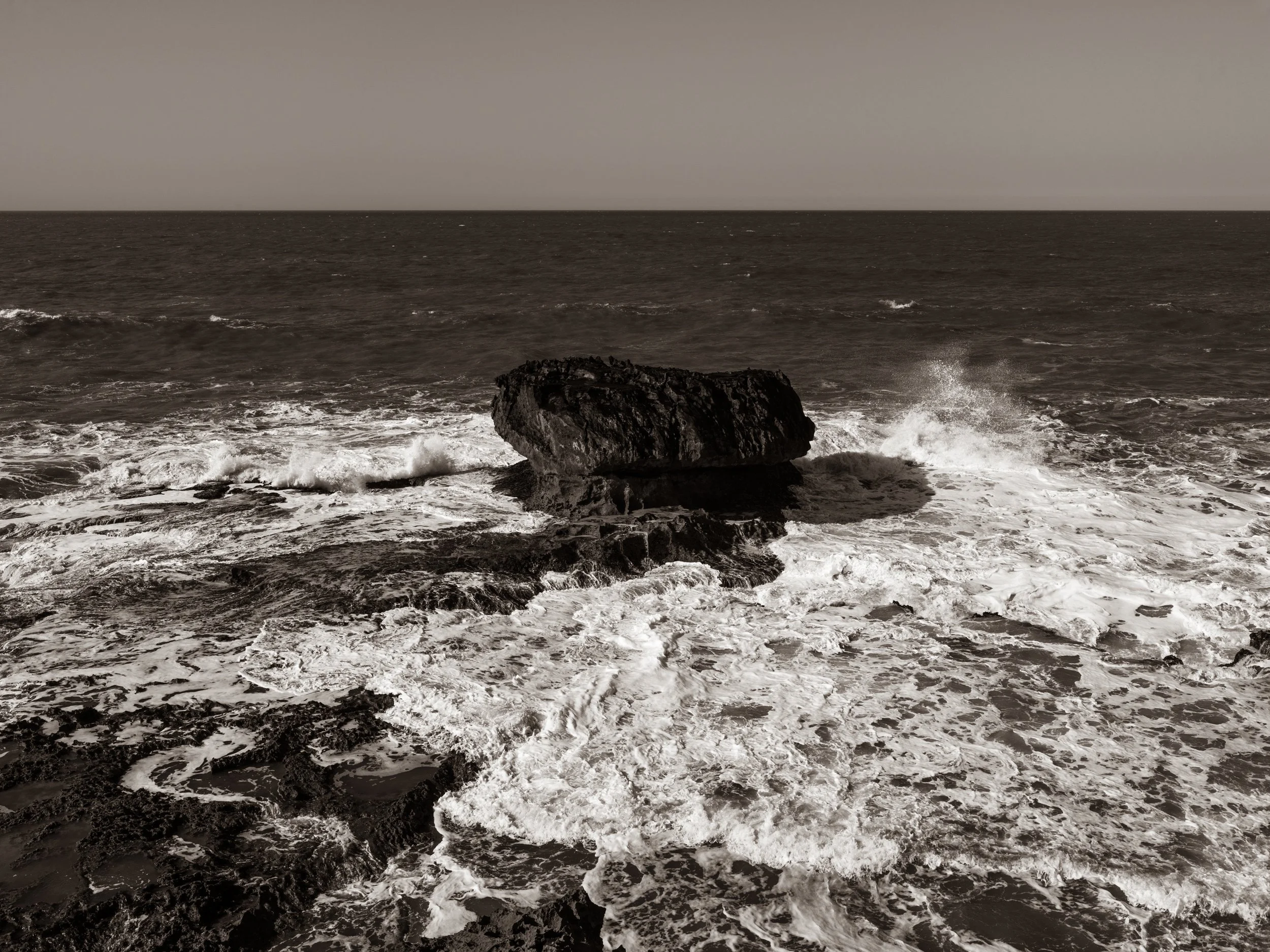
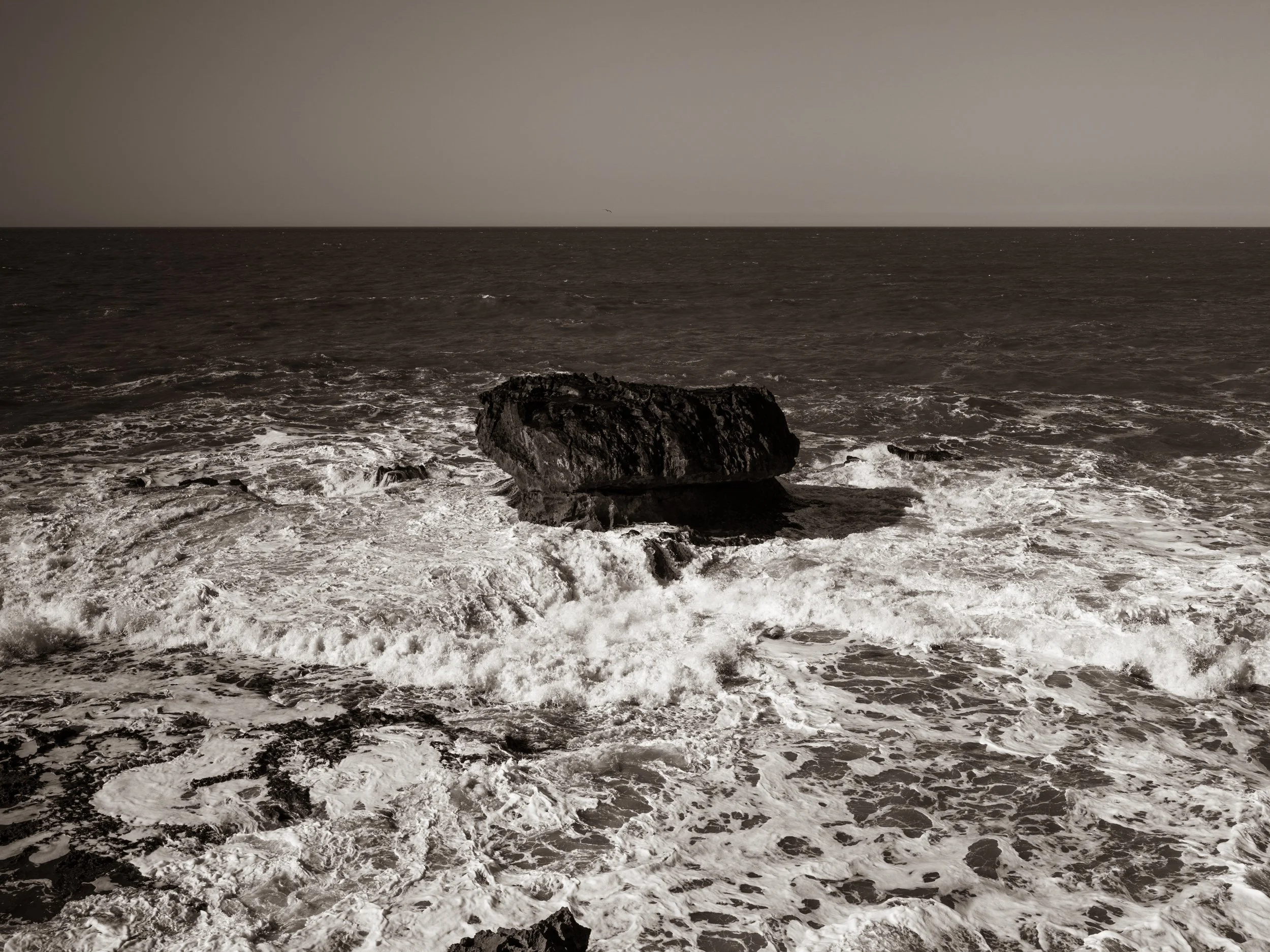
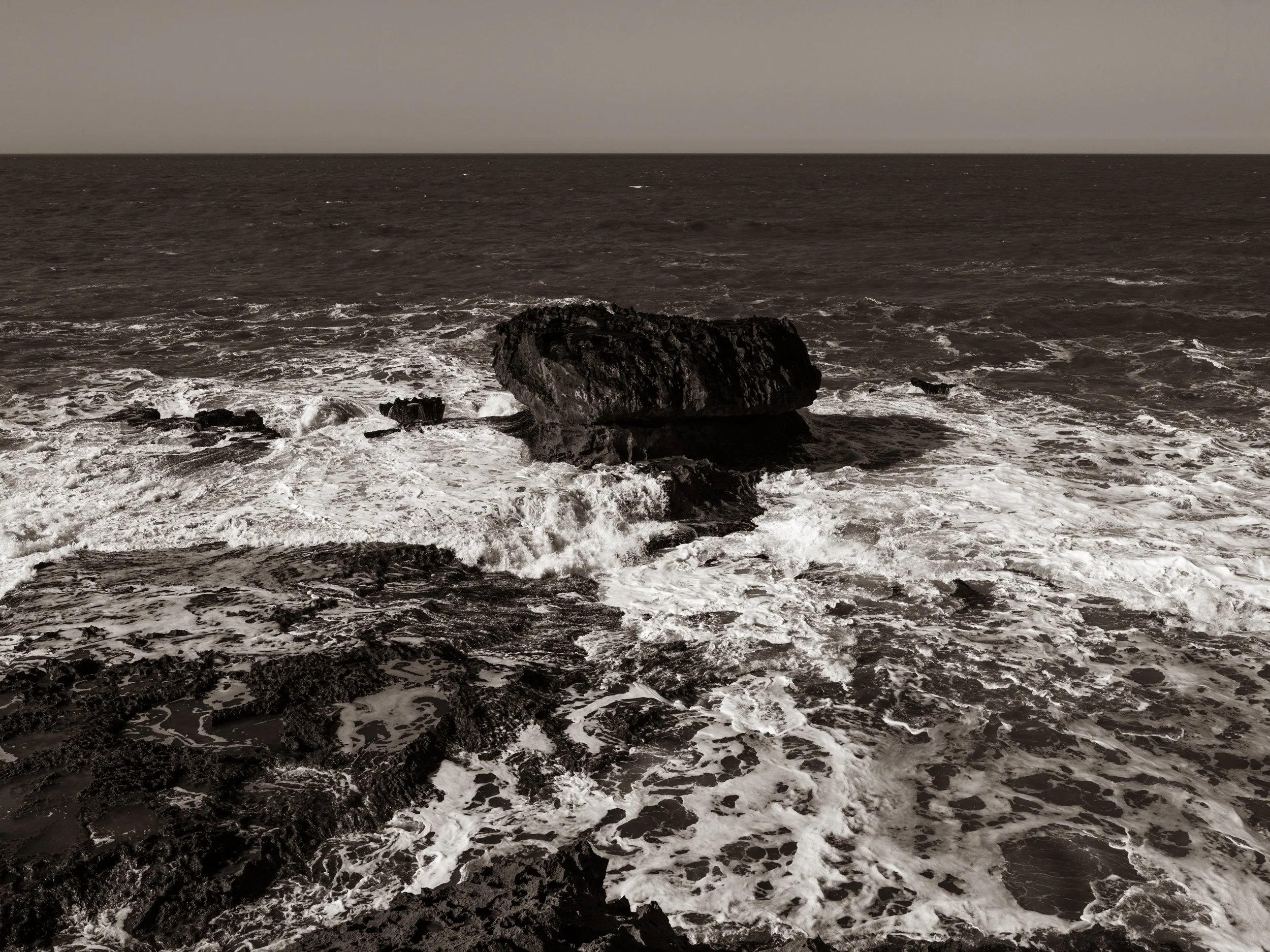
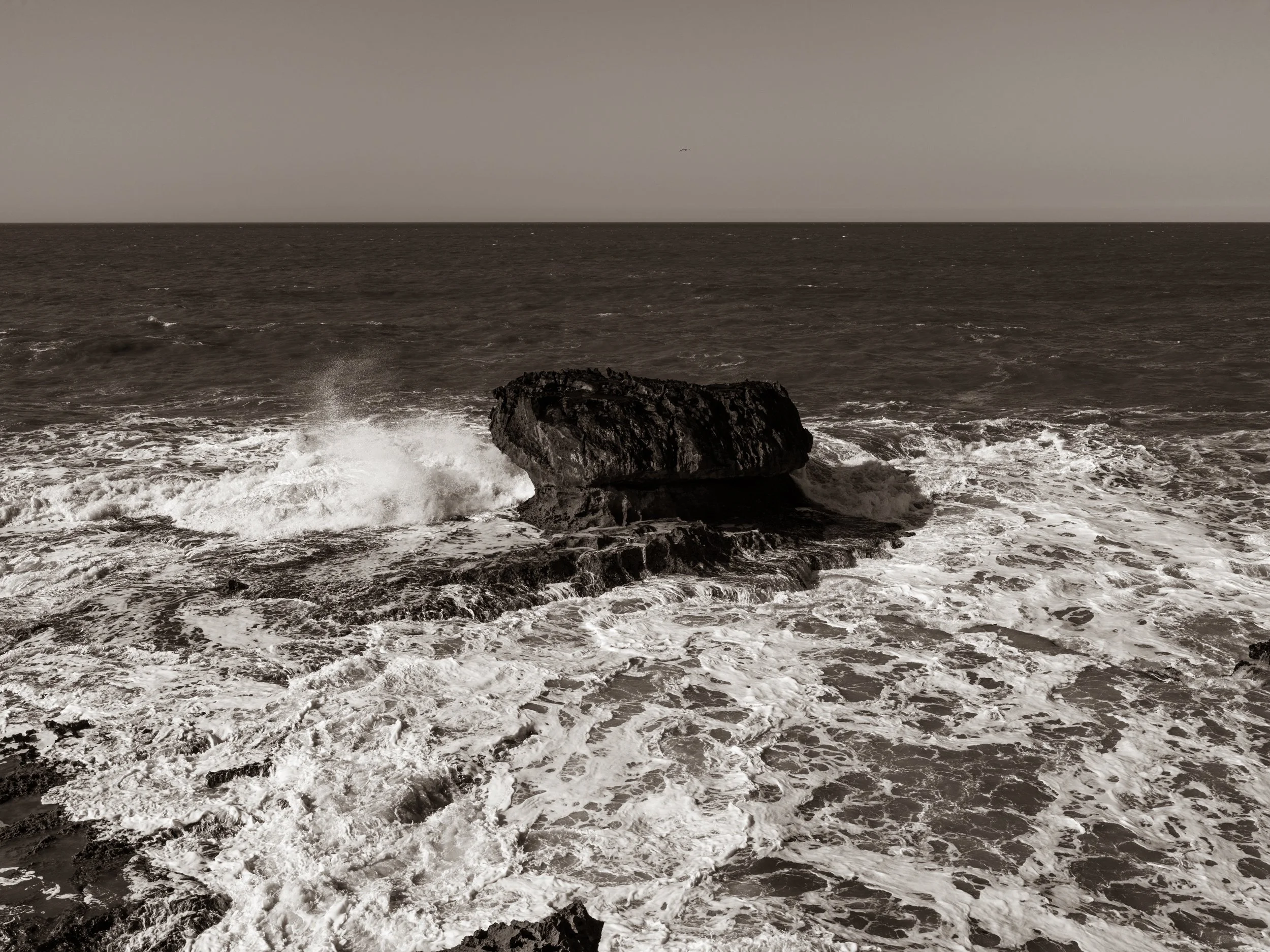
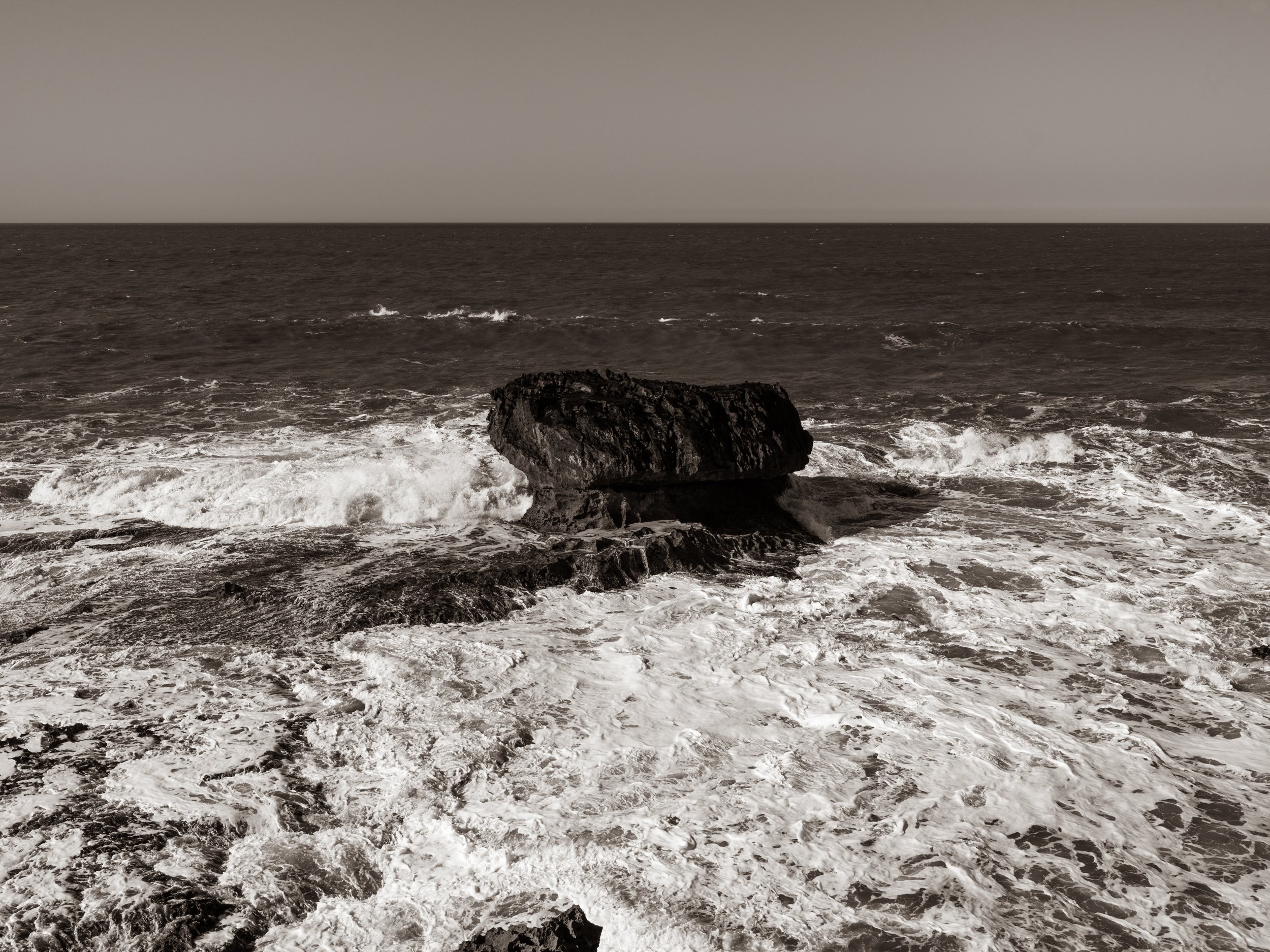
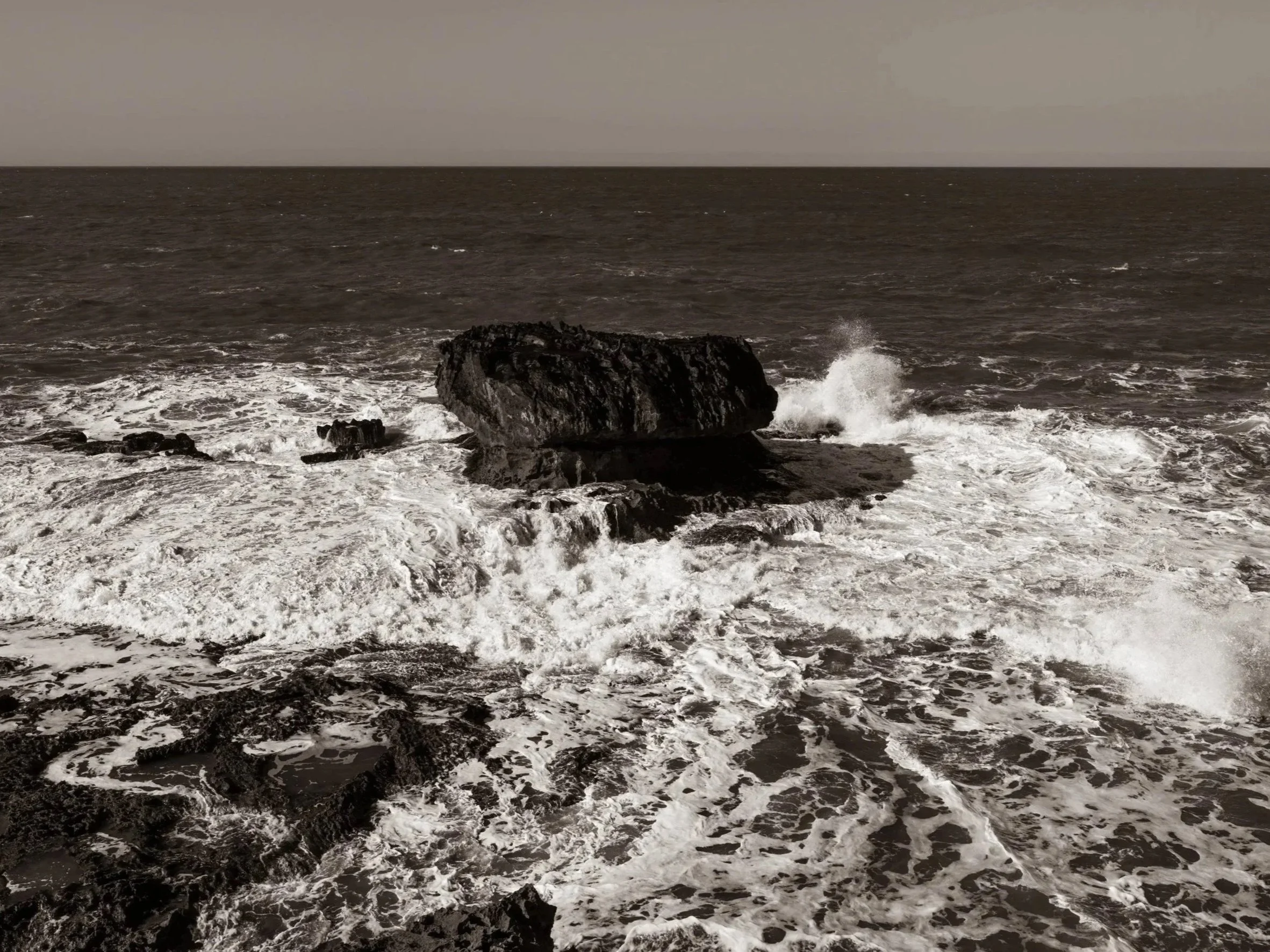
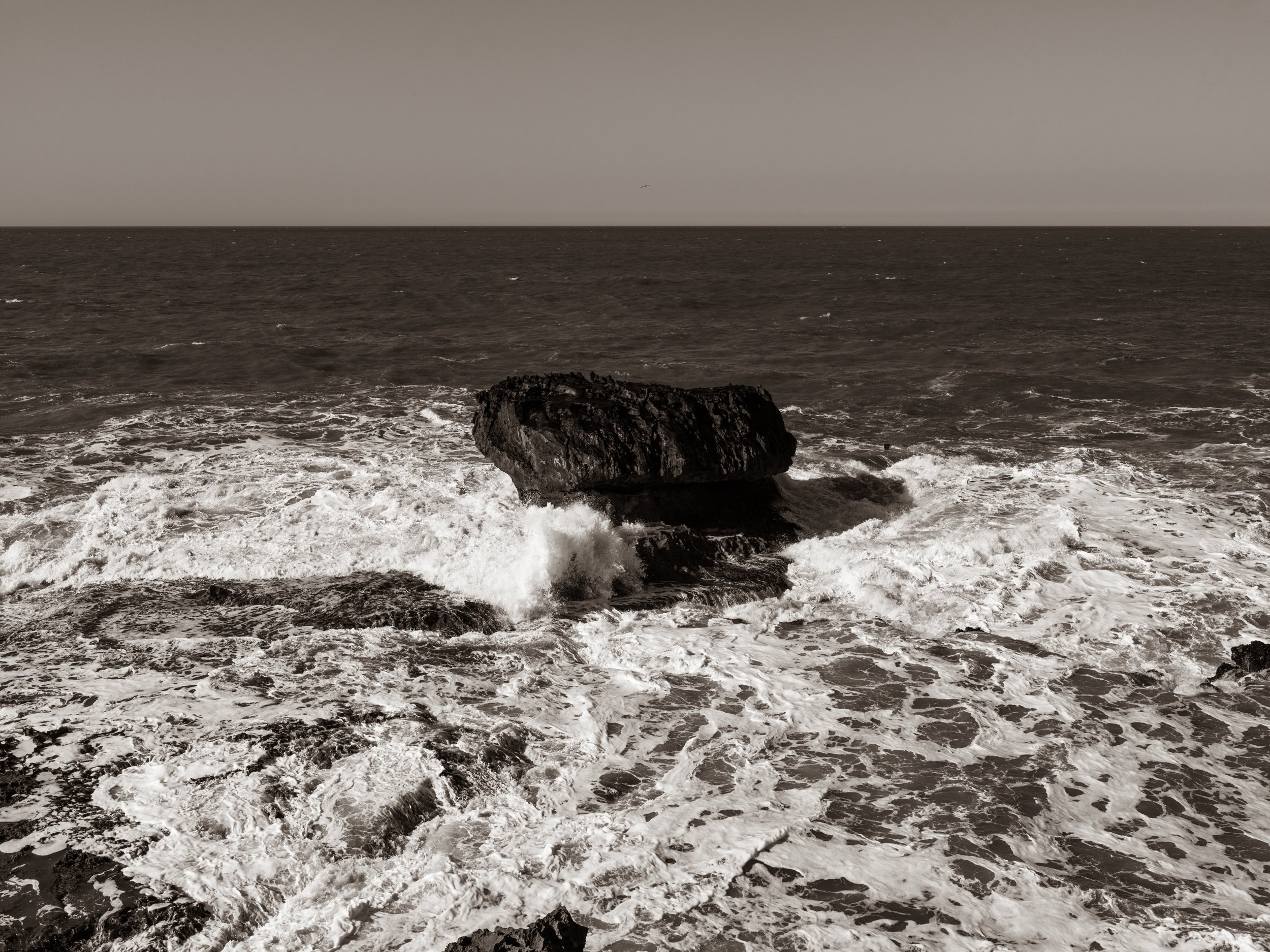
Watching waves crash
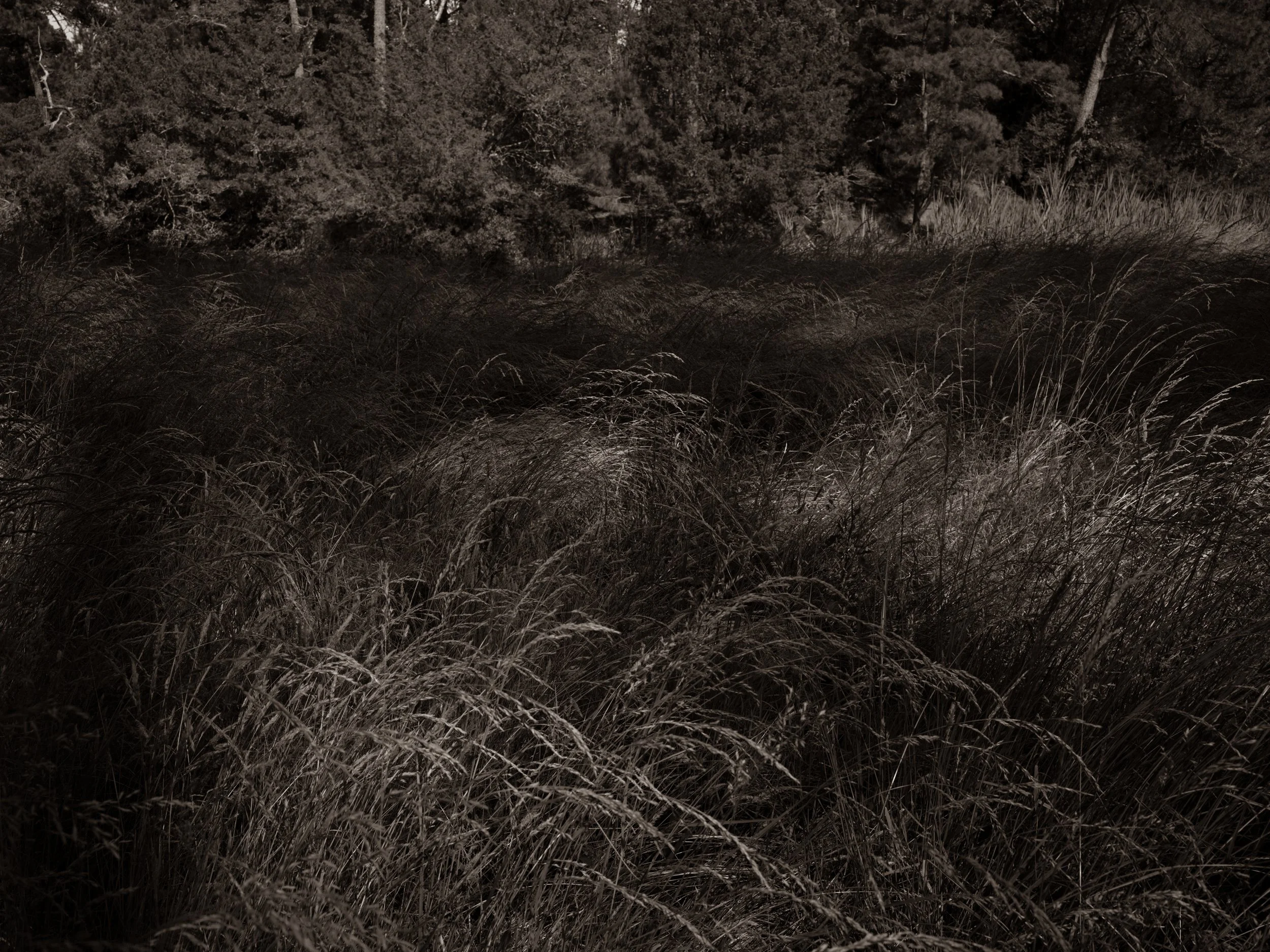
How light falls
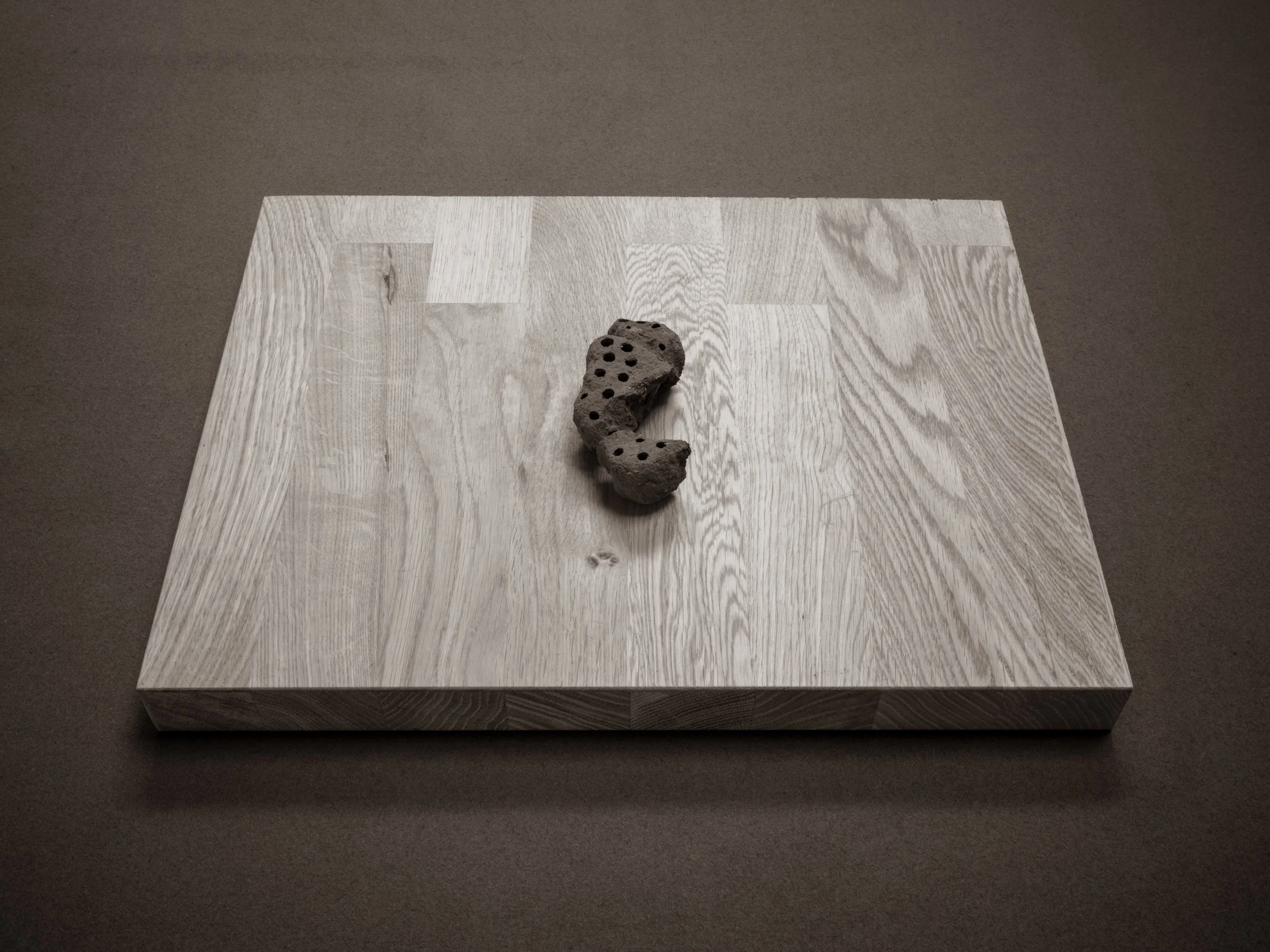
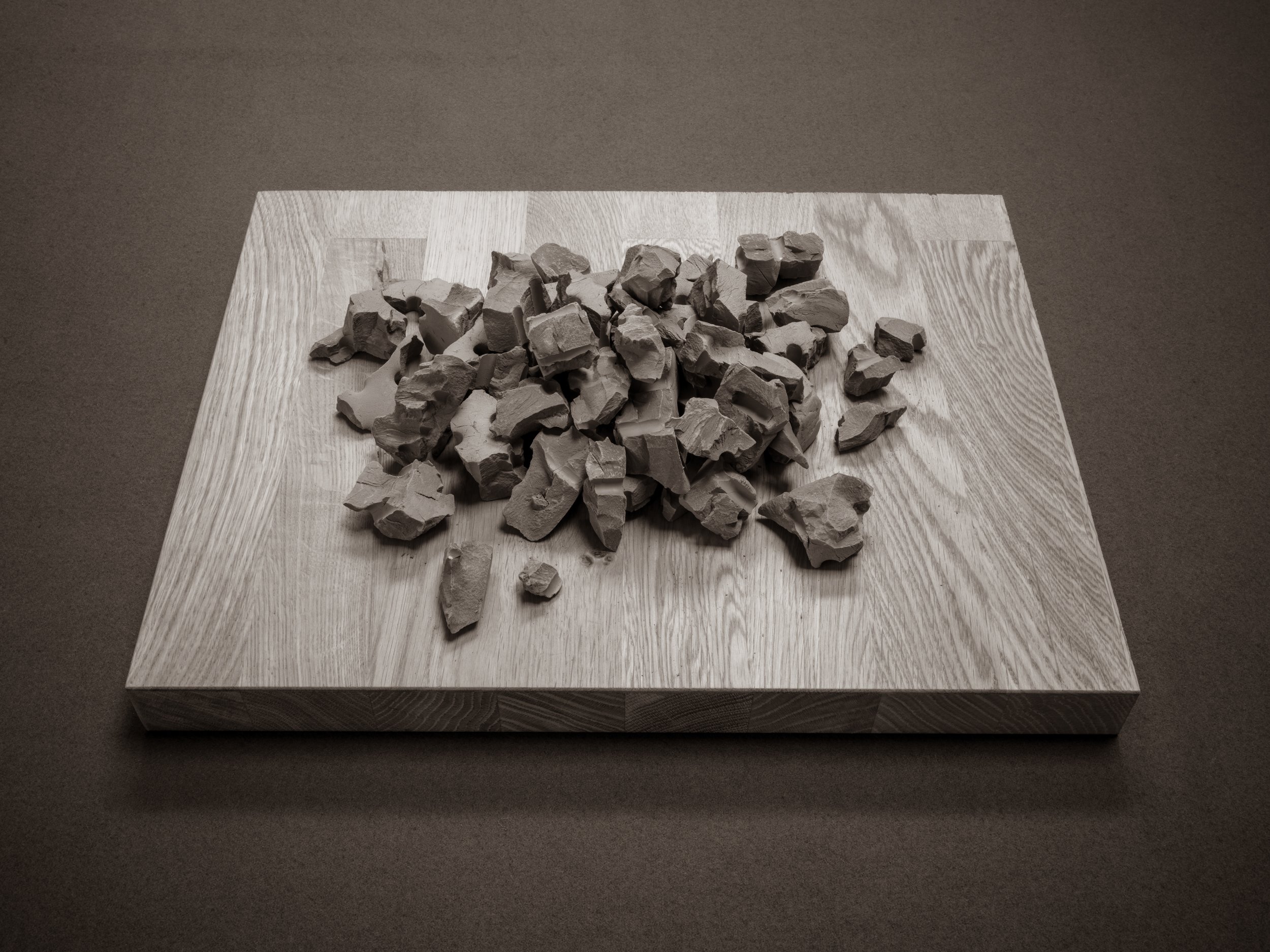
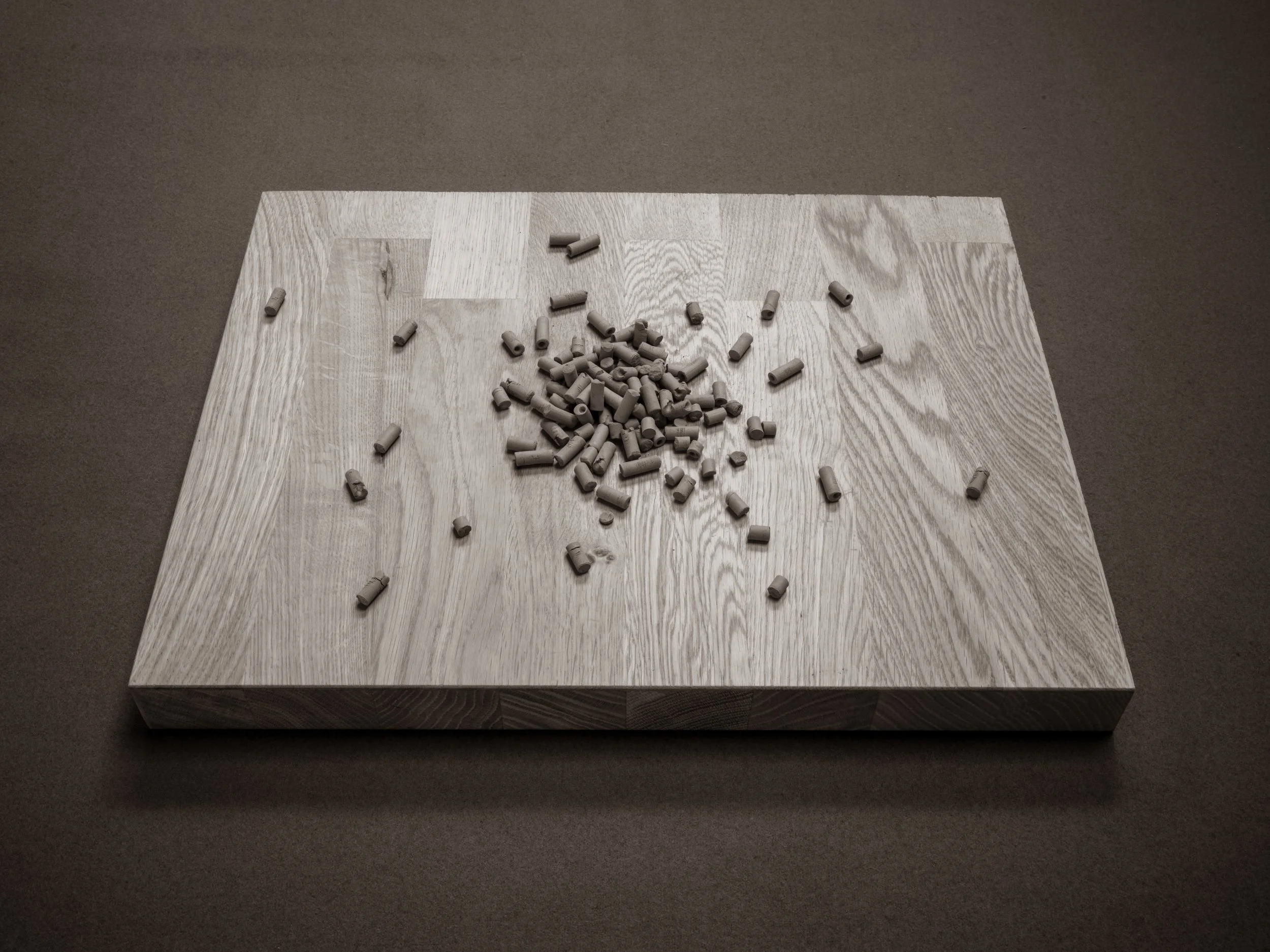
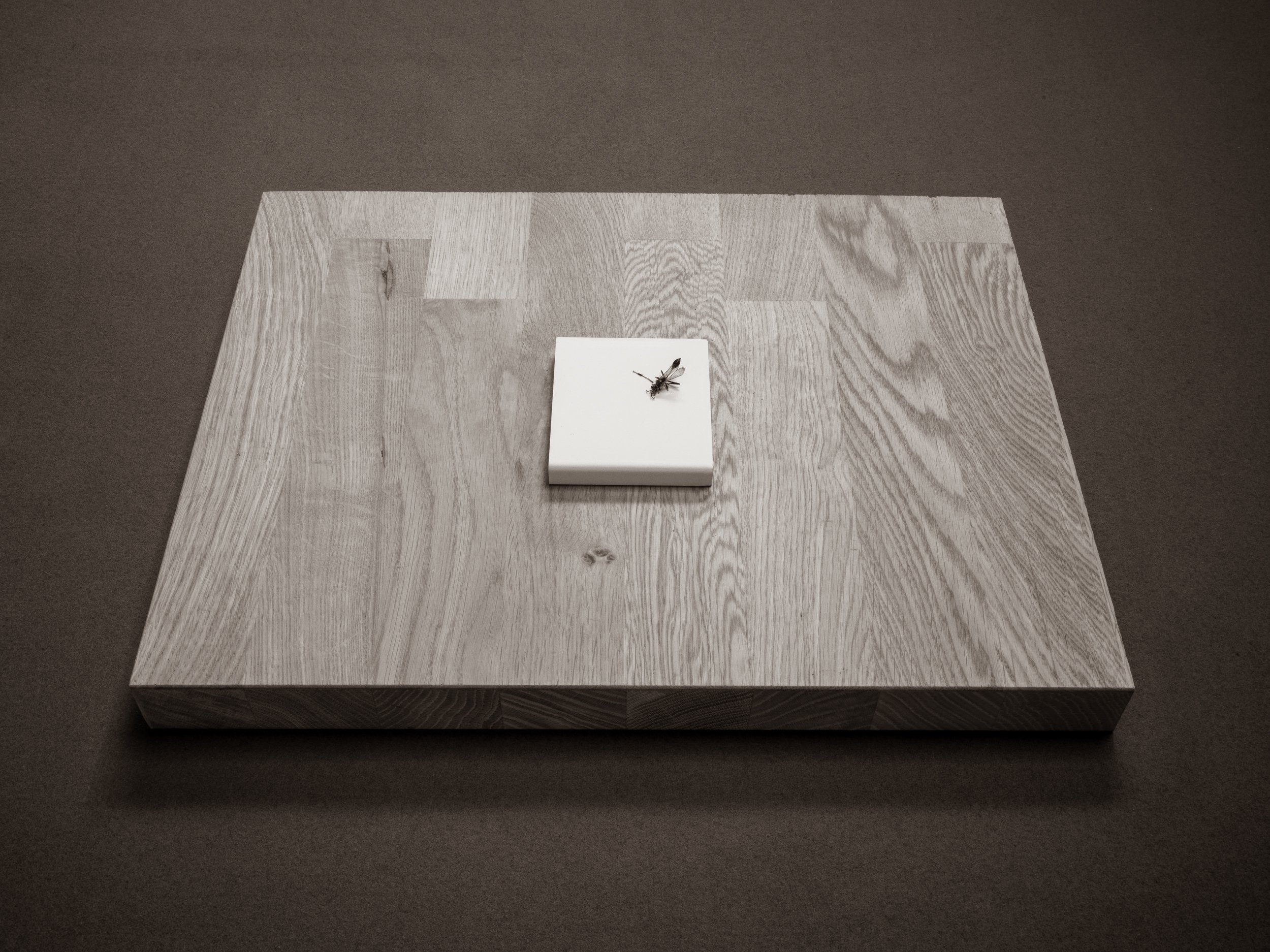
Study of dirt dobber nest
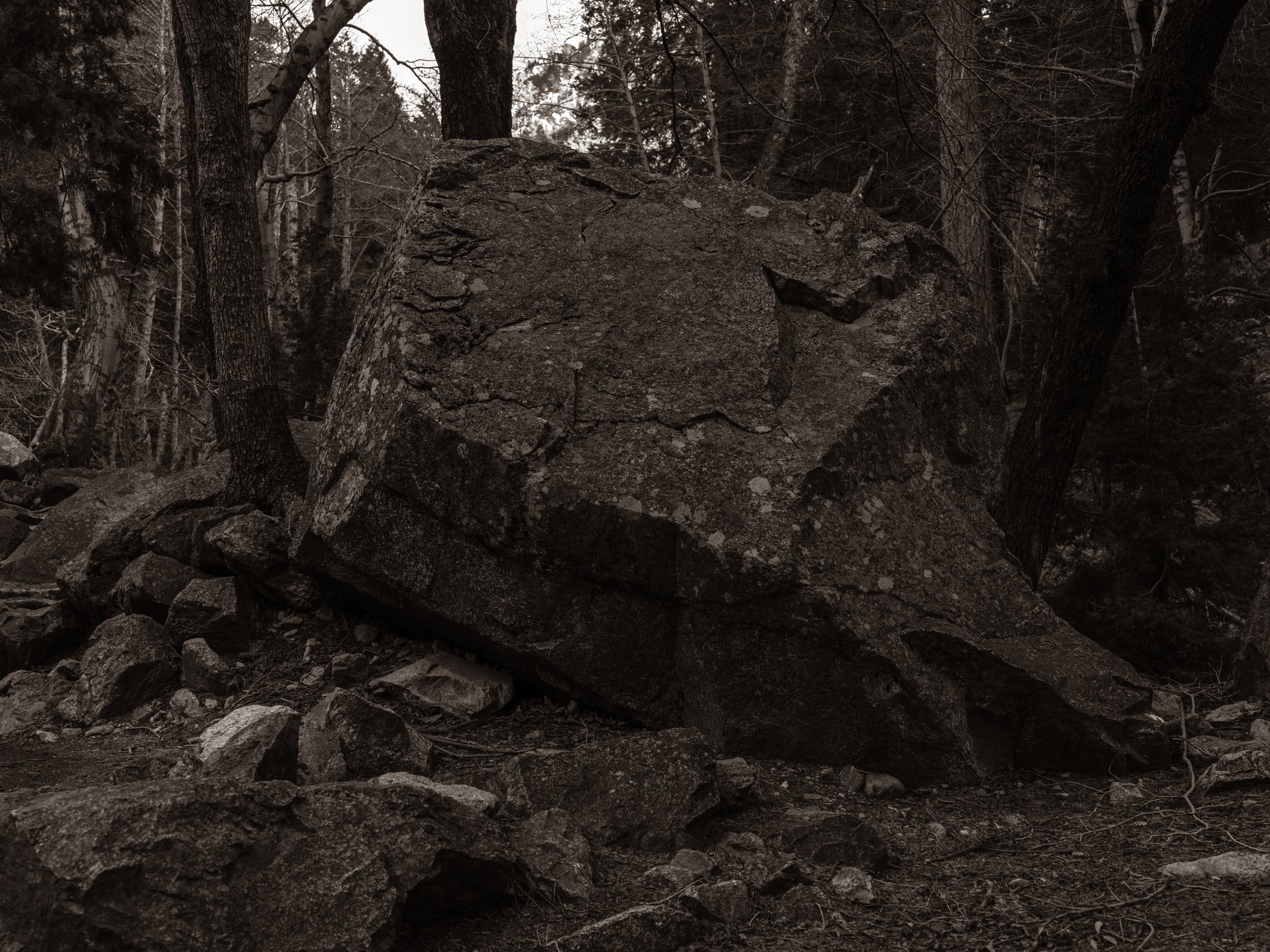
Weight of a boulder
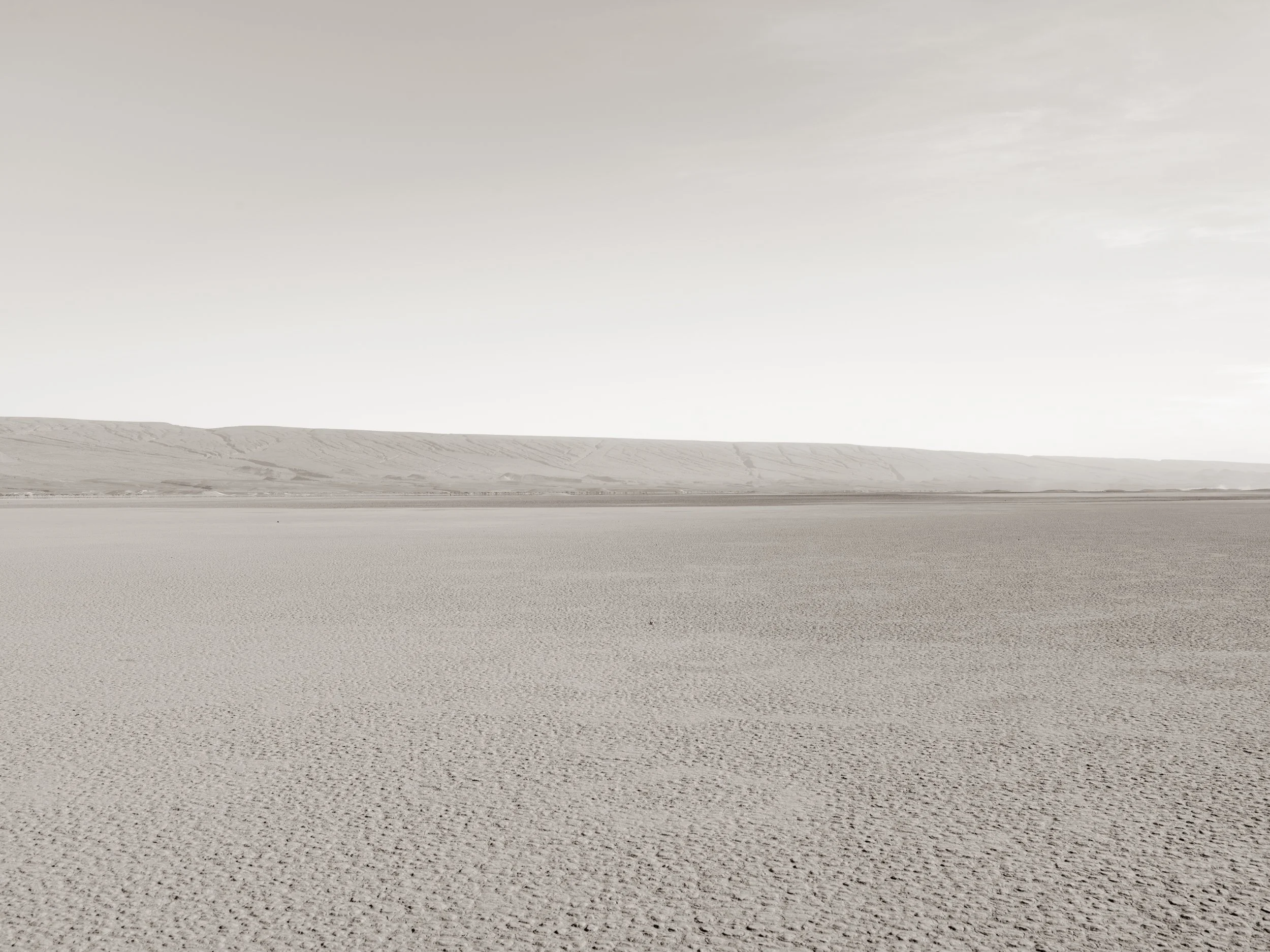
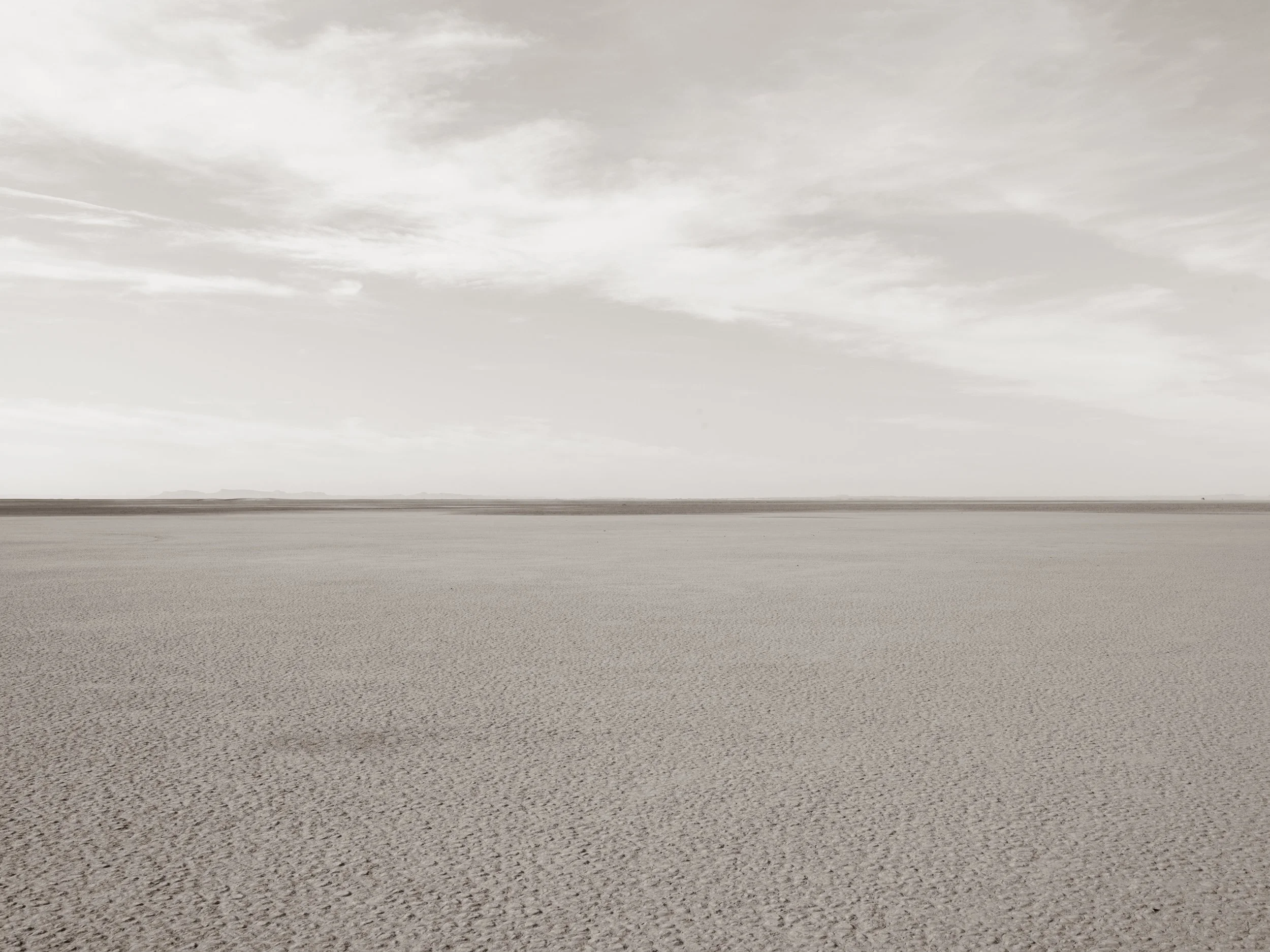
Centered lines
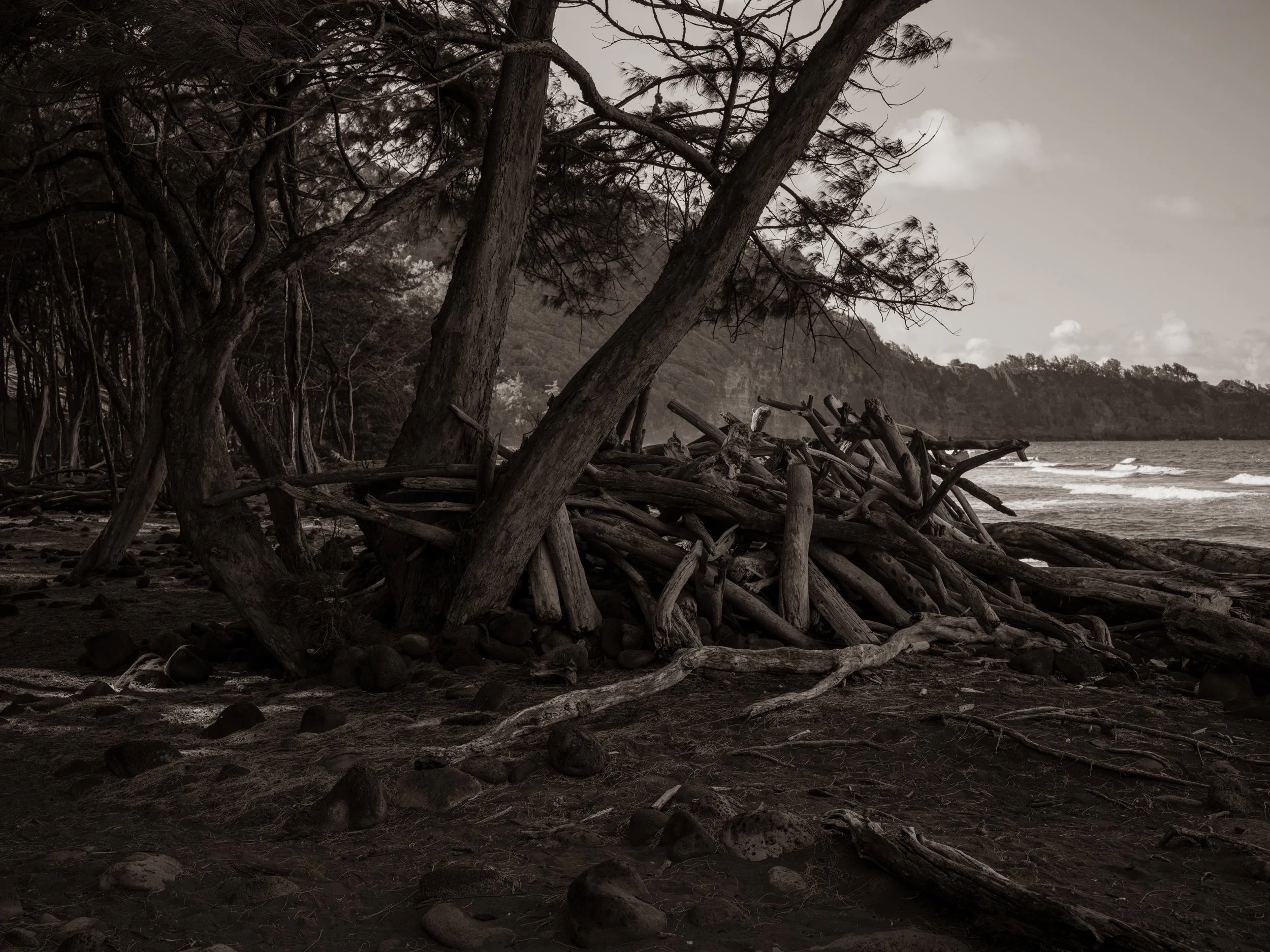
Study of gathering, no. 2
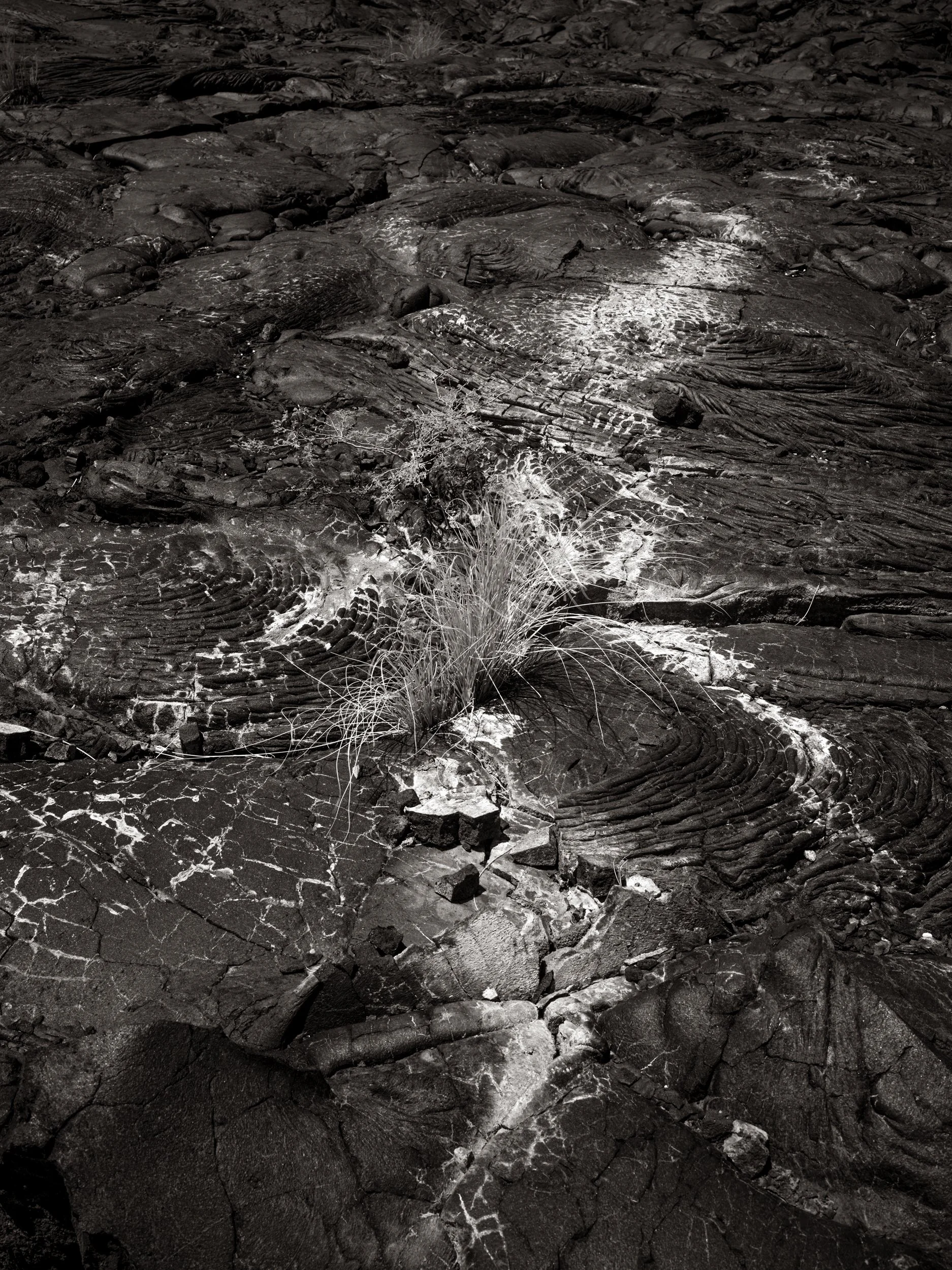
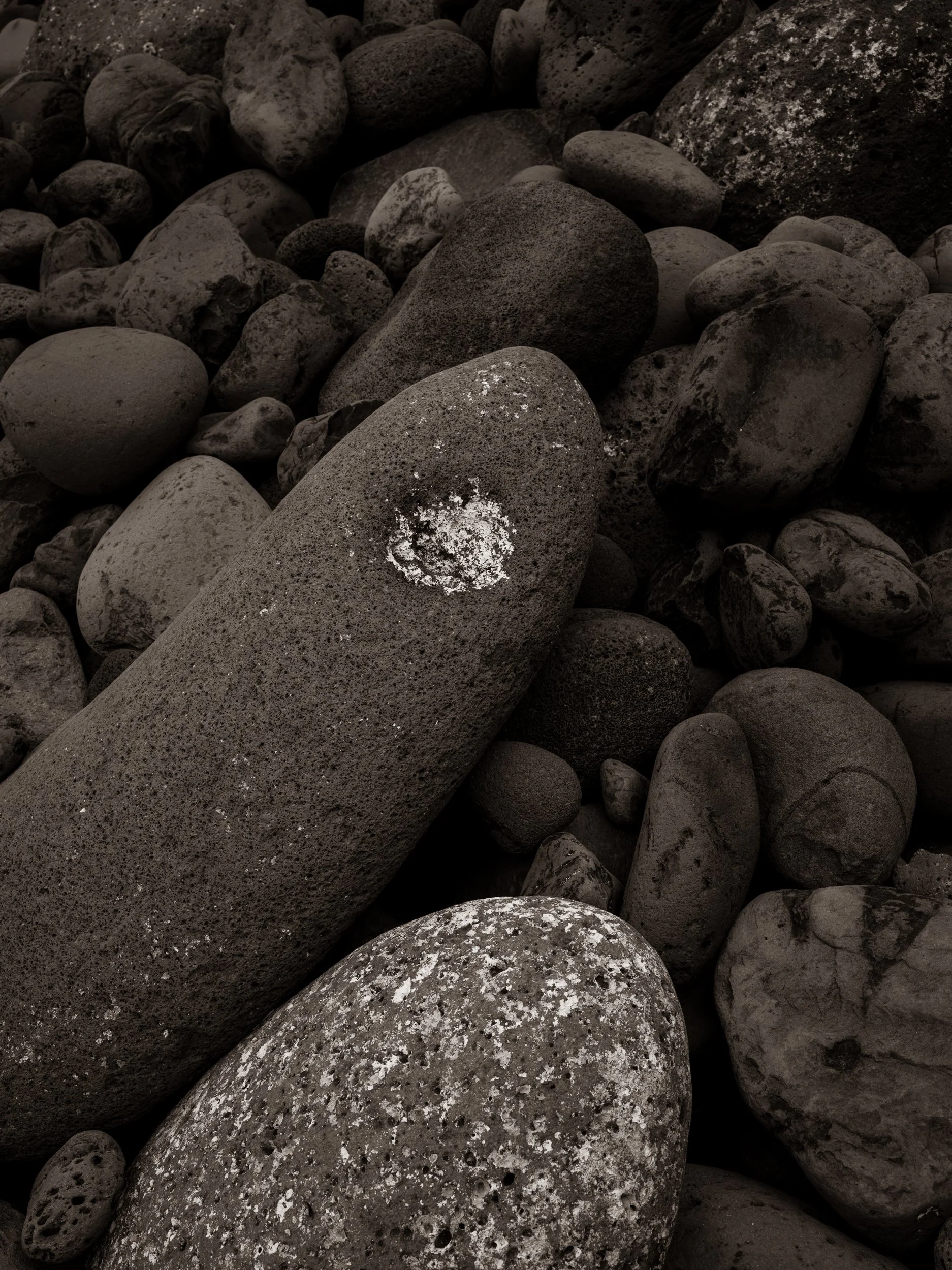
Natural contrast
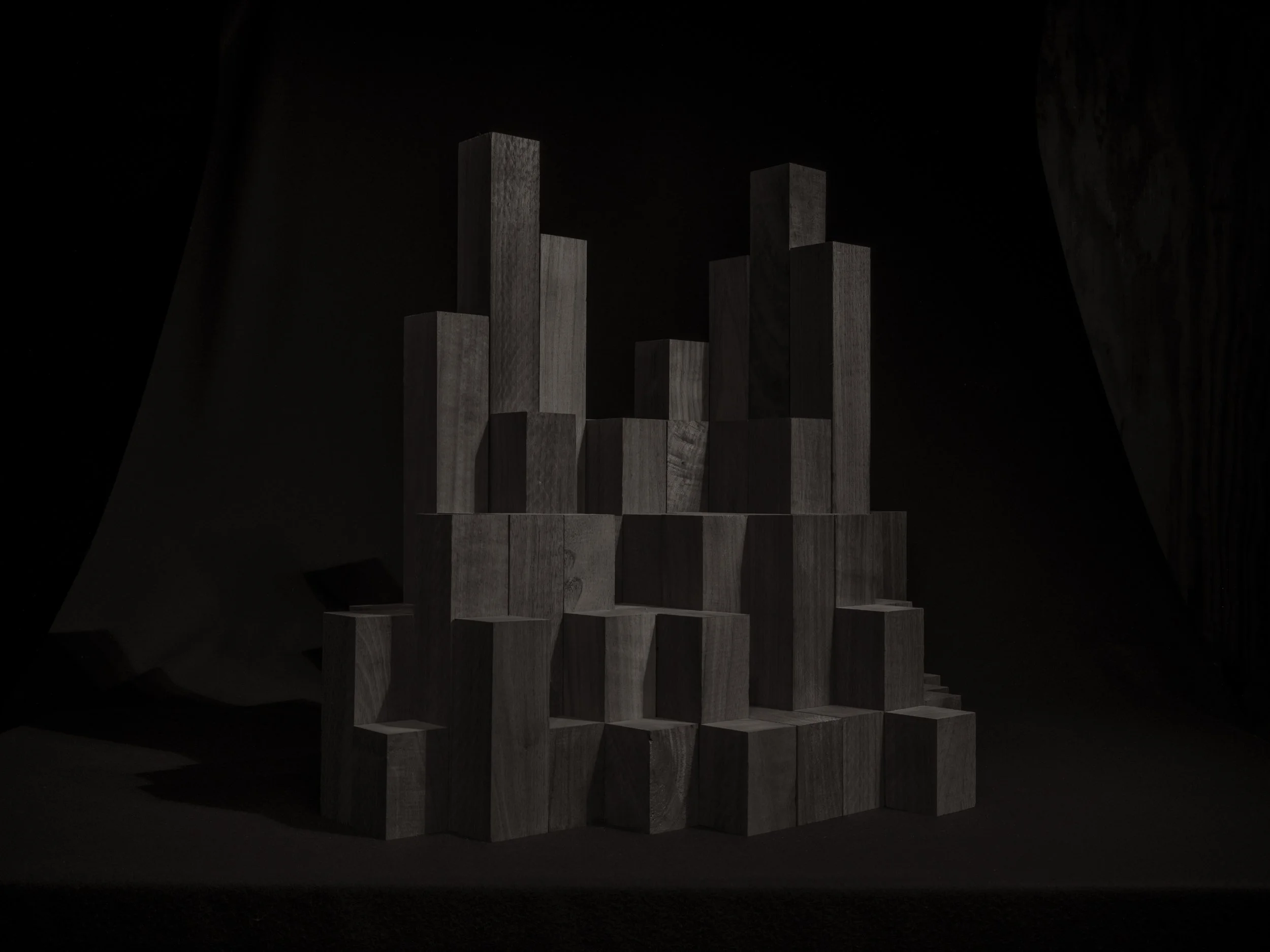
Study of peaks, in moonlight, no. 3
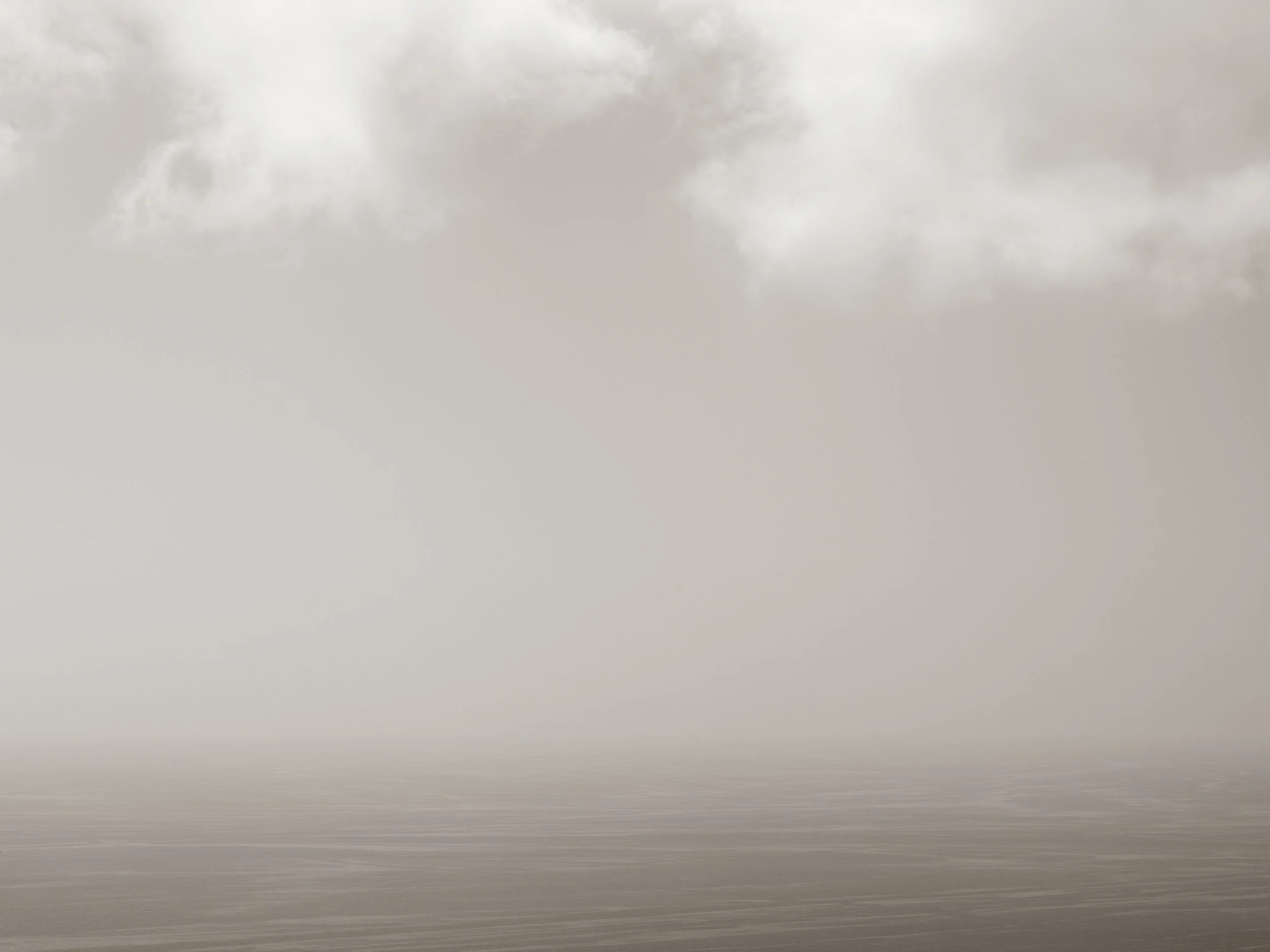
Falling sky