
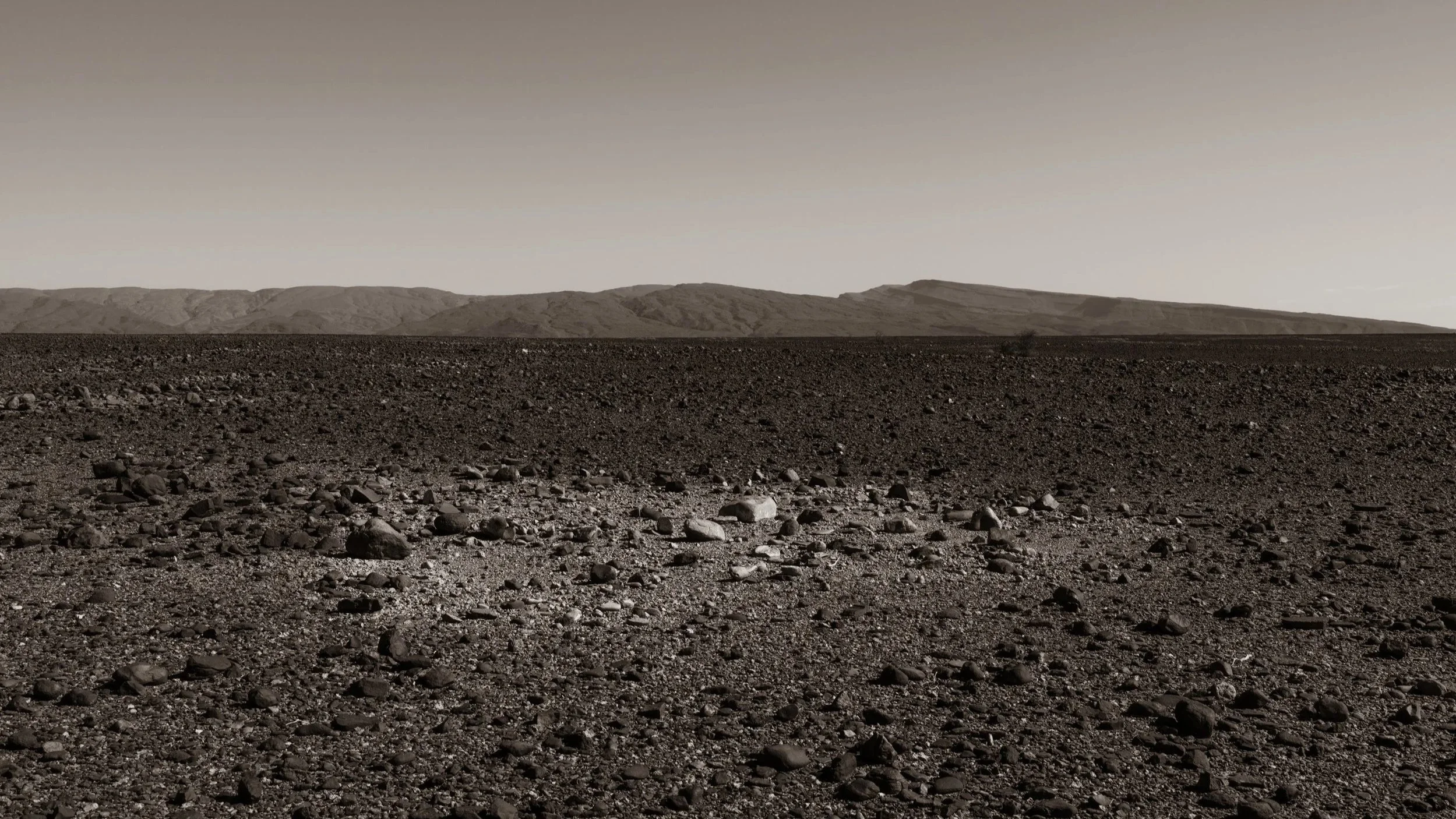

Matthew Arnold uses landscape as a lens through which to examine history, myth, and time. He is drawn to sites where human ambition collides with forces beyond our control—war, exploration, extinction, and geological rupture—and where the land carries quiet, residual evidence of these points in time.
Across his practice, photography forms the foundation— expanded through drawing, sculpture, archival materials, and scientific artifacts. Together, these elements explore how knowledge is constructed and how land holds history long after events pass from memory.
Exhibitions
-
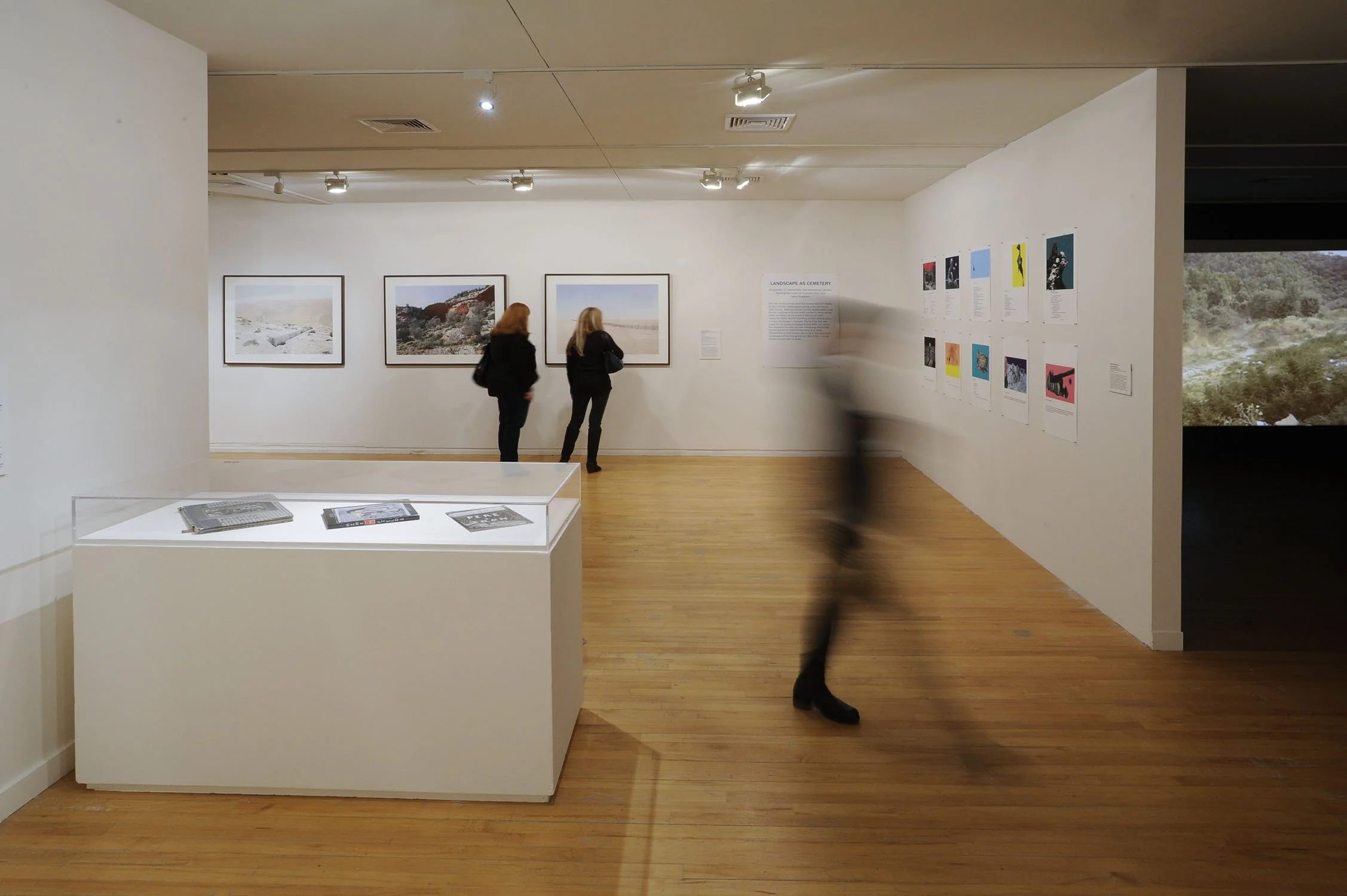
![An image of the Longing for Amelia exhibition at Galerie XII.]()
Longing for Amelia
Galerie XII | Los Angeles
-
![An image of Greenspacing.]()
Topography Is Fate
Permanent War—The Age of Global Conflict | Barbara Grossman Gallery, MFA, Boston
-
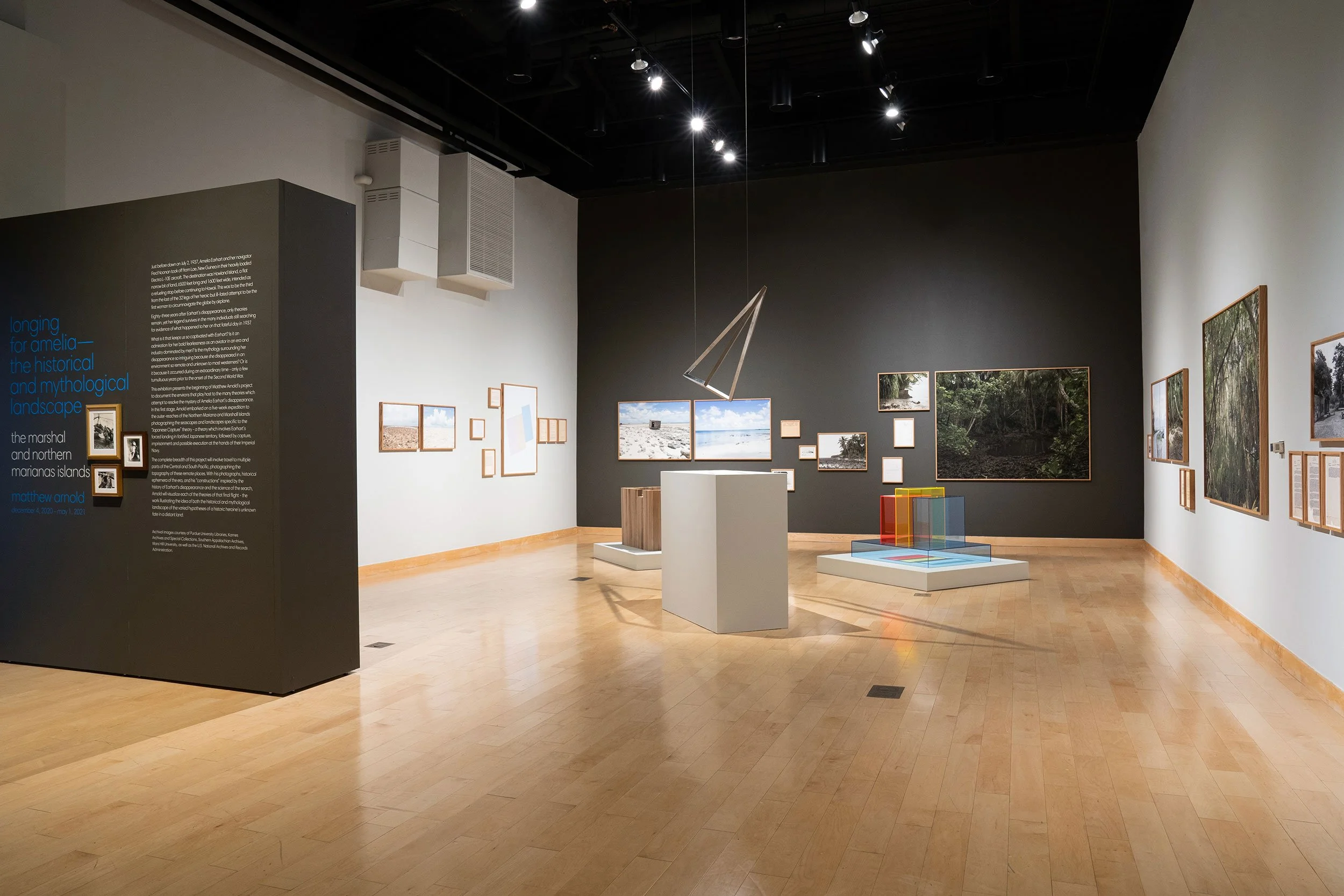
![Exhibition image of Longing for Amelia]()
Longing for Amelia
Turchin Center for the Arts | Appalachian State University, NC
-
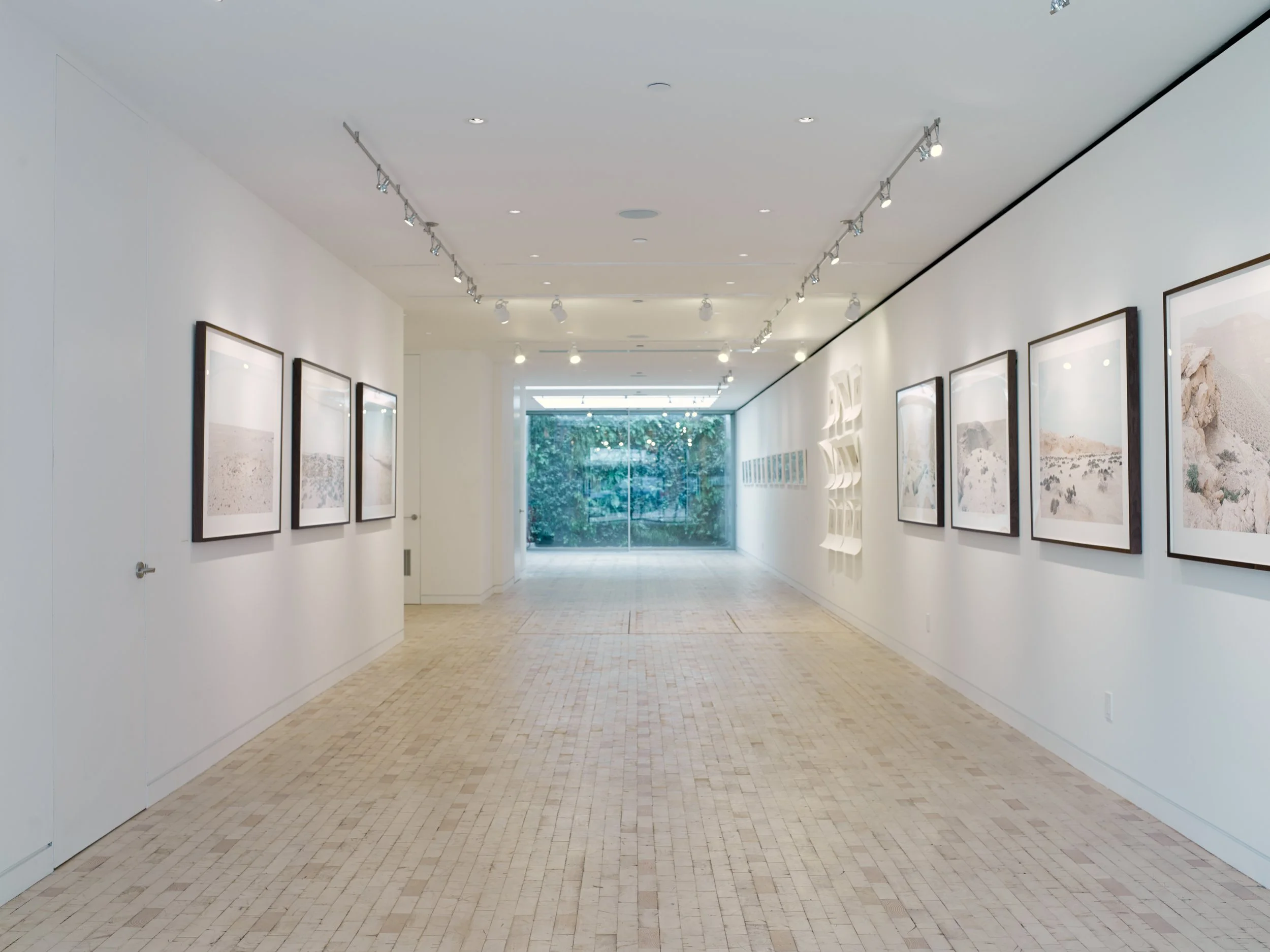
![An art gallery with framed pictures on white walls, track lighting on the ceiling, a large window at the end with greenery outside, and beige tiled flooring.]()
Topography Is Fate
Happy Lucky No. 1 Gallery | New York City

Projects
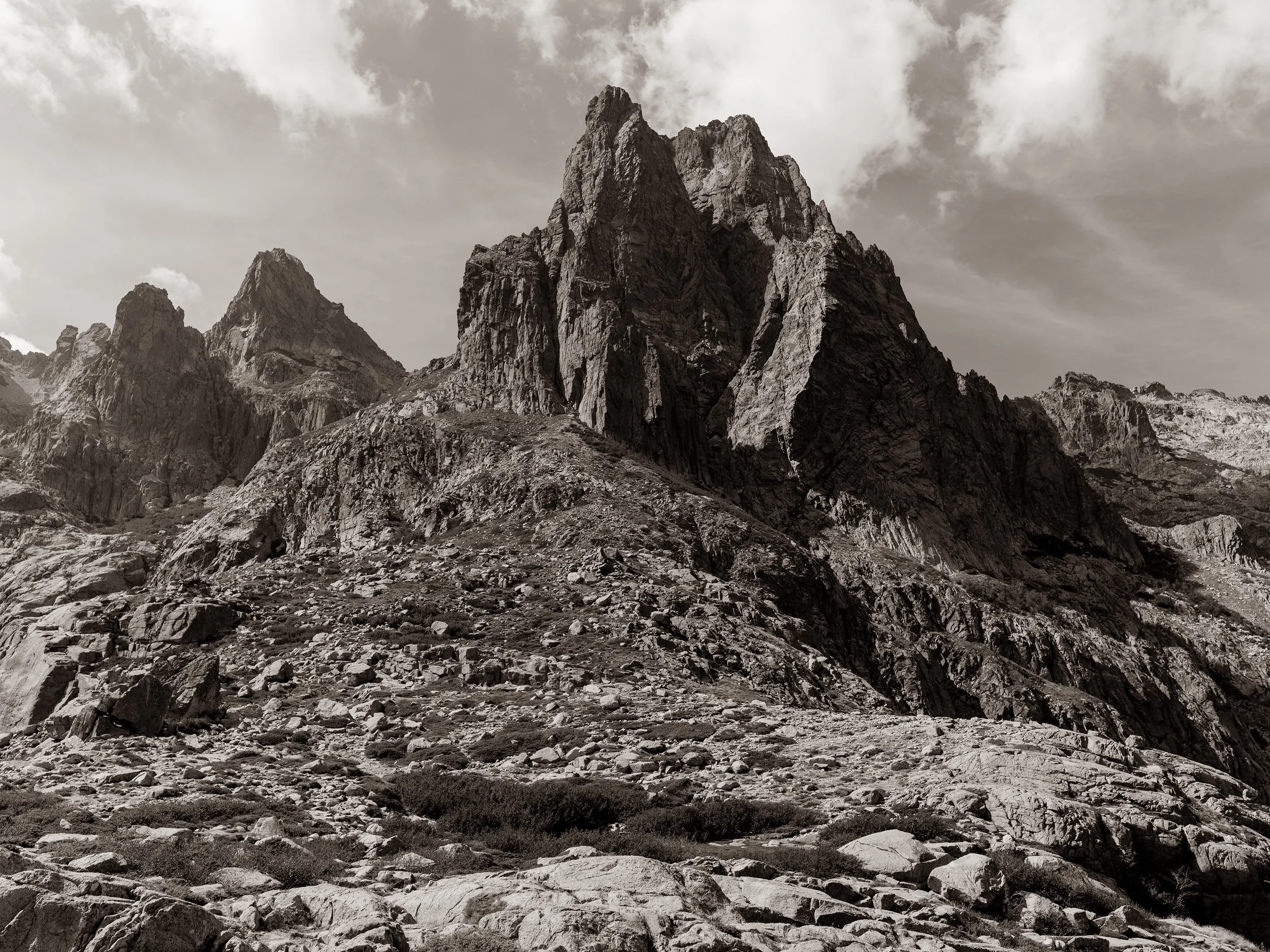
The Day the Earth Died
Fieldwork at the edge of deep time
PHASE 1: THE CHICXULUB CRATER
Sixty-six million years ago, an asteroid approximately ten kilometers wide struck the Earth near present-day Chicxulub on the Yucatán Peninsula, creating a crater nearly 180 kilometers across and triggering one of the most consequential extinction events in planetary history. The impact ignited global wildfires, altered Earth’s climate, and extinguished more than seventy-five percent of all living species. The thin layer of ash and soot left behind—the K–Pg boundary—marks both a geological rupture and a conceptual threshold between worlds: before and after, abundance and absence, continuity and collapse.
The Day the Earth Died is a multidisciplinary project that examines this event not as a distant catastrophe, but as a lived landscape—one whose physical traces remain embedded in terrain, rock, and scientific memory.
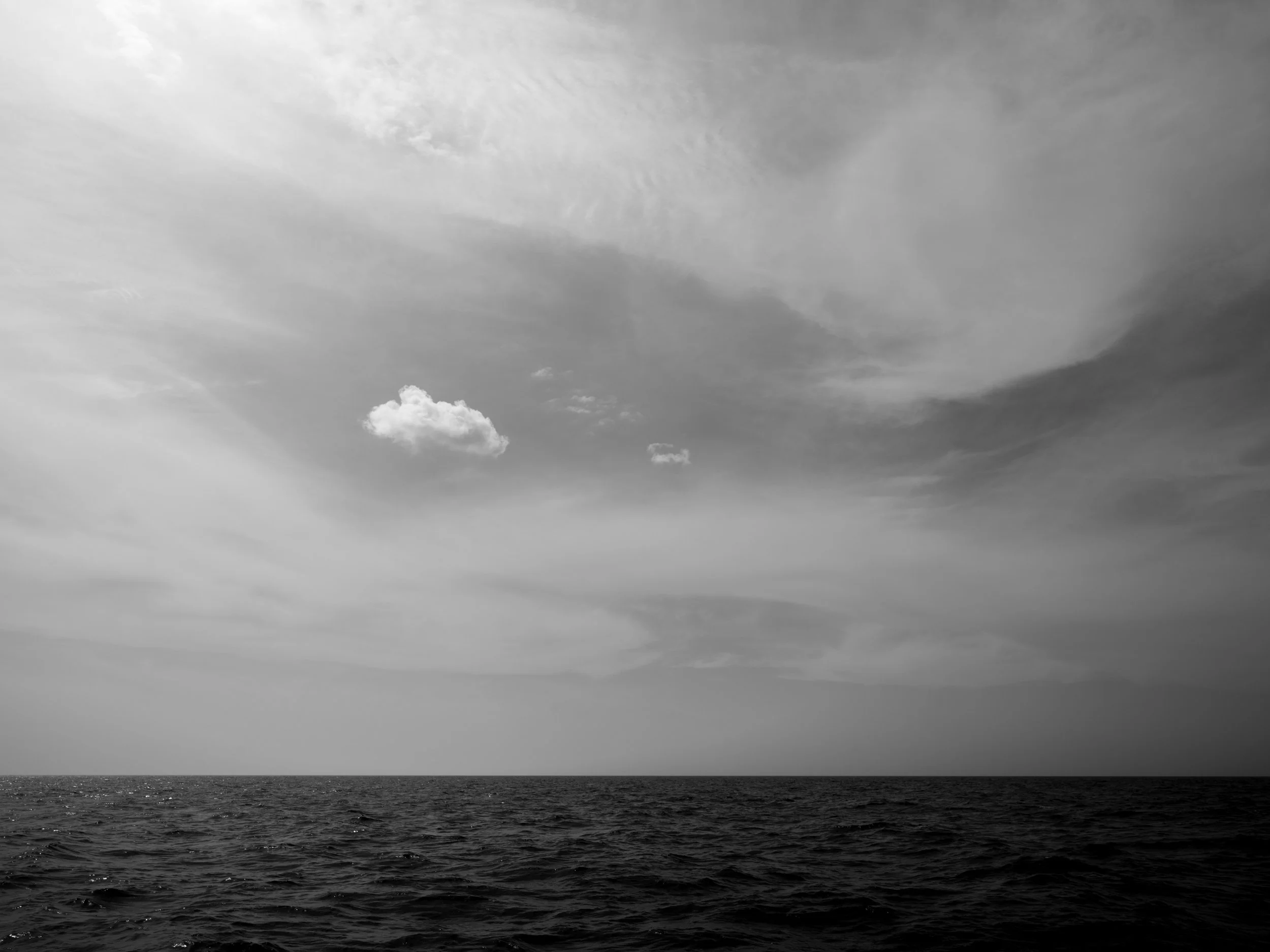
Life | Force | Formation
A personal examination of Naturphilosophie
Naturphilosophie is a term that refers to a philosophical approach to the study of nature which emerged in the 18th and 19th centuries—put forth by a young philosopher named Friedrich Schelling. It was a response to the limitations of the mechanistic study of science which viewed nature as a collection of isolated parts and ignored the dynamic interplay of natural phenomena.
Central to Naturphilosophie are three key areas of study—light, gravity, and life. They are understood to be interconnected and mutually influencing of each other, rather than separate phenomena. It sought to understand the underlying principles that govern the emergence and evolution of life, as well as its relationship to the larger natural world. It represented a radical shift in the way that scientists and philosophers addressed the study of nature and sought to unite empirical observation with philosophical reflection, emphasizing the importance of holistic and intuitive approaches. It also allowed for a new concept to how one would experience nature; the idea that being in nature—rambling through a forest—was always also a self-discovery, a journey into oneself.
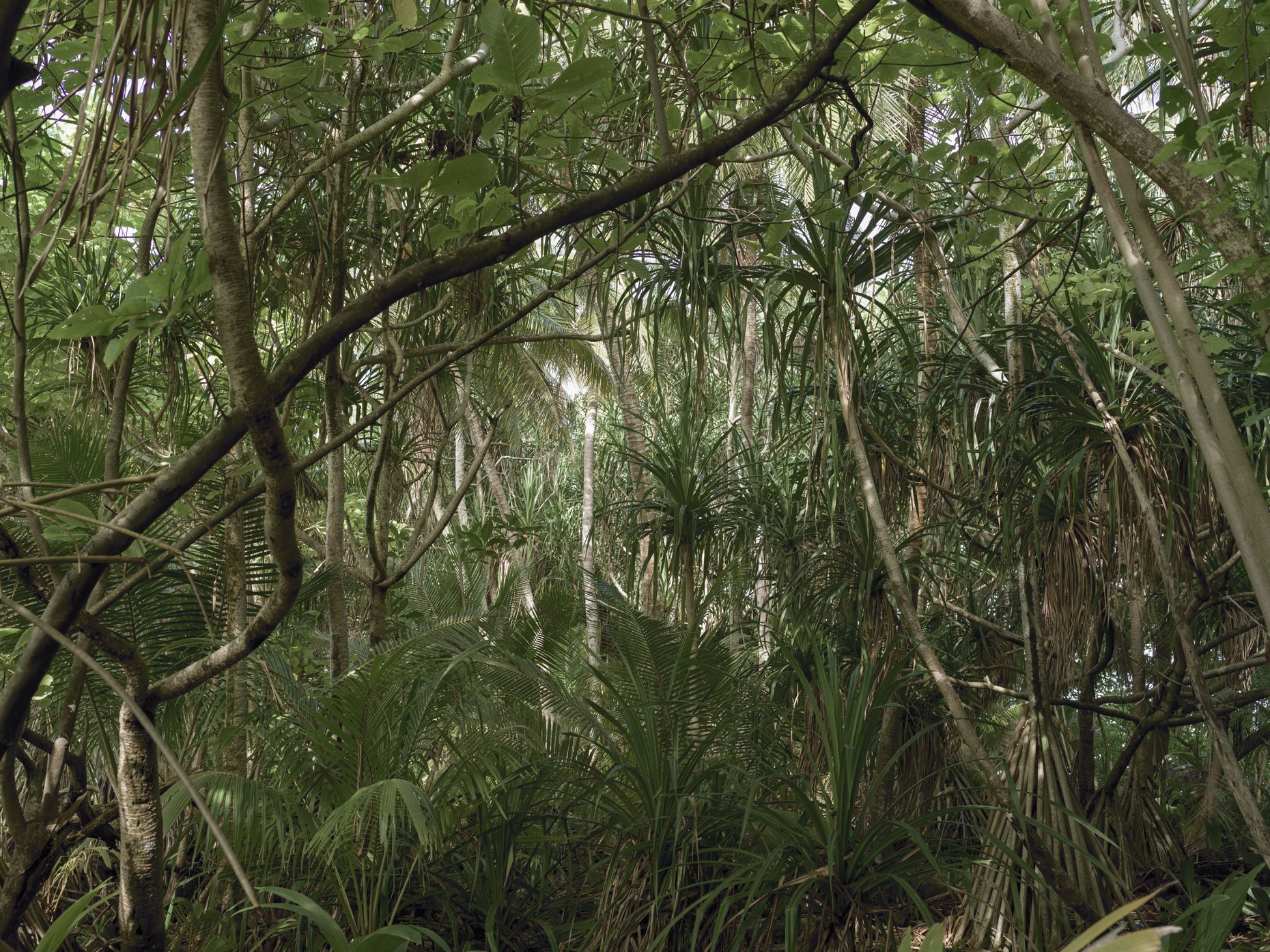
Longing for Amelia
An historical and mythological landscape
PHASE 1: THE MARSHALL AND NORTHERN MARIANA ISLANDS
Just before dawn on July 2, 1937, Amelia Earhart and her navigator Fred Noonan took off from Lae, New Guinea in their heavily loaded Electra L-10E aircraft. The destination was Howland Island, a flat narrow bit of land, 6500 feet long and 1600 feet wide—intended to be used to land and refuel, in order to continue on to Hawaii. This was to be the third to the last of 32 legs of her heroic but ill-fated attempt to be the first woman to circumnavigate the globe by airplane. Unfortunately she disappeared. The last confirmed radio transmission came when Earhart and Noonan said they were nearly 200 miles from Howland. There was no further contact.
Eighty-nine years after Earhart’s disappearance, only theories remain, yet her legend survives in the many individuals still searching for evidence of what happened to her on that fateful day in 1937.
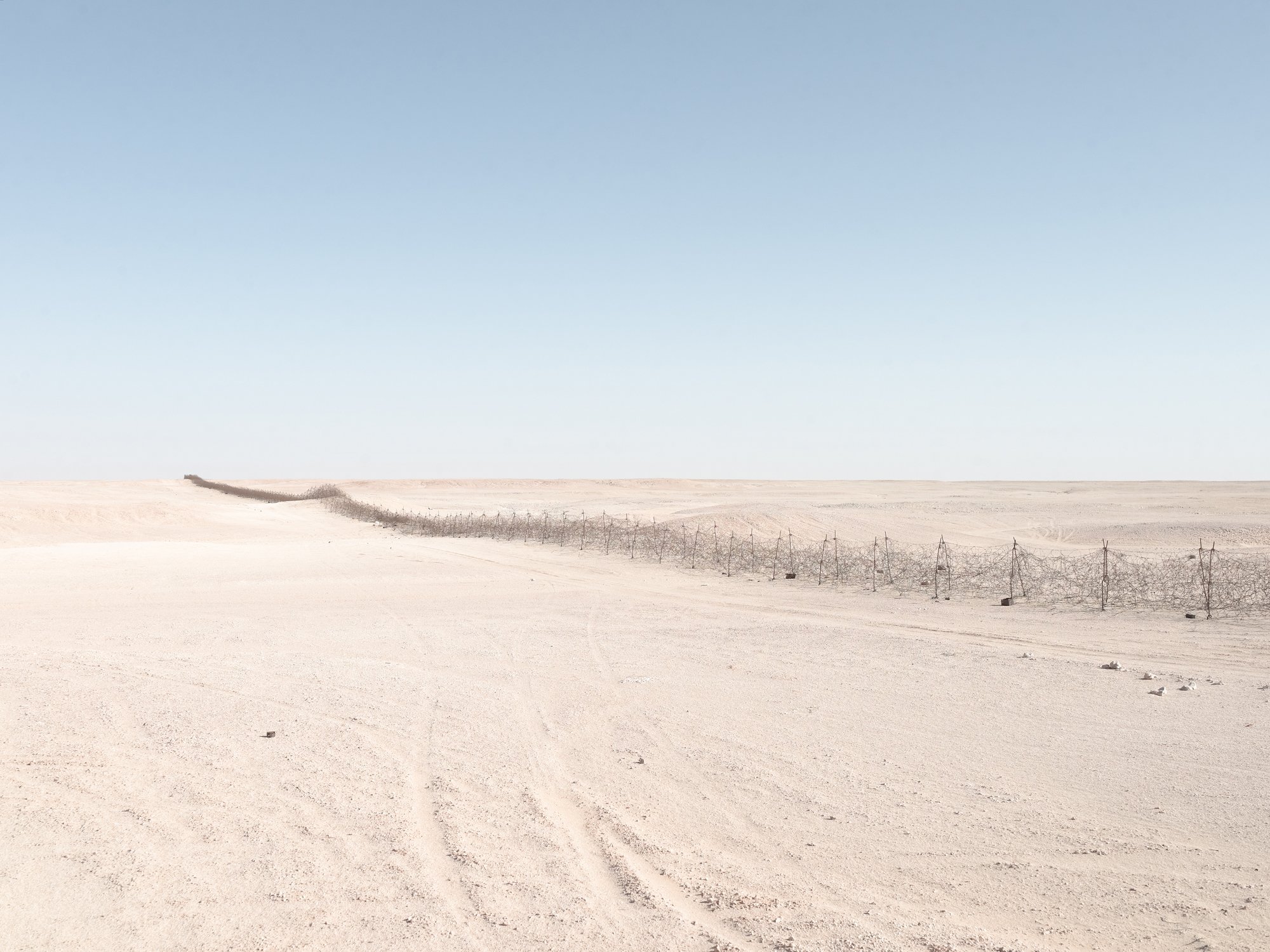
Topography Is Fate
North African battlefields of World War II
Topography Is Fate—North African Battlefields of World War II, considers the varied landscapes of North Africa that the soldier of World War II was forced to endure. Thousands of miles from home, largely untraveled and ignorant of lands and peoples outside his home country, he was dropped onto the shores of what must have seemed to him a dangerous and alien environment—his understanding of the land limited to stereotype, myth and the relevant army field manual.
The approach to this project is conceptual, with the photographs of the North African battlefields presented, similar to the New Topographic photographers, in an almost anonymous and neutral tone. The images are taken in daylight, without complexity and noise, portraying a peaceful quietness of the desert or grassland to allow viewers to fill in that negative space with their own visualization of the war.
Let’s keep in touch!
I would love to keep you informed about what I am working on and any exhibitions that may be happening. Please sign up below to be a part of this journey.
Just like you, I hold my personal information close. I will treat your information with respect. It will never be sold to anyone.
About

Artist and Photographer
matthew@matthewarnoldphotography.com
+1.917.497.5054
Matthew Arnold is a Los Angeles-based artist and photographer who creates long-term projects investigating the physical evidence of history embedded within the landscape. Combining extensive field research with a restrained visual approach, his work explores subjects ranging from ancient mass extinctions to modern conflict, revealing how place becomes a repository of time, memory, and scientific discovery.
His projects have taken him from the deserts of North Africa and the jungles of the Yucatán to remote Pacific islands and paleontological field sites across North America. When he's not in the field, he's equally at home studying geological maps, historical archives, and scientific papers in preparation for the next expedition. A lifelong curiosity about how landscapes record the passage of time continues to shape his work, whether documenting the remnants of World War II, searching for traces of Amelia Earhart, or following the geological record of the asteroid impact that ended the age of dinosaurs.